Don’t Fix These 7 Things Before Selling Your Home (Here’s Why)
I still remember the first time I decided to fix up my house before putting it on the market. I painted every wall, replaced old fixtures, and even spent a small fortune trying to make the kitchen “perfect.” I thought I was doing the smart thing—after all, who wouldn’t want to sell a house for top dollar? But when the offers finally came in, I realized something shocking: all that time, effort, and money didn’t make a dent in the final sale price. In fact, I had spent more than I needed to, and in some cases, I even lost money.
Over the years, I’ve seen this happen again and again with homeowners trying to “fix everything” before selling. The truth is, not every crack, scratch, or outdated feature needs to be repaired. Some things are better left as they are. In this article, I want to walk you through the seven things you should never fix before selling your house—unless, of course, you want to risk losing money.
1. Skip Full Kitchen & Bathroom Renovations
When I first started advising homeowners, I noticed a common trap: people assume a full kitchen or bathroom renovation is the golden ticket to a higher sale price. I’ve seen it countless times—buyers often barely notice fancy countertops or brand-new cabinets. Functionality, not luxury, is what really matters.
Here’s what you can do instead:
- Swap out old hardware like drawer pulls and cabinet handles.
- Apply a fresh coat of paint to brighten the space.
- Replace dated faucets and light fixtures with modern, affordable options.
- Deep clean grout, counters, and appliances so everything feels fresh.
Full-scale remodels often return less than 50% of what you spend, according to APNewcastle. Buyers want spaces that work well—they rarely pay extra for high-end finishes. I always tell my clients: “Clean, functional, and neutral wins over luxury every time.”
Quick tip: Instead of stressing over a full remodel, focus on small touches that make a big impression—it’s less money out of your pocket and usually just as effective.
2. Don’t Sweat Minor Cosmetic Flaws

Here’s something I wish every homeowner understood sooner: buyers expect a few imperfections. Those tiny chips in the wall or scuffed floors rarely scare anyone off. In fact, stressing over every little flaw is one of the fastest ways to burn money and energy unnecessarily.
To handle minor cosmetic flaws effectively:
- Do a deep clean and declutter rooms so the home feels bright and spacious.
- Apply neutral paint in high-traffic areas if walls look particularly tired.
- Focus on presentation, not perfection—buyers care more about overall feel than tiny scratches.
From my experience talking to buyers and browsing homeowner discussions, I can confidently say: small imperfections don’t kill deals, and ignoring them can save you a lot of time and money.
3. Avoid Overhauling Landscaping
I get it—you want your yard to look like a magazine cover. But here’s the reality: extensive landscaping projects like new patios, retaining walls, or exotic plantings rarely give you the return you hope for. Buyers notice tidy, well-maintained spaces—but they don’t expect perfection.
Here’s a practical approach to landscaping:
- Mow and trim the lawn to make the yard feel cared for.
- Weed and tidy flower beds; remove dead or overgrown plants.
- Add small touches like a potted plant or simple welcome mat for instant appeal.
Pro tip: Think of landscaping like a first handshake—it sets the tone, but you don’t need to buy a whole new suit.
4. Say No to Major Structural Changes
When you’re selling a house, it can be tempting to knock down walls or reconfigure rooms, thinking it’ll make your home more desirable. I’ve seen plenty of sellers go down that road, only to find that buyers don’t actually pay more for the changes—and sometimes they just don’t care.
Major structural projects are costly, disruptive, and rarely give you back what you spend. Instead of tearing things apart, focus on making your home flow better and feel spacious:
- Clear pathways and keep doorways unobstructed.
- Fix squeaky doors or sticking windows.
- Improve lighting to make rooms feel more open.
The key is functionality over fancy layouts. Experts explain in this guide on design trends that help sell your home quicker that major renovations like layout changes often don’t give you the return you expect. Small improvements that help buyers imagine themselves living there are far more effective.
Pro tip: Spend your budget on small fixes that make your home feel easy to live in, not on big construction that might not matter to a buyer.
5. Don’t Overspend on Luxury Fixtures

I’ve talked to buyers who barely glanced at the high‑end refrigerator or premium smart lights. What they do notice are homes that feel cohesive and appropriate for the neighborhood. If your house suddenly feels way more “premium” than everything around it, that can actually work against you.
Instead of chasing luxury upgrades, think about balance:
- Update fixtures only if they’re outdated or worn.
- Choose neutral, functional appliances buyers can appreciate.
- Skip ultra‑luxury gadgets unless every other home in your area has them.
Over‑customized, high‑end finishes often appeal to very specific tastes—and most buyers hate spending extra after closing to rip things out and replace them. So lean into what’s broadly appealing, not what’s expensive.
My advice: Make your home look well‑cared-for, not over‑the‑top.
6. Cosmetic Flooring & Tile Fixes Are Optional
I once walked through a house with pretty beat-up hardwood floors. The seller was worried every buyer would hate them. The funny thing? No buyers mentioned it once after two full open houses. What mattered more was that the floors were clean, walkable, and safe.
Here’s how to handle flooring without overspending:
- Clean and polish hardwood instead of replacing it.
- Use area rugs to cover small scuffs and dings.
- Replace tiles only if they are broken or unsafe.
According to Investopedia’s guide on what not to fix before selling a house, big flooring overhauls often have disappointing returns, yet small presentation upgrades can make the space feel cared for and move buyers toward an offer.
7. Focus on Essentials, Not Perfection
One thing I always tell homeowners: buyers don’t expect perfection—they expect functionality. That means leaks, broken doors, faulty electrical, and HVAC issues should be your priority. One thing I always tell homeowners: before you spend on cosmetic upgrades, focus on essential repairs first, like leaks, broken doors, or faulty electrical, which you can read more about in our guide to home repairs before selling. Everything cosmetic beyond that? It’s optional.
Here’s a mini-checklist you can follow:
- Leaks in bathrooms, kitchen, or pipes
- Electrical issues, including outlets and light switches
- HVAC and plumbing that affect comfort
- Doors and windows that stick or don’t lock properly
Focusing on essentials builds buyer confidence and avoids deal-breakers.
Pro tip: Fix the things that could make buyers hesitate. Everything else can wait until after the sale—or never.
Presentation Beats Renovation Every Time
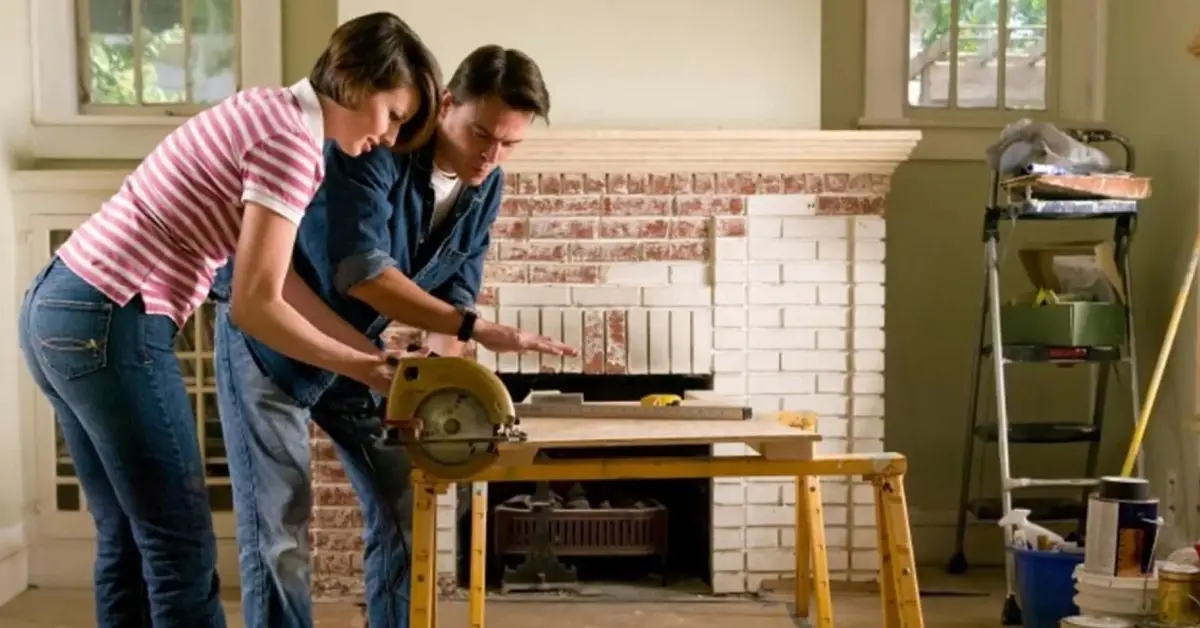
If I’ve learned one thing after years in real estate, it’s this: how your home feels matters more than how much you spend on renovations. Buyers notice clean, decluttered, and well-staged homes far more than brand-new cabinets or luxury fixtures.
To make your home shine:
- Declutter and depersonalize so buyers can picture themselves living there
- Stage key rooms like the living area, master bedroom, and kitchen. When staging key rooms like your bedroom, even small touches like fresh linens or neutral décor can make a huge difference—here’s how to upgrade your bedroom to sell faster without spending a fortune.
- Add small touches like fresh towels, plants, or neutral décor
Partner with the Right Agent
I always recommend working with an experienced real estate agent. They know what buyers in your market care about, and can help you avoid spending money on unnecessary repairs.
Here’s why having the right agent matters:
- Homes sold with top agents often sell faster and closer to asking price
- Agents provide advice on which repairs or updates truly impact buyers
- They can recommend trusted professionals for repairs or staging
A good agent turns strategy into results—sometimes that’s more valuable than any renovation you could do yourself. If you want guidance, check out local realtor insights on LinkedIn or industry blogs.
Quick Reference Table – Fix or Don’t Fix
| Item | Should You Fix? | Estimated ROI | Notes |
|---|---|---|---|
| Kitchen Remodel | Don’t | 50% | Focus on small cosmetic upgrades only |
| Bathroom Remodel | Don’t | 50% | Minor cosmetic updates sufficient |
| Flooring | Optional | <40% | Cleaning, polishing, area rugs work |
| Landscaping | Optional | <30% | Maintain tidy appearance, skip overhauls |
| Leaks / Plumbing | Must | High | Essential functional repairs only |
| Electrical / HVAC | Must | High | Safety and comfort priority |
| Luxury Fixtures | Optional | Low | Match neighborhood expectations |
This table gives you a quick at-a-glance guide so you know where to spend and where to save.
Conclusion
Selling your home doesn’t have to be a money pit. By focusing on essential repairs, smart presentation, and working with the right agent, you can save money, reduce stress, and still get the best possible offers. Remember: small, strategic improvements often outperform expensive renovations, and minor flaws are rarely deal-breakers.
I’d love to hear from you—have you ever spent money on home repairs before selling that didn’t pay off? Share your story in the comments below!
Also, for more practical tips on maximizing your home’s value and selling smarter, check out Build Like New—your go-to resource for cost-effective home improvements and expert real estate advice. For more strategies on making your home market-ready and boosting buyer interest, check out our full collection of home selling tips.
Disclaimer: The information in this article is for general guidance only and may vary depending on your local market or individual circumstances. Always consult a qualified professional before making major repairs or renovation decisions.