Clean Smarter: 8 Dish Soap Mistakes Most Homeowners Don’t Realize
I used to think dish soap was harmless. If it cuts grease off plates, it must be safe for everything else too—counters, floors, even appliances. That belief is incredibly common. It’s also quietly damaging a lot of homes.
Over the years, I’ve seen people ruin hardwood floors, strip car paint, clog appliances with foam, and dull expensive surfaces—all because dish soap felt like a “safe, everyday” cleaner. Most articles online mention a few don’ts, but they rarely explain why these mistakes matter or how easily they sneak into normal routines.
Here’s the truth most cleaning guides skip: dish soap is designed to break down grease aggressively. That’s great for dishes. It’s not great for finishes, sealants, electronics, fabrics, or machines that aren’t meant to be rinsed the same way a plate is. The damage doesn’t always show up immediately. It builds up slowly—residue, dullness, wear, and sometimes costly repairs.
If you clean regularly and care about your home lasting, this matters. I’m not here to scare you or shame common habits. I want to help you spot the everyday dish soap mistakes that look harmless but are doing real damage—and show you smarter, safer ways to clean.
Before we get into the list, tell me this: where have you been using dish soap outside the sink without thinking twice?
Why Dish Soap Works Great for Dishes — But Not Everywhere
I want to clear up one common misunderstanding first. Dish soap isn’t actually gentle. It only feels that way because we use it every day.
Chemically, dish soap is made to do one strong job: break down grease fast. It uses surfactants that latch onto oil and pull it away with water. On plates and pans, that’s exactly what you want. Outside the sink, that same power becomes the problem.
Most cleaning articles tell you what not to clean with dish soap, but they skip the why.
Modern dish soaps are stronger than many people realize. After phosphates were phased out, brands reformulated with more aggressive surfactants to keep cleaning performance high. Publications like Southern Living have highlighted how this shift changed how dish soap behaves on home surfaces.
Here’s what that means in real life when you use dish soap everywhere:
- It strips protective coatings, not just dirt
- It leaves residue where rinsing isn’t thorough
- It dries out surfaces that rely on natural oils
- It causes slow damage that shows up months later
If you’ve ever cleaned something and thought, “Why does this look dull now?”—dish soap is often the quiet reason.
Mistake 1 — Using Dish Soap on Appliances and Machines
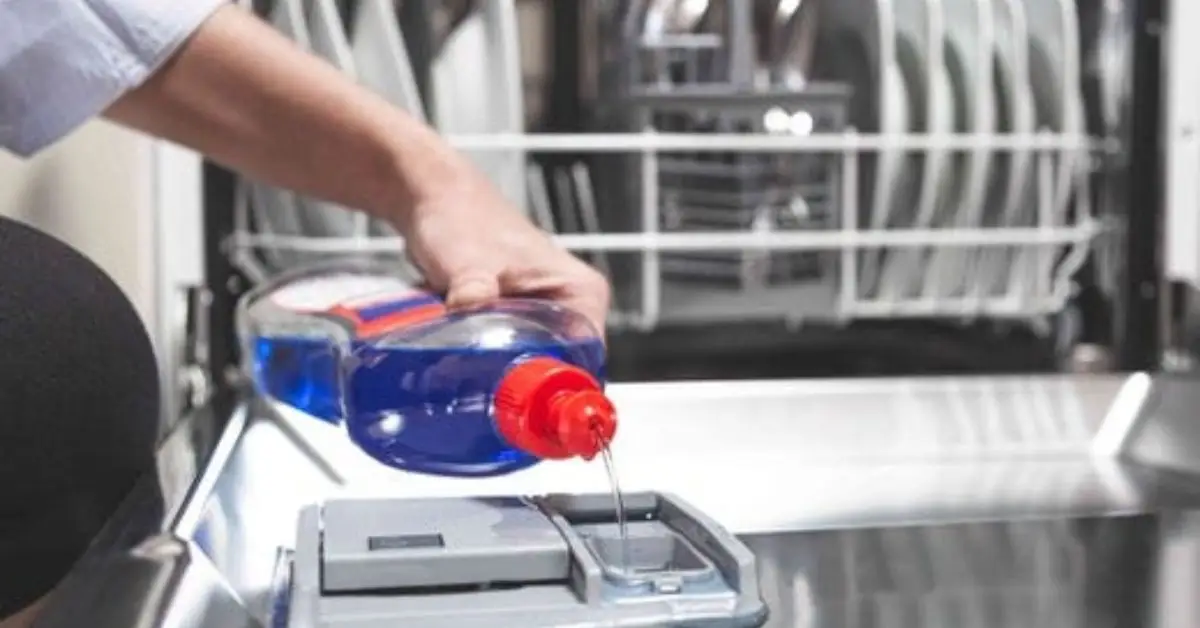
Dish Soap Inside Dishwashers
I don’t blame anyone for this mistake. The names sound similar, the bottles sit close together, and the logic feels harmless.
But dish soap and dishwasher detergent are built for completely different systems.
Hand dish soap is designed to foam. Dishwashers are designed to avoid foam.
When dish soap goes into a dishwasher, here’s what usually happens:
- Suds overflow onto the floor
- Foam backs up into internal components
- Pumps and sensors get stressed
- You end up cleaning a bigger mess than before
Dish Soap on Coffee Makers or Small Appliances
This mistake doesn’t explode—it lingers.
Coffee makers, kettles, and similar appliances trap water inside narrow channels. When dish soap gets in, it doesn’t rinse out cleanly. Residue stays behind.
What you may notice later:
- Coffee or tea tastes strange
- Water reservoirs look cloudy
- The machine stops working properly sooner than expected
That’s why manufacturers recommend vinegar or proper descaling solutions instead of soap. They clean without leaving behind film your appliance can’t flush out.
Mistake 2 — Cleaning Surfaces That Dish Soap Damages
Hardwood Floors and Wood Furniture
Wood isn’t protected by the wood itself—it’s protected by its finish.
Dish soap slowly breaks that finish down.
I’ve seen the same pattern over and over:
- Floors lose their shine
- Furniture starts looking dry or cloudy
- Wood becomes more sensitive to water
Once the finish is compromised, dirt sinks in faster and refinishing becomes the only fix. That’s expensive and completely avoidable. In many homes, dish soap is only part of the issue—the bigger problem is the cleaning process itself, because common mopping mistakes that make floors dirtier instead of cleaner often cause just as much damage.
Leather and Natural Stone
Natural materials need balance, not degreasing.
Dish soap strips the oils leather needs to stay flexible. On stone, it weakens sealants that prevent stains and etching.
Over time, that leads to:
- Cracking or stiffness in leather
- Dull, blotchy stone surfaces
- Damage that can’t be reversed with cleaning
These materials don’t fail overnight. They wear down slowly, which is why people don’t connect the damage to dish soap use.
Quick check before we move on: where have you been using dish soap just because it felt safe?
Mistake 3 — Misusing Dish Soap on Electronics & Tech
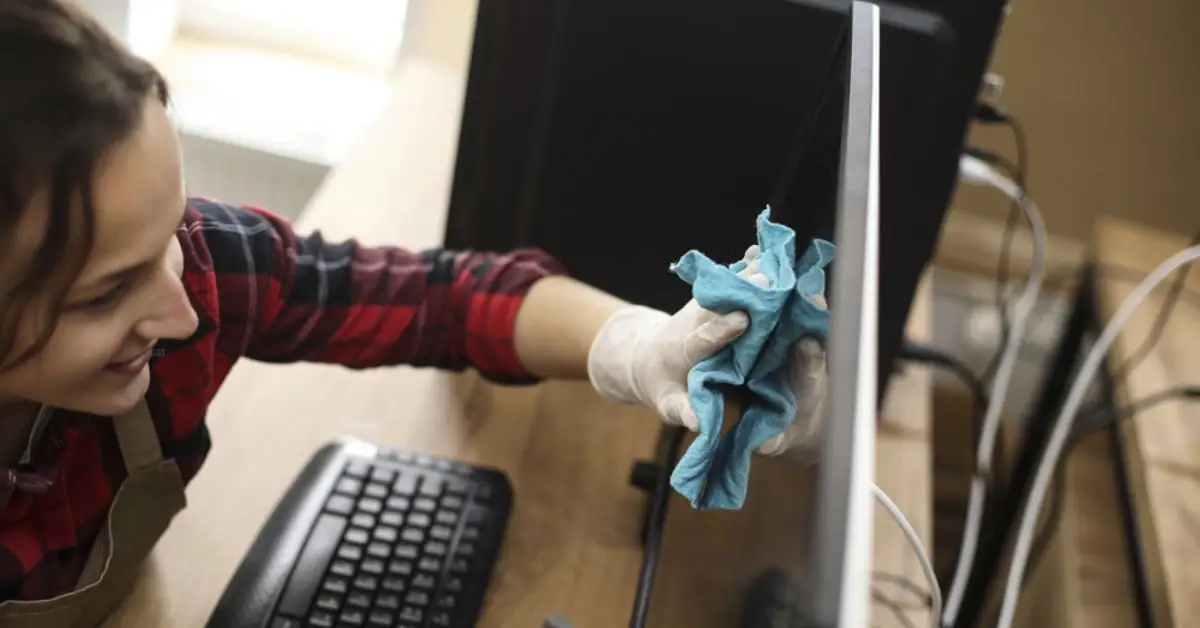
Screens, Remotes, and Smart Devices
I know why people do this. A drop of dish soap feels safe, controlled, and familiar. But electronics are one place where dish soap quietly causes damage you can’t undo.
Most screens today have anti-glare or oleophobic coatings. Dish soap doesn’t clean those coatings—it strips them.
Here’s what usually goes wrong when dish soap meets tech:
- Anti-glare coatings wear off, leaving screens patchy or streaky
- Moisture seeps into buttons, seams, or charging ports
- Residue attracts more fingerprints and dust than before
I’ve seen phones that look permanently cloudy and TV screens that never clean “right” again—all from soap that was meant for plates.
For tech, less is more. A dry or slightly damp microfiber cloth, or a screen-safe spray, does the job without risking permanent surface damage. Dish soap solves the wrong problem here.
Mistake 4 — Dish Soap on Fabrics and Upholstery
Silk, Wool & Delicate Textiles
This is one of the most confusing areas for people, and I get it. Dish soap cuts grease, so it must be good for stains, right?
The problem is how it rinses—or doesn’t.
Delicate fibers hold onto soap far more than sturdy cotton. Dish soap clings to those fibers and keeps working long after you think it’s gone.
That leads to:
- Fading and color distortion
- Fabric stiffening after drying
- Skin irritation from leftover residue
A lot of people only realize something went wrong after the fabric dries and feels “off.” By then, the damage is already done.
Upholstery and Car Interiors
Upholstery looks tough, but it behaves like a sponge.
When dish soap is worked into seats, couches, or car interiors:
- Moisture gets trapped deep inside
- Soap residue pulls in dirt
- Damp padding becomes a breeding ground for odors or mildew
The surface may look clean for a day or two, then smells start showing up later. That’s not bad luck—it’s leftover moisture and soap doing their thing.
Mistake 5 — Dish Soap Abuse Outside the Kitchen
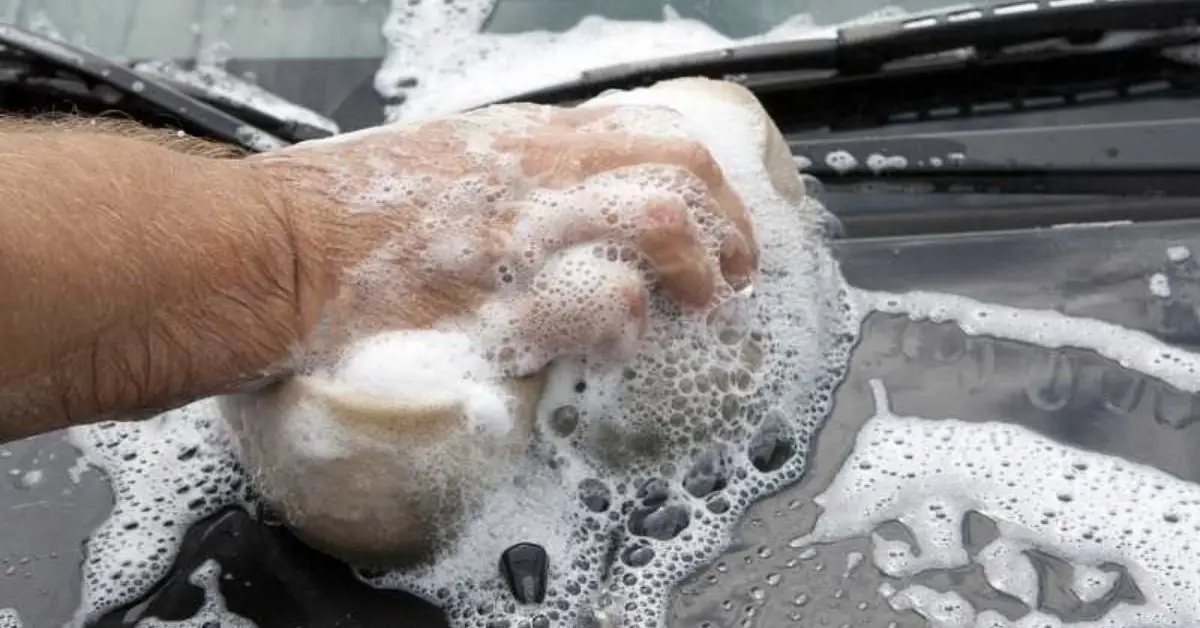
Washing Vehicles
This is one of the most expensive “harmless” mistakes I see.
Dish soap is designed to remove grease completely. Car paint relies on wax and protective layers to stay glossy and shielded from the elements.
When you wash a car with dish soap:
- Wax protection strips away fast
- Paint becomes dull and exposed
- Dirt sticks more easily after every wash
Automotive and home care experts, including Home Services Toronto, consistently warn against using dish soap on vehicles for this exact reason. pH-balanced car shampoos exist to clean without destroying protection.
Outdoor Furniture and Tools
Outside, dish soap creates a different problem—residue.
On metal, plastic, or coated outdoor surfaces:
- Soap film attracts dust and pollen
- Moisture lingers longer, encouraging rust
- Finishes break down faster under sun exposure
Eco-safe or pH-neutral cleaners rinse cleaner and don’t leave behind that sticky layer dish soap is known for.
Quick pause before we move on—how many of these have you cleaned with dish soap just because it was already in your hand?
Mistake 6 — Overuse or the Wrong Amount of Dish Soap
This one feels harmless, but it’s where a lot of cleaning goes wrong.
Most people don’t measure dish soap. They squeeze until it “feels right.” I’ve done it too. The problem is that more soap doesn’t mean more clean—it usually means more residue.
When you use too much dish soap:
- Surfaces feel sticky even after rinsing
- You spend extra time wiping and re-rinsing
- Soap film builds up and attracts dirt faster
- Skin irritation becomes more likely over time
Using too little causes the opposite issue—grease just spreads around instead of lifting off.
Cleaning experts at Better Homes & Gardens point out that a small, measured amount is usually enough. Most messes don’t need a heavy squeeze at all.
If you constantly feel like things never rinse clean, the problem isn’t your water or your cloth—it’s the amount of soap.
Mistake 7 — DIY Chemical Mixes with Dish Soap
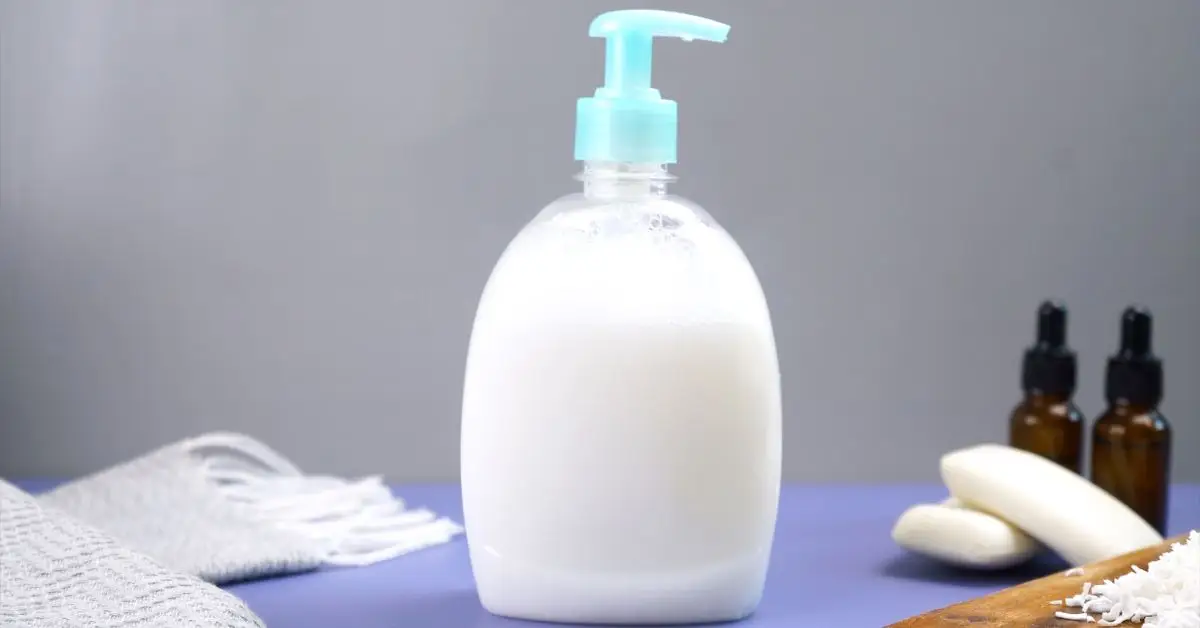
This is where dish soap stops being just a cleaning mistake and starts becoming a health risk.
I see this advice floating around online all the time: mix dish soap with bleach, vinegar, or other cleaners to “boost” power. This habit becomes even riskier in sinks and drains, because unsafe cleaner combinations don’t just create fumes—they can worsen buildup and attract pests, which is why relying on safe drain cleaning hacks that actually work is a much smarter option. It sounds efficient. It’s not safe.
Mixing dish soap with certain chemicals can:
- Release harsh fumes
- Cause eye, skin, or throat irritation
- Trigger dizziness or breathing discomfort
People often realize something’s wrong only after their eyes burn or they feel lightheaded. These aren’t rare reactions—they show up again and again in real cleaning discussions online.
The safest rule I follow and recommend: one cleaner at a time. If a surface needs something stronger, use a product made for that purpose instead of playing chemist at home.
Mistake 8 — Ignoring Manufacturer or Surface-Specific Guidelines
This is the quiet mistake behind many others.
“Dish soap works on everything” becomes a habit. Labels get ignored. Instructions feel optional. And slowly, damage builds.
Manufacturers don’t write cleaning guidelines to be annoying. They write them because they know:
- What coatings can handle
- What materials absorb moisture
- What finishes break down under surfactants
Dish soap misuse is rarely a one-time error—it’s usually part of a larger pattern of old cleaning habits homeowners follow without realizing the damage, which is why breaking these habits matters as much as choosing the right product.
When you skip those instructions, you’re guessing—and guessing usually costs more in the long run.
If a product says “pH-neutral only” or “no soap,” that’s not marketing. It’s protection.
Safe Alternatives to Dish Soap for Each Surface
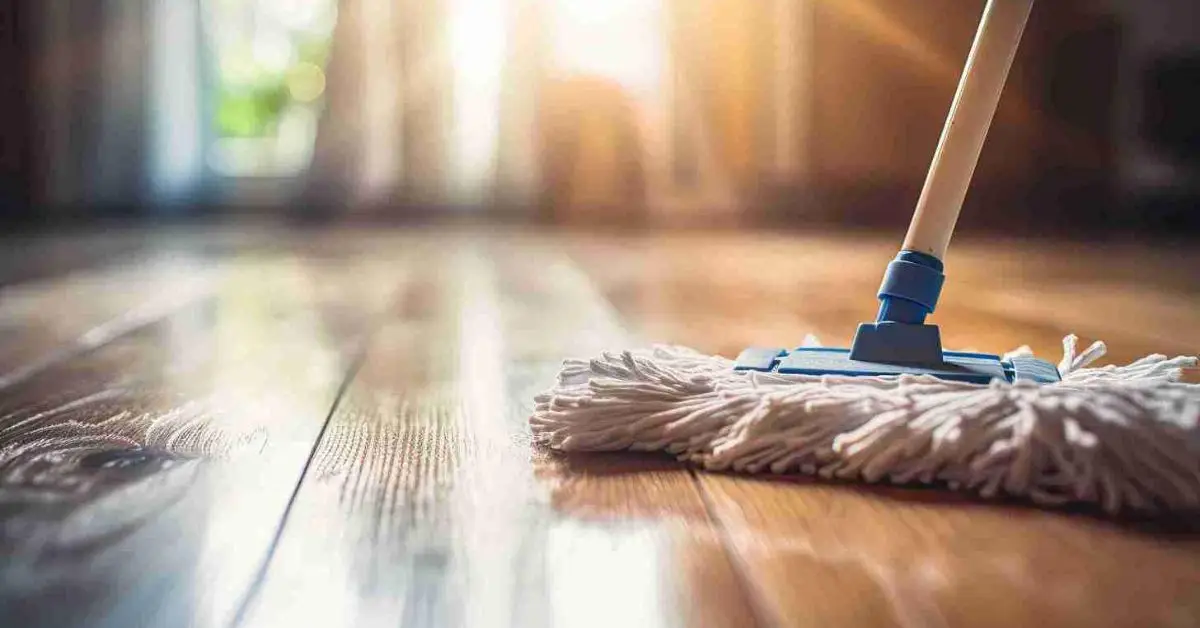
I’m not anti–dish soap. I just want it used where it actually belongs.
Here’s what I reach for instead, depending on the surface:
- Wood floors & furniture: wood-safe cleaners that protect the finish
- Leather: leather conditioner or cleaner that replaces lost oils
- Natural stone: pH-neutral stone cleaners that won’t strip sealant
- Electronics: microfiber cloths or screen-safe sprays
- Vehicles: car shampoos designed to clean without removing wax
- Upholstery: low-moisture fabric cleaners that rinse clean
The right cleaner saves time, effort, and repairs. Dish soap feels convenient in the moment—but it’s often the long way around.
Before you grab the bottle again, ask yourself this: are you cleaning the surface—or slowly wearing it down?
Quick Action Checklist: What to Stop Today
If you remember nothing else from this article, remember this list. These are the habits I see causing the most damage—and they’re easy to fix starting today.
Stop doing this → Do this instead
- Using dish soap on hardwood floors → Use a wood-safe cleaner made to protect finishes
- Washing your car with dish soap → Switch to a pH-balanced car shampoo
- Cleaning screens or electronics with soap → Use a dry microfiber cloth or screen-safe spray
- Adding dish soap to the dishwasher → Use only dishwasher-specific detergent
- Scrubbing leather with dish soap → Use a leather cleaner or conditioner
- Soaking upholstery with soapy water → Use low-moisture fabric cleaners
- Mixing dish soap with bleach or other cleaners → Use one product at a time
- Squeezing “extra soap” for tough messes → Measure or use less, not more
This checklist works because it’s practical. No theory—just cleaner habits that protect your home.
Why Preventing These Cleaning Mistakes Saves Time, Money & Health
I want to be clear: this isn’t about being perfect. It’s about avoiding repeat work and preventable damage.
When dish soap is used the wrong way, you don’t just clean once—you clean again. And again.
Here’s what changing these habits actually saves you:
- Time: fewer re-cleans, less residue, faster results
- Money: no refinishing floors, repainting walls, or replacing damaged items
- Health: less skin irritation, fewer fumes, cleaner air inside your home
Most people think cleaning damage happens suddenly. It doesn’t. It builds up quietly, one “harmless” habit at a time.
Fixing the habit fixes the problem.
End Note: Rethink “All-Purpose” Cleaners
Dish soap isn’t bad. It’s just misunderstood.
It’s a specialist, not a multitasker.
When you start treating cleaning products like tools—using the right one for the right surface—your home stays cleaner with less effort and fewer surprises.
If this article made you rethink even one cleaning habit, drop a comment and tell me which one surprised you most.
And if you want more practical, no-nonsense home care guides, explore Build Like New—that’s where we break down what actually works, without the fluff.
Disclaimer: The information in this article is for general home-care guidance only. Always check manufacturer instructions and test any cleaner on a small, hidden area first. Results may vary based on surface type, product formulation, and usage conditions.