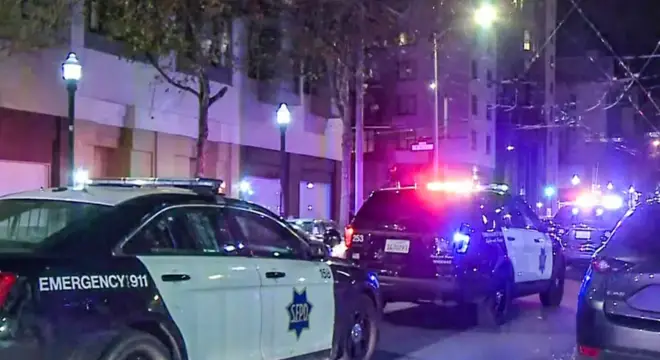
California Home Blaze Sends 8 People to the Hospital
I want to start by laying this out as clearly as possible, because incidents like this shake an entire community in seconds.
A home in Chino Hills caught fire on Sunday afternoon after what authorities believe may have been a gas leak. Eight people who were inside the house ended up in the hospital. Thankfully, officials say their injuries aren’t life-threatening — but the fact that every single victim was inside the burning home tells you how fast things unfolded.
When you hear “possible gas leak,” it hits differently. You think about your own home. Your family. How something you can’t see or smell right away can turn ordinary life into an emergency within minutes.
The fire broke out around 3:45 p.m. on Sierra Vista Drive — a quiet, residential stretch where nobody expects chaos on a Sunday afternoon. Fire crews, deputies, and SoCal Edison rushed in almost at the same time, which tells me they knew right away this wasn’t going to be a simple call.
If you live in Southern California, or honestly any area with older gas lines, a story like this is more than news — it’s a reminder. It makes you pause and ask yourself: Would I recognize the signs? Would I know what to do?
Let me know — when you heard “gas leak,” what was the first thing that came to your mind?
How the Chino Hills Fire Started?
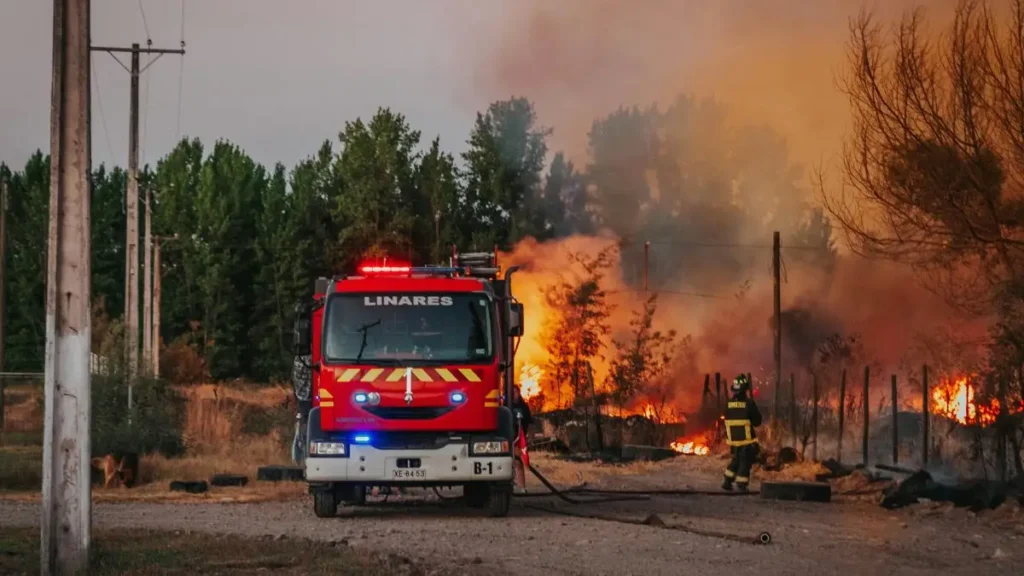
The first thing I did after hearing about the Chino Hills fire was check the CBS Los Angeles report, because they usually get early verified details. And they confirmed the same timeline officials mentioned: the fire started around 3:45 p.m., inside a home on the 42000 block of Sierra Vista Drive.
CBS also mentioned something that matters a lot here — the early suspicion of a gas leak inside the home. When a gas-fed fire lights up, it moves fast, and the initial blast or ignition can trap people before they even understand what’s happening.
I’ve seen plenty of fire reports over the years, but this one stood out because every victim was inside the house. That tells me the ignition might have been sudden. No warning. No time to escape.
When you read a CBS confirmation like this, you trust that the basics are solid — the place, the time, and the suspected cause. And for an incident like this, those basics help you understand how quickly things spiraled.
What Happened Inside the Home?
The Chino Valley Fire District shared an official update on Facebook, and that’s where a key detail came out: some of the injured people had already driven themselves to the hospital before firefighters even arrived. That says a lot about how chaotic the first few minutes were inside that home.
Imagine the heat, the smoke, the shock — and still having to figure out your own way out. Four people didn’t wait for help; they just ran, got in a car, and went straight to the ER. You only do that when you feel you don’t have another option.
According to the fire district’s Facebook post, all eight injured people were inside the same home when the fire erupted. That single detail paints the whole picture: nobody outside was hurt, no bystanders, no neighbors — just the people inside the home that became the center of the incident.
When an official Facebook update spells it out like that, you feel the weight of it. This wasn’t a neighborhood-wide blast. It was one house where something went wrong instantly.
This reminded me of an overnight fire in Illinois where a family also had to act fast before crews arrived — the situation unfolded quietly but dangerously, just like this one. Illinois home fire details show how unpredictable these moments can be.
What First Responders Did When They Arrived
One thing I appreciate about incidents in San Bernardino County is how quickly multiple agencies jump in. When crews reached Sierra Vista Drive, they weren’t working alone. Deputies, county firefighters, Chino Valley Fire, and even SoCal Edison teams were already moving into place.
When I look at the sequence, it’s clear they weren’t just fighting a fire — they were treating this like a potential gas hazard from the start. You don’t call utility crews unless you suspect something inside those lines isn’t safe.
And honestly, this is the part most people never think about. Firefighters don’t just spray water and walk away. They assess the risk to neighboring homes, check for lingering gas pockets, search for structural weak spots, and make sure nothing else is going to ignite.
If you’ve ever wondered what a “coordinated response” actually looks like, this was it — multiple teams handling fire, medical emergencies, and gas safety in the same moment.
It’s a pattern I’ve seen before — during a Fairfax County house fire, two people were injured and entire blocks had to clear out while crews checked for structural risks.
Why 16 Homes Were Evacuated?
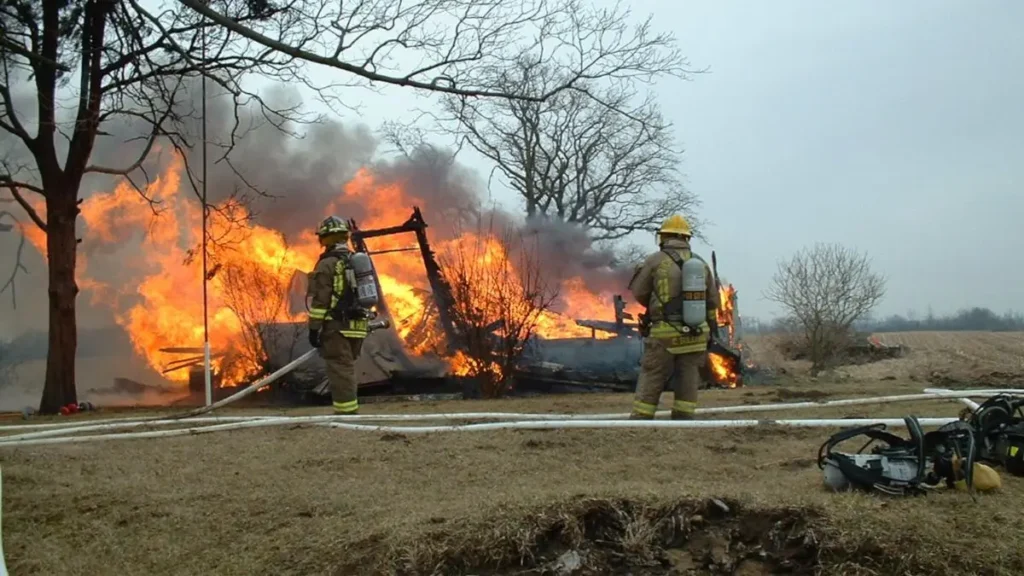
The evacuations weren’t random. Deputies stated pretty clearly that they cleared everyone out “as a precaution” from Sierra Vista to Del Norte Avenue. And if you’ve ever lived in a neighborhood with gas-powered homes, you know exactly why.
When there’s even a hint of a gas-fed ignition, you don’t wait around to see if there’s a second one. You get people out first and investigate later.
A total of 16 homes had to be evacuated. That’s an entire pocket of the neighborhood suddenly stepping outside in the middle of the afternoon with no idea what they’ll find when they return.
And here’s something people often forget: an evacuation isn’t just about safety — it’s about time. Your day stops. Your routine breaks. You stand there holding your keys, watching smoke rise from down the street, hoping your home is still your home when the fire crews clear you to come back.
It’s a reminder that one house fire can change 16 families’ Sundays in a matter of minutes.
Incidents like this shift fast, and I usually track real-time updates on a WhatsApp alert channel that focuses on emergency responses across the U.S. — it helps me catch agency announcements the moment they drop.
Damage Beyond the Main Home
Deputies also confirmed damage to nearby homes — which doesn’t surprise me at all. When a fire is linked to a possible gas leak or internal ignition, the heat and pressure can push outward fast. Even if flames stay contained, the shock, debris, and radiant heat can reach other houses.
Sierra Vista Drive was also shut down between Del Norte Avenue and Descanso Avenue for hours, and that alone tells you how seriously they treated the aftermath. You don’t close an entire stretch of a residential street unless you’re checking every inch for structural or gas hazards.
And for the families living nearby, this kind of damage hits hard. Even if your home didn’t catch fire, you now have questions:
- Did the heat warp anything?
- Did the blast crack any lines?
- What about the smell — is it safe to breathe?
This is the side of fire incidents that hardly makes headlines, but it matters a lot to the people living there.
Nearby damage isn’t uncommon — in Southfield, even firefighters were hurt while containing a fast-moving blaze, and the incident left officials warning homeowners about how quickly fire conditions can shift.
Why Investigators Suspect a Gas Leak?
The moment you hear firefighters mention a “possible gas leak,” you understand why everyone moved so quickly. Gas issues are silent until they’re not. And in cases like this, investigators usually look for the same early signs — the pattern of the burn, the interior pressure marks, and what neighbors heard or smelled before the fire ignited.
Nobody has officially confirmed the exact cause yet, but when multiple agencies are called in — especially SoCal Edison — it usually means something inside that home signaled a gas-related event. You can’t see gas, but you can see what it does once it finds a spark.
I’ve covered enough fire stories to know this: investigators don’t rush these conclusions. They take their time because a gas-related fire isn’t just about one home. It’s about whether anything in the surrounding system needs checking.
If you’ve ever wondered why they keep streets closed for hours, this is why. One small miss can trigger another emergency.
How Common Gas-Related Home Fires Really Are?
The truth is, gas-related fires aren’t rare in California. With older homes, shifting soil, and aging utility lines, you get weaknesses you’ll never notice until it’s too late.
Every time I read a case like this, I think about how most people assume gas leaks come with an obvious smell. But the reality is… not always. Outdoor leaks, slow indoor leaks, or low-level leaks in closed spaces can go unnoticed for hours.
And that’s what makes stories like the Chino Hills fire unsettling. They remind you that most people don’t know what a leak sounds like, looks like, or feels like.
California fire crews deal with dozens of gas-related calls every week. Most never make the news because they get handled early. But when one escalates into a fire with multiple victims, it tells you there was no warning — or the warning came too late.
If you’ve ever brushed off a strange smell or a flickering pilot light, incidents like this should make you rethink that.
A Simple Homeowner Checklist After Incidents Like This
Whenever a fire involves a suspected gas issue, I wish every homeowner had a simple checklist they actually followed. So here’s the one I always share:
• Pay attention to the small signs. A faint rotten-egg smell, hissing near walls, a stove flame that burns unevenly — these aren’t “maybe later” issues.
• Know where your gas shutoff is. Most people don’t. In a real emergency, those seconds matter.
• Don’t flip switches if you smell anything odd. Electric sparks + gas = you already know the outcome.
• Keep detectors up to date. Gas, smoke, and carbon monoxide — they all play different roles, but together they can save your life.
• Trust your senses before your doubts. If something feels off, step outside and call it in. Worst case, it’s nothing. Best case, you avoided exactly what happened in Chino Hills.
This isn’t fear-based advice. It’s practical. It’s the kind of habit that protects families in everyday homes like yours and mine.
What Happens Next?
The investigation isn’t done, and it shouldn’t be. Fires linked to gas issues take time to piece together. There’s the interior structure to examine, the utility lines to test, the burn patterns to map out, and the interviews that help fill in the unseen parts of the timeline.
And until officials are confident there’s no broader risk, they won’t give a final cause. That’s how it should be.
What I do know is that crews will be back on Sierra Vista Drive for days — checking meters, reviewing damage to nearby homes, and making sure the neighborhood is stable again.
For now, all we can do is follow the updates, look out for new information from authorities, and take this as a reminder to stay alert in our own homes
Key Takeaways You Shouldn’t Ignore
There’s a reason this incident hits harder than a normal house fire. Eight people were inside. Sixteen homes were cleared out. And a possible gas leak is at the center of it.
If you take anything from this, let it be this: small signs matter, and acting early matters even more.
Most of us don’t think about gas safety until something like this surfaces in the news. But you don’t have to wait for an emergency to pay attention. Look around your home this week. Notice the things you usually ignore.
If you were living on Sierra Vista Drive that day, what’s the one safety step you wish you had done earlier?
I’d genuinely like to hear your thoughts.
If you want more real-life home safety breakdowns like this, you can explore the Home Incidents section — I break down incidents in a way that actually helps you stay prepared
Disclaimer: This article is based on information released by local authorities and verified public sources at the time of writing. Details may change as officials continue their investigation. Readers should follow updates from local agencies for the most current information.