Salt Isn’t Just for Food — It Cleans These 8 Things Too
Most of us keep salt in the kitchen for one simple job—cooking. I did the same for years. But once I started digging into how professional cleaners, old-school home experts, and real people actually use salt around the house, I realized we’ve been seriously underusing it.
Here’s the truth: salt isn’t just food. It’s a mild scrub, a moisture absorber, a deodorizer, and a grease lifter—all rolled into one. And unlike many cleaning products, it’s cheap, easy to find, and already sitting in your cabinet.
If you like smart, practical cleaning tricks that save time, money, and chemicals, you’re in the right place. As you read, think about what you already clean every week—and where salt could make it easier.
Before we dive in, tell me this: what’s the one household item you hate cleaning the most?
Why Salt Works So Well for Cleaning
Before I get into specific items, I want you to understand why salt actually works. Most articles skip this part and jump straight to hacks. That’s a mistake. When you know the logic, you stop treating salt like a random tip and start using it confidently.
Salt works because it’s simple, physical, and predictable. No marketing claims. No fake promises.
Abrasive but Gentle — How Salt Scrubs Without Damage
Salt crystals are rough enough to scrub off stains, but not sharp enough to damage most everyday surfaces. That’s the sweet spot.
I’ve seen this work especially well on things where stains stick but the surface itself isn’t delicate.
- Salt lifts dried-on residue instead of spreading it
- It breaks down grime through friction, not chemicals
- You stay in control—light scrub for light stains, firmer for tough ones
If you’ve ever ruined a surface with an aggressive cleaner, this alone makes salt worth trying.
Salt’s Absorbency and Deodorizing Power
Here’s something most people don’t realize: salt doesn’t just clean, it pulls things out.
It absorbs moisture, which is often the real reason smells and stains stick around.
That’s why salt works so well for:
- Odors trapped in mugs, boards, or drains
- Wet, sticky residue that won’t dry properly
- Lingering smells even after “cleaning”
Instead of masking odors, salt reduces the condition that causes them.
Works Better When Paired With Other Natural Agents
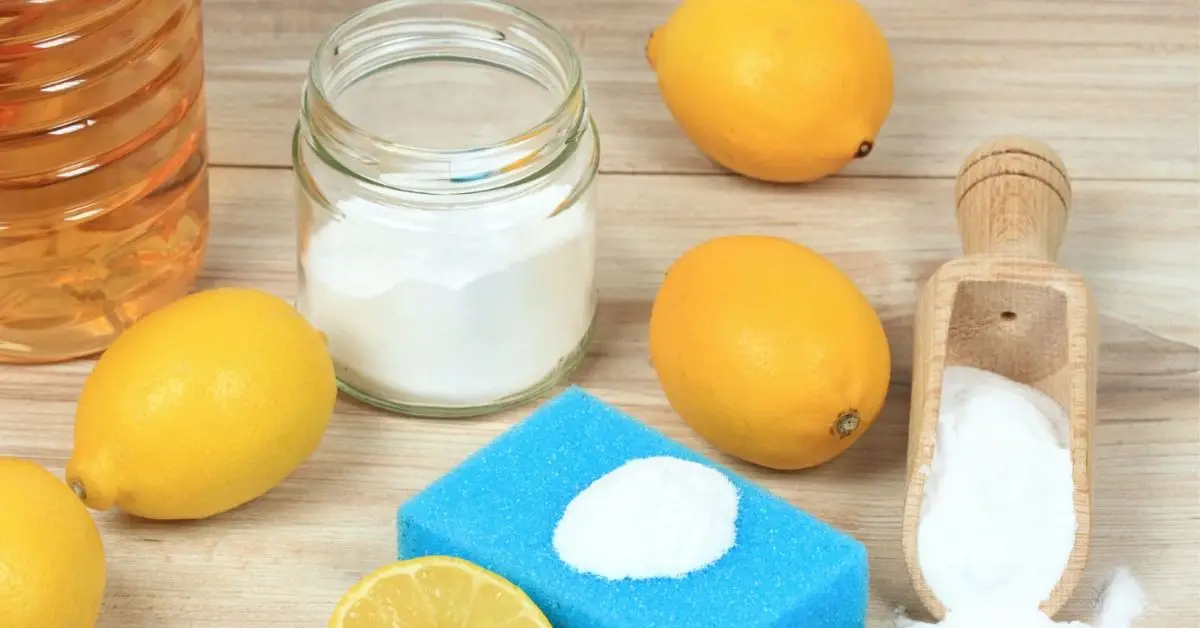
On its own, salt is solid. But when you pair it with the right natural ingredient, it becomes far more effective.
I use combinations depending on the problem:
- Salt + lemon for stains and smells
- Salt + warm water for everyday buildup
- Salt + vinegar or baking soda for deeper cleaning
Even trusted lifestyle brands like Better Homes & Gardens highlight how these natural combos make salt more powerful—without harsh chemicals. That kind of validation matters when you’re trying something new.
1. Coffee and Tea Mugs — Get Rid of Stubborn Stains
If you drink coffee or tea daily, you already know the problem. Those brown rings don’t care how much you rinse.
I’ve cleaned mugs that looked permanently stained using nothing more than salt and a little patience.
Here’s what actually works:
- Sprinkle salt directly into the mug
- Add a few drops of warm water or lemon juice
- Gently scrub with a sponge or cloth
Salt’s texture lifts tannin stains instead of just smearing them around. This method shows up again and again in cleaning guides from brands like The Spruce, and for good reason—it works without damaging the glaze.
2. Cast Iron Cookware — Clean Without Stripping Seasoning
Cast iron scares people because one wrong move can ruin the seasoning. I’ve been there.
That’s exactly why salt is so useful here.
Why salt works for cast iron:
- It scrubs food residue without removing the oil layer
- No soap means no risk of stripping seasoning
- Heat activates the cleaning process naturally
Two reliable methods I’ve used:
- Dry scrub: Coarse salt + paper towel for stuck bits
- Salt + heat: Warm pan, add salt, scrub gently
Professional cleaners often warn against soap on cast iron, and salt is one of the safest alternatives because it cleans mechanically, not chemically. You can read more from cleaning pros at Clean My Space.
Before we move to the next item, let me ask you—
do you use salt more in your kitchen or your cleaning routine right now?
3. Cutting Boards — Remove Odors & Stains Naturally
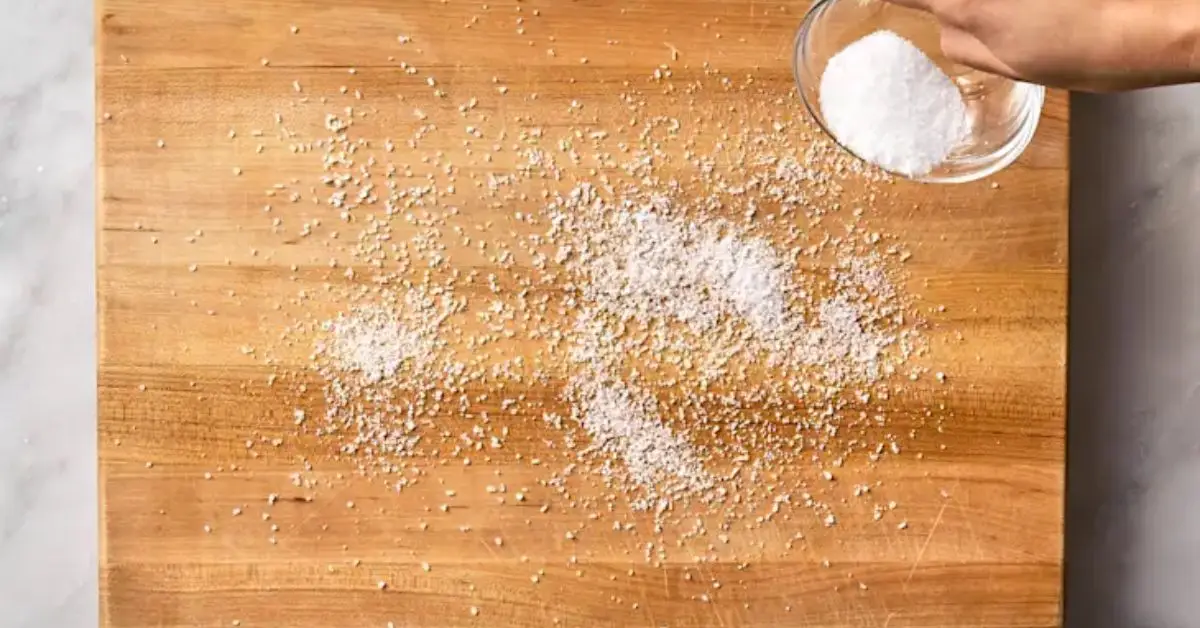
If you cook regularly, you know how stubborn cutting board smells can be. Garlic, onions, or leftover juices can linger no matter how much you rinse. I’ve found that salt is a simple solution that actually works.
Here’s what I do:
- Sprinkle a generous layer of salt over the board
- Rub it with a cut lemon, squeezing slightly to release juice
- Let it sit for a few minutes, then rinse with warm water
A few extra tips:
- For wooden boards, always dry upright to prevent warping
- For plastic boards, you can scrub a bit more aggressively without worry
- No harsh bleach or chemicals are needed, and the results are surprisingly fresh
4. Tile Grout and Bathroom Surfaces — Brighten Without Harsh Cleaners
Bathroom cleaning can be a pain, especially grout lines. I’ve tried store-bought scrubs, and honestly, salt is often just as effective.
How I use it:
- Make a paste with salt and a little dish soap or baking soda
- Apply it to grout lines or tiles and scrub gently with a brush
- Rinse thoroughly with warm water
Some things to keep in mind:
- On sealed stone or delicate surfaces, use light pressure to avoid scratches
- Salt works best on stubborn stains and light buildup, but heavy mold may still need specialized products. For tougher grout stains or a complete bathroom refresh, combining salt with vinegar works wonders—see our complete shower cleaning guide with vinegar tips to get the best results.
5. Slow Drains — Salt to Deodorize and Loosen Buildup
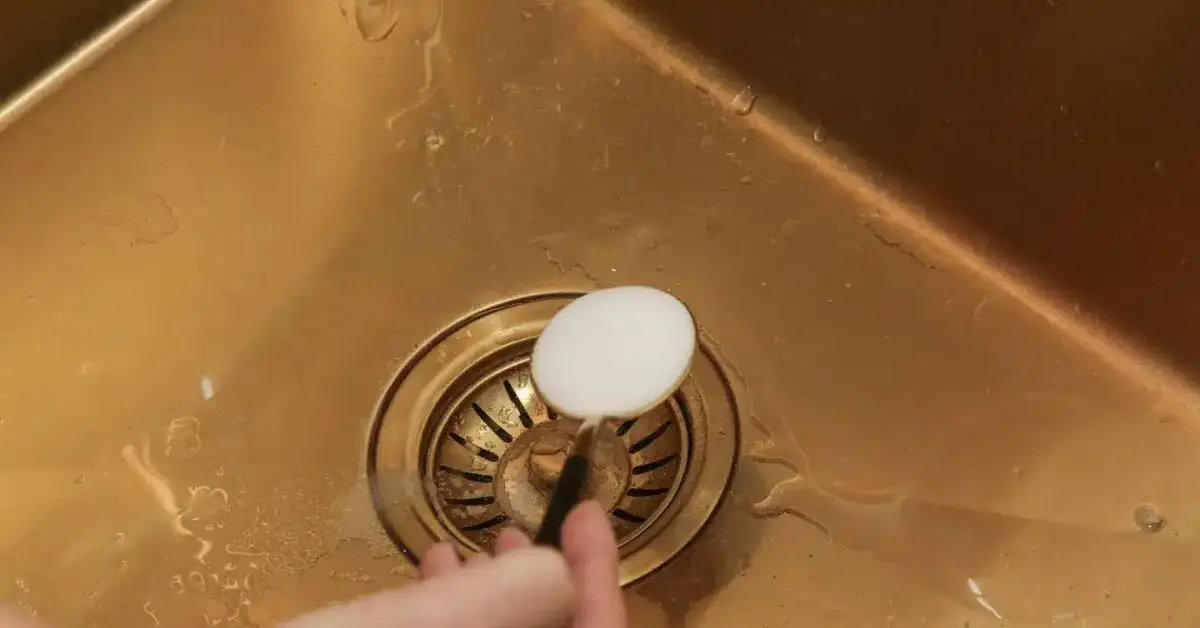
This one surprised me when I first learned it. Salt can help freshen slow drains and even loosen minor buildup without harsh chemicals.
Here’s the method I follow:
- Pour half a cup of salt down the drain
- Add half a cup of baking soda, then pour in a cup of vinegar
- Let it fizz and sit overnight, then flush with hot water
Some notes:
- It’s great for deodorizing and minor clog prevention. You can also combine salt with baking soda for drains and toilets—the same way you’d use it for minor clogs and deodorizing—check out our eco-friendly baking soda toilet cleaning tricks for more ideas.
- For serious clogs or plumbing issues, call a professional instead of relying solely on this trick
6. Clothes & Linens — Pretreat Stains Naturally
We all have that one favorite shirt or linen that takes a beating from coffee, wine, or sauces. Salt is a surprisingly effective pretreatment.
What I do:
- Sprinkle salt directly on the stain immediately
- Let it absorb excess liquid for a few minutes
- Rinse or wash as usual
It works well compared to commercial stain removers for fresh stains, especially if you catch them early. It’s a small change, but it saves a lot of frustration.
7. Metal and Glass — Shine, Rust & Lime Spot Removal
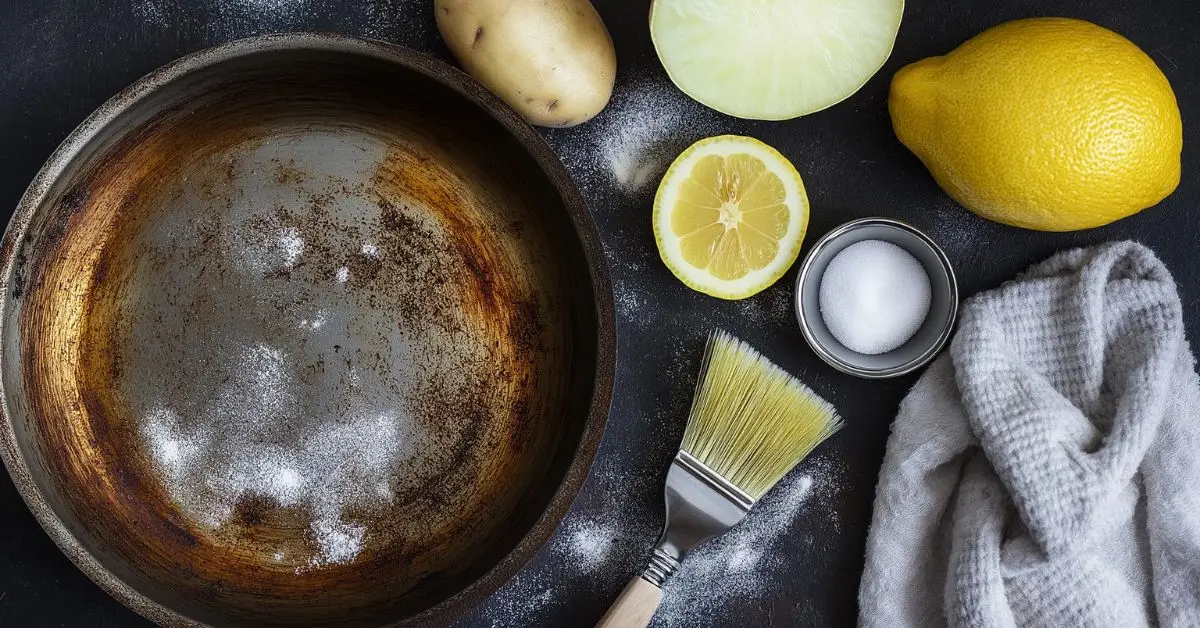
Rust, water spots, and mineral deposits can make metal and glass look dull. Salt is perfect for gentle polishing.
How I use it:
- Mix salt with a little vinegar or club soda to form a paste
- Rub the affected areas gently
- Rinse and buff with a clean cloth
Tips:
- Avoid using salt on plated finishes or delicate metals that might scratch
- Regular use keeps glassware and flatware looking fresh without harsh chemicals
8. Kitchen Surfaces and Hard Spills — Grease & Burnt Food
Grease and burnt food can make cooking areas miserable. Salt can absorb and loosen fresh messes before they set.
Here’s my approach:
- Sprinkle salt directly over fresh spills to absorb moisture
- For greasy pans, add a little hot water and rub gently
- Wipe counters and stovetops before the mess becomes stubborn
Even in busy kitchens, this little trick can save time and energy, making cleanup much less stressful.
Bonus Tips: Creative Salt Cleaning Hacks You Might Not Expect
Even after using salt for years, I keep discovering new ways to make it work harder around the house. Here are a few hacks that most people don’t think about:
- Fridge freshener: Sprinkle a thin layer of salt in the fridge to absorb lingering odors.
- Artificial plants: Shake salt inside a bag with faux plants to remove dust from hard-to-reach leaves.
- Hard-to-reach corners: Use a small bag of salt to dust stalactite-like corners and tricky nooks.
- High-touch surfaces: Wipe door handles, drawer pulls, and other frequently touched spots with salt to freshen and reduce buildup.
These tricks are simple, low-cost, and eco-friendly, yet they make your home feel noticeably cleaner. If you want to keep your floors smelling fresh while cleaning, you can pair salt with other natural additives in your mop water—explore our 8 simple add-ins for fresh-smelling mop water for more tips.
What Not to Clean With Salt — Safety & Surface Restrictions
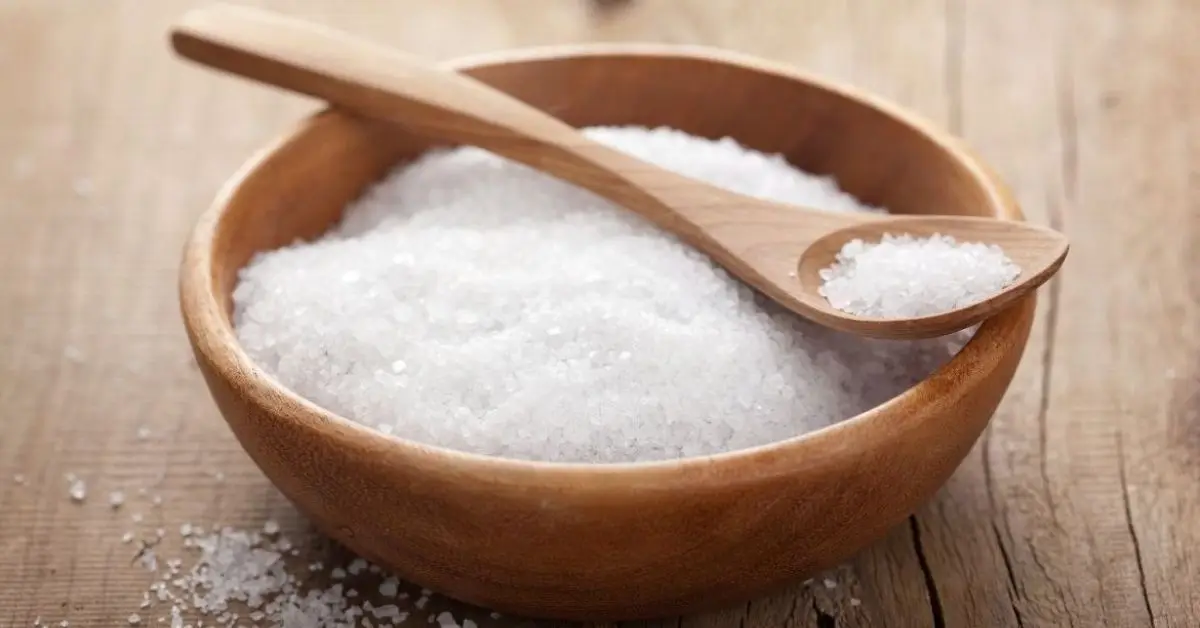
Salt is powerful, but it’s not magic. You need to know where to avoid using it:
- Soft metals and lacquered wood: Salt can scratch or corrode delicate surfaces.
- Abrasive backfire: On sealed stone or polished finishes, rubbing too hard can damage the surface.
- Pets & allergies: Keep salt away from pets’ water bowls or areas they frequent; some may irritate.
Being aware of these limits helps you avoid accidents and keeps your cleaning safe and effective.
Scientist & Pro Tips — Insider Tricks
I like to see what pros and real users are doing because they often solve problems we wouldn’t think of. Here’s what I’ve learned:
- Some professional cleaners swear by salt + vinegar for stubborn stains—it works like a mild, controlled chemical reaction without harsh chemicals.
- Reddit and cleaning forums are full of experiments with salt: people have revived coffee-stained mugs, dingy cutting boards, and even minor rust spots using nothing but salt combinations.
- Pro tip: always test salt on a small area first; you’ll get the benefit without risking damage.
Following real-world advice like this gives you confidence that these hacks aren’t just theoretical—they work in actual homes.
Wrap-Up — Maximize Your Pantry for Smarter Cleaning
Salt isn’t just a seasoning—it’s a multi-tasking cleaning tool you already have. By using it thoughtfully, you can:
- Remove stains and odors
- Freshen surfaces and fabrics
- Handle small kitchen disasters quickly
Quick dos & don’ts checklist:
- Do: Pair with lemon, vinegar, or baking soda for extra power
- Do: Test on a small area if unsure about surface sensitivity
- Don’t: Overuse on delicate metals or sealed stone
I’d love to hear from you: which salt cleaning hack are you going to try first? Or do you already use salt in ways I didn’t mention? Drop your thoughts in the comments below.
And if you want more practical, hands-on tips to keep your home looking and feeling like new, check out my website Build Like New.
Disclaimer: The cleaning tips in this article are for general household use. Always test on a small area first, and avoid using salt on delicate or sealed surfaces that may scratch or corrode. For serious stains, clogs, or damage, consider consulting a professional.