Your Floors Will Smell Amazing After Adding These 8 Things to Mop Water
You mop the floor, step back, take a breath—and instead of “clean,” the room smells flat, damp, or just… off. I’ve been there. Most people assume mopping equals freshness, but the truth is, plain water (or even the wrong cleaner) often leaves floors clean-looking, not clean-smelling.
After years of testing cleaning routines, reading what pros actually recommend, and watching real homeowners complain online about this exact issue, one thing is clear: the smell comes down to what you add to your mop water—and how you use it. Not more product. Not stronger chemicals. Just smarter add-ins.
If you’ve ever wondered what can I add to mop water to make floors smell good without damaging them, you’re asking the right question. The good news is, the solution is usually already in your kitchen or laundry room. The better news? When used the right way, these simple add-ins don’t just mask odors—they help stop them from coming back.
Let me walk you through what actually works, what’s safe for real homes (kids, pets, wood floors included), and why some popular tips quietly fail. Before we get into the add-ins, let me ask you this: what do you want your floors to smell like—clean, fresh, or comforting?
Why Your Floor Still Smells After Mopping
If I’m being honest, this is the part most cleaning articles rush through—and that’s exactly why people stay confused. When a floor smells bad after mopping, it’s rarely because you didn’t add the right scent. More often, the problem is already there before the mop even touches the floor.
Here’s what usually goes wrong:
- Dirty mop heads spread odor, not remove it: If your mop smells even slightly musty, you’re basically dragging old bacteria across the floor. Warm water activates that smell instead of cleaning it away.
- Mop water turns dirty fast: Once the water picks up grease, pet residue, or food particles, you’re no longer cleaning—you’re redistributing grime. That’s when floors dry with a sour or stale smell.
- Bacteria thrive in moisture: Kitchens, bathrooms, and entryways hold onto moisture longer. If odor-causing bacteria aren’t neutralized, fragrance just sits on top of the problem.
- Leftover floor residue reacts with cleaners: Old polish, soap film, or previous cleaners can react with new products. The result is that strange “clean-but-not-fresh” smell many people complain about.
This is why simply adding more scent rarely works. According to cleaning experts cited by The Spruce, odor control works best when floors are actually neutralized first, not just perfumed.
Before you jump into mixing add-ins, do these quick fixes:
- Rinse or replace your mop head regularly
- Change mop water halfway through large rooms
- Avoid soaking floors—damp is better than wet
- Let floors fully air-dry with some ventilation
Once this base is right, add-ins start working the way you expect them to.
How to Safely Use Add-Ins Based on Your Floor Type
This is where most advice online quietly fails you. Not every “natural” or “popular” add-in is safe for every floor. I’ve seen perfectly good hardwood get dull and stone floors get etched—just because the wrong ingredient was used.
Here’s how I think about it, and how you should too.
Hardwood & engineered wood
These floors hate excess moisture and acidic solutions.
- Avoid: vinegar, lemon juice, strong essential oil mixes
- Safer options: mild soap, very diluted essential oils
- Tip: always wring the mop almost dry
Tile & sealed surfaces
More forgiving, but residue still matters.
- Can handle: vinegar, citrus, baking soda (dissolved)
- Watch out for: slippery film from oils or fabric softener
- Tip: rinse once with plain water if scent feels heavy
Natural stone (marble, granite, slate)
This is where people make expensive mistakes.
- Avoid completely: vinegar, citrus, anything acidic
- Best choices: neutral pH cleaners, very light fragrance
- Tip: if it fizzes on stone, don’t use it
Just like acidic add-ins can permanently damage stone floors, steam mops are also unsafe for many surfaces—so before using one, it helps to know exactly where they should never be used, as explained here: thinking of using a steam mop? these 6 items say absolutely not.
Laminate & vinyl
Durable, but streak-prone.
- Avoid: thick soaps, heavy oils
- Better options: diluted cleaners with light scent
- Tip: less product = better smell once dry
A simple rule I follow: If an add-in cleans but leaves residue, the smell won’t stay fresh. Neutral additives clean first. Fragrance comes second.
Before moving on, think about this: Do you want your floor to smell strong while wet, or smell clean after it dries? That answer will decide which add-ins actually work for you.
Add-In #1: Essential Oils for Long-Lasting Freshness
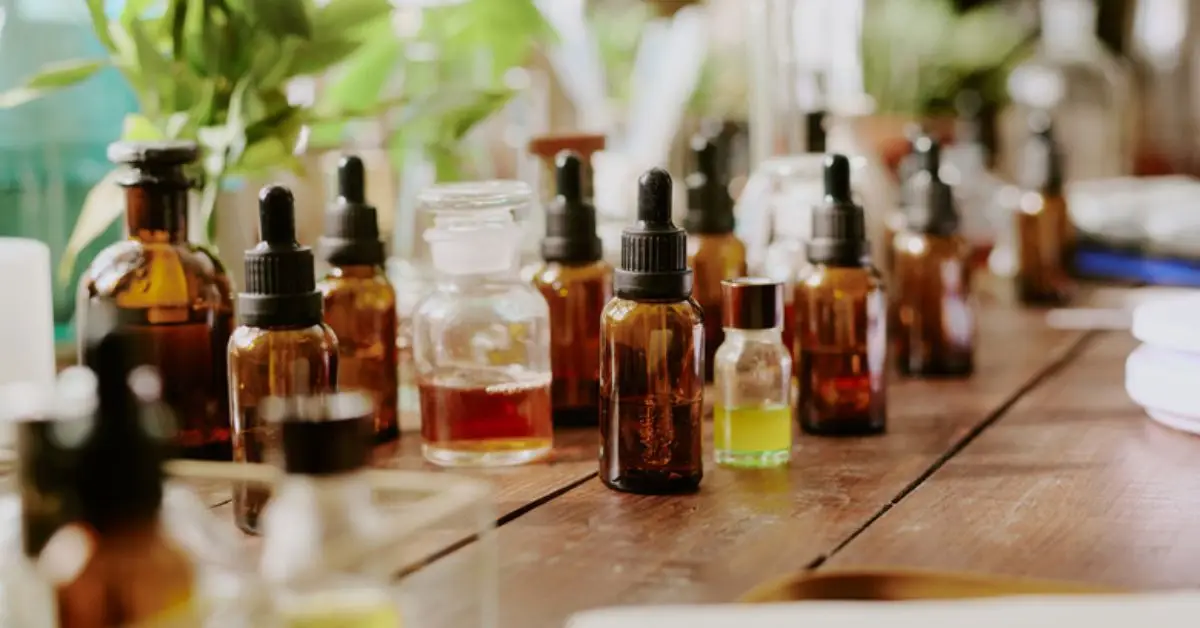
This is the add-in most people search for—and also the one most people mess up. I use essential oils myself, but only when I’m clear on why I’m using them and how little is actually needed.
Essential oils work because they don’t just add scent; many of them help fight odor-causing bacteria. That’s the real win.
Best essential oils for floors
- Lemon: clean, bright, cuts through stale smells
- Lavender: calming, great for bedrooms and living areas
- Eucalyptus: fresh, sharp, ideal for bathrooms and entryways
How much to use (this matters)
- 5–10 drops per gallon of warm water
- Always mix with something neutral (mild soap or vinegar) so oil doesn’t float on top
Pros
- Smell lingers after drying
- Customizable scent
- Small amount goes a long way
Cons you should know
- Too much oil = slippery floors
- Some oils aren’t pet-safe
- Oil alone doesn’t clean—only scents
If you have pets or kids, always dilute well and skip heavy oils like tea tree. A light scent that fades naturally is better than a strong one that hangs in the air.
Add-In #2: Fresh Citrus or Citrus Infusion
If you want your home to smell genuinely fresh—not perfumed—this is one of my favorite options. Citrus doesn’t just smell clean; it neutralizes bad odors.
You can do this two ways:
Quick method
- Add 2–3 tablespoons of fresh lemon or orange juice to mop water
- Best for kitchens, dining areas, and tile floors
Infused method (stronger but gentler)
- Simmer citrus peels in water for 10–15 minutes
- Let it cool, strain, and add to mop bucket
- Smells natural and doesn’t overpower
When to avoid citrus
- Hardwood floors
- Marble, granite, or other natural stone
- Any surface that reacts badly to acidic cleaners
Citrus works because mild acidity breaks down odor residue, which is why cleaning experts often recommend it for food and pet smells. Yahoo Lifestyle has highlighted citrus as a practical, low-risk option when used correctly.
Add-In #3: Baking Soda — Smell Neutralizer
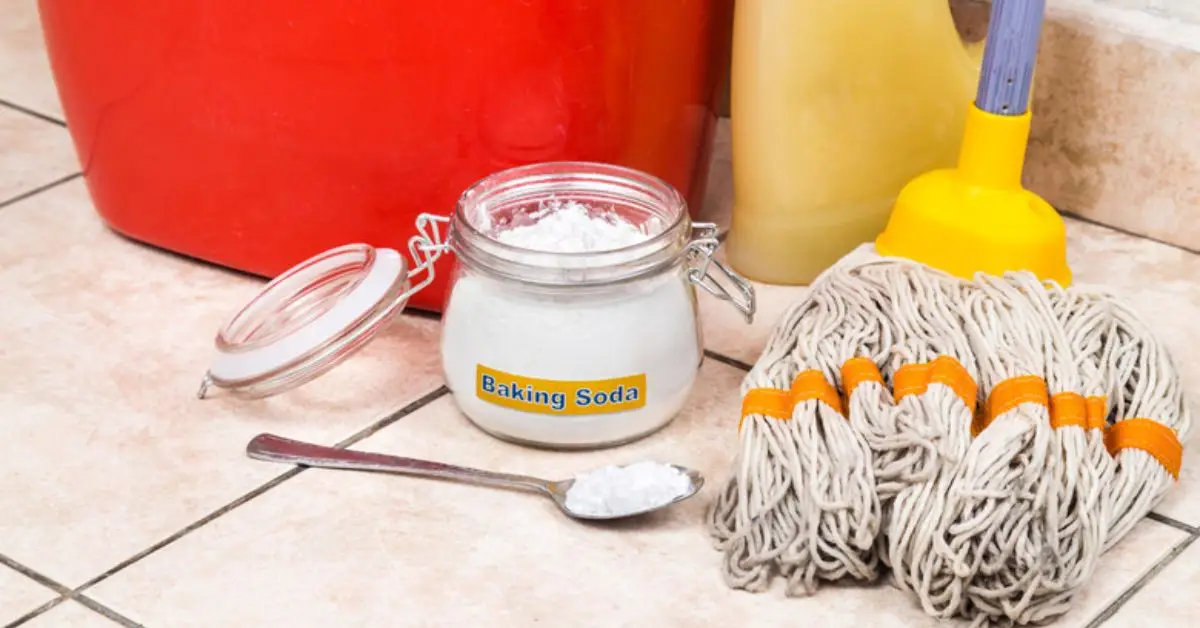
Baking soda doesn’t get enough credit here. It doesn’t add fragrance, but it removes the reason floors smell bad in the first place.
This is what I reach for when:
- Pets are involved
- Entryways smell musty
- Kitchens hold onto food odors
How it works
Baking soda absorbs odor molecules instead of covering them up. That’s why it’s so effective in mop water.
Best ratio
- 1–2 tablespoons per gallon of warm water
- Stir until fully dissolved
Best use cases
- Pet areas
- Mudrooms
- Tile and vinyl floors
Tip: pair baking soda with a few drops of essential oil if you want light scent after neutralizing odor.
Add-In #4: Mild Soaps (Dish Soap & Castile)
Sometimes smell issues aren’t about scent at all—they’re about leftover grease or grime. That’s where mild soap helps.
When dish soap makes sense
- High-traffic areas
- Kitchen floors
- Sticky or greasy spots
Use only:
- 1 teaspoon per gallon of water
More than that, and you’ll get streaks and residue.
Why castile soap is better for scent
- Plant-based
- Comes in natural scents (peppermint, citrus, lavender)
- Less residue than regular dish soap
What to avoid
- Thick soaps
- Scent boosters meant for laundry
- Anything that leaves a slippery feel
The goal isn’t bubbles—it’s clean floors that don’t trap odor once dry.
Before moving on, think about this: Do you want your floor to smell good immediately, or still smell clean hours later? That answer will decide which add-in works best for you.
Add-In #5: White Vinegar for Odor Neutralizing
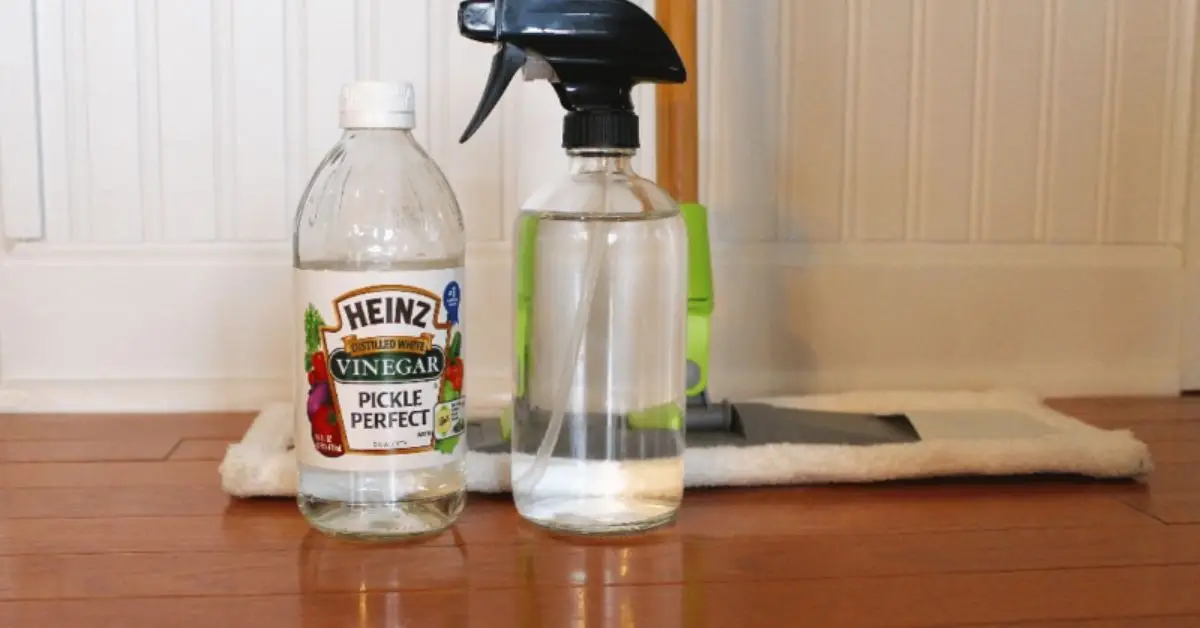
I’ll be very clear here—vinegar is not about fragrance. I reach for it when a floor smells wrong, not when I want a “nice scent.” If your floor smells bad even after mopping, vinegar usually fixes what fragrance can’t.
How vinegar works on smell vs. scent
- It breaks down odor-causing residue (pets, food, mildew)
- The sharp vinegar smell disappears as the floor dries
- You’re left with a neutral, clean-smelling space—not a masked one
How I use it
- ½ cup white vinegar per gallon of warm water
- Mop damp, never dripping
- Let the floor air-dry fully
Vinegar + oil combo (only if needed)
If you want a light scent after neutralizing odor:
- Mix vinegar and water first
- Add 5–8 drops of essential oil
- Stir well so oil doesn’t sit on top
Avoid vinegar on
- Hardwood or engineered wood
- Marble, granite, or other natural stone
- Floors with worn sealant
This neutral-first approach is often recommended in mainstream cleaning advice, including tips shared by AOL Lifestyle, where vinegar is positioned as an odor fixer—not just a cleaner.
Add-In #6: Vanilla Extract & Sweet Botanical Boosts
This is where you step away from that sharp “cleaner smell.” When I want warmth and comfort, I use ingredients that smell familiar—like something you’d actually want your home to smell like.
Vanilla extract
- 1 teaspoon per gallon of mop water
- Best for living rooms and bedrooms
- Soft, cozy scent that doesn’t overpower
Herbal options that work well
- Mint: fresh but gentle
- Rosemary: clean, earthy
- Cinnamon sticks: warm and comforting
How to use herbs
- Steep herbs in hot water for 10–15 minutes
- Strain and add the liquid to mop water
- Never leave plant bits in the bucket
When to avoid
- Don’t sprinkle powdered spices directly
- Skip heavy extracts on delicate floors
These options don’t scream “just cleaned”—they quietly make the space feel better.
Add-In #7: Fabric Softener or Fragrance Booster (Optional)
This one divides people—and I get why. Fabric softener can make floors smell amazing, but it’s not something I’d use all the time.
How much is safe
- 1 teaspoon per gallon of water
- That’s it—more causes problems
Why it works
- Designed to cling to fibers
- Leaves a noticeable, lasting scent
Downsides you should know
- Can leave a slippery film
- Builds residue over time
- Not great for kitchens or bathrooms
Best places to use it
- Bedrooms
- Hallways
- Low-traffic areas
Think of this as an occasional trick, not a weekly habit.
Add-In #8: Commercial Floor Cleaners with Pleasant Scent
Sometimes you just want something ready-made—and that’s fine. I only suggest being a bit smarter about how you choose and use it.
What I look for on the label
- Floor-specific (wood, tile, laminate)
- “No residue” or “rinse-free”
- Mild, not overpowering fragrance
Scent strength vs. scent life
- Strong scent doesn’t mean it lasts longer
- Clean floors hold scent better than heavily perfumed ones
How to dilute properly
- Follow the label exactly
- Don’t “add extra” for more smell
- Overuse traps dirt and kills freshness over time
Before you move on, pause and ask yourself: Are you trying to remove an odor, or just add a pleasant smell?
Once you’re honest about that, choosing the right add-in becomes much easier.
Pro Tips to Make the Scent Last Longer
Most people focus only on what they add to mop water. In my experience, how you mop matters just as much. This is where many ranking articles fall short—and why the scent disappears within minutes.
Mop damp, not soaked
- A dripping mop floods the floor and traps odor
- A well-wrung, damp mop lets scent settle instead of evaporating
- Floors dry evenly, which helps fragrance last longer
Clean bucket = cleaner smell
- Old residue inside the bucket mixes with fresh water
- That muddy smell cancels out even the best add-ins
- Rinse the bucket before every mop session
Ventilation is not optional
- Open windows or turn on fans
- Airflow helps bad odors escape instead of settling
- Floors that dry faster hold scent better
Common Mistakes That Kill Floor Smell
I see these mistakes again and again—and they quietly undo all your effort.
Using too much of a good thing
- More oil doesn’t mean more freshness
- Heavy scent often turns stale once dry
- Light fragrance always lasts longer
Mixing the wrong ingredients
- Never combine acids with bleach
- Avoid random chemical mixing
- Stick to simple, intentional combos
Not rinsing old residue
- Soap film traps dirt and odor
- Floors may look clean but smell dull
- Occasional plain-water rinse helps reset the surface
If your floor smells worse a day later, one of these mistakes is usually the reason. If you want to understand which everyday mopping habits actually make floors dirtier and smellier—like reusing dirty water, using too much cleaner, or poor mop technique—this guide breaks it down clearly: 11 worst mopping mistakes that are making your floors filthy.
Quick “Mix Chart” Cheat Sheet
When you don’t want to overthink it, these combinations just work:
- Odor removal first:
Vinegar + water
Baking soda + water - Fresh and natural:
Citrus infusion + water
Herbs (mint, rosemary) + water - Clean with light scent:
Mild soap + essential oil - Stronger fragrance:
Commercial cleaner (properly diluted)
Keep ratios light. If you smell the mix strongly in the bucket, it’s probably too much.
Safety & Pet/Child Considerations

This matters more than scent—and many articles barely mention it.
Be careful with essential oils
- Tea tree, eucalyptus, and peppermint can bother pets
- Always dilute heavily
- Avoid oils where pets lie on the floor
Beyond essential oils, many everyday floor cleaners can also be harmful to pets, which is why pet owners need to be extra careful—this guide highlights what to avoid in detail: pet owners, stop using these 6 toxic cleaners at home.
Watch for slip risks
- Oils and fabric softeners can leave floors slick
- Especially risky for kids, pets, and stairs
- If it feels slippery underfoot, reduce or stop using it
When in doubt, neutral and mild beats strong and scented.
Final Scent Strategy Summary
Here’s the simplest way to decide:
- Want natural freshness → citrus, herbs, essential oils
- Need to remove bad odor first → vinegar or baking soda
- Want noticeable fragrance → commercial cleaners (used correctly)
Clean first. Neutralize next. Add scent last.
Before you go— What’s the biggest issue you face when mopping: bad odor, scent not lasting, or floor type confusion?
Drop it in the comments—I read them all.
And if you want more practical, no-fluff home care guides, visit Build Like New. That’s where I share what actually works in real homes, not just what sounds good online.
Disclaimer: The tips shared here are for general home cleaning guidance only. Always check your floor manufacturer’s care instructions and do a small patch test before trying any new mop water add-in. Use caution around pets and children, and stop using any ingredient if it causes residue, damage, or irritation.