8 Bedroom Styling Mistakes That Secretly Clutter Your Space (and How to Fix Them)
I’ve spent countless hours helping people transform their bedrooms, and one thing keeps coming up: even after a deep clean, the room still feels… off. You know that uneasy feeling when everything is technically in place, but the space somehow looks chaotic, cramped, or just messy? That’s not your imagination—it’s usually not about dirt at all.
More often, it’s the little styling choices we make without realizing it: crowded surfaces, mismatched decor, or furniture that doesn’t quite fit. These small mistakes quietly pile up, creating visual clutter that overwhelms the eye. And the frustrating part? Most advice online just tells you to “declutter” or “organize,” without showing why your bedroom still feels messy or how to fix it in a way that actually looks intentional.
In this article, I want to break down the most common bedroom styling mistakes I see, why they make your space feel cluttered, and—most importantly—how you can fix them quickly. By the end, you’ll know exactly what’s sabotaging your serene space and how to create a bedroom that feels calm, clean, and put together.
Why Your Bedroom Still Feels Messy (Even After Tidying Up)

Have you ever spent hours tidying your bedroom, only to step back and feel like nothing really changed? I’ve been there too, and it can be incredibly frustrating. The truth is, clutter isn’t always about dirt or laundry lying around. Even if you follow all the right cleaning routines, some habits can unintentionally affect how your bedroom feels and even impact your sleep—this guide on 10 bedroom cleaning habits sleep experts say could be ruining your sleep dives into exactly what to watch for. Most of the time, it’s about how your room is styled—the visual weight of your furniture, the layout, and even the way objects are grouped.
Even small missteps, like stacking too many pillows or letting cords snake across surfaces, can create a subtle chaos that your brain picks up on immediately. And it’s not just me saying this—people across communities like Reddit’s decluttering forums often share that the arrangement, scale, and balance of furniture make a bigger difference than simple cleaning ever could.
Here’s what usually happens:
- Surface clutter dominates the eye: Even if everything has a “place,” crowded nightstands or dressers feel messy because your eyes can’t rest anywhere.
- Scale and placement matter: Oversized furniture or items crammed into corners disrupt the visual flow, making the room feel smaller and busier.
- Decor overload confuses the brain: Too many small decor pieces on walls or shelves can subconsciously signal disorder.
Understanding this is key, because once you see clutter as a styling issue, not just a cleaning problem, the fixes become clearer—and much easier to implement.
Mistake #1: Crowded Nightstands and Surface Clutter
If there’s one area that can instantly make a bedroom look messy, it’s your nightstand. I’ve noticed it countless times—people meticulously clean their floors and make their beds, but the nightstands are overflowing with random items. That stack of books, scattered chargers, a half-empty water glass… it all adds up. Your nightstand is one of the first things your eyes land on when you walk into the room, so even a small amount of clutter can dominate the visual space.
Here’s why it matters:
- Visual anchor: Nightstands frame your bed. If they’re messy, your whole bedroom feels chaotic.
- Mental clutter: Seeing too many items makes your brain feel unsettled, even if the room is technically clean.
- Distraction from design: A cluttered surface can overpower carefully chosen decor or calming color palettes.
Quick fixes I swear by:
- Keep only essentials on top: a lamp, a clock, and maybe one personal item you love.
- Use trays or small boxes to corral loose items like jewelry, remotes, or glasses.
- Manage cords by using clips or hiding chargers in drawers—no tangled wires snaking across surfaces.
- Rotate items seasonally: if you love candles or decorative pieces, don’t keep everything out at once.
Once you clear the nightstands, the room feels instantly calmer, like it finally has breathing space. And honestly, that small change can make you feel like the whole bedroom just “clicked.”
Mistake #2: Too Many Throw Pillows and Bedding Layers

I get it—you want your bed to look cozy, inviting, and Pinterest-worthy. But here’s the problem: piling on too many pillows and layers of blankets can actually make your bedroom feel chaotic instead of comforting. Your bed is the largest visual element in the room, and when it’s overloaded, it competes with everything else for attention. Even if the floor is spotless, your eyes instantly perceive the clutter on the bed first.
Here’s what usually goes wrong:
- Pillow overload: A mountain of decorative pillows can look cute in a photo, but in real life, it’s visually heavy.
- Excess blankets and throws: Too many layers create a sense of disorder and make the bed hard to maintain.
- Seasonal mismatch: Keeping all blankets out year-round can feel messy and unnecessary.
Simple fixes I’ve seen work every time:
- Stick to 2–3 decorative pillows at most, plus your sleeping pillows.
- Limit throws to one main blanket and rotate it with seasonal layers.
- Use matching or complementary colors to reduce visual noise.
- Fold or store extra blankets in a basket at the foot of the bed to keep the surface clean.
When you simplify your bedding, the bed instantly becomes a calming focal point rather than a source of clutter. It’s amazing how a few small changes here make the whole room feel more put together and serene.
Mistake #3: Visible Cables and Tangled Electronics Everywhere
I can’t tell you how many bedrooms I’ve walked into where the floor is spotless… but cords are snaking across the nightstand, dresser, and even the floor. Even small tangles instantly make a room feel messy. Your brain picks up on every little visual interruption, and those cords silently scream “cluttered,” no matter how clean everything else is.
Here’s why it matters:
- Small clutter adds up fast: One tangled cord turns into a visual mess that overshadows tidy surfaces.
- Distracts from your decor: Even beautiful decor and clean bedding get lost in the chaos.
- Stress factor: Seeing a jumble of electronics every day creates subconscious tension.
Easy fixes I use myself:
- Use cable clips or sleeves to keep cords together and out of sight.
- Consider a concealed charging drawer to hide devices while they charge.
- Limit electronics on bedside tables—keep only the essentials.
Once you manage cords properly, the room feels instantly cleaner and calmer. It’s a small change with a surprisingly big impact.
Mistake #4: Too Much Furniture or Wrong Scale Pieces
I often see people fill their bedrooms with “just in case” furniture—an extra chair, a big dresser, or oversized bedside tables. Even if each piece is useful, too many or too-large items block sightlines and make your room feel crowded. Sometimes it’s not just about scale—removing unnecessary items can transform your room instantly. Check out this list of 12 things you need to remove from your bedroom now to create more breathing room. Your brain interprets the blocked space as chaos, even if everything has a place.
Why this matters:
- Overwhelms visual flow: Large or excess pieces make the room feel cramped.
- Shrinks perceived space: Even a spacious room can feel tight with the wrong furniture.
- Hides your style: Beautiful elements get lost when the room feels busy.
How I fix it:
- Edit down to essentials: Only keep pieces that you use daily.
- Pick the right scale: Choose furniture that fits the proportions of your room.
- Reevaluate layout zones: Remove or repurpose areas that aren’t functional.
Trust me, once you remove unnecessary pieces, the room instantly feels airy and intentional. It’s amazing how much “breathing room” can change the vibe.
Mistake #5: Open Storage Without Organization
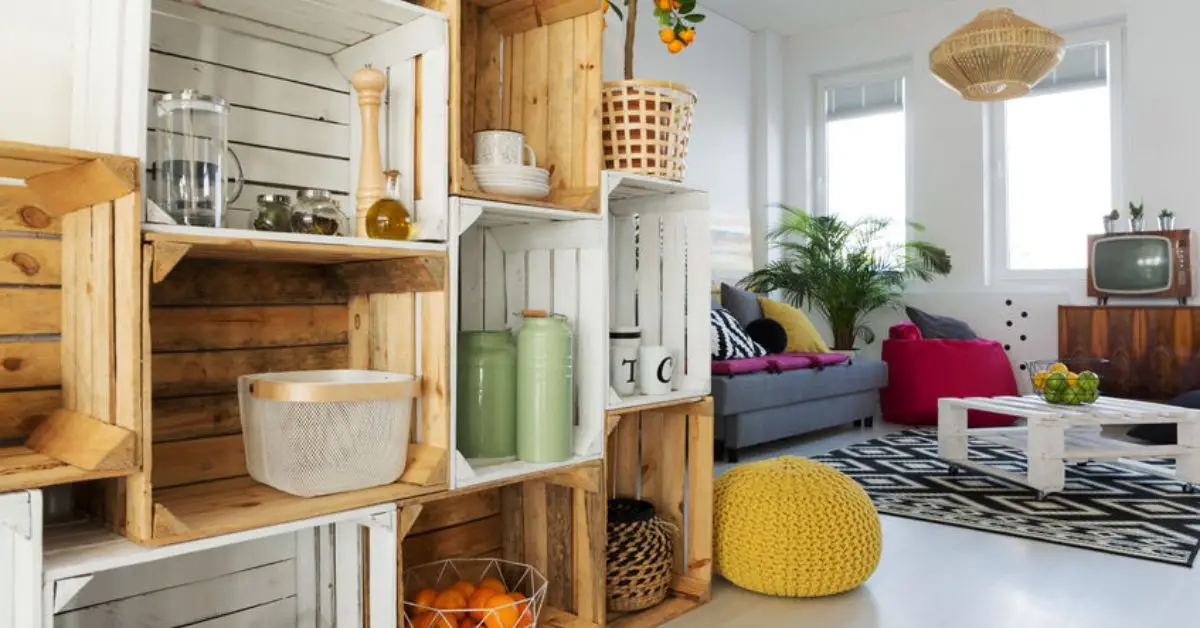
Open shelving and cubbies can look great in photos, but in real life, they can quickly become clutter traps. When items aren’t curated or grouped intentionally, they multiply visual elements and make the room feel chaotic—even if everything technically has a spot.
Here’s why it’s a problem:
- Creates visual chaos: Too many visible items compete for attention.
- Distracts from calm design: Your curated color palette or focal pieces get lost in the mess.
- Adds stress: The constant awareness of disorganization subconsciously stresses you out.
Practical fixes I rely on:
- Use baskets, boxes, or bins to group small items and hide clutter.
- Close shelving when possible with doors or panels.
- Curate open displays: keep only items you love, rotate seasonal objects.
If you want a guide to choosing the right storage solutions, this Southern Living article on smart bedroom storage has some really practical ideas that I often reference—it inspired a few of my own tweaks in my bedroom.
Mistake #6: Overdecorating Vertical Walls (Too Many Small Pieces)
I’ve walked into bedrooms where every wall is covered in tiny frames, knick-knacks, or hanging trinkets. At first, it might seem cozy or personal, but what your eyes see is visual chaos. Crowded walls create noise, and your brain struggles to find a focal point—making the whole room feel busier than it really is.
Here’s why it matters:
- Visual overload: Too many small pieces compete for attention and distract from the room’s main features.
- Breaks calm vibes: Even tidy surfaces lose their impact when walls are chaotic.
- Makes space feel cluttered: Your brain reads a “busy” wall as disorder, even if everything else is neat.
How I handle it:
- Stick to one focal piece per wall whenever possible.
- Use minimal frame sets or grids rather than random clusters.
- Rotate wall decor seasonally to avoid permanent visual overload.
Mistake #7: Poor Lighting That Emphasizes Mess
Lighting is more powerful than most people realize. Harsh overhead bulbs or a single light source can highlight every imperfection—wrinkled sheets, tangled cords, even minor dust. On the other hand, well-planned lighting softens the room, creates cozy zones, and hides small clutter you don’t want constantly in view.
Here’s why lighting matters:
- Influences perception: Bright, direct light can exaggerate visual clutter.
- Shapes mood: Warm, layered light instantly makes a space feel more relaxing.
- Highlights design elements: Proper placement can make decor and furniture pop without distraction.
Fixes I use:
- Add bedside lamps or wall sconces to create layered light.
- Use dimmers to control brightness for different times of day.
- Stick to warm light bulbs to soften edges and shadows, making clutter less noticeable.
Mistake #8: Ignoring Color & Visual Continuity

I often see bedrooms where every pillow, blanket, and accessory is a different tone. Even when the room is clean, inconsistent colors fight for attention, creating visual noise. A cohesive color palette is like giving your eyes a map—they know where to focus, and the room instantly feels calmer.
Why this matters:
- Reduces visual noise: Fewer competing colors make your space feel intentional.
- Enhances flow: Matching walls, textiles, and frames help your eyes move smoothly across the room.
- Supports calmness: Cohesive palettes subconsciously signal order and restfulness.
Quick fixes I recommend:
- Choose one base palette (neutrals or pastels work well).
- Add one accent color to unify decor pieces.
- Coordinate frames, fabrics, and small accessories to maintain visual continuity.
If you want examples of cohesive palettes and real-life bedroom makeovers, It’s My Nest has some inspiring transformations that show how color and continuity instantly calm a space.
Intentional Styling Versus Clutter: Principles That Matter
At this point, you might be thinking, “That’s a lot of rules!” But the truth is, all these fixes follow the same underlying principles: scale, simplicity, and curation. When you understand the “why” behind each choice, applying these tips becomes second nature.
Here’s what I focus on when styling a bedroom:
- Scale: Bigger pieces anchor the room, but nothing should overwhelm the space.
- Simplicity: Less is more—remove items that don’t serve a purpose or bring joy.
- Curation: Every object, pillow, or frame should feel intentional, not random.
I always tell people that thoughtful styling isn’t about perfection—it’s about creating harmony. A designer I follow once said, “The calmest rooms are the ones that respect the eye’s need for rest.” And that’s exactly what we’re aiming for: a bedroom that feels orderly, welcoming, and intentional without being sterile.
Quick Checklist to Stop Messy Styling
Here’s a simple, do-it-now checklist you can follow to instantly make your bedroom feel cleaner and more intentional:
- Nightstands & Surfaces
- Keep only essentials: lamp, clock, or one personal item
- Use trays or small boxes for loose items
- Hide cords in drawers or with clips
- Bedding & Pillows
- Limit decorative pillows to 2–3
- Keep blankets minimal and rotate seasonally
- Match colors or textures for visual calm
- Cables & Electronics
- Group cords with clips or sleeves
- Conceal charging devices where possible
- Limit unnecessary electronics on surfaces
- Furniture & Layout
- Remove excess or oversized pieces
- Ensure furniture fits room scale and flow
- Create clear walking paths
- Open Storage & Wall Decor
- Use baskets or boxes for small items
- Curate open shelves and displays
- Limit wall art to one focal piece per wall or minimal frame sets
- Lighting & Color
- Layer lighting: bedside lamps, dimmers, soft bulbs
- Stick to one base color palette with one accent tone
- Coordinate frames, fabrics, and accessories for continuity
Check these off, and your bedroom instantly goes from chaotic to calm—without spending hours cleaning or buying new stuff. Once you’ve tackled clutter, adding a few simple updates can make your bedroom feel like new—these 10 easy DIY projects to upgrade your bedroom in no time are perfect for small, impactful changes.
Conclusion
Styling a bedroom isn’t just about tidying up—it’s about creating a space that feels intentional, calm, and welcoming. From clearing nightstands to managing cords, simplifying bedding, and curating decor, every small adjustment adds up. When you apply these tips, you’re not just decluttering; you’re designing a bedroom that supports rest, relaxation, and your everyday peace of mind.
I’d love to hear from you—what styling mistake do you struggle with the most? Drop your thoughts in the comments below and let’s share ideas. And if you want more tips and room-by-room guides, check out Build Like New for practical, real-life home styling advice you can actually use.
Disclaimer: The tips and advice shared in this article are for general informational and styling purposes. Results may vary based on individual bedroom layouts and personal preferences. Always use your judgment when implementing changes.