Indianapolis Mobile Home Fire Kills 80-Year-Old and 2 Pets
I still remember reading the initial report, and it hit me hard — an 80-year-old man lost his life early Monday morning in a mobile home fire on the south side of Indianapolis. One dog and one cat also didn’t make it. When I picture that scene, I can’t help but think about how quickly a home can turn into a trap.
According to the Indianapolis Fire Department, crews were called to a working mobile home fire with entrapment around 1:25 a.m. in the 4600 block of Matthews Way. By the time firefighters arrived, the trailer was fully engulfed in flames and partially collapsed just minutes later. At 1:40 a.m., officials reported live ammunition popping inside, making the rescue even more dangerous.
The fire was under control by 1:51 a.m., but the victim was not found until 2:08 a.m. The absence of any smoke alarms was noted at the scene. Reading through these details, it’s impossible not to feel the urgency and risk every homeowner faces — especially in mobile homes where fire can spread so fast.
Fire Department Response & Timeline

When I read the timeline from Fox 59, I felt a mix of awe and sadness. The Indianapolis Fire Department crews arrived on scene quickly after being dispatched at 1:25 a.m., but the situation was already critical. By 1:32 a.m., the trailer was fully involved in flames and had partially collapsed.
The report mentions live ammunition going off at 1:40 a.m., adding another layer of danger for the first responders.
Firefighters worked tirelessly to contain the fire, and by 1:51 a.m., it was under control. But it wasn’t until 2:08 a.m. that they located the 80-year-old resident. The human cost of these moments is staggering when you think about how fast a fire can take hold.
Reading these details, I realize how important it is to never underestimate how quickly a fire can escalate — even when help is just minutes away.
Lack of Smoke Alarms – A Critical Factor
One detail that keeps hitting me is the absence of working smoke alarms. The fire department confirmed they could not locate any in the home. According to WTHR, this factor likely played a huge role in the tragic outcome.
Think about it — a simple smoke alarm could have given precious extra minutes for the man and his pets. I’ve seen far too many reports where smoke alarms literally save lives, especially for elderly residents.
For you or anyone living in a mobile home, checking your alarms today isn’t just a suggestion — it’s a necessity.
Why Mobile Home Fires Are Particularly Dangerous?
I want to share why mobile homes are especially vulnerable. They’re built with lightweight materials that allow fires to spread faster than in traditional houses.
When you add factors like collapsed structures or, in this case, live ammunition, the risks multiply.
Reading this, I can’t help but think of the real-life implications. If you live in or visit a mobile home, you need to be aware of how quickly a fire can become life-threatening.
Planning escape routes and understanding the unique risks of mobile homes isn’t optional — it’s critical.
Fires in mobile homes can escalate quickly, as we’ve seen in past incidents — like this Erin mobile home fire where a resident was injured despite a quick response.
Losing Loved Ones at Home — Protecting Your Pets from Fire
It’s heartbreaking to know that the resident’s dog and cat didn’t survive. I can relate to how pets are part of the family, and losing them in a fire is devastating. This isn’t just about numbers; it’s about real lives and emotions.
Experts, including the ASPCA, recommend keeping pets in carriers during emergencies, having leashes or harnesses ready, and practicing escape plans that include them.
If you have pets, I urge you to think through your fire plan — those extra steps can literally save lives.
The rapid response of firefighters can make a huge difference, as seen in a row house fire in Washington that was extinguished early in the morning, preventing injuries.
Investigation & Cause
Right now, the fire’s cause is still under investigation by the Indianapolis Fire Department. While details aren’t clear, I keep reflecting on the importance of being proactive.
Electrical issues, heating equipment, or cooking accidents are common triggers in mobile home fires, but in this case, investigators will have to determine exactly what went wrong.
Investigators are still determining what started the fire, similar to other tragic cases like the Gibsonburg house fire where a single factor led to a fatal outcome.
For you, the takeaway is simple: regular safety checks, mindful use of electricity, and ensuring escape paths are clear can make a huge difference. Waiting for tragedy to strike is never an option.
Fire Prevention Checklist for Mobile Home Residents
I’ve compiled some simple steps that could literally save lives:
- Install and test smoke alarms regularly. Check batteries at least twice a year.
- Plan escape routes. Make sure every resident, including pets, knows how to get out quickly.
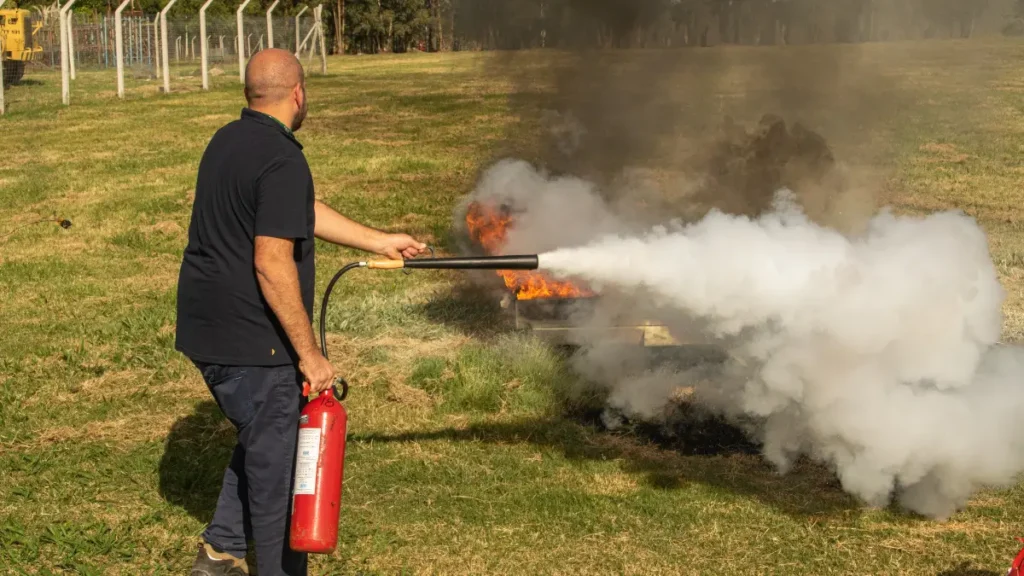
- Keep fire extinguishers handy. Know how to use them safely.
- Inspect electrical systems. Older wiring or overloaded outlets can start fires.
- Create a pet safety plan. Keep carriers, leashes, or harnesses ready.
- Share safety knowledge. Talk to neighbors or friends in mobile homes about fire prevention.
I can’t stress enough — taking these steps today is far easier than dealing with a tragedy tomorrow. You can start small, but each action adds up to real protection.
To get short, practical home safety tips straight to your phone, you can also check out our updates on WhatsApp — these reminders help me stay prepared and might help you too.
Key Takeaways & Reflection
Reading this incident, I keep asking myself how a single fire can affect so many lives — human and animal. The loss of life, the danger faced by firefighters, and the emotional impact on the community are all stark reminders that fire safety is personal.
If there’s one thing I want you to do after reading this, it’s to check your smoke alarms, review escape plans, and make a plan for pets. Ask yourself: are you prepared if something happened tonight? Sharing these lessons with family or neighbors can also prevent another tragedy like this.
What’s one step you can take today to make your home safer? I’d love to hear your ideas and experiences — let’s learn from each other before it’s too late.
For more updates and real-life home safety stories, follow us on X and join our Facebook community to stay informed and connected.
Disclaimer: This article is for informational and educational purposes only. It is not a substitute for professional fire safety advice or emergency services. Always follow local authorities’ guidance and safety regulations in your area.