Stop Buying Extra Cleaners — Laundry Detergent Cleans These 9 Things
If you’re like me, laundry detergent lives in one very small mental box: clothes, stains, washing machine, done. I never really questioned it—until I started noticing how often it quietly solved other cleaning problems around my house. A greasy carpet spot here. A grimy patio chair there. Same bottle. Same detergent. Better results than half the “specialty” cleaners under my sink.
Here’s the thing most articles skip: laundry detergent isn’t magic, but it is engineered. Those enzymes and surfactants are designed to break down oils, dirt, and organic messes—the same stuff that shows up on carpets, tubs, trash cans, and even car seats. Once you understand that, a lot of everyday cleaning suddenly feels simpler and cheaper.
I’m walking you through nine things in your home you probably didn’t realize laundry detergent could clean—based on how people actually use it, what cleaning experts explain about why it works, and where it genuinely makes sense to try. As you read, think about your own home for a second: which mess has been annoying you the longest, and could it really be fixed with something you already own?
Why Laundry Detergent Isn’t Just for Clothes
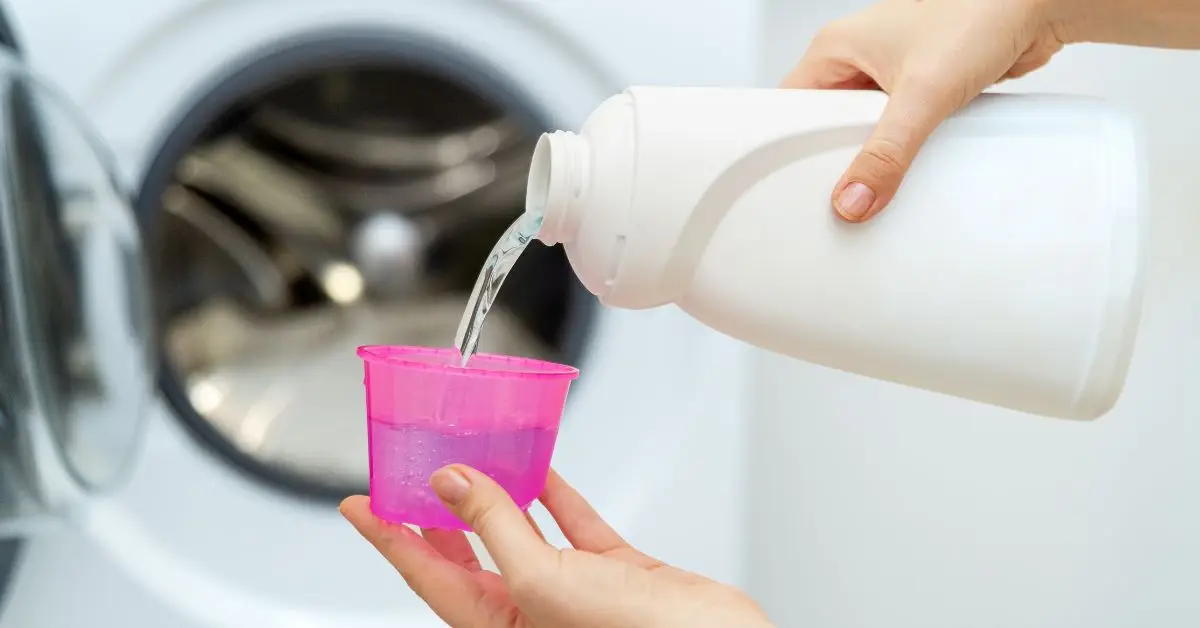
I used to think laundry detergent had one job—and that was it. But once I looked into how it actually works, things clicked fast. Laundry detergent is built to break down oils, food residue, and organic dirt. That’s not “laundry dirt.” That’s life dirt.
What makes it work isn’t marketing—it’s chemistry. Detergents contain surfactants that lift grease off surfaces and enzymes that break down stains at a molecular level. If you want a simple, non-salesy explanation, HowStuffWorks breaks this down clearly without overcomplicating it.
What I want you to understand before trying any hack is this:
- Laundry detergent works best on greasy, organic, everyday messes
- It’s not meant for delicate stone, wood finishes, or electronics
- Dilution matters more than people realize
Once you use it where it actually makes sense, it stops being a “hack” and starts being a smart tool.
1. Carpets & Area Rugs
If there’s one place laundry detergent quietly outperforms fancy cleaners, it’s carpet stains. I’m talking about real stains—food spills, muddy footprints, pet accidents—not mystery marks from five years ago.
Laundry detergent works well for:
- Greasy food spills
- Pet-related stains
- Dirt and mud tracked in from outside
Here’s the approach I trust:
- Dilute a small amount of liquid detergent in warm water
- Dab (don’t soak) the stain with a cloth or sponge
- Blot, don’t scrub—scrubbing pushes stains deeper
- Let it dry, then vacuum to lift residue
If you’ve ever made a stain worse by rubbing it, this method alone can change how you clean carpets.
2. Upholstered Furniture (Sofas, Chairs, Ottomans)
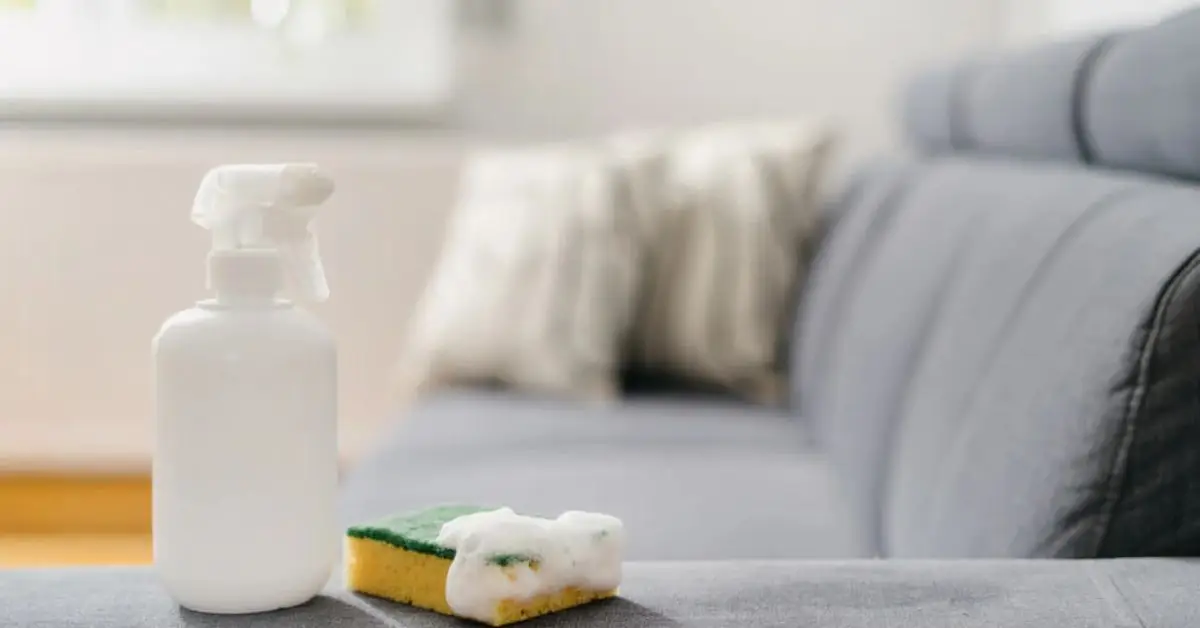
I know the hesitation here—I feel it too. Upholstery is expensive, and one wrong move can leave water rings or fabric damage. But when used correctly, laundry detergent can safely handle everyday sofa messes.
The key is knowing what kind of fabric you’re dealing with.
What detergent works best on:
- Fabric sofas with food or oil stains
- Armrests and headrest areas that collect body oils
- Kid and pet-related messes
What you should do:
- Use a foam or lightly sudsy solution, not dripping wet
- Test a hidden spot first—always
- Apply gently with a cloth or soft brush
- Avoid soaking the fabric (over-wetting is the real enemy)
A lot of people on cleaning forums swear by this method for couch stains, especially when professional cleaning isn’t an option.
3. Bathroom Bathtubs & Shower Walls
Soap scum and body oils are stubborn, and harsh bathroom cleaners don’t always make the job easier. In fact, they often smell strong, irritate skin, and still leave residue behind.
This is where laundry detergent surprises people.
It works well on:
- Soap scum buildup
- Body oil residue
- Everyday tub and shower grime
Why it makes sense:
- It’s designed to break down oils
- It’s gentler than many acid-based bathroom cleaners
- It rinses clean without leaving heavy residue
For enamel or acrylic tubs:
- Use diluted detergent
- Scrub gently with a sponge or soft brush
- Rinse thoroughly so no film remains
If your tub looks dull no matter how much you scrub, detergent might be the reset it needs.
4. Tile Grout (Kitchen & Bathroom)
Grout lines get grimy in a way that makes even clean tiles look old. The stuff that collects there—grease, soap scum, moisture—is exactly what laundry detergent is designed to tackle because of its grease-breaking enzymes.
What actually works:
- Make a thick paste using a little laundry detergent and baking soda.
- Apply it directly to grout lines.
- Scrub gently with an old toothbrush.
- Rinse thoroughly and repeat if needed.
I’ve seen this method used in a lot of practical cleaning how-tos, and it consistently gets better results than plain water or regular bathroom sprays—especially when grout has been neglected for weeks.
5. Outdoor Furniture & Plastic Patio Chairs

Pollen, dust, and mildew build up on patio furniture faster than you realize. This is seasonal cleaning most people only think about when spring rolls around, but the right solution can save you time and money.
Laundry detergent works surprisingly well because it’s built to emulsify dirt and oils without harsh chemicals. Whether your chairs are plastic or metal, you can use the same basic approach: dilute the detergent in warm water, scrub with a soft brush, and rinse with a hose.
This isn’t just my experience—many everyday cleaning lists, including the one over at The Spruce, mention laundry detergent as a safe way to cut through outdoor grime without damaging finishes:
For plastic chairs, you can go a bit stronger; for metal, don’t let the solution sit too long to avoid spotting. While cleaning your patio furniture with detergent, you might also notice small items like caps and containers lying around — they can actually be put to clever use in your garden or around the home, as shown in this guide on repurposing laundry detergent caps for home and garden.
6. Car Interiors (Fabric Seats & Floor Mats)
I didn’t expect this one to work the first time I tried it, but laundry detergent is a sleeper hit for fabric car seats and floor mats. These areas are often ignored until they look bad—food crumbs, spills, sweat marks—and they’re exactly the kind of organic mess laundry detergent was made to deal with.
Here’s how I do it:
- Mix a small amount of laundry detergent with warm water to make a sudsy solution.
- Dampen a microfiber cloth or soft brush with the mix.
- Blot and lift stains gently; don’t saturate the fabric.
- Dry as quickly as possible with a clean towel.
Over-wetting is the biggest mistake here. Too much moisture means longer dry time and potential odor. Used right, you’ll notice a fresher, cleaner look without a long detailing session.
7. Makeup Brushes & Paint Brushes
Here’s a niche one that really works: laundry detergent isn’t just for clothes—it’s great for cleaning brushes loaded with heavy oils.
Why it works better than regular dish soap:
- Laundry detergents are formulated for oil and grease, not just food residue.
- They penetrate deep into bristles without damaging them.
- When you rinse properly, they don’t leave a heavy film behind.
How I clean mine:
- Fill lukewarm water and add a small squirt of detergent.
- Swirl brushes gently in the mix.
- Rinse until the water runs clear.
- Lay the brushes flat to air-dry.
Whether you’re removing foundation from makeup brushes or acrylic paint from art brushes, this trick saves time and extends the life of your tools.
8. Trash Cans & Recycling Bins
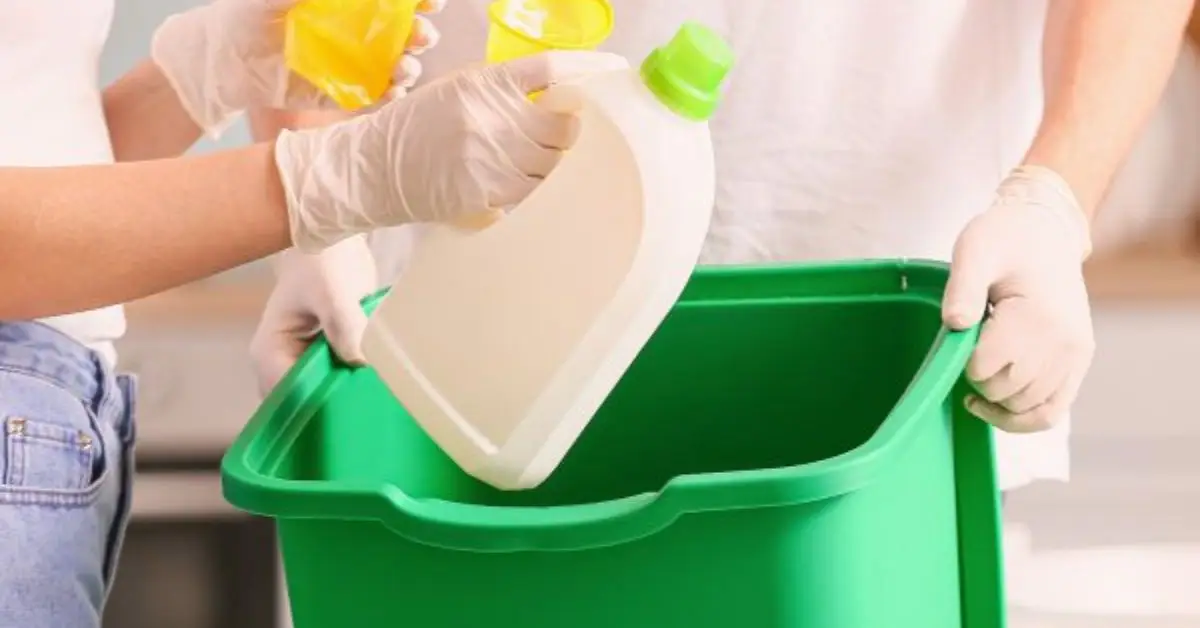
If there’s one place where smells just refuse to go away, it’s trash cans and recycling bins. I’ve learned the hard way: masking odors with sprays is a short-term fix. What actually helps is breaking down the grease and bacteria that cause the smell in the first place — and laundry detergent does that surprisingly well.
Laundry detergent works here because it’s designed to break up oils and organic residue, the same stuff that makes bins smell foul. The trick is simple:
- Pour hot water into the bin
- Add a small amount of laundry detergent
- Let it sit for a few minutes
- Scrub with a brush or sponge
- Rinse thoroughly
This combo cuts through the underlying grime instead of just covering the smell. Oddly enough, many listicles ignore this use — even though it’s one of the most practical, everyday cleaning wins you can get out of your detergent.
9. Slow Drains (Kitchen & Bathroom Sinks)
A slow drain is one of those small frustrations we tend to ignore until it’s too annoying to live with. People usually grab chemical drain cleaners first — but if the problem is grease buildup from everyday use, laundry detergent can be a gentler first step.
Here’s why it works:
- Laundry detergent breaks down oils and greasy residue
- Hot water helps flush the loosened buildup down the drain
How I handle it:
- Pour a generous amount of laundry detergent down the slow drain
- Follow it up with boiling water
- Wait a few minutes and run water normally
Keep in mind: this isn’t a fix for major clogs caused by solid objects or hair tangles. But for grease and day-to-day buildup, it’s a safer, less corrosive alternative before reaching for harsh chemicals. Experienced home cleaners often bring this tip up as a first-aid step before aggressive treatments.
Important Safety Notes – Where NOT to Use Laundry Detergent

Herzindagi
Understanding where not to use laundry detergent is just as important as knowing where it helps. I see the same mistake happen in kitchens all the time — people use the right product the wrong way, which slowly causes damage, just like these everyday dishwashing mistakes that ruin dishes without you realizing it.
Don’t use detergent on:
- Marble or granite surfaces (can etch the stone)
- Hardwood floors (too much water can warp wood)
- Electronics & screens (moisture damage risk)
Cleaning shortcuts don’t just harm surfaces — sometimes they turn into serious safety risks, especially with appliances, which is why avoiding common dishwasher mistakes that can cause real damage matters more than most people think.
Before trying any cleaning trick, I always do a patch test in a hidden area. A method that’s great for one surface could harm another.
And if you want a deeper science-based look at why detergent works on some surfaces and not others, this article from Chemistry Cachet explains the chemistry behind laundry detergent’s cleaning power.
Smarter Cleaning with What You Already Have
I’ll say this clearly: laundry detergent isn’t a miracle cure for every mess in your home. But when you use it where it genuinely makes sense — like grout, outdoor furniture, trash cans, or even slow drains — you end up spending less, cleaning better, and avoiding unnecessary cleaners.
Here’s what I want you to take away:
- Understand what detergent is good at (breaking down oils and organic dirt)
- Use it where it helps — and avoid it where it can harm
- A little knowledge makes cleaning faster and less wasteful
If you got even one useful idea from this, you’ll find a lot more practical, no-nonsense home improvement and cleaning advice over at Build Like New — all focused on real results, not viral buzz.
So tell me in the comments — which of these are you going to try this week? Let’s talk about what worked (or didn’t) and share tips with everyone reading.
Disclaimer: The cleaning tips shared in this article are for general information only. Results may vary depending on surface type, material, and condition. Always read product labels, dilute properly, and test on a small hidden area before full use. The author and Build Like New are not responsible for damage caused by improper application or misuse.