Clean or Repair? 10 December Home Maintenance Tips from Experts
Every year when December rolls in, I stop and look around my home a little differently. The cold settles in, the days shrink, and suddenly the small things I ignored all fall start showing up louder than before. A draft by the window. A gutter that’s been overflowing since the last storm. A furnace that sounds just a bit tired.
If you’re like me, this is the month when you ask yourself a simple question: Should I clean this… or should I finally fix it?
December is that bridge between “still manageable” and “too late.” Once deep winter hits, small problems turn into expensive ones. Frozen pipes, roof leaks, heating issues — none of these care that you’re busy with holidays. And that’s exactly why I pay more attention this month than any other. A quick clean in some spots prevents winter headaches. A timely fix in others saves money you’d rather not spend in January.
In this guide, I’ll walk you through the ten smart moves I make every December — what to clean, what to fix, and how to decide fast without second-guessing yourself. These are practical, lived-in steps I’ve learned from years of maintaining older homes, talking to pros, and dealing with winter surprises more times than I’d like to admit.
As you read, think about your own home. Where do you already feel something needs attention? What have you postponed for months? That’s usually where December gives you the biggest payoff.
Before we dive into the checklist, I want to hear from you: What’s one home issue you already know you should tackle this month?
How to Decide: The Clean vs. Fix Formula
When I look at any winter task, I run it through a simple filter. It keeps me from wasting time on deep cleaning when the real problem needs a repair — and it stops me from calling a pro when all I really need is a quick tune-up.
Here’s the formula I use:
1. Is it dirty… or is it damaged?
If something only looks messy, dusty, clogged, or neglected, it usually falls into the clean category.
If it’s cracked, leaking, sagging, or making noise, that’s a fix.
2. Will winter make this worse?
Cold, ice, and moisture multiply small issues.
If waiting even a few weeks can double the damage or cost, I fix it now.
3. Does it affect comfort or safety?
Drafts, poor heating, slippery steps, clogged vents — if it affects how you live, it moves to the priority list.
4. Can I handle it myself in under an hour?
If yes → clean.
If no, or if tools are unfamiliar → fix or call a pro.
I also keep one rule in mind: If you’re unsure, clean first.
Cleaning exposes the real condition underneath, and many “problems” disappear once the dirt and debris are gone.
Quick signs something needs a fix, not a clean:
- Visible cracks or rot
- Water stains or moisture
- Odd noises (fans, furnace, vents)
- Parts that wiggle, lean, or feel loose
- Anything electrical that sparks or flickers
Once you start using this formula, every December task becomes easier to judge — and you stop guessing which jobs deserve your time and money right now.
Move #1: Clean Gutters & Downspouts, Fix Ice-Dam Risks
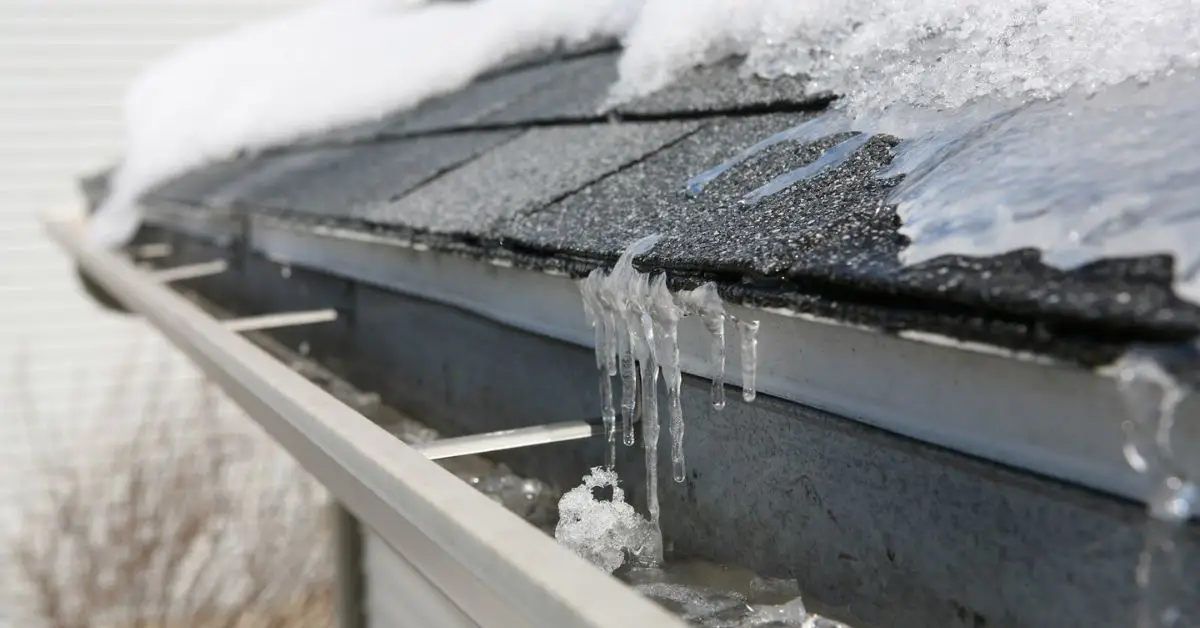
When December hits, this is the first thing I check. Clean gutters keep water moving; clogged gutters trap it. And trapped water in winter leads to ice dams — one of the most expensive cold-weather problems for homeowners.
I start with a simple clean. You can do it with gloves, a scoop, and a hose if the weather hasn’t gone fully icy yet. Once everything is flowing, then I look for signs of a deeper issue.
Clean your gutters if:
- You see leaves, debris, or standing water
- Water spills over the sides during rain
- Downspouts look clogged
- Gutters feel heavy or sagging from debris
Fix or call a pro if:
- You see water stains under the roofline
- Icicles form along the edges of your roof
- Gutters are bent or pulling away
- Melted snow keeps backing up instead of draining
- The attic has damp insulation (a classic ice-dam symptom)
A reliable winter checklist from This Old House also notes that clogged gutters are a major trigger for roof leaks during freeze–thaw cycles, which is why I never skip this step.
A clean gutter is a 15-minute job. A roof leak or ice-dam repair? That’s a whole paycheck. This one is worth staying ahead of.
Move #2: Clean Windows & Sills, Fix Draft Leaks
I always clean my windows in December, not for looks, but to spot the problems hiding around them. Dirt makes small gaps invisible. A clean surface shows exactly where the cold is getting in.
Start with a quick wipe of the glass, the sill, and the tracks. You’ll be surprised how much grime builds up through fall. As soon as the windows are clear, check how the area feels.
Clean your windows if:
- You see dust on sills and tracks
- Light condensation appears only on the inside glass
- The glass looks hazy or streaky
- The tracks feel sticky when opening or closing
Fix or seal them if:
- You feel even a thin line of cold air around the frame
- Curtains or blinds move when the wind blows outside
- You spot small gaps between the frame and wall
- Weather-stripping looks old, cracked, or missing
- The room gets noticeably colder near that window
Even a tiny draft can raise your heating bill for months. Most of the time, the fix is simple: replace the weather-stripping, add a sealant tube, or use insulation film for the season. But if the frame is warped, or the seal has fully failed, it’s time to schedule a repair.
A clean window keeps the cold visible. A fixed draft keeps the cold out.
Move #3: Clean HVAC Vents & Replace Filters, Fix Heating System Inefficiencies
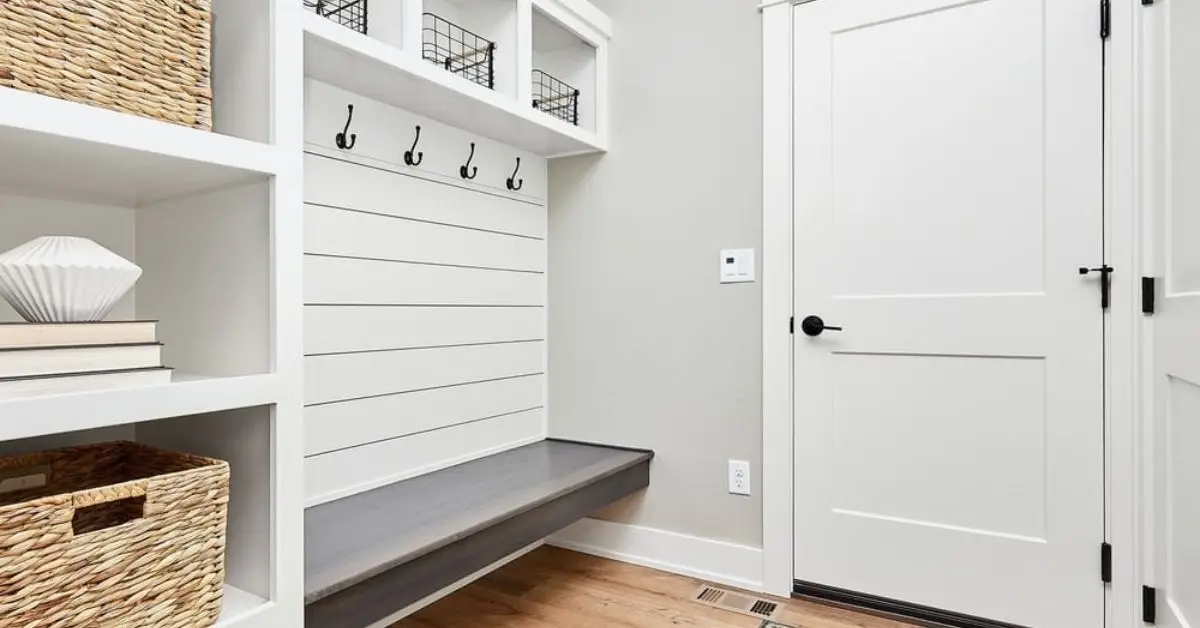
When December hits, the heating system becomes the hardest-working equipment in the house. I always start with the simple things you and I can control: cleaning vents and swapping the filter. Most people skip this step, but it has the biggest immediate impact on how well the system breathes.
I pull the vent covers off, rinse them, and vacuum the inside edges of the ducts. Then I replace the filter. A clean filter keeps the airflow steady and stops the system from overworking when the temperature drops.
Clean your vents and replace the filter if:
- Dust blows out when the heat turns on
- The vents look gray or coated
- The house feels dry or stuffy
- You don’t remember the last filter change
Book a professional check if:
- Rooms heat unevenly
- The furnace cycles on and off
- You hear rattling or whistling
- Heating bills spike suddenly
- The system struggles to reach the set temperature
A simple reminder from ENERGY STAR is that regular filter replacement keeps heating equipment running efficiently and prevents unnecessary energy waste.
Move #4: Clean Fireplace & Chimney Base, Fix Chimney Cracks or Smoke Issues
Before I light the first December fire, I clean out the old ash, wipe the walls of the firebox, and vacuum the base. A clean start makes it easier to spot cracks or anything that doesn’t look right.
Then I check how the smoke moves. If smoke drifts into the room or the draft feels weak, that’s when I slow down. Fireplace issues get worse in winter, and I don’t take chances when heat and smoke are involved.
Clean your fireplace if:
- Ash or soot is layered from last year
- The firebox walls look dusty
- You smell smoke when it’s not in use
- You haven’t prepped it since last season
Call a chimney professional if:
- Smoke leaks into the room
- You see cracks inside the firebox
- The damper sticks or barely opens
- Creosote buildup looks thick
- Sparks escape while burning
Move #5: Clean Entryway, Mudroom & Traffic Zones, Fix Loose Railings & Slippery Steps
The entryway and mudroom turn into dirt magnets in winter. Wet boots, salt, and holiday foot traffic make these areas messy fast. I clean them early in December so the mess doesn’t spread into the rest of the house.
Then I check the parts people usually ignore: railings, step edges, porch boards, and any surface that feels slick. These tiny issues matter when the temperature drops and everything becomes harder to see at night.
Clean these zones if:
- Floors feel gritty from salt
- Mats smell damp
- The mudroom feels sticky or cluttered
- Door thresholds have buildup
Fix or tighten things if:
- Railings feel loose
- Steps are slippery even when dry
- Porch boards shift under your foot
- Handrails creak or tilt
- Outdoor lights flicker
Move #6: Clean Refrigerator Coils & Kitchen Zones, Fix Door Seals or Appliance Issues
The kitchen gets overloaded during December — constant cooking, opening the fridge, storing leftovers. I clean early so appliances stay efficient during the busiest time of year.
I pull the refrigerator forward and vacuum the coils. Dusty coils make the fridge run longer than needed. Then I clean the gasket area and check how well the door seals.
Clean your fridge and kitchen zones if:
- Coils are dusty
- The fridge hums louder than usual
- Shelves feel sticky
- The gasket has crumbs or residue
Fix or call a technician if:
- The door doesn’t seal tightly
- You see moisture inside
- Food spoils faster
- The fridge cycles constantly
- Frost builds up in the freezer
If you want to keep your kitchen and laundry appliances running smoothly all year, I’ve put together 10 simple maintenance hacks that can double their lifespan — here’s the full guide: 10 Easy Maintenance Hacks to Double the Life of Your Home Appliances.
Move #7: Clean Bathroom Exhaust Fans, Fix Moisture or Ventilation Problems
Every winter, I see the same problem play out in bathrooms: humidity builds up faster because we keep windows closed and take longer hot showers. I always start by cleaning the exhaust fan. I pop the cover off, rinse it, and vacuum the dust sitting on the motor. A clean fan pulls moisture out much faster.
Once the fan is clean, I watch how the room behaves. If mirrors stay fogged for too long or the walls feel damp, that’s a sign that the ventilation system isn’t doing enough.
Clean your exhaust fan if:
- The cover is dusty
- The fan sounds louder than usual
- Steam takes too long to clear
- The bathroom smells musty
Fix or upgrade ventilation if:
- Walls or ceilings show moisture spots
- Paint is peeling near the shower
- Mold keeps returning
- The fan barely pulls air
A winter home checklist from Houzz, also emphasizes bathroom ventilation as a key December task, especially for preventing humidity-related damage.
Move #8: Clean Basement & Attic Clutter, Fix Insulation Gaps
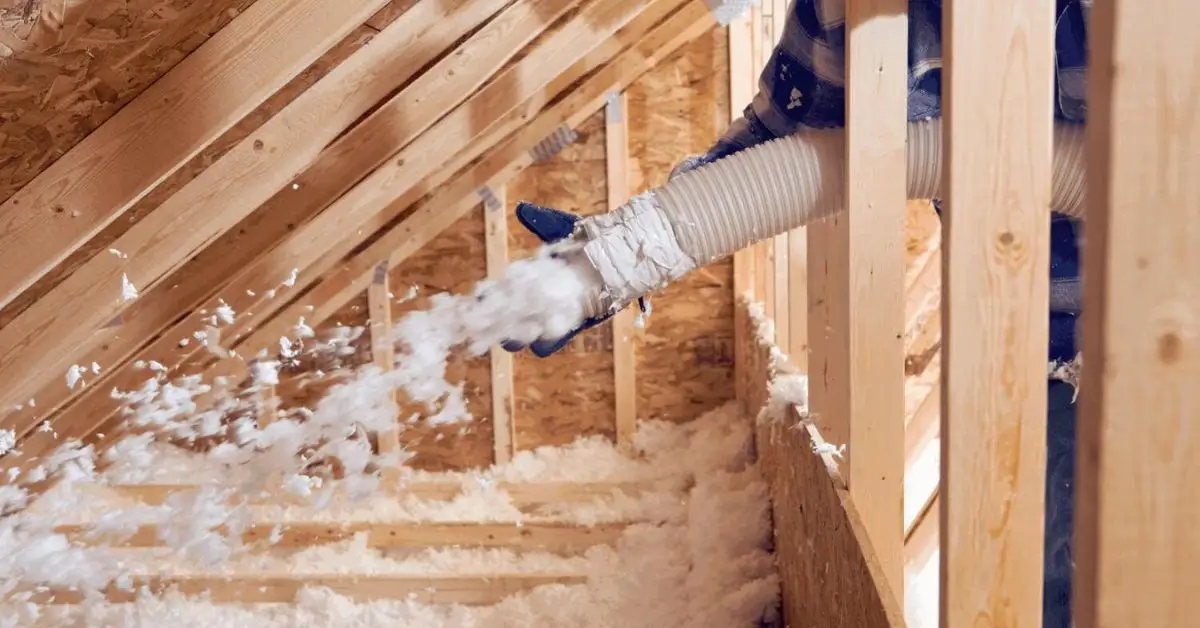
Basements and attics are the two places we all forget about, yet winter exposes every weakness. I start by clearing clutter so I can actually see the floors, corners, insulation, and pipes. Dusting and reorganizing make hidden issues easier to spot.
Right after cleaning, I check for insulation gaps. Even a small opening around the attic floor or basement rim joist can leak warm air out and pull cold air in. That’s one of those quiet winter problems that raise energy bills before you notice anything.
Clean the space if:
- Boxes block airflow
- Dust covers the insulation
- Floor edges aren’t visible
- Stored items feel damp
Fix insulation or gaps if:
- You feel drafts near the attic door
- Insulation looks uneven or sunken
- Pipes sweat or feel cold
- Floors above feel chilly
If you want a full picture of what to handle before each major weather shift, my Seasonal Home Maintenance Checklist lays out the key steps for winter, spring, summer, and fall: Seasonal Home Maintenance Checklist.
A clean attic or basement makes the real problems stand out instead of hiding under clutter.
Move #9: Clean Exterior Walkways & Winter Tools, Fix Cracks or Lighting Faults
Before the first freeze, I walk the property and clear the walkways. Leaves, dirt, and twigs become slippery once the frost hits, and I don’t like dealing with preventable slips. I also take out the winter tools — shovels, ice melt, gloves — so I’m not hunting for them during the first storm.
Then I look at cracks and lighting. Cracks expand in freezing weather, and poor lighting becomes a safety issue during long winter nights. Fixing them now avoids last-minute panic repairs.
Clean your outdoor areas if:
- Leaves or dirt are piled up
- Tools are buried under clutter
- Pathways look blocked
- Debris collects around steps
Fix or prep things if:
- Path lighting flickers
- Cracks trap water
- Steps feel loose
- The porch light doesn’t reach the walkway
A few minutes spent now prevents stress when the first real cold snap arrives.
Move #10: Clean Holiday Decor Storage Areas, Fix Electrical/Lighting Issues

Before I bring out any holiday decor, I clean the storage area first. Dust, broken boxes, and tangled cords turn a simple setup into a frustrating chore. Clearing the space makes the whole process smoother.
Then I inspect every light set, extension cord, and plug. Holiday lights wear out quietly over the years, and I never ignore a cracked wire or a flickering bulb — winter is the season when electrical issues can escalate fast.
Clean your decor storage if:
- Boxes are dusty or crushed
- Old bulbs are mixed in with new ones
- Cords are tangled
- Items smell musty
Fix or replace items if:
- Wires look cracked
- Bulbs flicker or run hot
- Plugs feel loose
- Decorations trip the outlet
A small check now prevents mid-season surprises and keeps your holiday setup stress-free.
Pro Tips: What Most Homeowners Forget in December
After years of walking through homes in mid-winter emergencies, I’ve noticed the same blind spots. These are the tasks that almost never show up in basic checklists but end up causing the most frustration later.
I always handle these before the holidays because they save me time, money, and stress when the cold settles in.
What most people forget:
- Checking the shutoff valves under sinks and toilets
- Inspecting the sump pump once before freezing temperatures
- Vacuuming behind heavy furniture where dust traps heat
- Testing the carbon monoxide detector (batteries fail more in winter)
- Running a quick fridge and freezer temperature check
- Lubricating garage door tracks before they stiffen in the cold
- Looking for small leaks under the kitchen sink (holiday cooking exposes them fast)
Each of these takes a couple of minutes, but together they prevent the kind of winter issues that become expensive or stressful when the house is full of guests.
When You Should Avoid DIY and Call a Professional
I’m a big believer in doing things yourself when they’re safe and simple. But there are moments in December when pushing too far ends up costing more than hiring a pro early.
I use one rule: if you need force, special tools, or guesswork, you’re out of DIY territory.
Call a professional when:
- Wiring feels warm, cracked, or overloaded
- A heating system produces a burning smell
- The chimney draft fails more than once
- Insulation involves electrical lines, plumbing, or mold
- A breaker trips repeatedly
- Water leaks near the water heater or furnace
- A structural crack grows larger week by week
Stick to DIY only when:
- The fix is visual and surface-level
- You know exactly what’s causing the issue
- You’re not touching gas, electrical, or load-bearing elements
December is not the month for risky repairs. You want warmth and safety, not mid-season emergencies.
A Simple 2-Week December Clean-or-Fix Action Plan
I like to split December into two simple phases. The first week handles the fast tasks that make the biggest impact. The second week catches the deeper fixes or anything you missed.
Week 1: Fast Wins (Clean First, Fix Only if Needed)
- Clean bathroom fans and check ventilation
- Clean fridge coils and door gasket
- Clear walkways and set up winter tools
- Clean the fireplace base and confirm the draft
- Clean HVAC vents and swap the filter
- Reset the entryway and tighten loose railings
Week 2: Deeper Fixes and Winter Prep
- Patch insulation gaps in attic or basement
- Address any chimney or smoke issues
- Replace lighting faults and exterior bulbs
- Fix fridge seals or appliance problems
- Seal window drafts and check weather-stripping
- Test carbon monoxide detectors and replace batteries
If you prefer a shorter, more focused schedule, I also follow a simple 7-day home maintenance plan that breaks tasks into quick, daily steps — you can find it here: 7-Day Home Maintenance Plan Every Working Family Needs.
This plan keeps you on track without overwhelming you, and it matches the natural rhythm of December — quick cleaning first, smart fixes where they actually matter.
Final Guidance: Handle These 10 Moves Now for a Safer, Cheaper Winter
If you take anything from this guide, let it be this: December is the one month where small maintenance choices have outsized impact. Clean first, fix when needed, and stay ahead of the problems winter always tries to sneak in.
I’ve seen homes go through winter beautifully just because the owner spent a few hours preparing. And I’ve seen the opposite — unexpected breakdowns, cold rooms, slippery steps, and emergency repairs that didn’t need to happen.
You don’t need a huge budget or complicated tools. You just need a plan, a free afternoon, and the willingness to handle the essentials before the cold settles in.
If you want more practical guides, room-by-room checklists, or seasonal fix strategies, you can always stop by Build Like New — I share deeper breakdowns there that help you stay ahead of home maintenance year-round. Which of these 10 moves do you usually skip in December? Tell me, and I’ll help you figure out the clean-or-fix step that saves you the most time and money.
Disclaimer: The guidance in this article is based on general home maintenance practices and personal experience. Every home is different, so use your judgment and follow safety guidelines. For electrical, structural, gas, or complex repair issues, consult a licensed professional. This content is for informational purposes only and not a substitute for professional inspection or service.