Check These 10 Spots Today — Lizards May Be Nesting Inside Your House
You might think lizards in your home are harmless little creatures darting across walls, but there’s one thing most people don’t realize: they can quietly lay eggs in places you never expect. I’ve spent years helping homeowners understand these hidden signs, and if you’ve ever wondered why lizard sightings keep coming back, it’s usually because their eggs are tucked away in spots you wouldn’t even think to check.
In this article, I’m going to show you ten of the sneakiest spots where lizards hide their eggs indoors and how you can safely find them. I’ll also share practical tips on what to do if you stumble upon these tiny clutches and how to prevent future nesting. By the time you finish reading, you’ll know exactly where to look, why these spots are so attractive to lizards, and how to handle the situation without panicking.
It’s one thing to see a lizard scurry across the wall, but understanding where its next generation might be hiding gives you control over your home—and your peace of mind. Let’s dive in and uncover the places you probably never thought could be hosting lizard eggs.
Understanding Why Lizards Lay Eggs Indoors
You might wonder why lizards seem to favor hiding inside your home instead of staying outside. From my experience, it’s all about comfort and safety. Lizards are drawn to indoor environments that give them exactly what they need to reproduce. Here’s what I’ve learned:
- Dark, warm, and humid corners: Lizards love spots that feel safe and maintain a stable temperature. Think about under the sink, behind bookshelves, or even inside potted plants. These areas mimic the natural environments they prefer outside.
- Undisturbed areas: They won’t lay eggs where humans constantly disturb them. Closets, attics, and rarely used storage rooms are prime spots because there’s minimal traffic.
- Incubation period: Once eggs are laid, they take about 40–60 days to hatch. That’s a long time for them to remain hidden, which is why these spots need to stay undisturbed.
- Reproduction rate: Some house lizards can lay multiple batches in a single season—sometimes up to three. That’s why you might notice lizard activity increasing over time if eggs go unnoticed.
- Risks of ignoring them: Besides just being a nuisance, these eggs can contribute to a growing lizard population, and in rare cases, they may carry bacteria like salmonella, which could be risky for kids and pets.
Understanding these behaviors gives you a head start when it comes to searching for eggs. The key is knowing why they choose certain spots so you can inspect smartly and safely. For more on the environmental factors that make indoor spaces ideal for lizard nesting, check out the Environmental Literacy Council.
How to Search Safely for Lizard Eggs
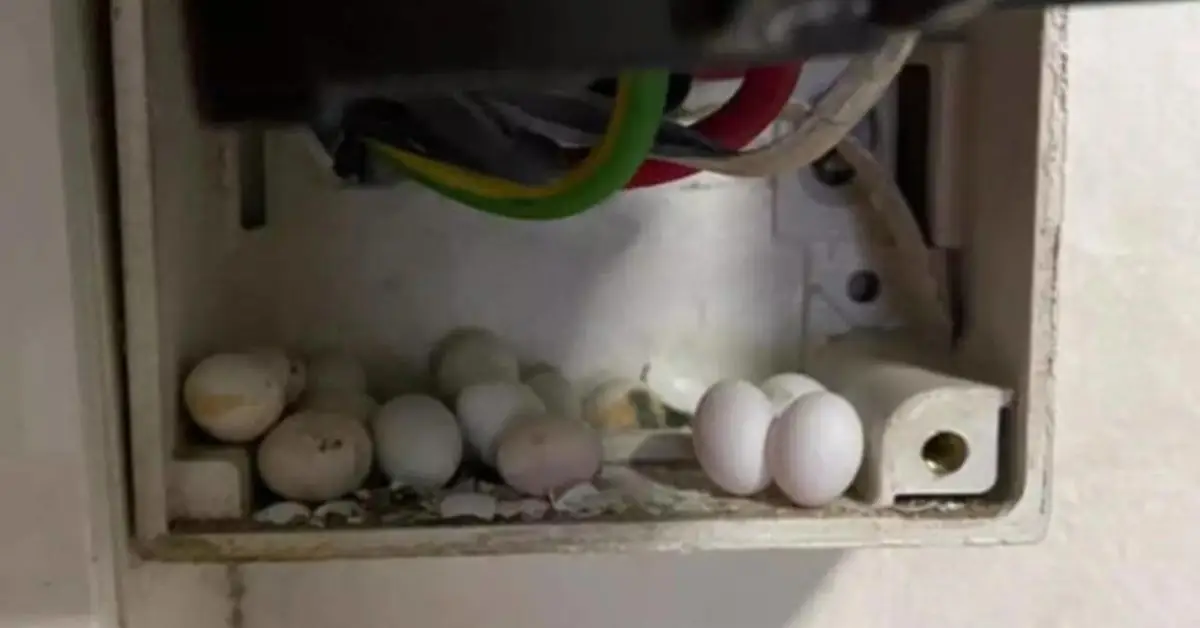
Finding lizard eggs isn’t about flipping furniture wildly—it’s about being systematic, careful, and mindful. I always advise homeowners to take it slow and stay safe. Here’s my approach:
- Safety first: Always wear gloves and use a flashlight. You’ll want to see into tight corners and dark spaces without touching the eggs directly.
- Inspection tools: Sometimes a small mirror or your phone camera can help you peek behind furniture, under cabinets, or even in ceiling gaps without disturbing anything.
- Handle eggs with care: These eggs are fragile. If you spot them, don’t rotate or move them unnecessarily. Even a slight disturbance can harm the embryo inside.
- Know your limits: If you find multiple eggs in different areas or notice repeated nesting, it’s worth calling professional pest control. They know how to handle the situation without risking damage to your property or accidentally spreading the eggs around.
By following these steps, you can inspect your home effectively without panicking. It’s all about being aware, prepared, and respectful of these tiny creatures while keeping your home safe and hygienic.
10 Hidden Indoor Spots Where Lizards Lay Eggs
Finding lizard eggs isn’t about guessing—it’s about knowing the spots they love. Based on my experience and research, these ten areas are where you’re most likely to find eggs hidden indoors. I’ll explain why each spot works for lizards and why you should check them carefully.
1. Under‑sink Cabinets (Kitchen / Bathroom)
- Why lizards choose this spot: Moisture from leaks or condensation plus insects make these cabinets feel like a safe nursery.
- What to look for: Small, leathery eggs tucked in corners or behind pipes.
- Why check: Even minor leaks or tiny insect activity can indicate eggs nearby. Inspect gently—you don’t want to disturb the clutch unnecessarily.
2. Basement Corners / Storage Rooms
- Why lizards choose this spot: Dark, undisturbed, sometimes slightly damp corners provide the perfect microclimate.
- What to look for: Eggs among stored boxes, old furniture, or clutter.
- Why check: Most homeowners rarely clean these areas, so eggs can stay hidden for weeks without anyone noticing.
3. Behind Bookshelves / Furniture
- Why lizards choose this spot: Narrow crevices between furniture and walls are quiet, safe, and rarely disturbed.
- What to look for: Small white eggs stuck to wall edges or in gaps behind furniture.
- Why check: Since these areas see low traffic, eggs can remain undisturbed until they hatch.
4. Inside Wall Cracks and Crevices
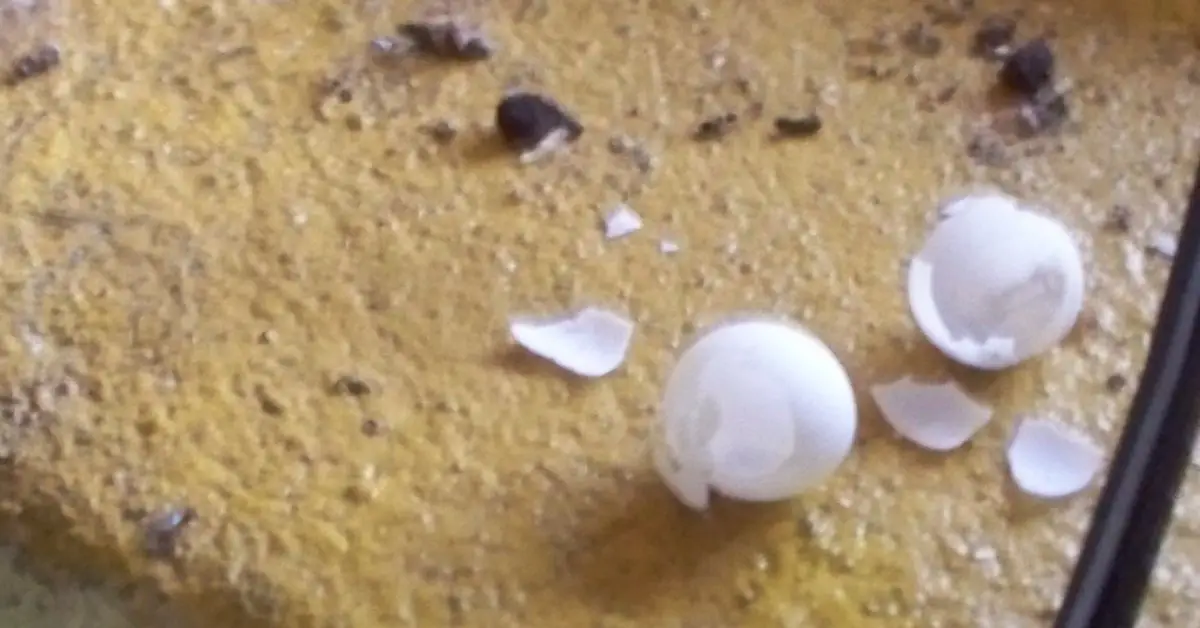
- Why lizards choose this spot: Tiny structural gaps around pipes, vents, or corners provide secure, hidden nesting spots.
- What to look for: Very small clutches tucked inside cracks or crevices.
- Why check: These are easy to miss, yet lizards often return to the same cracks season after season. When inspecting wall cracks or behind furniture for lizard eggs, you may also notice other signs of hidden issues like moisture or pests. If you ever spot unusual odors or materials behind walls, this guide on 10 signs something’s dying behind your wall and what to do next can help.
5. Behind Curtains / Wall Hangings / Picture Frames
- Why lizards choose this spot: Warmth, darkness, and a stable environment make this area appealing.
- What to look for: Eggs hidden behind the folds of curtains or the back of wall frames.
- Why check: These areas rarely move, allowing eggs to remain safe for the full incubation period.
6. Shoe Racks / Inside Unused Shoes
- Why lizards choose this spot: Shoes and racks provide an enclosed, insulated, low-disturbance environment.
- What to look for: Tiny eggs inside shoes, especially the toes or along the edges of the rack.
- Why check: This is often overlooked, but shoes offer warmth and protection that lizards need for egg survival.
7. Inside Wardrobes / Upper Drawers
- Why lizards choose this spot: Closed drawers and rarely opened cabinets create a quiet, safe area for eggs.
- What to look for: Eggs between fabrics, under clothes, or along drawer edges.
- Why check: Minimal disturbance increases the chance that eggs remain intact until hatching.
8. Attics / Under Insulation
- Why lizards choose this spot: Attics offer warmth, low traffic, and a stable microclimate under insulation or stored boxes.
- What to look for: Eggs tucked in insulation material, corners of the roof, or under stored items.
- Why check: These areas are rarely inspected, making them a common hiding place for eggs.
9. Behind / Under Appliances (Fridge, Oven, Washer)
- Why lizards choose this spot: Appliances radiate heat and create hidden cavities that are perfect for egg incubation.
- What to look for: Small clutches hidden under or behind appliances, often in corners that are hard to reach.
- Why check: Difficult-to-inspect areas like these provide lizards with a safe, warm environment away from humans.
10. Soil of Indoor Potted Plants
- Why lizards choose this spot: Moist soil and dense foliage provide camouflage, plus some species bury eggs directly in soil.
- What to look for: Eggs at the base of plants or tucked against the inner side of pots.
- Why check: Indoor plants often go untouched for days, giving lizards the perfect opportunity to hide eggs. For more guidance, see Biology Insights.
What to Do If You Find Lizard Eggs
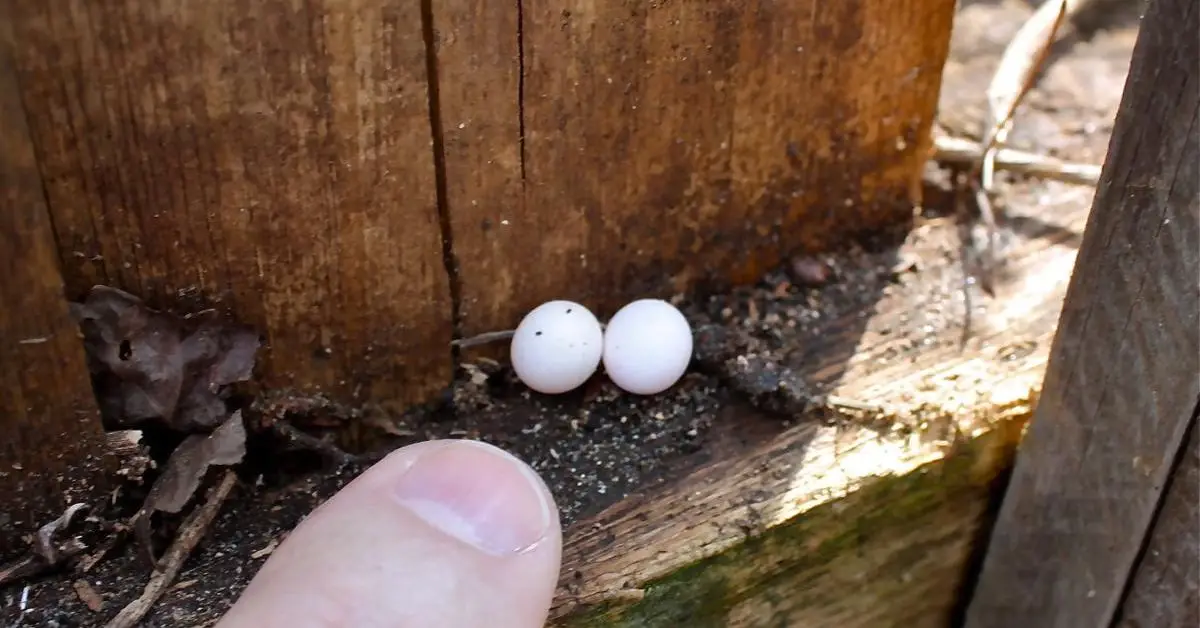
Finding lizard eggs in your home can be surprising, but it doesn’t have to be stressful. I’ve helped homeowners handle this situation many times, and the key is to balance caution with practicality. Here’s how I approach it:
- Leave them undisturbed if possible: If the eggs aren’t in a high-traffic area, it’s often safest to just leave them alone. Rotating or moving eggs can detach the embryo inside, which makes them non-viable.
- Careful removal if necessary: If the eggs are in a spot where pets, children, or constant activity could harm them, use gloves and gently scoop them into a small container. Keep the eggs in the same orientation you found them.
- Call professional pest control: If you find multiple eggs across different areas or notice repeated nesting, a pest control professional can safely handle the situation and prevent further infestations.
- Humane relocation: Not all eggs need to be destroyed. Some people carefully relocate eggs to a safe outdoor spot or a secluded corner of the garden. If you choose this, make sure the new location is warm, safe from predators, and similar to their original microclimate.
Handling eggs responsibly helps you maintain a safe home while respecting wildlife.
Prevention — Stop Lizards from Laying Eggs Indoors
Once you’ve dealt with the immediate issue, it’s important to prevent lizards from nesting in the future. Here’s what I recommend:
- Seal cracks and crevices: Check walls, windows, doors, and vents for gaps and seal them. Lizards often enter through these small openings. Sealing cracks and gaps is critical—not just for lizards, but for all kinds of pests. To get a full guide on identifying and blocking these entry points, check out the 5 most common pest entry points and how to block them.
- Reduce clutter: Declutter basements, shoe racks, old newspapers, and boxes. These low-traffic areas are often the first choice for lizards looking for a nesting spot.
- Control insect population: Since lizards feed on insects, keeping your home bug-free makes it less attractive to them. Regular cleaning and insect control go a long way. Just like lizards are attracted to insects in your home, other pests like carpet beetles can also hide in unnoticed corners. If you want to take a preventive approach for all these small intruders, you can check out 7 proven ways to get rid of carpet beetles without calling pest control.
- Natural deterrents: Peppermint-oil sprays, crushed eggshell barriers, or even garlic and onion near entry points can discourage lizards from hanging around.
- Vent filters: Cover vent openings with fine mesh to prevent lizards from slipping in unnoticed. For practical guidance on this, Oddly Cute Pets provides tips on using mesh and barriers effectively.
By combining these preventive measures, you can significantly reduce the chance of future eggs appearing in your home while keeping your living space safe and comfortable.
When & Why to Call Professionals
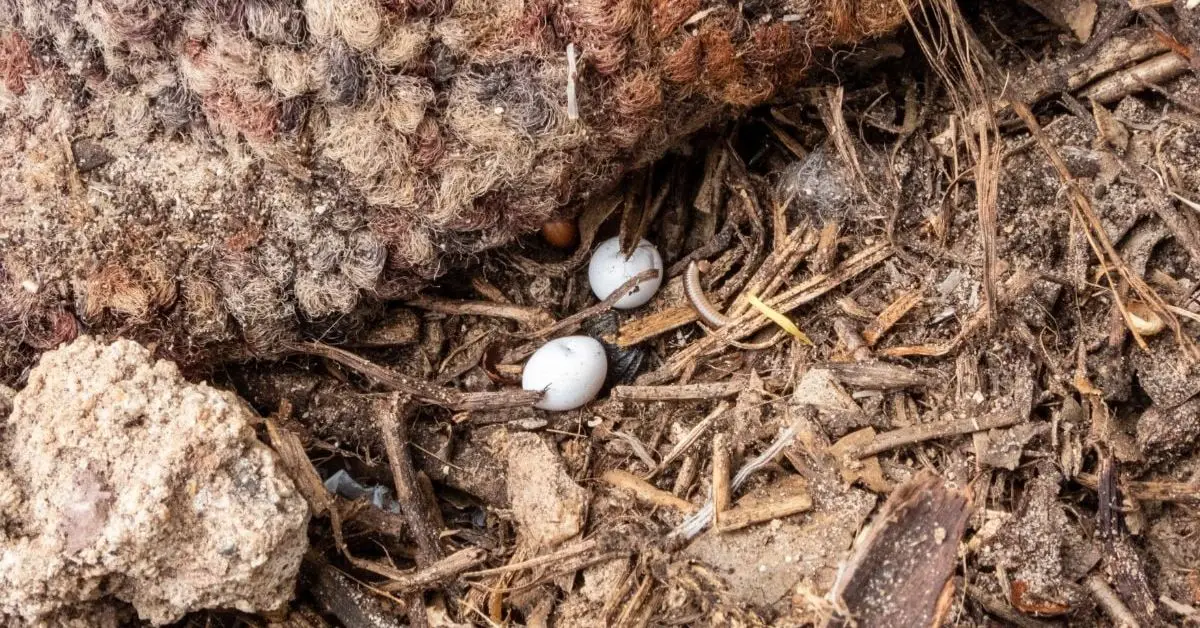
Sometimes, even the most careful DIY approach isn’t enough. I always tell homeowners to know their limits—handling lizard eggs can be trickier than it looks. Here’s how to decide if it’s time to call in an expert:
- Indicators for infestation: If you’re spotting multiple batches of eggs, noticing lizards frequently, or finding eggs in several areas around your home, it’s a sign the problem is bigger than a simple cleanup.
- Risks of DIY removal: Moving eggs incorrectly can break them, spread embryos to other parts of the house, or even put you at risk if bacteria like salmonella are present.
- What pest controllers do: Professionals can safely locate and remove nests, seal entry points, and advise on long-term strategies to prevent repeat nesting.
- Ethical considerations: Some services focus on humane relocation rather than destroying eggs. When choosing a pest control company, it’s worth asking how they handle eggs to align with your ethical preferences.
Calling professionals isn’t admitting defeat—it’s a smart way to protect your home, your family, and the little creatures themselves.
Wrapping Up: Take Control of Lizard Eggs in Your Home
Let’s recap. You’ve learned:
- The 10 hidden spots where lizards commonly lay eggs.
- How to inspect safely and handle eggs responsibly.
- Ways to prevent future nesting with simple, practical measures.
Now it’s your turn. Set aside some time this week to inspect your home. If you find eggs, either carefully manage them yourself or call professionals to ensure everything is handled safely. Remember, lizards are part of the ecosystem—you don’t need to harm them unnecessarily, but keeping them from multiplying inside your home keeps your living space safe and hygienic.
I’d love to hear your experiences. Have you ever found lizard eggs in surprising places? Share your story or any tips in the comments on my website, Build Like New, and let’s help more homeowners tackle this hidden problem together.
Disclaimer: This article is for general informational purposes only. For protected or exotic species, or if you are unsure about handling lizard eggs safely, consult a professional pest controller or local wildlife authority.