Home Prices Falling Across the US, New Report Shows
If you’ve been following the housing market lately, you’ve probably felt that uneasy sense that something big is shifting. I’ve been tracking U.S. home values for over two decades, and what’s happening now isn’t just a minor blip—it’s one of the largest slowdowns in recent memory. According to the latest data from Zillow, more than half of U.S. homes have dropped in value over the past year, with the average decline nearing 10% from their peak.
That might sound alarming, especially if your home is your largest investment. I get it—seeing a number like that next to your property can make you question whether it’s time to sell, hold, or just wait it out. But here’s the reality: this isn’t a repeat of 2008, and for most homeowners, the equity you’ve built over time still gives you a strong buffer.
What’s happening is a combination of factors: rising mortgage rates have cooled demand, affordability pressures are mounting, and some markets that boomed during the pandemic are now correcting sharply. If you live in places like Austin, Denver, or Sacramento, the drops are more noticeable—but even in those areas, very few homeowners are actually selling at a loss.
I want to help you cut through the noise. In this article, we’ll explore not just the numbers, but what they mean for you personally—whether you’re thinking of selling, buying, or just trying to understand the market’s next move. By the end, you’ll have a clearer picture of where things stand and what steps make sense for your situation.
Before we dive deeper, I’d love to hear from you: Have you noticed your home’s value changing recently, or are you watching the market from the sidelines?
How Widespread Is the Decline in US Home Values?
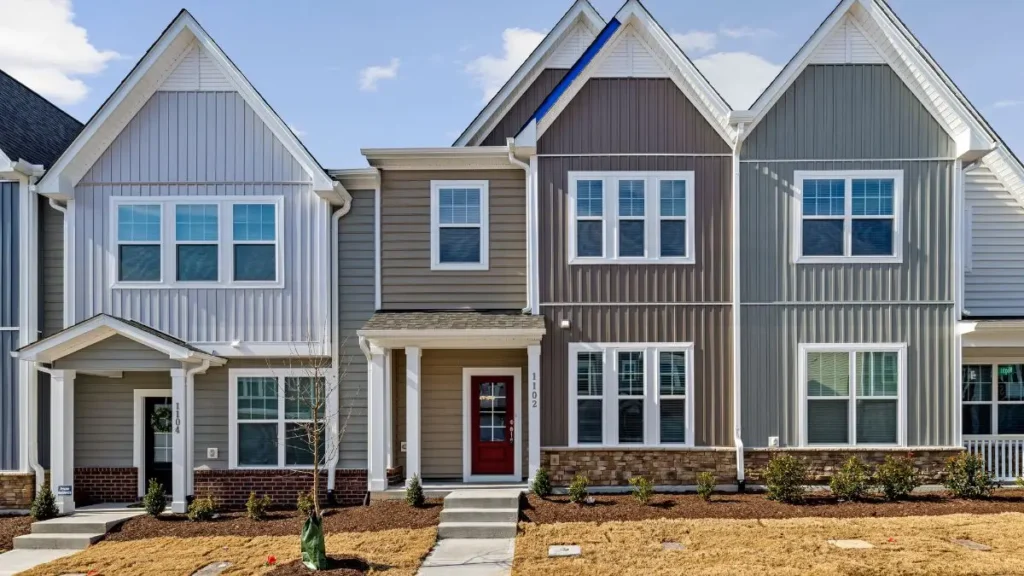
Let’s start by putting the numbers into perspective. Zillow’s latest report shows that 53% of all U.S. homes have lost value over the past year, with an average decline of roughly 9.7% from their peak. That’s the largest share of homes declining in value since 2012.
But here’s the nuance most headlines miss: not all markets are equally affected. Some metros, like Austin, have seen home values fall by more than 20%, while others—especially in the Midwest and Northeast—remain relatively stable.
Even in areas with steep declines, the majority of homeowners aren’t underwater. Only about 4% of homes were valued below their last sale price as of October, which is far from catastrophic.
Why does this matter to you? Because the impact on your home depends less on national averages and more on your local market. If you’re trying to make sense of your own property’s value, you need to look at your metro’s trends, not just the headlines.
Why Are Home Values Falling? Understanding the Drivers
If you’re wondering why this is happening, it comes down to a mix of interest rates, affordability, and the lingering effects of the pandemic boom. I’ve seen cycles like this before, and while the numbers feel dramatic, the causes are straightforward.
Mortgage rates have risen significantly, which means monthly payments for new buyers are higher. This slows demand because fewer people can comfortably afford a home. At the same time, sellers who secured low-rate mortgages during the boom are less motivated to list their properties, shrinking inventory. It’s a classic supply-and-demand squeeze.
Some markets that boomed the most during the pandemic—like Austin, Denver, and Sacramento—are now seeing the deepest corrections. Meanwhile, local economic factors, such as job growth and migration patterns, are influencing how sharply values drop in certain regions.
Understanding these drivers helps you interpret the numbers in context rather than panicking over a single statistic.
Some markets that boomed the most during the pandemic—like Austin, Denver, and Sacramento—are now seeing the deepest corrections, similar to how policy changes in previous years shaped city housing markets and affected families.
Who Is Most Affected? Homeowners, Buyers, and Investors
Let’s break it down because the impact isn’t uniform. First-time buyers are facing affordability challenges more than ever, which limits their ability to enter the market. Long-term homeowners, on the other hand, usually have significant equity, which buffers them against temporary declines.
Investors and those in high-turnover markets are watching closely. If you bought recently or in a hot metro during the pandemic, your home’s value might have dropped sharply. But if you’ve held onto your property for several years, you’re likely still sitting on solid gains.
For you as a homeowner or prospective buyer, the key takeaway is this: it matters where you live, when you bought, and how long you plan to stay. Your personal situation determines whether this market is a threat, an opportunity, or just a temporary slowdown.
Policy changes have historically had ripple effects on housing accessibility, and similar concerns were raised recently when Oregon homeless groups warned about federal housing overhauls limiting support for vulnerable populations.
Myth-Busting and Real Perspective

I often see headlines designed to scare you: “Half of U.S. Homes Are Crashing!” or “Everyone Is Losing Money on Their Homes!” Let me be clear—most of these are misleading.
The reality is different. While over half of homes have declined in value from their peak, very few are being sold at a loss. Most homeowners still have healthy equity, and this is largely a normalization after an unsustainable boom, not a repeat of the 2008 crash. Some markets remain resilient, and others are correcting at a slower pace than the headlines suggest.
Knowing the myths versus reality helps you make better decisions. Panic selling or overreacting to dramatic reports can cost you more than a temporary dip in home values. Instead, understanding the nuance gives you control over your next steps.
What the Slowdown Means for Buyers and Sellers?
So, what does all this mean for you if you’re thinking about selling or buying?
For homeowners, this might feel unnerving, but the biggest risk isn’t the temporary decline—it’s making a rushed decision. Selling during a market dip without understanding your equity position or local trends could be unnecessary.
For buyers, patience is key. High mortgage rates and stretched affordability mean you need to calculate your budget carefully. If you’re willing to wait for rates to ease or focus on markets with stronger fundamentals, you could find a better deal without overextending yourself.
Investors need to get strategic. Not all markets are equal, and chasing the “next hot market” that just dropped can be risky. I always advise focusing on long-term fundamentals rather than short-term price swing.
Forward-Looking Outlook: Scenarios and Triggers
So, what comes next? Let’s talk scenarios. In a base-case scenario, the market gradually normalizes. Prices may dip slightly more in some areas, but overall declines are modest, and the market stabilizes as rates hold steady.
In a downside scenario, if mortgage rates climb or affordability pressures worsen, some markets could see sharper corrections, particularly those that surged the most during the pandemic. On the flip side, if rates ease and inventory stays tight, we could see values stabilize or even rebound slightly.
Key indicators to watch include the Fed’s policy decisions, local job growth, new listings, and buyer demand. Paying attention to these can help you anticipate shifts rather than reacting blindly.
I often get real-time questions from homeowners and buyers on WhatsApp about these shifts—if you’re curious about what others are asking and sharing, it’s worth checking out ongoing discussions to see practical insights in action.
Actionable Advice for Homeowners and Buyers
Now let’s get practical. If you own a home, audit your equity. Understand how your local market is behaving and avoid making hasty decisions based on fear. Selling at the wrong time can cost you more than waiting for the market to stabilize.
Recent buyers should assess their risk horizon. How long do you plan to stay in your home? Can you handle a temporary dip in value without needing to sell? And prospective buyers—focus on affordability first. Look at market fundamentals, interest rates, and long-term trends instead of chasing a “hot” area that just fell in value.
Investors should avoid overreacting to headline numbers. Regional strategy matters. Some markets present opportunities, while others carry risk. Making informed decisions will always outperform chasing short-term fluctuations.
For buyers, patience and timing are key—markets with returning seller activity often present better opportunities, as we explored in our recent housing market update highlighting trends for smart buyers.
Wrap-Up: The Path Forward for the US Housing Market
Here’s the bottom line: the U.S. housing market is going through a period of correction, but it’s not a crisis for most homeowners. Equity remains strong, declines are uneven, and opportunities exist if you take a strategic, informed approach.
As a reader, your next step is to look at your personal situation. Where do you live? How long have you owned your property? What’s your tolerance for risk? By understanding the nuances, you can act confidently rather than react emotionally.
I’d love to hear from you: how are you approaching your home decisions in this shifting market? Are you holding, selling, or watching from the sidelines? Drop a comment or share your experience—it helps all of us see the bigger picture.
For more insights on housing trends and market updates, explore our Real Estate & Homeownership category and stay ahead of the curve.
Disclaimer: The information in this article is for general informational purposes only and does not constitute financial, legal, or investment advice. Individual circumstances may vary, and readers should consult qualified professionals before making decisions related to buying, selling, or investing in real estate. All data cited is sourced from publicly available reports and trusted market analyses.