Homebuyers: Credit Score Requirements Explained
When I first started thinking about buying a home, I honestly didn’t pay much attention to my credit score. I thought as long as I had some savings for a down payment, I’d be fine. But the moment I sat down with a lender, I realized how big a role that three-digit number actually plays.
Your credit score isn’t just a number—it’s the story of how responsibly you’ve handled money over time. Lenders use it to decide whether you’re a safe bet for a mortgage. A higher score doesn’t just help you qualify; it can literally save you thousands over the life of your loan by giving you lower interest rates. Even a 0.25% difference can change your monthly payment significantly.
It’s not only about the number itself. Lenders also look at your overall financial picture—your debts, income stability, employment history, and any past hiccups. But think of your credit score as the gateway: if it’s strong, doors open faster, terms improve, and negotiating power increases.
Understanding this early changed the way I approached buying my home. Instead of rushing, I focused on knowing my score, understanding what lenders look for, and planning strategically to get the best deal possible.
Before we dive into the exact numbers you need, let’s explore what goes into your credit score and why it matters so much in the home-buying process.
Understanding Credit Scores for Mortgages
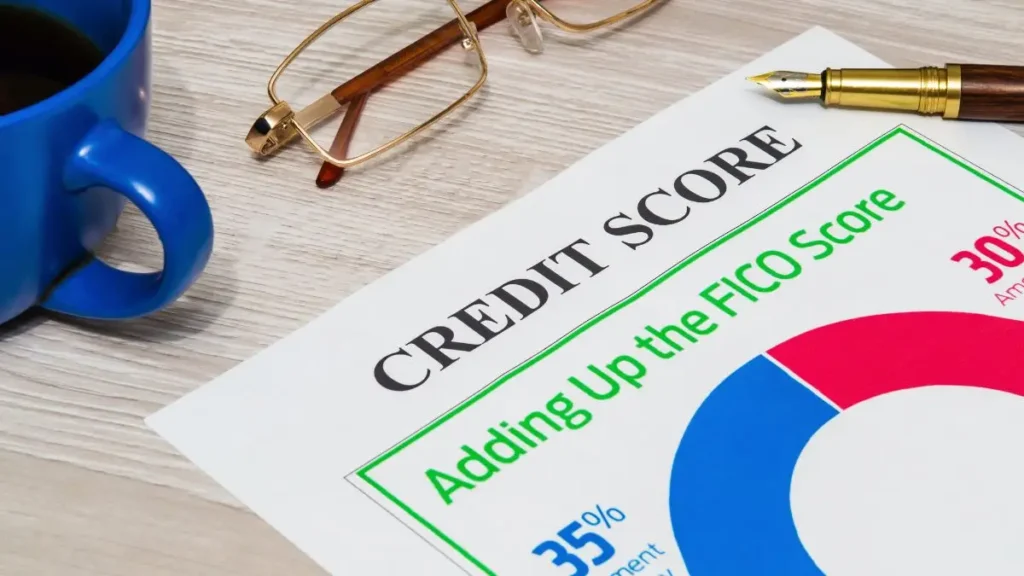
When I first looked at my credit score, I realized there’s more than one type: FICO and VantageScore are the main ones lenders use. FICO is the standard most mortgage lenders prefer, while VantageScore is often what you see from credit card companies or online tools. Both range roughly from 300 to 850, but they weigh factors differently.
Here’s the thing: your credit score isn’t random—it’s calculated from multiple elements of your financial behavior. Payment history makes up about 35% of your score, credit utilization is 30%, the length of your credit history is 15%, and the mix of accounts plus recent activity make up the remaining 20%.
If you’re buying with a co-borrower, lenders don’t just look at your individual scores. They calculate a “decision score,” usually the middle score of the lower-scoring applicant. That can affect whether you qualify and the terms you get. Knowing this early helps you plan: sometimes it’s smarter to apply using the higher-score borrower to secure better rates.
By understanding these details, you’re no longer guessing—you’re in control. You can see what actions will really move the needle on your score and impact your mortgage options.
Minimum and Optimal Credit Scores for Different Loan Types
Here’s where things get very practical. Different loans have different requirements, and knowing them can save you a lot of time and money.
- Conventional loans usually require a minimum score of 620, though 720 or higher is ideal. That’s what I targeted when I started seriously looking at houses because it unlocked much better interest rates.
- FHA loans can allow scores as low as 500, but realistically most lenders prefer 580 and above, with a higher down payment required if you’re below that.
- VA loans—available to veterans and active military—generally need 580–620, with no mortgage insurance, which is a huge perk.
- USDA loans also fall in the 580–620 range, typically for rural properties, with flexible requirements.
- Jumbo loans, used in high-cost areas, need 680–700 and usually a 20% down payment.
Zillow provide clear ranges for each loan type and explain how scores affect interest rates and approval chances.
Knowing these ranges early allowed me to focus on the loan type that matched my score and savings, instead of wasting months applying and getting rejected.
How Credit Score Affects Your Home-Buying Costs?
Let’s talk dollars. Your credit score doesn’t just affect approval—it directly impacts how much you’ll pay. Even a slight difference in your score can change your interest rate by 0.25–0.5%, which adds up to thousands over a 30-year mortgage.
For example, when I crunched numbers, a 620 score versus a 720 score could easily add $150–$200 a month to the mortgage payment. Over time, that’s over $50,000! That’s why I took extra time to improve my score before locking in a loan.
Down payment, PMI, and other fees also vary with your score. Lower scores often mean higher upfront costs. Seeing the real impact made it clear to me that improving my score wasn’t just a formality—it was a financial necessity.
By understanding this, you can make smarter decisions: whether to wait and boost your score or move forward strategically knowing the trade-offs.
With mortgage rates expected to remain above 6% for several years, even a small difference in your credit score can have a major impact on your monthly payment, making it crucial to prepare early.
Assess Your Credit Score Readiness

Before applying, I recommend taking a hard look at your own numbers. Pull your FICO score from a trusted source and compare it to VantageScore if available. Check for errors on your credit report, like old late payments or accounts that shouldn’t be there. Fixing even small mistakes can give your score a boost.
I categorize readiness into three levels:
- Below 620 – Needs improvement; applying now may result in high rates.
- 620–699 – Moderate; approval possible, but rates may not be ideal.
- 700+ – Strong; you’re likely to get the best terms.
Doing this early helps you plan realistically. When I assessed my score before applying, I knew exactly where I stood and what steps I needed to take to qualify for the loan I wanted.
Step-by-Step Plan to Improve Your Credit Score Before Buying
If your score isn’t where it should be, don’t panic. There are actionable steps you can take that actually work. I used these methods myself:
- Pay bills on time – this is the biggest factor and the quickest way to stabilize your score.
- Reduce credit utilization – keep your balances low relative to your available credit.
- Avoid new non-mortgage hard inquiries – extra inquiries can temporarily ding your score.
- Keep older accounts open – length of credit history matters.
- Handle past delinquencies – paying off or consolidating old debts helps recovery.
- Monitor progress regularly – check scores monthly so you see improvements and can time your mortgage application strategically.
Following this roadmap, I was able to increase my score in a few months, which gave me access to better rates and lower monthly payments. You can do the same if you start early and stay consistent.
If you want real-time updates and quick tips on home buying and credit scores, there’s a community sharing insights and alerts through WhatsApp—you can join to stay informed while planning your purchase.
Other Loan Qualifying Factors Beyond Credit Score
Even though your credit score is important, it’s not the only thing lenders look at. I quickly learned this when my lender asked for a stack of documents I hadn’t prepared.
- Income and assets: Lenders want proof that you can comfortably cover monthly payments. W2s, pay stubs, bank statements, and tax returns are standard.
- Employment history: Stability matters. Lenders usually verify your job both during pre-approval and before closing.
- Debts and debt-to-income (DTI) ratio: Lenders calculate what percentage of your income goes toward debt. For example, a conventional loan allows up to 50% DTI, FHA up to 55%, VA up to 70%, and jumbo loans around 43%. Knowing your DTI early helps you predict approval chances.
- Loan-to-value (LTV) ratio: LTV compares the loan amount to the property’s value. The lower it is, the less you pay for mortgage insurance. A higher down payment lowers your LTV, which can save thousands.
Understanding these factors made me realize improving my credit score alone wasn’t enough. I had to plan my savings, track debts, and be prepared to show stability to get the mortgage I wanted.
Understanding your income, assets, and debt-to-income ratio can make the loan process smoother—you can find a step-by-step guide on how to get a home loan here.
Preparing for Home Buying with Poor Credit
I know it can feel discouraging if your score is below 620. But don’t give up—you still have options. I once helped a friend with a 580 score get pre-qualified for an FHA loan. With a slightly larger down payment and clear communication with the lender about her financial history, she was able to secure a home.
Here’s what you can do if your score is low:
- FHA loans allow scores as low as 500, but realistically 580+ is preferred.
- Use a co-borrower strategically: a higher-score co-borrower can improve approval chances.
- Pre-qualification first: This gives a realistic estimate of what you can afford without committing.
Even with poor credit, planning, transparency, and understanding loan types can put homeownership within reach. I found that talking openly with lenders about my score and financial history helped them find solutions tailored to my situation.
Even if your credit score or income is lower than ideal, there are ways to make homeownership possible; check out our guide on how to buy a house with low income for practical tips.
Next Steps for Readers
Now that you understand how credit scores affect home buying, it’s time to take action. I want you to treat this as a roadmap, not just information.
First, check your current score—both FICO and VantageScore if possible. See where you fall in the ranges we discussed. Then, decide whether you’re ready to apply or if you need to spend a few months improving your score and reducing debts.
Next, plan strategically. If your score is strong, reach out to lenders or mortgage brokers with confidence. If it needs work, focus on actionable steps like paying down balances, correcting errors on your credit report, and keeping old accounts open. Even small improvements can make a huge difference in the rates and terms you’ll get.
Finally, don’t hesitate to ask questions. Lenders expect them, and the more informed you are, the better your position will be. I found that having a clear understanding of my score and preparation allowed me to negotiate better rates and avoid costly surprises.
So, what’s your first step going to be? Check your score today, identify one thing you can improve this month, and get started toward your home-buying goals.
For more tips on home loans, buying strategies, and credit guidance, visit our Home Buying section to explore detailed guides.
Disclaimer: This article is for informational purposes only and does not constitute financial advice. Credit score requirements and loan terms vary by lender, loan type, and location. Always consult a qualified mortgage professional before making decisions about home financing.