Texas Fire Fighters Battles Several Homes Fire Possibly Triggered by Lightning
I still remember scrolling through the morning alerts and seeing the news: multiple homes in Plano caught fire early Thursday. As someone who’s covered storm incidents before, my first thought was, “How could this happen so fast?”
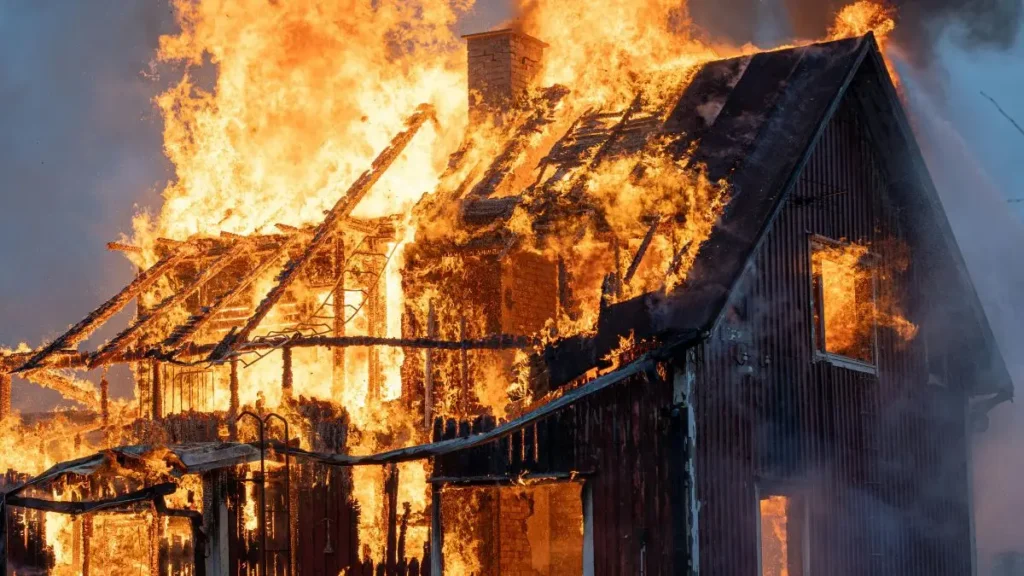
The Plano Fire Department confirmed that crews were called out to several homes across the city, and they suspect lightning was the trigger. It’s a stark reminder that even a brief storm can turn a quiet morning into chaos.
These fires didn’t happen in isolation. A line of thunderstorms swept through North Texas, dumping heavy rain and creating hazardous conditions. I’ve seen how quickly storms like these can escalate, and in this case, the combination of lightning and wet conditions proved dangerous for residents. Officials are still investigating the exact cause, but the early reports point to lightning striking homes during the storms.
If you live in Plano or nearby areas, it’s not just about following the news. This is a moment to pause and think about your own home. How prepared are you if lightning hits? How quickly could you respond if fire broke out? Later in this article, I’ll share practical steps to protect your home, but for now, let’s focus on what happened and how the city responded.
How Lightning Can Start House Fires?
When I read reports from WFAA about the Plano fires, I couldn’t help but think about how fragile homes can be when lightning strikes. According to the report, the fire department suspects lightning as the cause of multiple house fires across the city.
Lightning is deceptively powerful. A single strike can jump from trees, rooftops, or even wiring inside your walls. Once it hits, it can ignite insulation, attic spaces, or flammable materials in seconds. Most homeowners don’t realize that even a brief storm can produce conditions that make their houses extremely vulnerable.
If you’ve ever wondered whether your home could be a target during a storm, this is the reality. Simple factors like roof type, nearby trees, and electrical grounding all affect how a lightning strike impacts your house. Understanding this helps you think proactively about prevention — which we’ll cover later.
Similar to the Avenel incident where residents were injured while escaping a house fire, the Plano community emphasizes vigilance and readiness during severe weather events.
Safety Measures During Storms and Lightning
I want to take a moment here and speak directly to you. If you live in Plano or any storm-prone area, preparation is key. During severe thunderstorms:
- Stay indoors and away from plumbing or electrical outlets.
- Unplug electronics to prevent fire from power surges.
- Keep flashlights and emergency supplies handy in case power goes out.
Beyond the immediate precautions, think about your home’s vulnerability. Lightning rods, surge protectors, and proper roof maintenance can make a huge difference.
Even trimming trees near your home can prevent a direct strike from starting a fire. These are small steps, but they can save your home and your peace of mind.
If you want instant storm updates and safety tips straight to your phone, many homeowners rely on real-time alerts via WhatsApp channels.
What To Do If Your Home Catches Fire From Lightning?
Let’s be honest — thinking about your house catching fire is scary. But knowing what to do can make a life-saving difference.
First, prioritize safety: evacuate immediately and call 911. Avoid trying to fight the fire yourself; lightning-strike fires can be unpredictable and spread quickly. Document what you can safely — take photos once the area is secure — because your insurance company will need proof.
Coordinating with the fire department and your insurance provider is the next step. They can guide you through filing claims, getting an official fire cause report, and planning repairs.
And when the smoke clears, it’s worth considering long-term prevention: fire-resistant roofing, lightning protection systems, and grounding upgrades.
Just like the tragic Bronx house fire that left a 90-year-old woman dead, quick action and preparation can make all the difference in protecting lives and property.
Upcoming Storm Threats & Flash Flood Watch
Here’s why this isn’t just a story about a past fire. Another line of storms is expected to move through North Texas today, and a flash flood watch is in effect until evening. I can’t stress enough how important it is to stay alert.
Monitor local weather updates, avoid low-lying or flood-prone areas, and ensure your home is ready for sudden storms.
Think of it as preparing not just for lightning, but for every hazard a severe thunderstorm brings: water damage, power outages, and yes, the potential for fires. Being proactive now could save a lot of heartache later.
In West Springfield, a house fire was brought under control thanks to a swift response — a reminder that knowing emergency contacts and having a plan saves precious minutes.
Key Takeaways for Plano Homeowners
After reading about the fires in Plano, you might be wondering, “What can I actually do to protect my home?” I’ve pulled together the most practical steps you can take today to reduce risk and stay prepared.
- Monitor severe weather alerts: Keep your phone on for notifications from the National Weather Service or local news. Storms can move fast, and early warnings give you time to act.
- Inspect your home for vulnerabilities: Check your roof, gutters, attic insulation, and surrounding trees. Small repairs now can prevent big damage later.
- Prepare an emergency plan: Know evacuation routes, gather essential items (documents, medications, valuables), and make sure everyone in your household understands what to do.
- Install lightning protection systems: Surge protectors, grounding, and lightning rods aren’t just upgrades—they’re protection for your home and electronics.
- Check insurance coverage: Make sure your policy covers lightning and fire damage. Document your home’s contents and keep receipts for major items.
- Stay informed during storms: Avoid venturing outside, unplug sensitive electronics, and don’t underestimate secondary hazards like flash floods.
- Lean on your community: Neighbors checking in and sharing alerts can make a huge difference during severe weather events.
Remember, lightning strikes are unpredictable, but your preparation doesn’t have to be. Taking these steps now can save your home, your valuables, and your peace of mind.
So here’s my question for you: Have you checked your home for storm vulnerabilities lately? If not, today is the perfect day to start.
For more tips on protecting your home from fires and severe weather, visit our Home Incidents section.
Disclaimer: This article is for informational purposes only and does not replace professional advice. Always follow guidance from local authorities, fire officials, and licensed contractors. Take personal responsibility for your home’s safety and emergency preparedness.