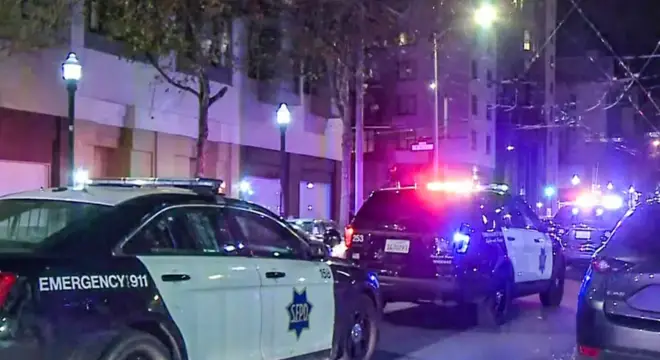
Early Morning Blaze Destroys Iowa Home, Fire Crews Respond Quickly
I woke up to the details of this Iowa home fire, and the first thing that struck me was the timing. A fire that starts around 5 a.m. is every homeowner’s worst scenario — you’re half asleep, the house is quiet, and your senses are at their lowest. That’s what makes this incident in Woodward hit a little harder.
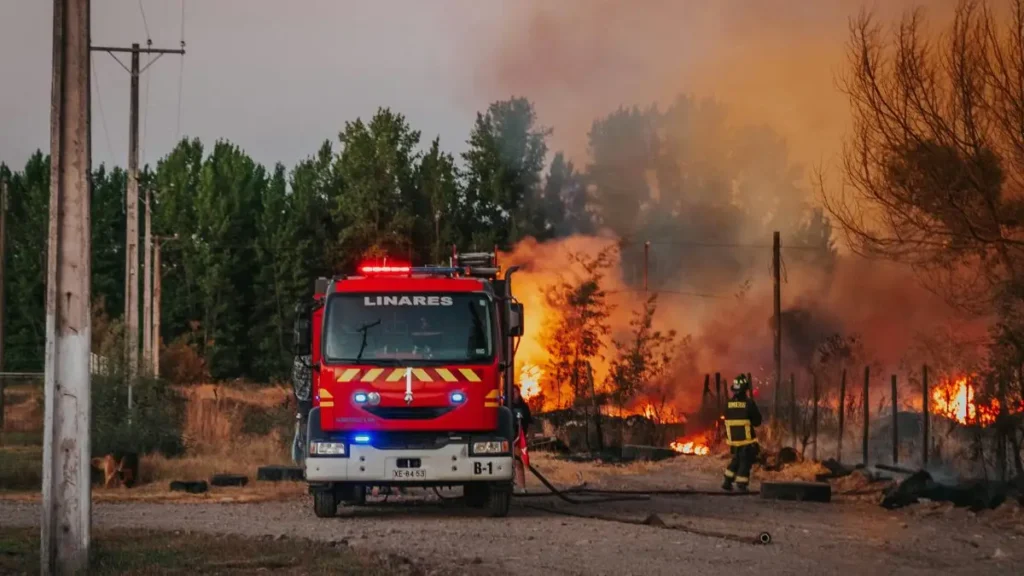
Fire crews from Woodward, Perry, Bouton, and Madrid rushed to a home on the 31000 block of 145th Lane after reports of flames tearing through the house. By the time they arrived, the entire structure was already engulfed. When a rural home goes up this fast, it usually means one thing: the fire had a head start before anyone noticed.
Two people were inside when it began. They managed to escape — thankfully — and no injuries were reported. That’s the part I keep coming back to. Early-morning fires don’t usually end with everyone making it out safely, and if you’ve ever lived in the countryside, you know how long those minutes feel while waiting for help to arrive.
The house, though, couldn’t be saved. Fire crews called it a total loss, and investigators are now trying to piece together where and how it started. That process takes time, especially when there isn’t much left to examine.
Before we move on, let me ask you something: When was the last time you checked your smoke alarms or your home’s early-warning systems?
Why Early-Morning Fires Are So Dangerous?
If you’ve ever been woken up suddenly, you know that feeling — your mind needs a few seconds to catch up. That’s exactly why early-morning fires are so deadly. You’re slower. Your reaction time is off. Your home feels familiar, but in the dark, even the hallway can disorient you.
Most fatal home fires in the U.S. happen between 11 p.m. and 7 a.m. It’s the window where almost every safety habit breaks down. You’re asleep. You’re not cooking. You’re not watching plugs or heaters. And if something smolders long enough, the fire has already gained a dangerous advantage by the time anyone notices.
That’s what makes the Woodward incident so unsettling. A fire breaking out at 5 a.m. means the homeowners had almost zero margin for error. They made it out — but it easily could’ve gone a different way.
I’m telling you this because when you understand why these hours are risky, you start thinking differently about the “boring” things like smoke alarms, closed bedroom doors, and escape paths. And those tiny decisions are what save lives.
What We Know — and What Investigators Will Look For
Right now, the official cause of the Woodward fire hasn’t been released. Fire investigations aren’t quick, especially when the structure is heavily damaged. The team has to dig through layers of debris, look for burn patterns, check electrical points, and confirm whether the fire started inside or outside the home.
If you saw the early coverage from WHO13, they noted the same thing — the house was already fully engulfed when firefighters arrived. When that happens, a lot of early clues are lost. Investigators have to rely on whatever didn’t collapse or burn completely, small fragments of wiring, heating units, appliances, and anything that might hint at the ignition point.
Most Iowa home fires come from a few familiar culprits:
- Electrical issues
- Space heaters or furnace malfunctions
- Unattended cooking
- Smoking materials
- Faulty wiring in older rural homes
I don’t want to speculate about this case, but these are the patterns investigators check first.
And if you’re reading this as a homeowner, here’s the part that actually matters: You don’t need a full investigation to learn from someone else’s disaster. You just need to look at your own home with the same critical eye.
It reminded me of the Missouri case where investigators also struggled with limited early clues — that fire claimed three lives before crews could even get inside, and the investigation followed a similar pattern.
The Firefighting Response — And Why Rural Fires Hit Hard
One thing I always pay attention to in rural fire calls is the teamwork. When departments from Woodward, Perry, Bouton, and Madrid respond together, it tells you the fire wasn’t small. It also tells you how tight-knit Iowa’s volunteer and small-town crews are.
If you check the Woodward Fire Department’s official Facebook post, they described how the home was already consumed by flames when they arrived. Posts like that are more than routine updates — they show you the reality of rural firefighting.
Long drive times. Limited water sources. Darkness. Cold. And the pressure of knowing a family’s whole life is burning in front of you.
Most people in cities never think about this. But out here, response time depends on distance, roads, and whether another department needs to send backup. That’s why so many rural Iowa fires become total losses even when firefighters move fast.
When you read the comments on that Facebook post, you’ll notice something else: Neighbors rallying. Offering clothes. Asking how to donate. Checking if the family needs a temporary place to stay. That community instinct is something big cities lost a long time ago.
We’ve seen the same heartbreaking outcome in more urban settings too, like the Bronx fire where a 90-year-old woman didn’t make it out in time despite firefighters reaching within minutes.
The Home Was a Total Loss — What That Really Means
When firefighters call a home a “total loss,” it’s not just about flames. It means the structure can’t be repaired. The heat, smoke, and collapse risk make it unsafe to rebuild. For a homeowner, that’s everything — photos, clothes, documents, all gone within minutes.
In rural homes, rooms tend to burn hotter and faster because of older materials, long travel times for responders, and the amount of open air feeding the flames. By the time firefighters can switch from defensive mode to inspection, the damage is already irreversible.
If you’ve ever walked back into a burned home, you know the silence hits harder than the damage. It’s the shock of realizing what can never be recovered.
And that’s where the emotional cost is always bigger than the financial one.
I also follow a small WhatsApp alert channel that shares early fire reports from across the Midwest — updates like these help you notice patterns you’d normally miss.
How the Family and Community Are Coping?
The two people who lived in the home made it out safely, but losing a house in the early hours of the morning leaves you in a fog. You’re standing in cold air, watching your life fade into smoke while the sun rises behind you. It’s disorienting, even when you’re physically unharmed.
In small Iowa towns, word spreads fast. Support usually comes quicker than official reports — neighbors dropping off blankets, someone calling the Red Cross, someone else checking for pets or salvaging anything that wasn’t burned. That community response becomes the first layer of healing.
As the investigation moves forward, the family will have to deal with insurance, temporary housing, and the shock of restarting from scratch. If you’ve ever been through a loss like this, you know it’s not the physical rebuilding that’s hardest — it’s adjusting to the sudden change in everything familiar.
And even if you’re just reading about it, it’s a reminder of how fragile our routines are. One spark can rewrite a life story before sunrise.
What Iowa Homeowners Can Learn From This Fire?
Any time I read about a fire like the one in Woodward, I can’t help thinking about how vulnerable most of us really are. We walk around assuming we’ll get a warning, assuming we’ll wake up in time, assuming we’ll smell the smoke. But fires don’t work on our schedule.
So let me share the things that actually make a difference — not theories, but the simple habits that save lives in homes just like this one.
Check your smoke alarms. Not someday. Not when you remember. Today. Early-morning fires are deadly because people are asleep. Your alarm is the only reason you’ll have a fair chance.
Look at your heating setup. Iowa winters push furnaces, space heaters, and old wiring harder than we realize. If anything smells odd, hums louder, or trips a breaker, don’t brush it off. Problems don’t fix themselves.
Clear your escape paths. You’d be surprised how many homes have blocked hallways, crowded exits, or windows that don’t open freely. During a 5 a.m. fire, seconds matter, and you can’t fight with a jammed lock or a pile of laundry.
Have one conversation with your family. Just one. Where do you meet outside? Which door do you use first? Who grabs the kids? Who calls 911? You don’t need a “plan” — you just need clarity.
These might sound small, but they’re the exact habits I see missing every time a major fire makes the news. And when a family escapes with seconds to spare, it’s never luck — it’s preparation they probably never talked about publicly.
So before you scroll away, ask yourself: If a fire started in your home at 5 a.m., what would your next 60 seconds look like?
If you’ve ever read about the Mashpee mobile home fire, you already know how one overlooked hazard can turn deadly within minutes — that case is a clear example of why small precautions matter.
The Investigation Continues — What Happens Next
Fire investigations don’t wrap up overnight, especially when a home is burned beyond recognition. The team will look for burn patterns, heat signatures, wiring remnants, appliance fragments, and anything that survived the collapse. Sometimes they find a clear answer. Sometimes they don’t. Both outcomes are normal.
In a case like this, the State Fire Marshal or local investigators will release updates once they’re certain — not before. It can take days, sometimes weeks, because accuracy matters more than speed. Families deserve the truth, not guesses.
For neighbors and readers, the best way to stay informed is through the official channels — the Woodward Fire Department’s Facebook page and the Dallas County Sheriff’s updates. They’ll share the confirmed details as soon as they have them.
And while we wait, there’s one thing worth remembering: Every investigation, no matter the outcome, becomes a lesson for someone else. A small fix in one home can prevent another total loss halfway across the state.
So here’s my question to you as we wrap up this part of the story: Do you want me to break down how home fire investigations actually work, step-by-step — or should we move on to another part of the article?
If you want more breakdowns of real home fire cases and what they teach us, you can explore more of our safety and incident reports on our website — there’s a lot there that can help you protect your own home.
Disclaimer: The details in this story are based on early reports from local authorities and may be updated as the investigation continues. Fire cause findings can change once officials complete their full examination of the scene. Readers should follow official updates from the Woodward Fire Department and the Dallas County Sheriff for the latest confirmed information.