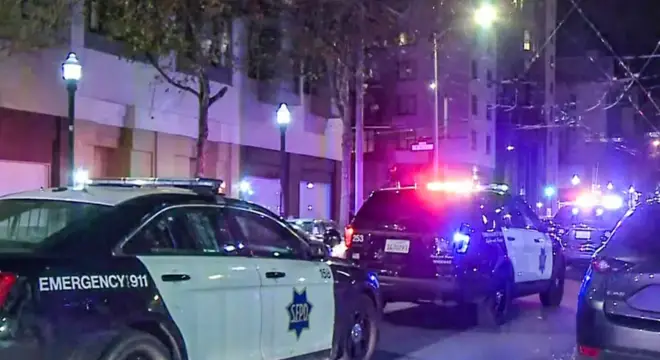
Fire Erupts in Palm Springs Mobile Home, Six Displaced
I read the initial reports and felt for the six people left without a roof after a fire broke out Tuesday morning near the Windy Cove area north of Palm Springs. The call came in about 11:55 a.m. on Bonanza Road, and CAL FIRE’s first crew found smoke pouring from a double-wide mobile home.
Firefighters knocked the blaze down quickly and, thankfully, no injuries were reported — but six residents are now displaced and facing the sudden loss of their home.
Right now the cause is unknown, and that uncertainty is exactly why this story matters: it’s about people, safety gaps, and what comes next for a vulnerable community.
What Happened: A Clear Timeline of the Fire
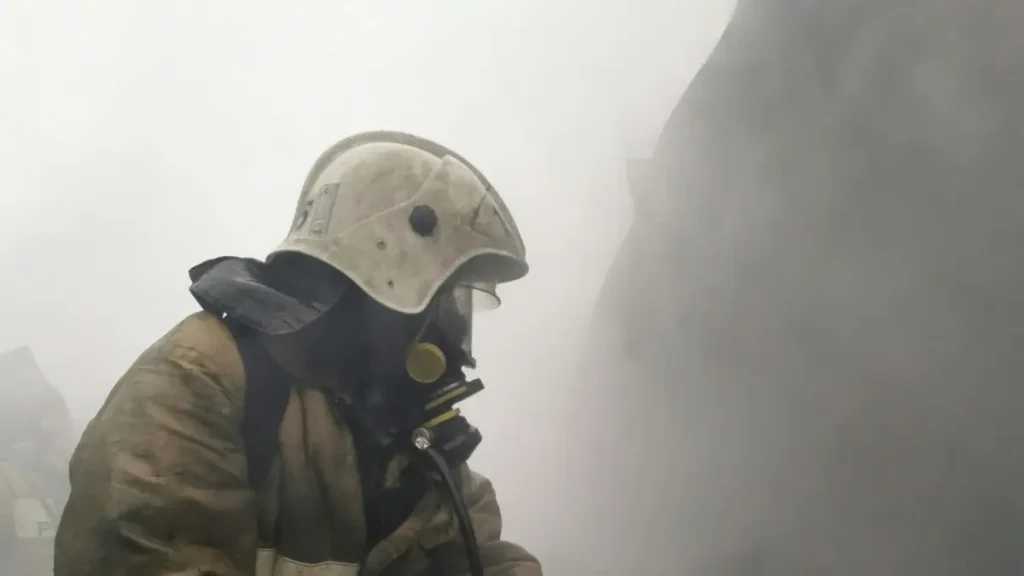
When I went through the KESQ report, one thing stood out — how fast everything unfolded. According to KESQ News Channel 3, the call came in around 11:55 a.m. from Bonanza Road, a quiet stretch near the Windy Cove area. It was one of those mid-day fires that start without warning and leave people scrambling within seconds.
By the time CAL FIRE arrived, smoke was already pushing out of a double-wide mobile home. You can imagine the scene: firefighters stepping out, sizing up the structure, and trying to figure out how far the fire had spread before anyone even realized what was happening.
What helped this time was the speed. The fire was knocked down quickly, which likely prevented it from spreading to nearby homes — a real danger in mobile-home communities where units sit close together.
Impact on Residents: Six People Left Without a Home
The part that hits hardest is simple: six people walked out with their lives, but not their home. Imagine stepping outside in the middle of the day and realizing everything you own might be gone or damaged beyond repair.
There were no injuries, which is a relief, but displacement carries its own weight. People now have to find a place to sleep, deal with the shock, and figure out what recovery even looks like. Mobile homes don’t burn halfway — once fire gets in, the space becomes unlivable fast.
And when the cause isn’t known yet, residents don’t just lose their home — they lose their sense of safety. That uncertainty lingers.
We’ve seen similar emotional fallout in other cases too, like the Henrico early-morning house fire that claimed a woman’s life, where the community struggled with sudden loss and unanswered questions
Cause Still Unknown: What Investigators Will Look For
Right now, there’s no official word on what started the fire. And honestly, that’s normal in the first few hours. Investigators need time to sort through debris, interview residents, and examine the points where fires typically begin.
In mobile homes, they often start with things we all use every day — wiring, appliances, heaters, kitchen areas. I’m not saying that’s what happened here; I’m saying those are the patterns experts review when early reports don’t give a clue.
Until CAL FIRE completes its review, everyone — especially the people who lived there — is stuck with that uneasy question: Could this happen again?
Investigators often take time to confirm what triggered a blaze — similar to the Camillus house fire where officials spent days identifying the victim and piecing together what happened.
Mobile Homes & Fire Risk in Desert Regions
The location plays a bigger role than people think. Mobile homes in desert areas face two things at once:
dry air and aging materials. That combination makes fires spread faster than in standard built homes.
Most mobile homes — especially older double-wides — rely on thinner walls, older wiring, and ventilation systems that wear down over time. Add a bit of midday wind, and a small fire becomes serious in minutes.
And unlike traditional neighborhoods, mobile-home communities are packed tighter. A fire isn’t just a personal emergency — it’s a neighborhood threat.
Local residents often share early alerts and on-ground updates in community WhatsApp channels — following one helps you stay aware before official reports come out.
Firefighters’ Quick Knockdown: Why It Mattered
One thing that worked in everyone’s favor was the fast response. When CAL FIRE knocked the blaze down quickly, they didn’t just save the structure — they protected the entire row of homes around it.
Mobile-home fires can double in size in just a couple minutes. So a quick knockdown isn’t just “good performance” — it’s the difference between one family losing a home and an entire community facing a disaster.
I’ve seen past incidents where slow response times turned a single-unit fire into a multi-home loss. That didn’t happen here, and that deserves attention.
What Happens Next: Updates to Watch
At this point, we’re in that quiet window after a fire where the big questions are still hanging in the air. Investigators will be going through the debris to figure out the exact cause, and that could take days. You’ll also start seeing assessments of how badly the home was damaged and whether anything is salvageable.
For the six people who lived there, the next steps are heavier. They’ll need temporary housing, paperwork, and help from county services or groups like the Red Cross. A fire takes minutes to knock down, but recovery is slow and personal. What they really need now is clarity — what happened, what they can do next, and who’s willing to support them while they rebuild their lives.
We will share updates as they come, but this is one of those stories where the follow-up matters even more than the initial report. Answers bring closure, and closure brings stability.
Safety Reminder for Local Mobile-Home Residents
If you live in a mobile home or have family who does, this is the part I want you to take seriously. Fires in these communities don’t give you warning time. The best thing you can do is stay ahead of them.
Check your smoke alarms — not “someday,” but now. Look at the wiring under your home, especially if it’s an older unit. Make sure exits aren’t blocked, and keep the area around your home clear so firefighters have space if something goes wrong. And if you ever smell something off — a burning scent, a flicker from an outlet — don’t ignore it. Most major mobile-home fires start from the kind of issues people brush off.
Small steps aren’t dramatic, but they prevent days like this.
Just a reminder of how quickly things can turn tragic: in Washington State, a home fire took the life of an 11-year-old boy and three pets, all within minutes.
Final Thoughts
Every time I cover a story like this, I’m reminded how quickly life can flip. One minute you’re going about your day, and the next, a fire forces you out of your home with nothing but the clothes you’re wearing. That’s why I never treat these incidents like just another headline — because for the families involved, it’s a whole new reality starting from zero.
If you live in a mobile home or a tight-knit community like the Windy Cove area, let this be your nudge to double-check the basics: working smoke alarms, clear exits, safe wiring, and a plan you’ve actually walked through at least once. You don’t need expensive gear to stay safer — you just need to take that first step before something goes wrong.
And beyond the safety angle, moments like this ask something from the rest of us too: empathy. Six people lost their home in minutes. If you’re in a position to help — whether that’s donating, sharing resources, or just checking on a neighbor — it matters more than you think.
What about you? Has an incident like this ever made you rethink your own home’s safety?
If you follow fire-safety incidents or want deeper coverage on similar cases, you can explore more updates on our Home Incidents section.
Disclaimer: The information in this article is based on early reports and updates available at the time of writing. Details may change as officials release more verified findings. Always refer to local authorities or official updates for the most accurate information.