Euless Home Burns After Reported Explosion in Garage
When I first heard about the house fire on Greenbriar Drive, the detail that stood out wasn’t the flames — it was the explosion. Imagine sitting at home late at night and suddenly hearing a blast from your own garage. That split second of confusion, fear, and instinct is exactly what the people inside this Euless home went through. And honestly, that moment changes everything.
Fire crews say the explosion came first, and within minutes the fire had already pushed its way through parts of the house. The three people inside managed to get out, but they didn’t walk away untouched — smoke inhalation is no small thing. I’ve covered incidents like this for years, and any time a garage explosion is involved, the situation usually escalates fast.
This case is still under investigation, so we don’t have all the answers yet. But the way it unfolded tells us a lot about how quickly things can go wrong when something ignites in a confined space like a garage. And if you’re a homeowner, or even someone living in a rental with a garage attached, stories like this hit a little closer than we’d like to admit.
What’s your first instinct when you hear about a situation like this — do you think about the people inside, or do you think about your own home and whether it’s safe?
How the Fire Unfolded, Minute by Minute?
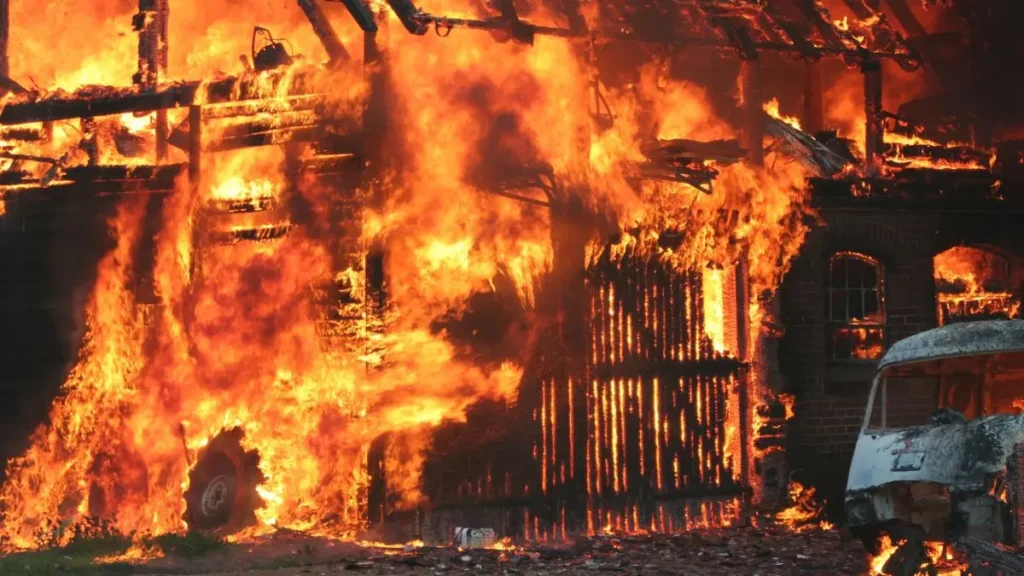
The timeline of this incident is what really stays with me. According to the early reporting from NBCDFW, the residents heard the explosion in their garage first — loud enough that they immediately knew something was wrong. From what firefighters shared, the fire didn’t take long to show itself after that. Flames started pushing through parts of the house within minutes.
If you’ve ever seen how fast a garage fire can move, you know it doesn’t give you time to think. So the fact that the people inside reacted quickly, called 911, and got out before the smoke overwhelmed them… that probably made the difference between injury and something far worse.
When fire crews arrived, they were dealing with a house that was already compromised by both the blast and the flames. And that combination is always tricky — the structure is unstable, visibility is low, and the heat builds faster than most people realize.
I’ve seen many fires where those first few minutes decide everything, and this one fits that exact pattern.
The Garage: Where Everything Started
Anytime you hear “explosion in the garage,” your mind automatically goes to a few possibilities. Garages are the one place in most homes where heat, electricity, fuel, and clutter sit in the same closed-off space. It’s a bad recipe when something goes even slightly wrong.
Residents in this case told crews they heard the blast from the garage, and I’m not surprised. Most explosions in homes start there — a gas leak from a parked car, a faulty water heater, electrical sparks, or even fumes from stored chemicals that suddenly ignite. And because garages don’t always have proper ventilation, pressure builds quickly.
I’ve seen incidents where a single spark from flipping on a light switch was enough to ignite trapped fumes. It doesn’t take a dramatic scenario; it just takes the wrong conditions lining up at the wrong moment.
I’ve seen cases where a small spark inside a garage turned into a full rescue situation — like the one in East Charlotte where firefighters managed to save a puppy from a burning home.
The People Inside: What We Know About Their Condition
Three people were inside the home when the explosion happened, and all three made it out. That alone tells you how fast they reacted. But they’re now being treated for smoke inhalation, and if you’ve ever talked to firefighters or ER doctors, you know that smoke is often more dangerous than the flames themselves.
Breathing in super-heated air, soot, or toxic chemicals released during a fire can hit your lungs in a way you don’t forget. Even mild inhalation can leave you coughing for days; severe exposure can land you in the hospital.
Anytime I hear “treated for smoke inhalation,” I think of how lucky the outcome could have been. Fires don’t give you second chances.
It reminded me of another incident in North Tonawanda where a family lost their entire home before crews could stop the flames — situations like that stay with you.
What Investigators Are Examining Right Now?
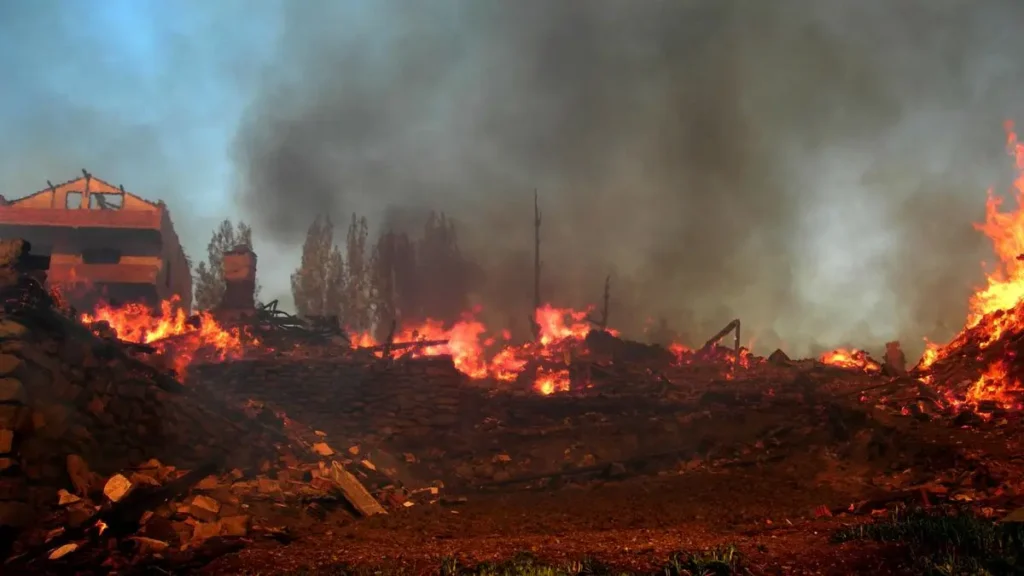
At this point, fire officials have been very clear: the cause isn’t confirmed yet. And honestly, that’s normal. When there’s an explosion involved, the investigation takes longer because everything from wiring to appliances to stored materials has to be checked piece by piece.
Investigators usually look for a few common triggers — gas leaks, malfunctioning heaters, faulty electrical work, chemical vapors, or any sign of ignition that shouldn’t have been there. In a garage, almost anything can become a clue: a burned outlet, a ruptured tank, a melted appliance, even traces of fuel on the floor.
I’ve watched enough of these cases to know investigators don’t guess. They build the cause backward from burn patterns, debris, and pressure marks. Until they say something official, every theory stays on the table.
What Typically Causes Garage Explosions?
Because investigators haven’t released a cause yet, the best thing we can do is look at what normally triggers explosions like this. And if you’ve ever maintained a home with a garage, some of these might feel uncomfortably familiar.
Gas vapors are the most common culprit — especially if you park a car that has even a slight fuel leak or you store gasoline for tools. All it takes is one spark from wiring or a motor to ignite trapped fumes. Faulty water heaters are another big one; a cracked valve or an unvented gas buildup can lead to sudden ignition.
Electrical issues are just as dangerous. Many garages have old outlets, overloaded extension cords, or exposed wiring. Add flammable materials — paints, oils, solvents — and you’ve got a space that can go from quiet to explosive without warning.
I’ve seen experienced homeowners underestimate garages because they’re “just storage spaces.” But in reality, a garage is the most unpredictable room in the house when something ignites.
What Homeowners Can Learn From This?
Whenever I hear about a garage explosion, the first thing I think is: how many of us have the same risks sitting quietly in our own homes? Most people don’t do regular checks, and honestly, garages become “dumping zones” where things pile up over the years.
You don’t need to overhaul your entire home to stay safe — just a few habits make a real difference. Keep anything flammable away from heat sources. Don’t store gasoline, paint thinners, or old chemicals in a closed-off space.
Make sure your car isn’t leaking fuel. And please, if your garage has a water heater or furnace, treat it like a living thing — get it inspected every now and then.
One thing I always tell people: install a smoke detector or gas detector near the garage. It’s cheap, and it alerts you long before you smell anything yourself. Little steps like these don’t guarantee nothing will ever happen, but they do give you time — and time is what saves lives in these situations.
Think of it this way: the residents on Greenbriar Drive got out because they reacted fast. Anything that buys you even 30 seconds is worth it.
How the Neighborhood Was Affected?
Anytime a fire starts in a quiet neighborhood, the impact goes beyond one family. Early morning calls to 911, sirens, engines lining the street — it shakes everyone awake, literally and emotionally. Fires have this way of reminding people how fragile our routines really are.
From what we know, crews managed to keep the flames from spreading to nearby homes, and that’s huge. In tightly packed residential areas, a burning garage can turn into a block-wide problem if the wind is wrong or if the structure collapses outward.
I’ve covered enough of these incidents to know neighbors often step outside wondering if their own homes could face the same risk. And honestly, that concern isn’t a bad thing. These moments wake us up. They push communities to check their electrical setups, clean out storage areas, and talk about emergency plans they’ve ignored for years.
Sometimes awareness is the only good thing that comes out of a night like this.
I often share quick home-safety updates and real-time fire incident alerts on a WhatsApp channel I follow — it’s been surprisingly helpful for spotting patterns before they turn into problems.
What Happens Next: The Investigation and Updates
Right now, the fire department is still piecing together what sparked the garage explosion. And until they release something official, the best thing to do is stay patient and let them work through the details. These investigations aren’t quick — debris has to be sifted, burn patterns analyzed, and every possible ignition source tested.
What usually happens next is simple:
- Officials narrow down the “most likely causes.”
- Engineers or inspectors confirm whether any equipment failed.
- The department releases a public update once they’re confident.
Since authorities have already said more information will be shared later, you can expect a follow-up statement about the cause, the damage assessment, and possibly how long it took to fully extinguish the fire.
If you live in the area, keep an eye on local fire department channels or city alerts — they tend to post official updates faster than the news outlets.
It’s similar to a recent case in Paradise where firefighters managed to contain a fast-moving blaze before it spread through the neighborhood.
A Real-World Reminder for All of Us
Fires like this one always leave me thinking about how quickly things can flip. One minute, you’re inside your home like any normal night. The next minute, you’re running through smoke trying to get out. The residents on Greenbriar Drive did everything right — they reacted fast, they called for help, and they made it out alive. Not everyone gets that chance.
If you’ve got a garage, take a few minutes this week to look around. Is anything leaking? Is anything stacked near an outlet? When was the last time you checked your appliances or wiring? These aren’t big tasks, but they can stop a disaster from ever starting.
And if this incident made you think about your own home, that’s a good thing. It means you’re paying attention — and that’s where safety always begins.
Let me ask you this: when was the last time you checked your garage or storage area for anything that could become a fire risk?
If you want to stay ahead of incidents like this, check out our home incidents section — it really helps you understand how these situations unfold and what you can learn from them.
Disclaimer: This article is based on currently available information and may be updated as officials release new details. Nothing here should be taken as legal or investigative guidance. Always rely on local authorities and official reports for final conclusions about the incident.