Top 5 Reasons Your Ducts Are Making Loud Noises — And How to Stop Them
I remember the first time I heard a loud bang coming from my ductwork—it made me jump out of bed in the middle of the night. You’ve probably been there too: one moment your HVAC is running quietly, and the next, it sounds like someone is hammering inside your walls. It’s not just annoying; it can make you worry about damage, safety, or even hidden repair costs. Over the years, I’ve seen countless homes with the same problem, and the good news is, most of the time, it’s not a major disaster.
In this article, I’m going to walk you through the five most common reasons your ductwork is banging and, more importantly, how you can fix it—sometimes with simple tweaks, and sometimes knowing exactly when to call a pro.
Why Does Ductwork Even Bang? (What’s Behind Those Sudden Noises)
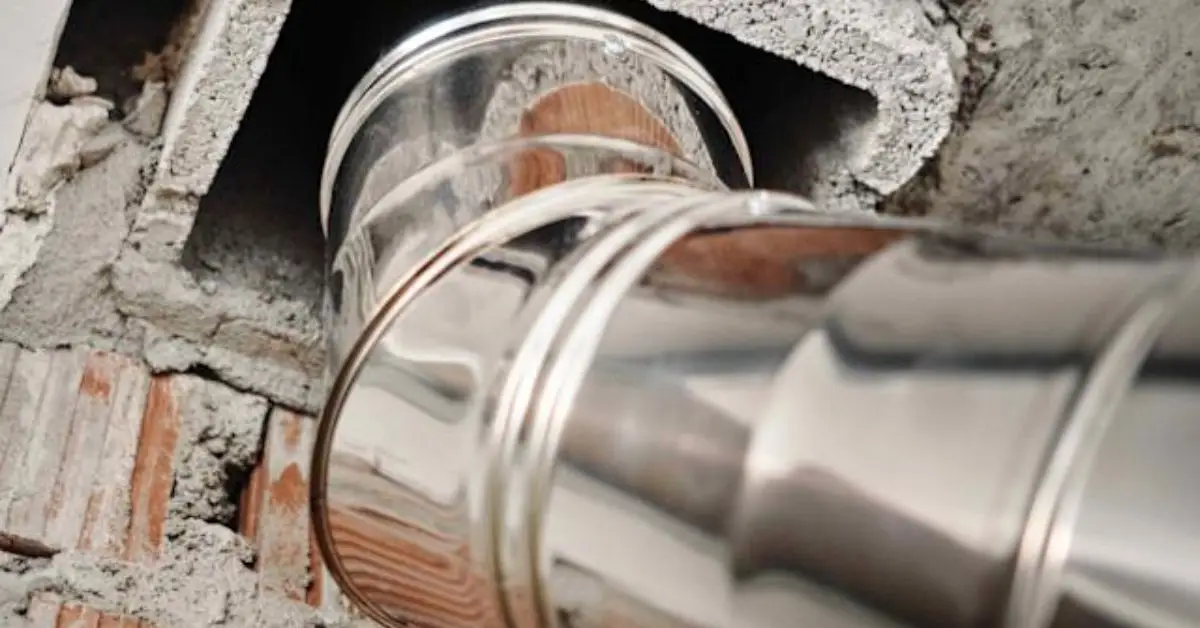
When I talk to homeowners about loud pops or bangs coming from their ducts, I always start here. Before you assume something’s broken, it helps to understand the simple physics behind those sounds. Once you know what’s happening inside the metal, the whole situation feels a lot less stressful.
Thermal Expansion And Contraction Of Metal Ducts
I’ve seen this in countless homes over the years. When warm air moves through cold sheet metal, the ducts expand. When the system shuts off and the metal cools, they contract. That constant movement can create:
- Sharp popping sounds
- Sudden hollow bangs
- Light creaking or ticking
If you have long rectangular duct runs, you might also hear the “oil-canning” effect — the flat duct panels flexing in and out as temperatures shift. It can sound dramatic, but most of the time it’s just normal behavior.
The important thing to remember is this: these noises might be annoying, but they’re often harmless. It’s the duct metal reacting to temperature swings, not a sign of major damage.
Pressure Fluctuations Inside The Duct System
The other big culprit is pressure. When your furnace or AC first kicks on, the airflow ramps up fast. If the pressure on the supply and return sides isn’t balanced, the duct walls can flex for a split second — that’s the bang you hear.
Common triggers include:
- Too many closed or blocked vents
- A clogged air filter
- Ductwork that’s undersized for the system
As explained in this guide from Angi, sudden pressure changes can make ducts “snap” or “pop” even when nothing is actually broken.
So when you hear that quick bang, don’t assume the worst. In many cases, it’s just air shifting and the ducts reacting to it.
5 Most Common Real Causes Of Banging (And What They Mean For You)
When I break down ductwork noise for homeowners, these five causes show up again and again. Some are simple fixes you can handle yourself, and others point to deeper issues in the system. The goal here is to help you understand what’s really happening so you know where to look first.
1. Dirty Or Clogged Air Filter
I always start by checking the filter because a restricted filter can choke the system fast. When airflow gets blocked, the supply side builds too much pressure while the return side struggles to pull in enough air. That imbalance makes the ducts flex, which is why you hear those sudden bangs.
You’d be surprised how many people don’t touch their filter until the air stops feeling strong or their energy bill jumps. If you haven’t checked it recently, do it now — it’s one of the easiest fixes for duct noise. If cleaning and maintenance feel overwhelming, I recently shared some clever ways homeowners can simplify routine chores — including using tools you probably already own — in my guide on unexpected ways to use a leaf blower inside and outside your home.
2. Closed Or Blocked Vents, Or Stuck Dampers
When too many vents are shut or furniture is blocking airflow, the system can’t move air the way it’s designed to. Pressure backs up, and the ducts respond with sharp popping or banging when the air forces its way through.
Old or worn dampers can also snap open or shut, adding to the noise. A lot of homeowners try closing vents to “save energy,” but in reality, it often does the opposite and stresses the system.
3. Poorly Sized Or Poorly Designed Ductwork
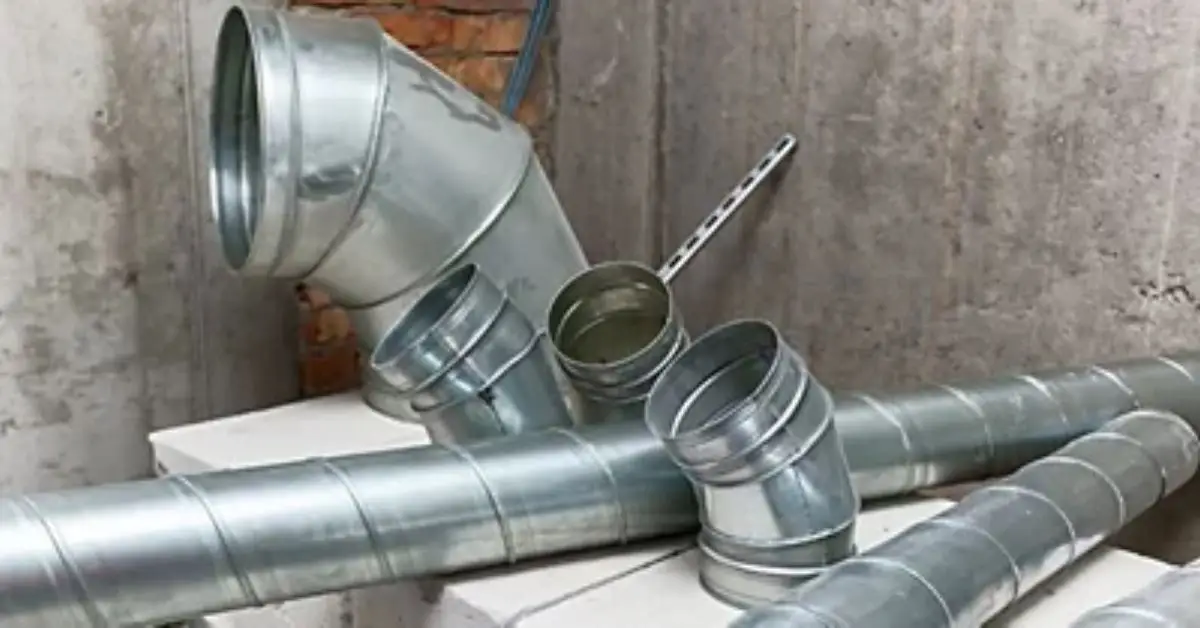
I see this a lot in newer builds and rushed remodels. If the ducts are too small for the HVAC unit, they can’t handle the volume of air being pushed through them. The pressure spikes, the metal flexes, and you get loud, repeated banging.
Weak or thin duct material makes the problem worse. Rectangular ducts flex more easily, while round ducts generally handle pressure better. When banging keeps coming back after simple fixes, it’s usually a sign that the design or sizing isn’t right.
4. Loose Connections, Poor Sealing, Or Unsupported Ducts
Ducts shift over time. Joints loosen, straps sag, and sections can end up resting against framing. When the system turns on, those parts move just enough to rattle, slap, or bang against each other or the structure around them.
This isn’t always something you’ll spot at a glance, but it’s one of the most common issues I find in older homes. A little mechanical correction — sealing, bracing, or re-mounting — often clears it up.
5. Rapid Temperature Change Or Uninsulated Ducts
If your ducts sit in an attic, crawl space, or any unconditioned area, they’re exposed to big temperature swings. When very hot or very cold air hits that metal, expansion and contraction happen quickly and loudly. Older systems or missing insulation make the effect even stronger.
A good example is outlined in this guide from Pacific Heating & Cooling, where uninsulated ducts are one of the top reasons for sudden popping or banging.
This is where seasonal noise makes sense — you may hear more banging in winter as the ducts heat up fast, or in summer when cold air rushes through warm metal. If you often hear louder bangs during winter start-ups, it may be tied to how your heating habits push your system harder at night. I also break this down in my guide on why you shouldn’t leave your heater on all night, which explains how certain heating patterns create stress inside older ductwork.
How To Fix (Or Mitigate) Banging Ductwork: Practical Steps & When To Call A Pro
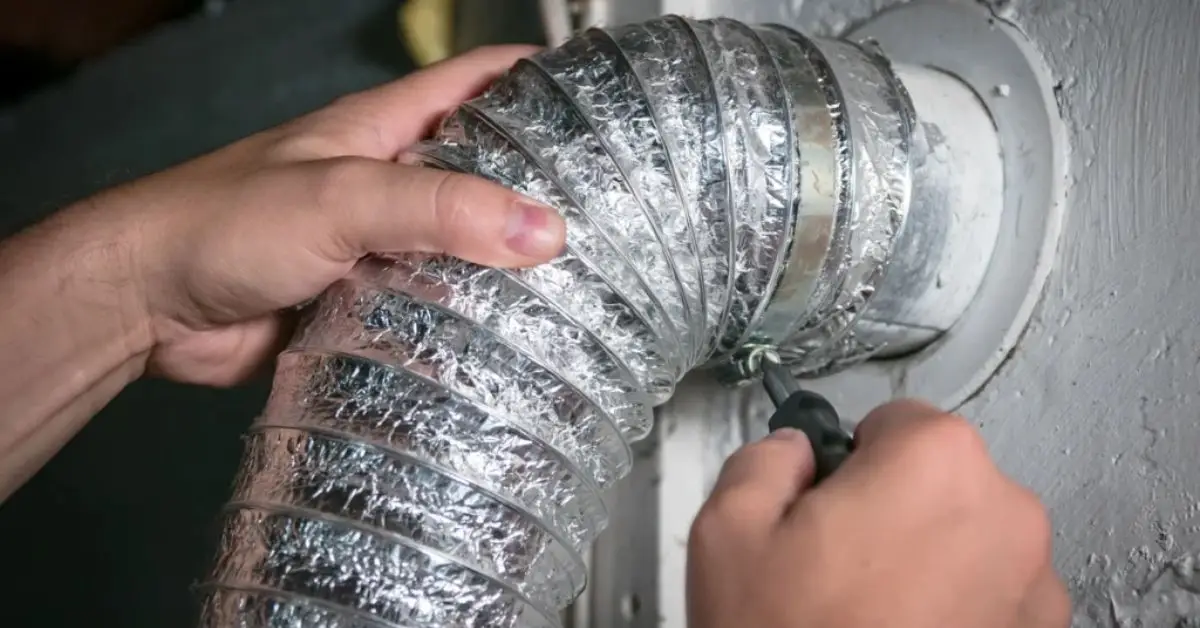
When I’m trying to quiet down banging ducts, I always start with the easiest wins. You and I can usually eliminate half the possible causes with a few quick checks — and that alone fixes the noise for many homeowners.
Start Simple: Check Or Replace Your Air Filter (And Make Sure The MERV Rating Is Right)
A dirty or overly restrictive filter chokes airflow, and that pressure buildup often shows up as banging. Replacing the filter is cheap, fast, and usually the first thing I check. If you recently switched to a very high-MERV filter, step down to a level your system can handle.
Ensure Proper Vent/Damper Configuration
Closed or blocked vents are a common trigger. When too many vents are shut, pressure spikes — and the ducts flex hard enough to make noise. Make sure enough vents are open and that old or sticky dampers are adjusted or replaced so air can move freely.
Inspect The Ductwork For Loose Joints, Sagging, Or Rubbing
Loose joints, sagging flex duct, missing screws, or duct sections rubbing against framing can all produce bangs or rattles. A visual inspection often reveals the culprit. Tightening, re-mounting, or adding proper supports usually stabilizes the system.
Add Insulation Or Noise-Dampening Materials
If your ducts run through attics, crawlspaces, or exterior walls, the temperature swing between the duct and the surrounding air can cause loud expansion and contraction. Insulating those runs or adding vibration sleeves helps soften that movement and reduce noise.
Fix Poorly Sized Or Poorly Designed Ductwork
If the ducts are too small, too thin, or shaped in a way that flexes under pressure, you’ll keep hearing noise no matter how many quick fixes you try. At that point, redesign or replacement is the long-term solution. This is usually the case when the noise is severe and persistent.
When To Call An HVAC Professional
If the banging keeps returning, you notice uneven airflow, your bills climb, or a new system starts banging right away, it’s time for a pro. As noted by Midwest Duct Cleaning, recurring banging can signal design or installation flaws rather than simple wear and tear.
If the noise is part of a bigger pattern like weak airflow or inconsistent temperatures, it might be one of the early signs your HVAC system needs urgent attention — something I explain in my guide on how to know your HVAC system needs repairs fast.
How To Diagnose What’s Causing The Bang In Your Home (Step-By-Step Checklist)
Here’s the same process I use when narrowing down the root cause. This helps you understand the pattern before you start fixing anything.
Step 1: Note When The Banging Happens
- Only when the system first starts?
- Only in extreme weather?
- After changing the filter?
- After closing vents?
- Randomly at night or early morning?
Patterns reveal whether the issue is thermal, airflow-related, or structural.
Step 2: Check The Basics
- Is the filter clean and the right MERV rating?
- Are vents open and unblocked?
- Are any dampers stuck, closed, or rattling?
- Are ducts insulated where they pass through unconditioned areas?
These quick checks rule out the most common airflow issues.
Step 3: Inspect Accessible Duct Sections
- Look for loose joints or sagging flex duct.
- Check for ductwork pressed against joists or framing.
- When the system turns on, listen for metal flexing or vibration.
- Feel around seams for drafts or minor leaks.
Anything loose, rubbing, or unsupported can create noise.
Step 4: Evaluate Older Or Poorly Installed Systems
- Note the duct material (thin metal vs heavier gauge).
- Identify long rectangular runs (more prone to flexing).
- Look for missing expansion joints or vibration sleeves.
- Check if insulation is present where it should be.
Older or rushed installations often skip critical support details.
Step 5: Know When To Bring In A Professional
If nothing obvious stands out or the pattern points toward undersized ductwork, design flaws, or structural pressure issues, it’s time to call a pro. When you call, ask about:
- Static pressure testing
- Proper duct sizing
- Material thickness
- Options for resecuring, redesigning, or insulating problem areas
Summary: How To Silence Your Ducts — Smart Priorities Based On Your Situation
If I had to boil everything down into a clear action plan, here’s how I’d approach banging ducts in any home — step by step, without overthinking it.
Start With The Quick Wins
When you hear banging, begin with the basics:
- Swap the filter for a clean, properly rated one
- Open enough vents so air can move without pressure spikes
- Check dampers to make sure nothing is stuck or half-closed
Most duct noise comes from simple airflow restrictions, and these fixes barely take a few minutes.
Move To Mid-Level Checks If The Noise Continues
If the banging still shows up, it’s time to look deeper. Check for:
- Loose joints or sagging duct sections
- Metal rubbing against framing
- Missing insulation in attics, crawlspaces, or exterior walls
These issues are still fixable without a full redesign, and addressing them usually makes the system quieter and more efficient.
Understand When It’s A Professional Issue
Persistent or loud banging — especially if it started with a new HVAC install or if airflow feels uneven — often points to deeper design problems. That may mean:
- Undersized ducts
- Thin or weak metal
- Poor layout or lack of support
- A system that was never matched correctly to the ductwork
At that point, having a pro evaluate the size, material, and layout is the only way to get a long-term solution.
Keep Your System Healthy With Regular Maintenance
A quiet system isn’t just luck — it’s upkeep. Cleaning, seasonal tune-ups, and periodic duct checks help prevent pressure issues, keep joints tight, and reduce the thermal stress that leads to popping or banging. It’s one of the best ways to avoid surprise noises down the line.
If you want help diagnosing your own home’s duct noise, drop a comment and tell me what you’re hearing — I’ll point you in the right direction.
And if you’d like more practical home-improvement guides, you can explore more at Build Like New.
Disclaimer: The information here is based on general HVAC practices and my professional experience, but every home and system is different. Always use caution when inspecting ductwork, and consult a licensed HVAC technician before making repairs that involve electrical, structural, or system-level changes.