The Hidden Problems Caused by Dirty Dishes Sitting Overnight
I used to think leaving a few plates in the sink was harmless — until I started seeing the small consequences add up. A single forgotten bowl turned into a smell I couldn’t ignore, then a stubborn stain, and once, a night I woke up worrying if that dinner left behind could actually make someone sick. It hooked me: this tiny habit wasn’t just untidy. It was quietly risky.
In this piece I’ll show you, plainly and with evidence, why you shouldn’t leave dirty dishes overnight. I’ll cover the real health risks, how pests and smells move in, why cookware and your time pay the price, and — most important — easy fixes that actually work when life gets busy.
No scare stories, no lecturing. Just clear, research-backed reasons and practical steps I use myself. Ready to stop letting your sink become a slow-burn problem?
What Happens When Dishes Stay Overnight in the Sink
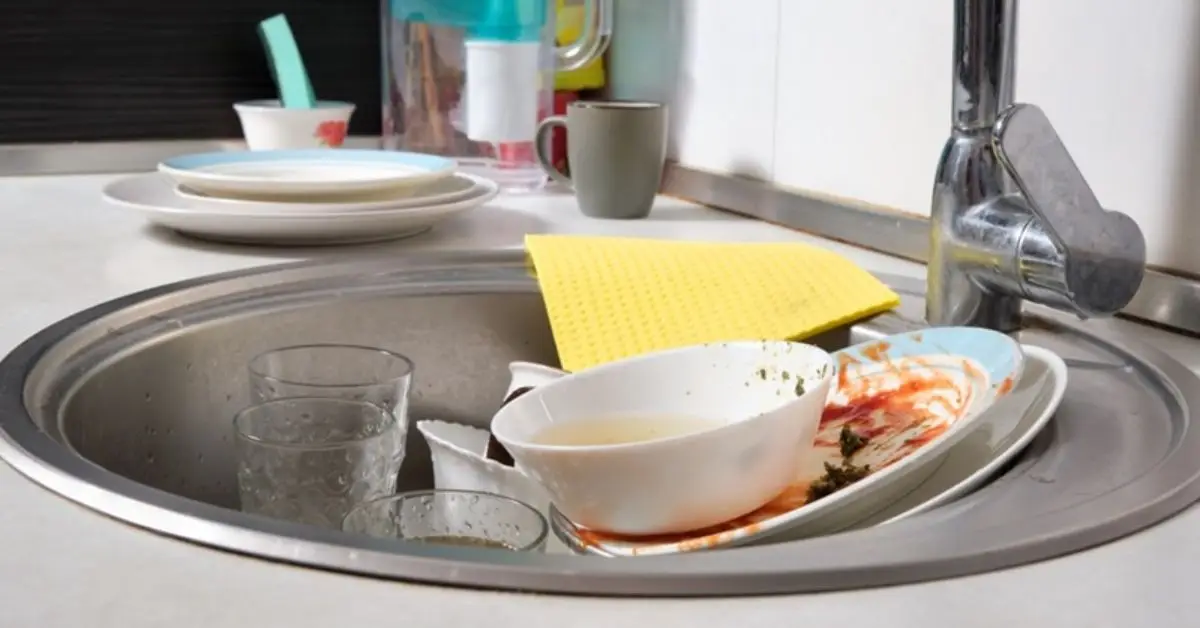
Bacteria and Pathogens: A Perfect Breeding Ground
When you leave plates sitting out overnight, you’re basically giving leftover food, moisture, and room temperature a full eight hours to work together — and that’s the exact mix bacteria needs to multiply fast. I’ve seen this happen more times than I’d like to admit. The fork that looked harmless after dinner turns into a small science experiment by morning.
Here’s what actually happens:
- Food residue holds moisture, and moisture keeps bacteria alive.
- Room temperature creates the zone where organisms like E. coli and Salmonella can double in number.
- Even tiny crumbs stuck on a plate can turn into a bacterial hotspot by the next day.
And when you soak everything together without thinking? That’s where the real trouble begins. A greasy plate, a cereal bowl, and a utensil that touched raw meat don’t belong in the same pool of water. When everything sits together, bacteria move freely from one surface to another, and suddenly “clean-looking” dishes aren’t clean at all.
If you want a simple breakdown of how this happens, Chowhound explains the pattern clearly.
You and I both know this isn’t just about looks or smell. It’s a real health risk sitting quietly in your kitchen overnight — and that’s why this part matters.
Pests and Infestations — From Sink to Kitchen
Now let’s get honest about the part nobody enjoys thinking about. When I started paying attention to my own habits, I noticed that whenever dishes stayed in the sink overnight, pests showed up eventually. Maybe not the next morning, but sooner or later — ants, a stray roach, fruit flies, something always found its way in.
And if flies have already started showing up around your sink, here’s a practical guide with proven ways to get rid of houseflies and keep them from coming back.
Dirty dishes create the perfect setup for pests:
- Food scraps act like a guaranteed meal
- Standing water gives them hydration
- Sink corners offer shelter and warmth
And pests don’t stop at the sink once they know they’re welcome. They spread into cabinets, behind appliances, and even into food-storage areas. At that point, it’s no longer about washing dishes — it becomes a full hygiene issue that takes time and effort to fix. If you’re curious about what guests tend to notice the moment they walk into a kitchen, this guide on the things people notice instantly in a kitchen can open your eyes to a few surprising details.
This isn’t about laziness at all. It’s about understanding how fast a kitchen can shift from “a little messy” to “a problem you didn’t see coming.” Once you see that chain reaction, it becomes easier to stop it before it grows.
When you and I keep up with the nighttime sink routine, the whole kitchen stays calmer, cleaner, and much easier to manage day after day.
Bad Smells, and Odor Transfer to Kitchen Surfaces
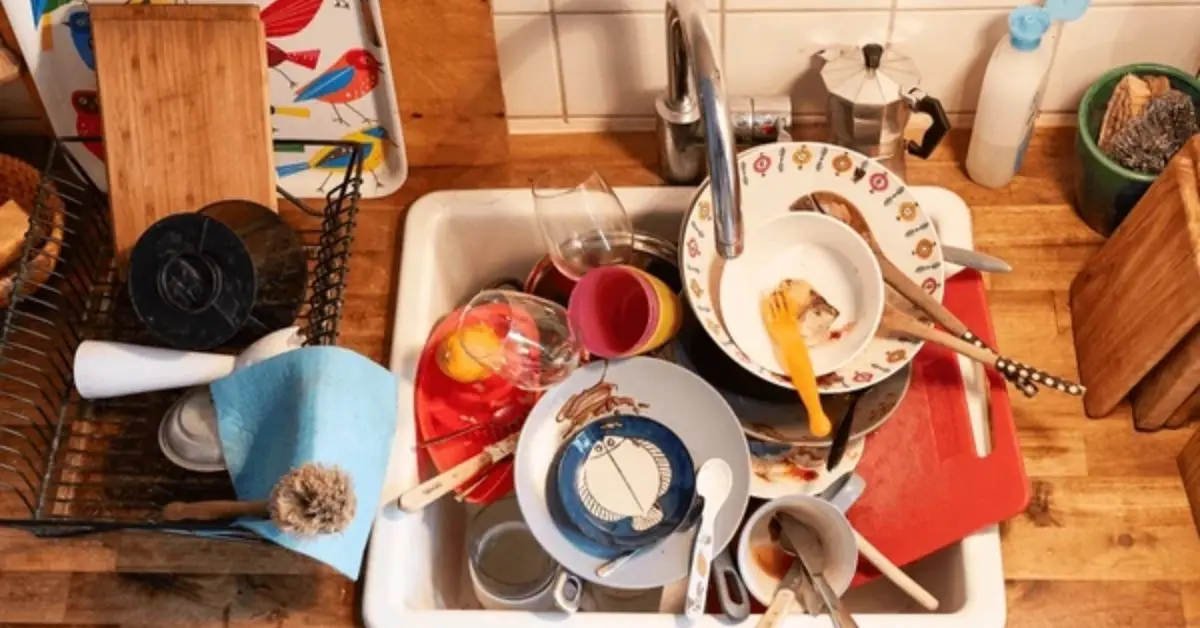
If you’ve ever walked into your kitchen in the morning and felt something was “off” before you even looked at the sink, you’re not imagining it. When food residue sits overnight, it starts to break down. That breakdown releases smells that get stronger the longer the plates stay untouched. I’ve learned this the hard way — one small bowl can take over the whole room by morning.
What makes it worse is how easily those smells cling to the things around them. Wood cutting boards, dishcloths, sponges, even curtains near the sink start to absorb the odor. They hold onto it in a way that feels like the smell has settled into the room instead of just floating around.
And the tricky part? These odors show up long before pests or visible bacteria do. By the time the kitchen looks dirty, the smell has already been working its way into everything. If you want to stay ahead of hidden contamination, this list of the high-touch surfaces that collect germs fastest can help you keep the most important areas clean.
To understand how quickly this happens, Martha Stewart’s home experts break it down.
Additional Risks: Damage to Kitchenware & Harder Cleaning Later
Food Stains and Surface Damage
Letting acidic or strongly colored foods sit out overnight is something I stopped doing once I saw what it did to my own pans. Tomato sauces, vinegar, citrus — anything with acid — slowly eats at the protective layers of cookware when left sitting. Bright-colored foods stain, and reactive metals can start to discolor or even leach into the surface.
You and I spend good money on decent pans and plates. Watching them get ruined simply because they sat in the sink overnight is frustrating and unnecessary.
This isn’t just about keeping things looking nice. It’s about protecting the tools you cook with every day and not replacing them sooner than you need to.
Food Hardens and Gets More Difficult to Clean
We’ve all had that moment where a plate looked easy to clean at night, and by the next morning it felt like someone glued the food onto it. Once food dries or sits in lukewarm water too long, it hardens in a way that needs real scrubbing power.
Here’s what that means for you:
- You spend more time cleaning one plate than you would cleaning three right after dinner.
- You scrub harder, which wears down your sponges and cookware.
- The extra effort makes you dread the next sink full of dishes.
What could take a minute turns into a small battle. And slowly, the habit of “I’ll do it later” becomes a cycle that drains your time and energy more than washing ever would.
The Often-Ignored Psychological & Lifestyle Dimension
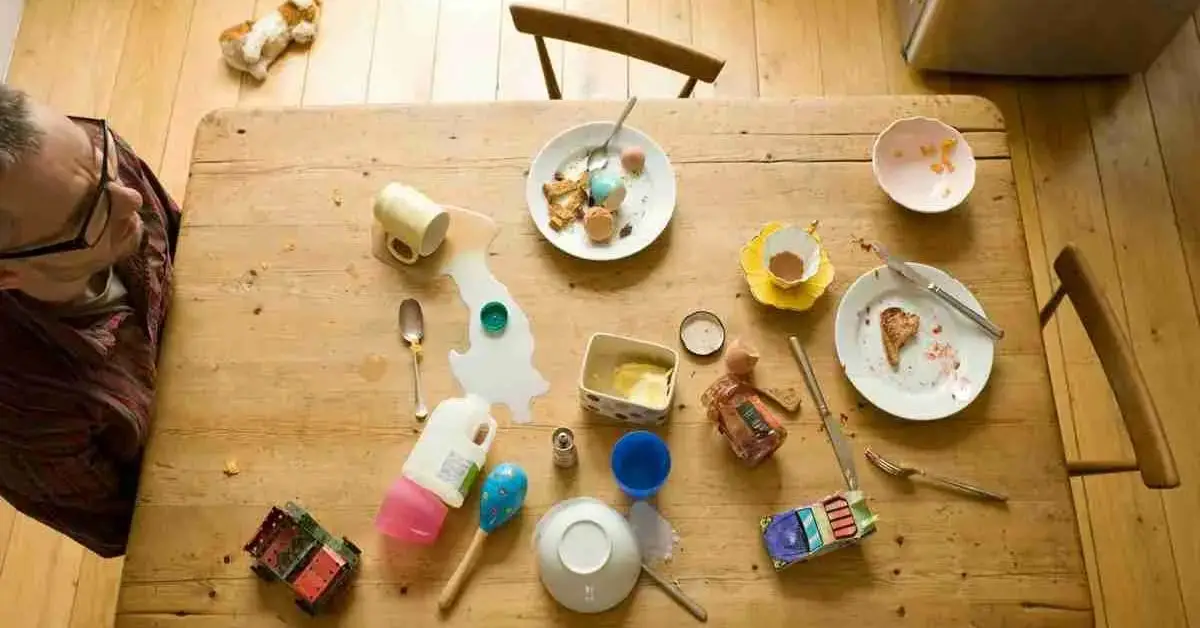
Visual Clutter, Mental Stress, and Cleanliness Inertia
I don’t think people talk enough about how a messy sink affects your mind. When dishes pile up, the kitchen feels heavier. Even if you’re not actively looking at the mess, you know it’s there. That tension sits in the background, especially in small apartments or shared homes where you can’t escape the view.
And once the pile grows, you hesitate to start. That hesitation becomes procrastination, and procrastination makes the mess worse — a loop that’s surprisingly hard to break.
A full sink feels like a weight you carry around your home. It’s more than hygiene. It’s mental space.
Habit Formation & Household Hygiene Culture
Leaving dishes overnight doesn’t feel like a “habit” the first few times. But it turns into one fast. Before you notice it, the sink becomes the place where things collect, not the place where things get cleaned.
In homes with kids, elders, or multiple adults, this habit spreads even faster. One person leaves dishes, another assumes it’s normal, and suddenly the whole kitchen feels harder to manage.
This is where small choices add up. When you choose to clean a few things now instead of tomorrow, you’re not just washing plates — you’re setting the tone for the whole house.
It’s not about being perfect. It’s about the little routines that keep your kitchen — and your day — feeling lighter and calmer.
When “Soaking” Becomes Dangerous — Why Waiting Isn’t Always Safer
I know the idea of soaking dishes sounds harmless. Most of us do it thinking we’re making cleanup easier. But when dishes sit for hours — especially overnight — that warm, stagnant water becomes a breeding space for germs. Instead of softening food, it turns into a thin layer of bacteria-rich liquid you end up sticking your hands into the next morning.
The CDC explains how harmful bacteria spread from leftover food and unclean kitchen surfaces, and the same applies to dishes left sitting in water.
Here’s what actually happens during long soaks:
- Bacteria multiply quickly in warm water mixed with food residue
- Everything in the sink shares the same contaminated pool
- Any raw-meat residue spreads to plates, cups, and utensils
- Smells build up faster, even before you start washing
Soaking doesn’t make cleaning easier. It often creates more work and exposes you to more germs than leaving the dishes dry.
Smarter Habits Instead of Postponing Dishwashing
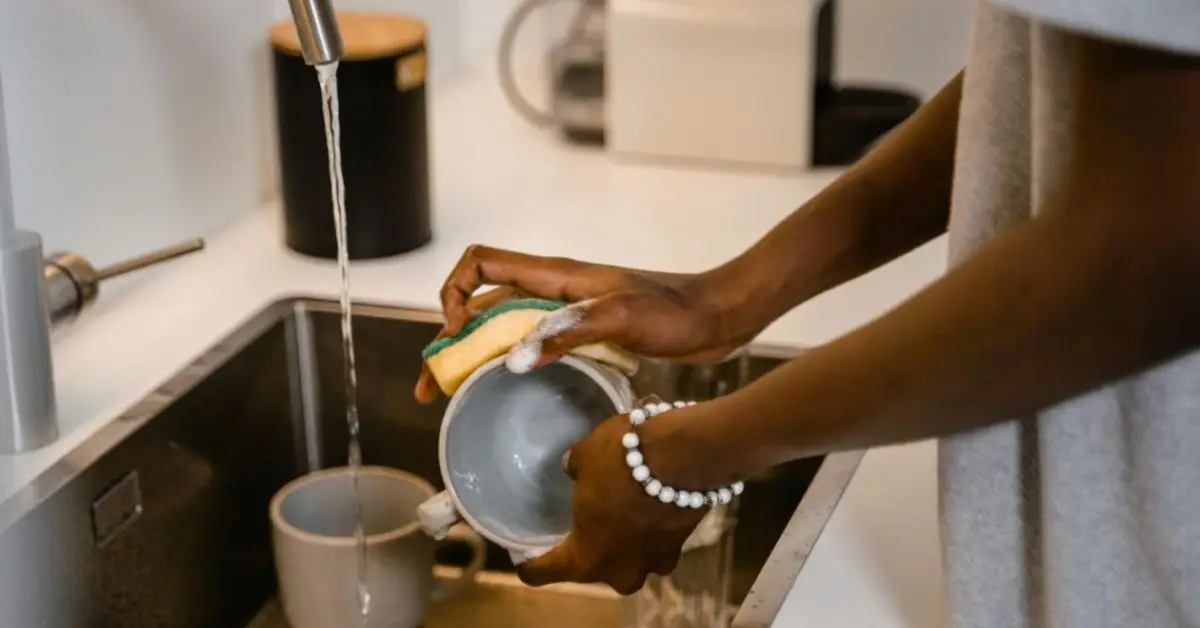
Clean as You Go — Why Small Actions Matter
When I started rinsing dishes right after eating, I realized how much mental load it removed. It takes a few seconds, and it stops the kind of buildup that makes people avoid the sink altogether. Experts often say that keeping surfaces dry and dishes rinsed prevents germs and pests from getting the conditions they need to spread.
A simple “clean as you go” routine helps because:
- Food doesn’t have time to harden
- The sink stays dry and less attractive to pests
- You avoid stagnant, dirty water altogether
- Your kitchen feels fresher and easier to maintain
Why this matters: It’s realistic. You don’t need a full cleaning schedule — just small habits that save time later.
If You Must Delay — Minimal, Safe Soak Guidelines
There will always be late nights, long workdays, and moments when dishes can’t be done right away. If you need to delay, you can still avoid most of the problems that come from leaving them overnight.
Here’s the safer middle ground:
- Rinse dishes with hot water right after use
- Scrape off as much food as possible
- Add a quick splash of soap and soak briefly (not overnight)
- Wash the essentials so you’re not stuck the next morning
- Avoid piling everything in the same water
What To Do After Every Meal (Mini Checklist)
Whenever I follow a simple routine after eating, the whole kitchen stays easier to manage. You don’t need a deep-clean — just a few quick steps that keep bacteria, smells, and pests from getting a head start.
Here’s the simple checklist I rely on:
- Rinse dishes and scrape off leftover scraps
- If you’re in a rush, rinse and stack or soak briefly (no more than 30 minutes), but never leave them overnight
- Sanitize your sponge or cleaning cloth so it doesn’t carry germs to fresh dishes
- Wash the dishes used for that meal first — either immediately or the next morning if absolutely needed
- Wipe kitchen counters so smells and residue don’t linger
Why In Many Homes Dishes Still Pile Up Overnight
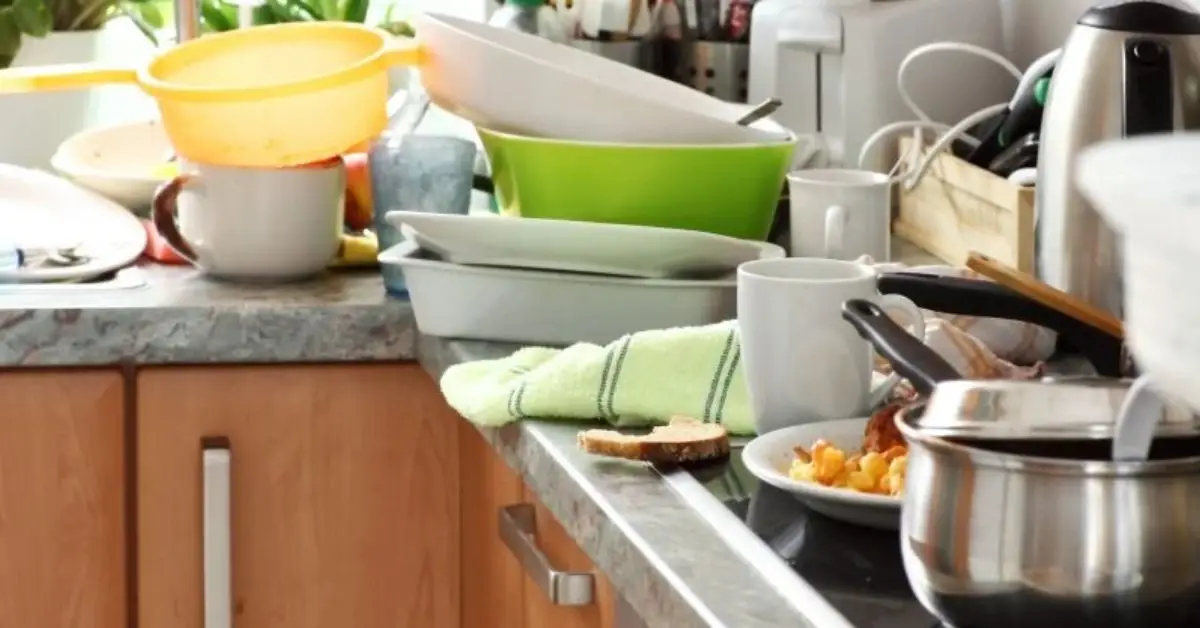
I’ve seen this in almost every household: nobody enjoys dirty dishes, yet they still sit in the sink. It’s not always laziness — most of the time, it’s real life getting in the way.
Here’s why it happens more often than we admit:
- Fast-paced work-life schedules leave little energy for chores
- Shared homes or roommate setups often lead to “you do it — no, you do it” loops
- Emotional fatigue and burnout make even small tasks feel overwhelming (diy.empowermemagazine.com)
- Many people simply don’t realize how much hygiene and pest risk comes from leaving dishes overnight
Final Thoughts — Why Small Changes Create Safer Kitchens
When you understand what really happens to dishes left overnight, it becomes easier to make better choices without feeling pressured. A few small habits protect your health, extend the life of your cookware, and keep your kitchen smelling clean. You don’t have to be perfect — just consistent enough to avoid problems before they start.
If you’ve ever struggled with keeping the sink clear, try one small change from this guide today. Sometimes that first small shift is all you need to reset the whole kitchen routine.
If you found this helpful, tell me: What’s the one dishwashing habit you want to improve starting today?
And if you want more practical home guides, visit Build Like New for deeper, smarter kitchen and home-care insights.
Disclaimer: This article is for general home-care guidance only. It’s not a substitute for professional health or pest-control advice. Always follow food safety recommendations and consult certified experts if you’re dealing with persistent pests, severe odors, or health concerns in your kitchen.