10 Kitchen Items You’ll Regret Throwing Away During a Declutter
Every time I declutter my kitchen, I notice how easy it is to toss things that look old, extra, or slightly worn out. But over the years, I’ve learned that some of the most unassuming items are the ones you actually regret throwing away later. They save money, solve daily problems, and in many cases, work better than the shiny new replacements we buy on impulse.
You and I both know how overwhelming a kitchen purge can feel. You want clean counters, organized drawers, and fewer random things taking up space. But the truth is, not everything belongs in the donation box or trash bag. Some items are worth holding onto because they last longer, perform better, or offer value that isn’t obvious at first glance.
Before you get rid of anything during your next decluttering session, it helps to know which kitchen items have real staying power. The list I’m about to share comes from years of working with home cooks, researching expert advice, and seeing what people on social media say they wished they had kept. If you want a kitchen that feels lighter without losing essentials that quietly make your life easier, you’ll find this guide useful.
What’s the one thing you regret throwing away from your kitchen?
The Value Criteria: How To Decide Whether an Item Deserves a Permanent Spot
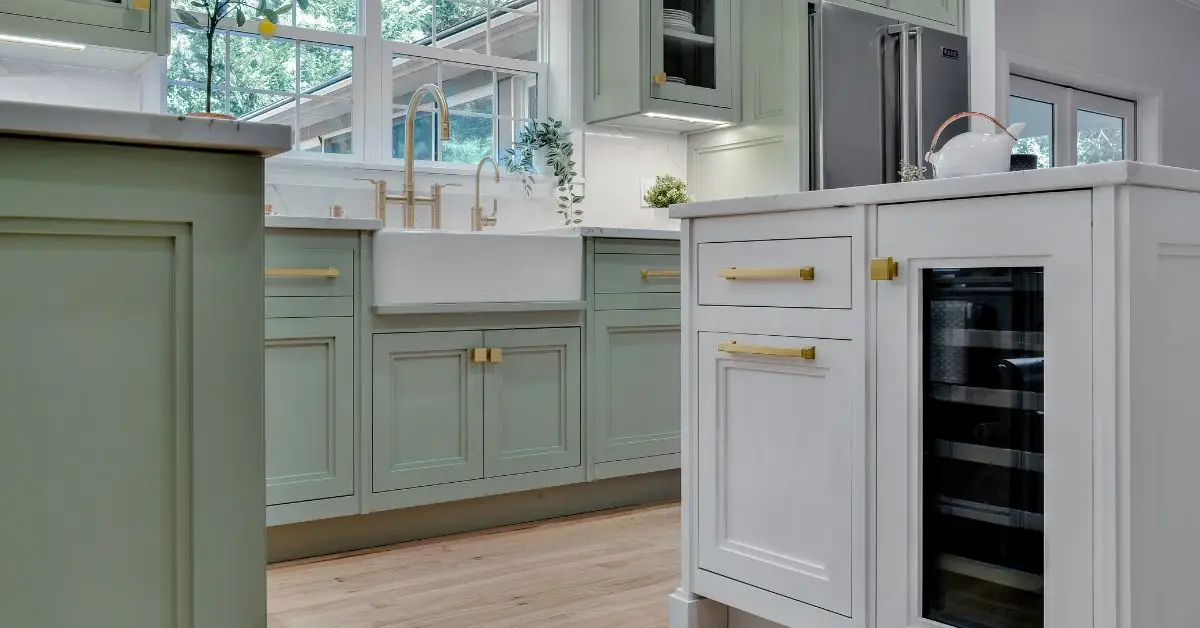
Before we start holding onto anything, I like to run every kitchen item through a quick reality check. It’s a mix of practicality, safety, and personal value. When you look at your things through this lens, it becomes much easier to know what deserves space and what’s only pretending to be useful.
Utility: Frequency of Use and Versatility
I always ask myself two things: Do I reach for this often? And does it do more than one job?
Usually, the things worth keeping pass at least one of these checks.
Consider keeping items that:
- You use weekly (even if they look old)
- Make cooking or prep noticeably easier
- Replace multiple tools or gadgets
- Help you solve annoying daily tasks
If something has become part of your routine, it has earned its spot.
Durability and Lifespan: What’s Built To Last
A lot of people throw away items just because they look worn, not realizing that some materials actually improve with age. Cast iron is the best example. Stainless steel tools are another.
Items that usually deserve to stay:
- Cast-iron pans that outlive everything
- Stainless steel bowls, ladles, and whisks
- Solid wood cutting boards (as long as they’re maintained)
- Glass jars or containers with good seals
Experts often point out that high-quality cookware stays structurally safe even after years of use, unlike cheap nonstick pieces.
Health and Safety: What’s Safe Enough To Keep
You and I both tend to hold onto things like scratched pans or cracked containers, but these are the items that cause the most problems.
Immediately reconsider items like:
- Scratched nonstick pans
- Chipped or cracked glassware
- Rusty metal tools
- Containers with stained or warped plastic
- Cutting boards with deep grooves
Keeping only the pieces that are safe protects your health and improves your cooking confidence.
Emotional or Occasional-Use Value: When Meaning Matters More Than Frequency
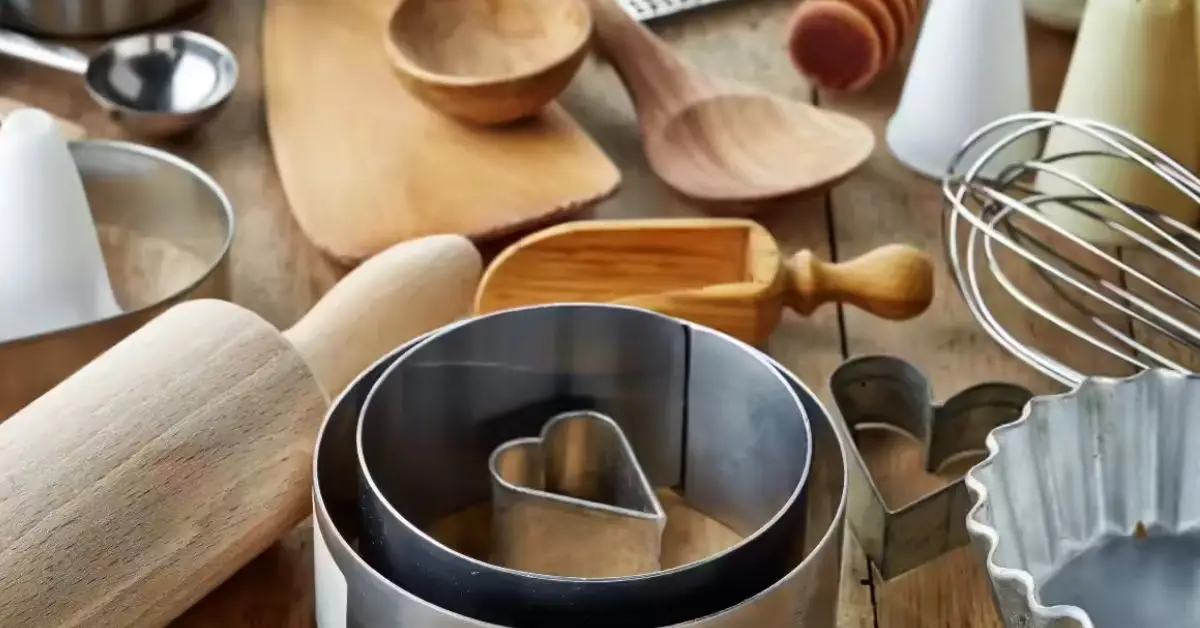
Some items don’t shine in everyday life but still deserve a place. I’m a big believer in keeping pieces that carry meaning or serve special moments.
Items worth holding onto:
- A handed-down skillet or serving bowl
- Holiday or celebration-only tools
- A backup knife or baking tray for big gatherings
- Items tied to family recipes
If something brings comfort or tradition into your kitchen, it’s okay if it’s not used every week.
Space vs. Benefit Trade-Off: What Earns Storage Space
When space is tight, I run a simple test: Does the benefit of having this item outweigh the space it occupies?
Keep it when:
- It saves you money by preventing replacements
- It makes hosting or batch cooking much easier
- It’s hard to borrow or rent
- It supports your cooking habits
Sometimes the rare-use items are the ones that prevent last-minute stress.
10 Kitchen Items You Should Almost Always Keep
These are the items people often declutter by mistake — and then end up buying again. Keeping the right things saves money, prevents frustration, and keeps your kitchen ready for everyday cooking and special moments.
1. Cast-Iron or High-Quality Metal Cookware
These pieces last for decades, handle high heat, and work for everything from searing to baking. If you’ve seasoned a cast-iron pan well, it becomes naturally nonstick without the health risks of worn coatings.
Decision note: Keep it if the structure is solid — surface wear can almost always be restored.
2. Essential Measuring or Safety Tools
Your meat thermometer, measuring cups, and sharp knives may not seem exciting, but you’ll always notice when they’re missing. They’re the difference between guessing and actually cooking safely and accurately.
Decision note: Keep even if used rarely — these tools prevent undercooking and kitchen accidents.
3. Multi-Purpose Storage Containers and Jars
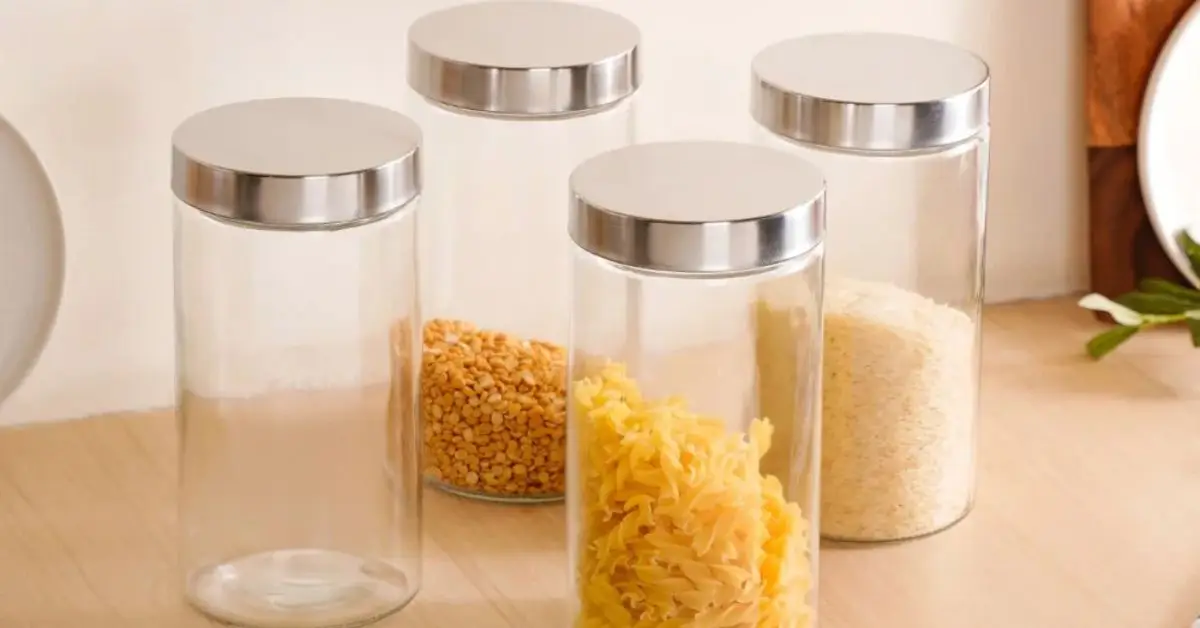
Good glass jars, mason jars, and sturdy containers are endlessly useful. I rely on them for leftovers, pantry storage, meal prep, and even organizing non-food items. The lifespan is long, and they always find a purpose.
Decision note: Keep if the lid seals well and the glass isn’t chipped.
4. Backup Flatware or Serving Sets
Extra forks, spoons, and plates don’t seem essential until you have guests, kids’ friends visiting, or a busy weekend meal. A small backup set saves you from scrambling.
Decision note: Keep if you have the storage space — these items earn their value in emergencies.
5. Specialty and Seasonal Tools
Baking molds, cookie cutters, pie dishes, and holiday cookware are the items you forget about until the one time you need them. Replacing them costs more than simply keeping them.
Decision note: Keep if it’s tied to a specific holiday or recipe you actually make.
6. Durable Wooden or Metal Utensils and Prep Tools
A good cutting board, a solid spatula, and metal ladles make everyday cooking easier. Cheap versions break or warp quickly, but quality tools hold up year after year.
Decision note: Keep if it’s still structurally sound — surface wear on wood is normal.
7. Cookware or Serveware for Hosting
Large pots, roasting pans, and extra serving dishes might not see weekly use, but when you need them, nothing else works. These items support family gatherings and special meals.
Decision note: Keep a minimal but reliable hosting set.
8. Items With Sentimental or Heirloom Value
Family dishes, a grandmother’s rolling pin, or a passed-down skillet hold more value than their price tag. Some pieces are also high-quality vintage cookware that performs better than modern replacements.
Decision note: Keep anything with emotional weight or irreplaceable history.
9. Long-Lasting Appliances for Healthy Cooking
A solid blender, stainless-steel prep tools, or a durable food processor often outlive multiple rounds of cheap gadgets. They support better meals and help you cook at home more often.
For guidance on appliance durability trends, this overview is helpful.
Decision note: Keep if it works well and supports your eating habits.
10. Organizational and Storage Accessories
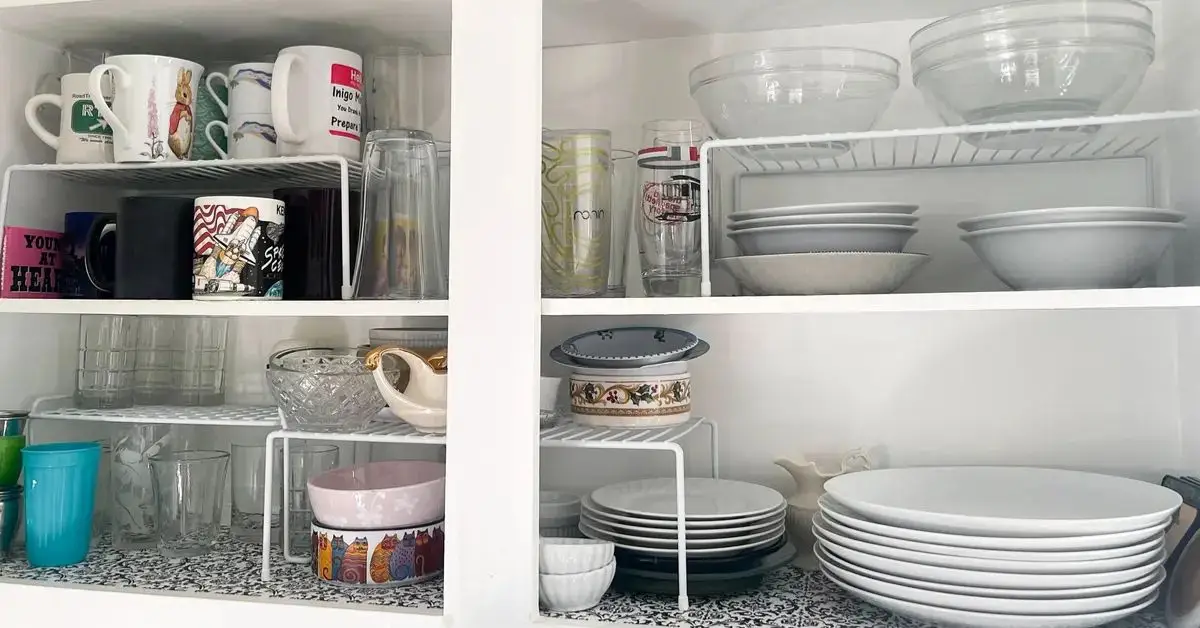
Shelf risers, labels, and stackable bins aren’t exciting, but they help you store more without creating clutter. A well-organized kitchen makes it easier to find and use the items you keep.
Decision note: Keep if the accessory genuinely improves access or frees up space.
What To Avoid Keeping: When Keeping Turns Into Clutter or Risk
Not everything deserves a spot in your kitchen. Some items quietly create health risks, waste space, or make everyday cooking harder. Knowing what to let go helps you keep the right balance.
Worn or Scratched Nonstick Cookware
Once a nonstick pan develops scratches, it stops performing well and may release particles into food. You and I both reach for these pans often, so when they’re damaged, it’s safer to replace them.
Decision note: Let it go if the surface is peeling, scratched, or flaking.
Cracked or Chipped Glassware, Mugs, or Plates
Even tiny cracks can harbor bacteria and weaken the structure. These pieces look harmless, but they’re one of the easiest ways to create hygiene issues at home.
Decision note: Toss anything cracked — it’s not worth the risk.
Mismatched, Lidless, or Warped Containers
A container without a lid becomes clutter. Warped plastic doesn’t seal properly, leaks, and stacks poorly. These pieces eat up space while offering little value.
Decision note: Keep only full sets or containers that seal tightly.
Single-Use Gadgets or Appliances You Never Use
We all fall for gadgets that promise magic results, but most of them sit in the back of a drawer. If it has only one job and you haven’t touched it in months, it’s better on someone else’s counter.
Decision note: Move it to a “maybe” box; donate if unused for a few months.
Excess Duplicates
Sometimes we keep three whisks, four spatulas, and two garlic presses without noticing. One high-quality version is usually enough.
Decision note: Keep the best one; donate or recycle the rest.
How To Store and Organize the Kitchen Items You Keep
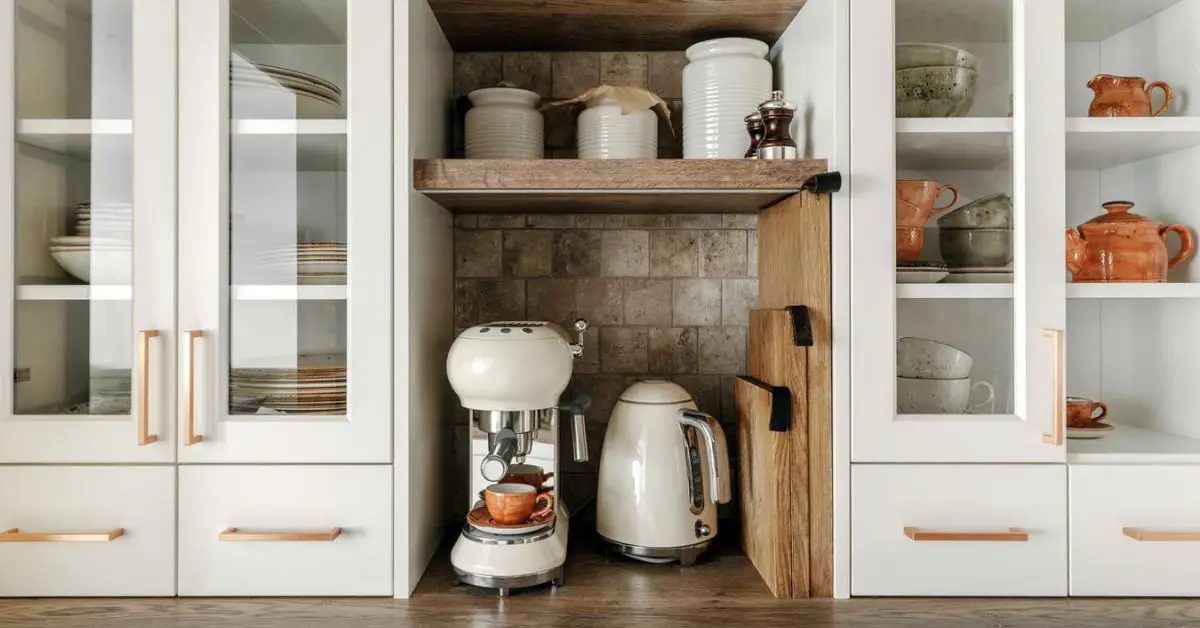
Keeping good items isn’t the full story. You need a simple system so your kitchen stays clear and functional even when you hold onto more than minimalist lists recommend.
Zone-Based Storage
I like storing tools where I actually use them. Cookware belongs near the stove, prep tools near your cutting area, storage containers in the pantry, and holiday or seasonal items on higher shelves. It saves steps and reduces daily clutter.
For a A Step-by-Step Guide to Designing a Small Simple Kitchen, this guide helps: Wakefit
Action: Group items based on purpose, not category.
Use Vertical Space, Hooks, and Racks
When drawers and cabinets feel full, vertical storage becomes your best friend. Hooks for utensils, racks for lids, or slim organizers can open up surprising amounts of space.
Action: Prioritize walls, the inside of cabinet doors, and tall shelves.
Keep an Inventory and Rotate Seasonal Items
A quick audit every 6–12 months helps you remember what you own and what you actually use. Rotate seasonal bakeware, hosting items, and specialty tools so nothing gets forgotten at the back.
Action: Set a small reminder twice a year.
Repurpose or Donate Items You No Longer Use
If a jar, tool, or container isn’t working for its original purpose, see if it can serve another role. And if not, it’s time to pass it on. Donation drives and community groups always need usable kitchen items.
Action: Keep a small donation box in your pantry or laundry area.
Decision-Making Mini Checklist: Ask These 5 Questions Before You Toss Anything
Before you let go of anything, I like running through this quick checklist. It keeps you honest, cuts out emotional clutter, and helps you keep only what genuinely earns its space.
1. Do I use this at least a few times a month — or during a specific season?
If the answer is yes, it’s usually a keeper.
2. Is it easy and affordable to replace, or would it be a hassle to buy again?
If replacing it is expensive or inconvenient, it’s smarter to hold onto it.
3. Is it safe, hygienic, and fully functional?
No cracks, no peeling coatings, no warping. If it compromises safety, it’s out.
4. Does it offer utility, versatility, or occasional value?
Even once-a-year tools earn their place when they support traditions or hosting.
5. If I keep it, do I have a designated place for it?
If you don’t know where it goes, it becomes clutter the moment you put it down.
Use this checklist every time you feel stuck — it forces clarity in seconds.
When To Reconsider “Keep” — Signs That Even a Keeper Has Turned Into Clutter
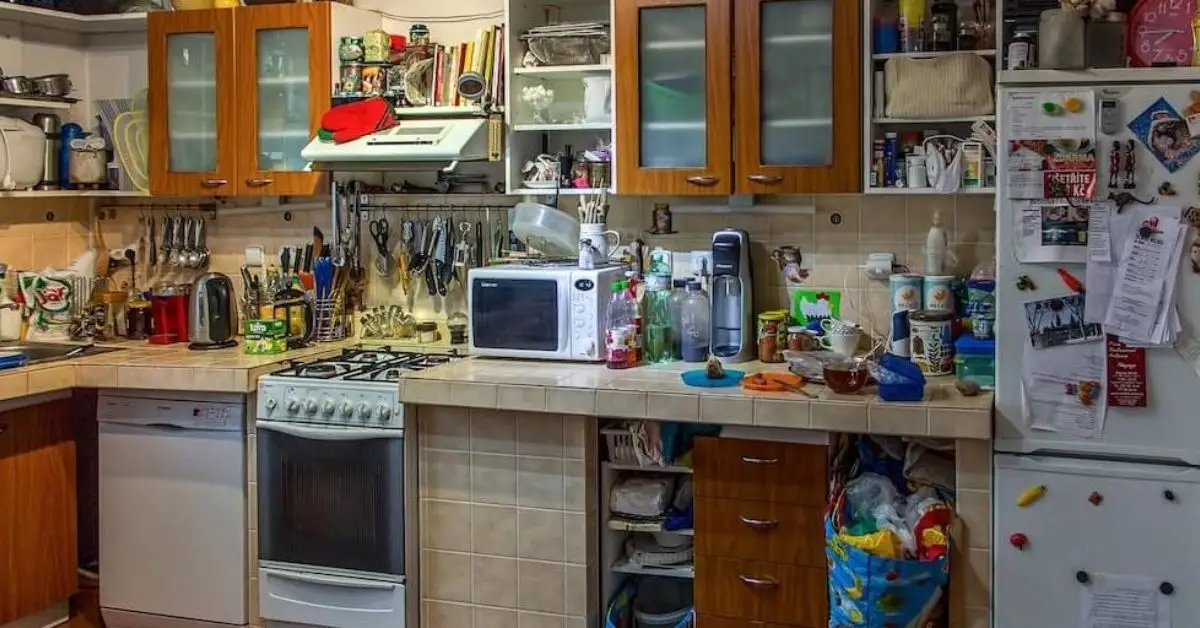
Even good items reach an expiration point. These signs help you spot when it’s time to let go:
Too many duplicates: If you’re using the same spatula every day while four others sit untouched, it’s time to reduce.
Items kept only for nostalgia: If something hasn’t been used once in years, it may be better displayed, repurposed, or donated — not stored in a drawer.
Safety risks: Damage, wear, warping, or outdated non-safe materials always outweigh sentimental or practical value.
Lifestyle or kitchen changes: Downsizing, cooking less, cooking differently, or moving to a smaller space changes what you truly need.
Letting go doesn’t mean the item failed — it simply means your kitchen needs shifted.
Final Thoughts: Balance Between Practicality, Memory, and Smart Living
A functional kitchen is built on mindful ownership. Keep what adds value, what helps you cook well, what holds memories, and what supports the life you’re living right now.
But give yourself permission to reassess. A periodic audit every few months keeps things fresh and prevents slow buildup.
Decluttering isn’t about living with less — it’s about living with what works.
If you want more practical home guides and smart-living tips, you can explore more on Build Like New.
And I’d love to hear from you: What’s one kitchen item you almost threw away but ended up being glad you kept?
Disclaimer: This content is for general guidance only and may not apply to every kitchen, household, or situation. Always use your own judgment and follow safety recommendations when deciding what to keep, store, or discard.