The Top 12 Things Experts Say You Should Remove for a More Restful Bedroom
I’ve spent years helping people turn their bedrooms back into proper places for sleep and calm — not catch-alls for everything they own. In this piece I’ll walk you through 12 things you need to remove from your bedroom now, but not as a glossy checklist: I’ll tell you why each item matters, what to do with it, and the real benefit you’ll notice that night or within a week.
I dug into top advice from sleep experts, allergy guidance, and home-care pros, and I looked for what most lists miss: the small habits and hidden items that quietly wreck sleep, air quality, and mental calm. Expect practical, science-informed steps you can use immediately — no vague platitudes, no unnecessary stuff.
1. Electronic Devices — Phones, Laptops, TVs, Tablets, Smart Gadgets
Why Blue Light and Digital Clutter Disrupt Sleep
I’ve seen this in almost every home I’ve worked with — people assume the phone on the nightstand or the laptop on the bed doesn’t matter, but it does.
And it’s not just the light.
When your bedroom becomes a workspace or entertainment zone, your brain stops recognizing it as a place for rest. You end up lying in bed with a mind that’s still active.
The disruptions usually come from:
- Phones buzzing or lighting up
- Laptops or TVs left open nearby
- Charging cables and devices glowing
- Tablets or smartwatches sending alerts
How to Implement — Create a “Phone-Free / Screen-Free” Zone
The easiest way to break the habit is to remove the temptation.
Set up a charging station outside your bedroom so your phone stays out of reach at night. Sleep Foundation recommends this to reduce sleep interruptions and avoid light or noise from devices.
You can also:
- Use an analog alarm clock
- Replace scrolling with a book
- Keep a soft bedside lamp for winding down
- Play relaxing music from outside the bed area
When you remove screens, you give your mind permission to slow down.
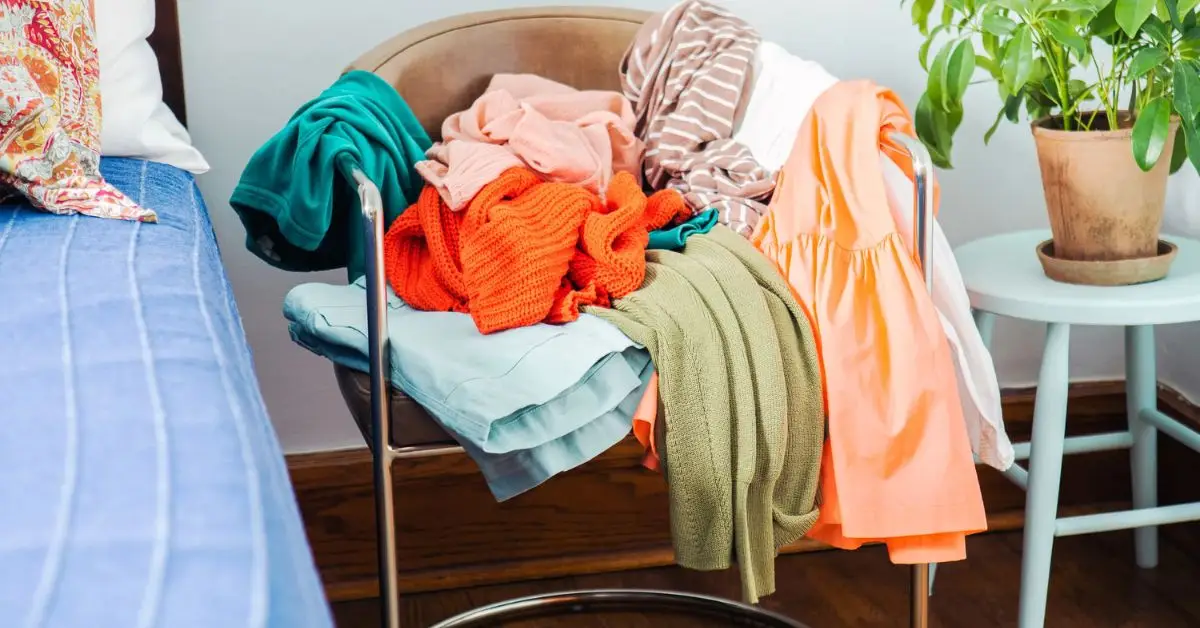
2. Dirty Laundry, Used Clothes & The “Clothes Chair”
Hygiene and Air-Quality Impact
We all toss clothes aside thinking we’ll deal with them later, but those piles affect more than just the look of the room. Dirty or damp clothes carry sweat, oils, and skin cells — a perfect home for dust mites and bacteria. That leads to musty smells and poor air quality. (The Times of India)
Then there’s the mental effect.
Clutter pulls your attention and makes the environment feel unsettled — the opposite of a restful bedroom.
The biggest clutter culprits are:
- The clothes chair
- Damp workout clothes drying indoors
- Overstuffed laundry baskets
- Used outfits spread across surfaces
Declutter Strategy
Start small: move your main hamper outside the bedroom. If that’s not possible, place it in a ventilated corner far from the bed.
Helpful habits include:
- Dropping dirty clothes in the hamper immediately
- Folding re-wearable items instead of leaving them out
- Avoiding indoor drying in the bedroom
In addition to keeping laundry under control, you might find these 6 must-do fall bedroom cleaning tips for a cozy home really helpful to maintain a fresh and relaxing space.
A cleaner room means cleaner air and a calmer mind.
3. Excess Furniture, Multipurpose Items and Gym/Work Gear
Why a Single-Purpose Bedroom Is Better
A room packed with desks, gym machines, storage crates, or bulky furniture loses its calm instantly. Instead of rest, your brain sees tasks, equipment, and noise.
Homes & Gardens points out that too much furniture disrupts the natural flow and makes the space feel heavy.
Work or gym gear makes the room feel like a chore zone — not a place to unwind.
Typical items that break the bedroom’s calm:
- Treadmills, weights, yoga mats
- Office desks, monitors, work bags
- Bulky cabinets or unused furniture
- Foldable gym or work items
What to Remove or Relocate
Shift gym gear to another part of the home or store it neatly.
Keep bedroom furniture minimal: a bed, a nightstand, and essential storage. Once you’ve cleared out excess furniture and gear, you can explore 10 easy DIY upgrades to make your bedroom feel more spacious and inviting.
Try this:
- Move the desk outside the bedroom
- Use a single drawer or tray for essentials
- Ask: “Does this item support rest?” If not, move it
4. Old Pillows, Worn-Out Bedding / Mattress, Degraded Sleep-Support Items
Sleep Quality & Health Effects
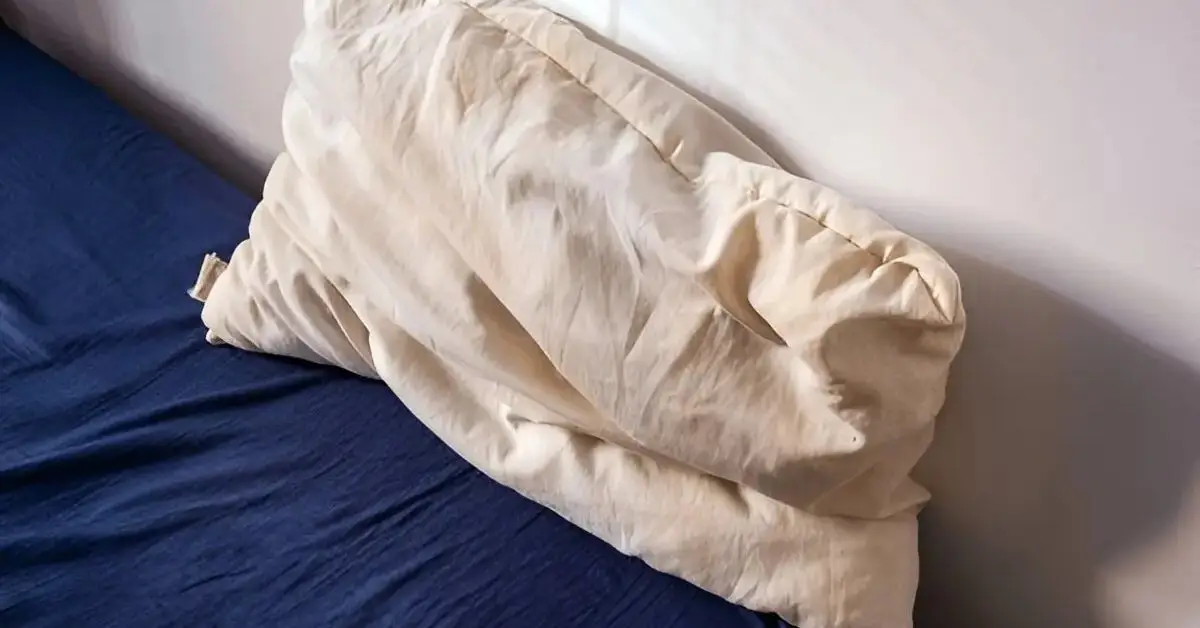
I can’t stress enough how often people overlook their pillows or mattresses. Flat or floppy pillows don’t support your neck or spine properly, which can cause stiffness, restless nights, or even pain in the morning. (declutteringmom.com)
Old bedding and mattresses accumulate sweat, dust, and allergens over time — especially dust mites and microscopic irritants that build up in fabrics and foam. That can trigger allergies and make breathing or rest uncomfortable.
Common culprits that affect sleep quality:
- Pillows older than 2–3 years
- Mattresses beyond 7–10 years of use
- Non-breathable or unwashed bedding
What to Do Instead
- Check the condition of your mattress and pillows; replace them every few years.
- Use breathable, washable bedding.
- Vacuum and air out the mattress regularly to reduce dust and allergens.
5. Food, Snacks or Drinks Kept in Bedroom (Including Mugs, Plates, Bottles)
Why Food in Bedroom Is a Bad Idea
I’ve seen countless bedrooms where old snacks and cups collect dust and crumbs. This isn’t just messy — it attracts pests and creates bad odors. (saatva.com)
Eating or drinking too close to bedtime can also disrupt your sleep rhythm, while liquids often lead to midnight trips to the bathroom. (saatva.com)
Typical bedroom food hazards:
- Crumbs under the bed or nightstand
- Open water bottles or mugs
- Leftover snacks or candy
Habit Fixes
- Keep food and drinks out of the bedroom entirely.
- Restrict eating to the kitchen or dining area.
- Make your bedroom a true sleep and rest zone.
6. Paper Clutter — Bills, Letters, Magazines, Paperwork, Random Files
Clutter’s Impact on Mental Calm & Stress
Paper clutter might not seem urgent, but seeing stacks of bills, letters, or magazines subconsciously stresses your brain. It signals “unfinished tasks,” making it harder to relax.
Additionally, piles of paper invite dust accumulation — and dust mites or other indoor-air pollutants can settle there, degrading air quality and hygiene. Learn more about dust mites and indoor air quality here.
Paper clutter commonly found in bedrooms:
- Bills and unopened mail
- Magazines or newspapers
- Random notes, files, or manuals
Declutter Strategy
- Move all non‑bedroom paperwork to a dedicated workspace.
- Use filing systems, organizers, or drawers outside the bedroom.
- Keep your bedroom work‑free and distraction‑free.
7. Excess Décor, Knick‑Knacks, Unnecessary Ornaments or Over‑Personalised Items
Visual Overload & Mental Distraction
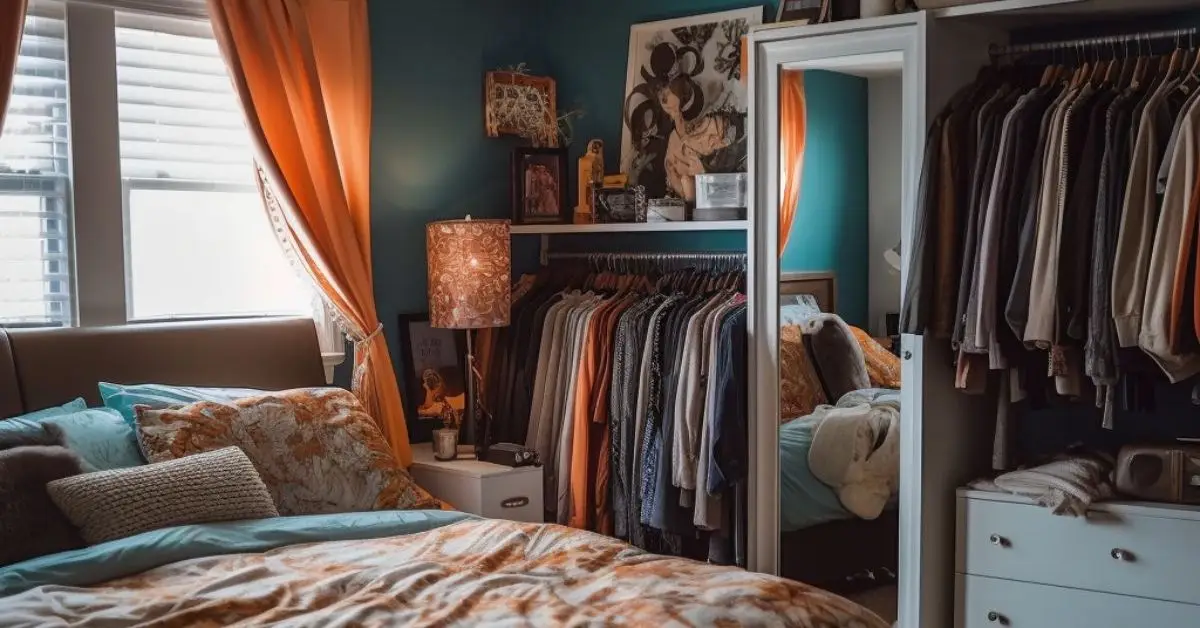
I’ve noticed that when bedrooms are filled with trinkets, collections, or over-decorated shelves, it’s hard to mentally unwind. Too much décor keeps your brain “on,” making rest difficult. (homesandgardens.com)
Over-personalised or busy décor can also trigger restlessness — your mind remains subtly stimulated instead of calming down for sleep.
Items that often create clutter and distraction:
- Too many trinkets or small ornaments
- Overstuffed shelves or dresser tops
- Multiple framed photos or decorative items
Minimalist Décor for Calm
- Keep only meaningful or functional pieces: a lamp, a book, a small plant.
- Remove or store excess ornaments away from view.
- Adopt “less is more” — your bedroom should feel like a retreat, not a showroom.
8. Over-Bright Lighting / Harsh Colors / Curtains That Don’t Block Light
Light & Colour Influence Sleep and Relaxation
I’ve noticed that harsh overhead lights or bright LEDs from devices can keep the brain in “alert” mode. Bright light signals wakefulness, while soft, warm light helps your mind wind down. (saatva.com)
Thin curtains that let external light seep in — from street lamps or early morning sun — also disturb sleep cycles. (declutteringmom.com)
Common light-related sleep disruptors:
- Harsh ceiling or LED lights at night
- Rooms painted in bright or stimulating colors
- Thin or sheer curtains that don’t block outside light
Better Lighting & Window Treatment Setup
- Use bedside lamps with warm bulbs or dimmable lighting.
- Avoid harsh overhead lights at night.
- Install blackout or thick curtains to minimize outside light intrusion.
9. Unused or Excess Shoes, Bags, Accessories Lying Around
Clutter + Hygiene Issues
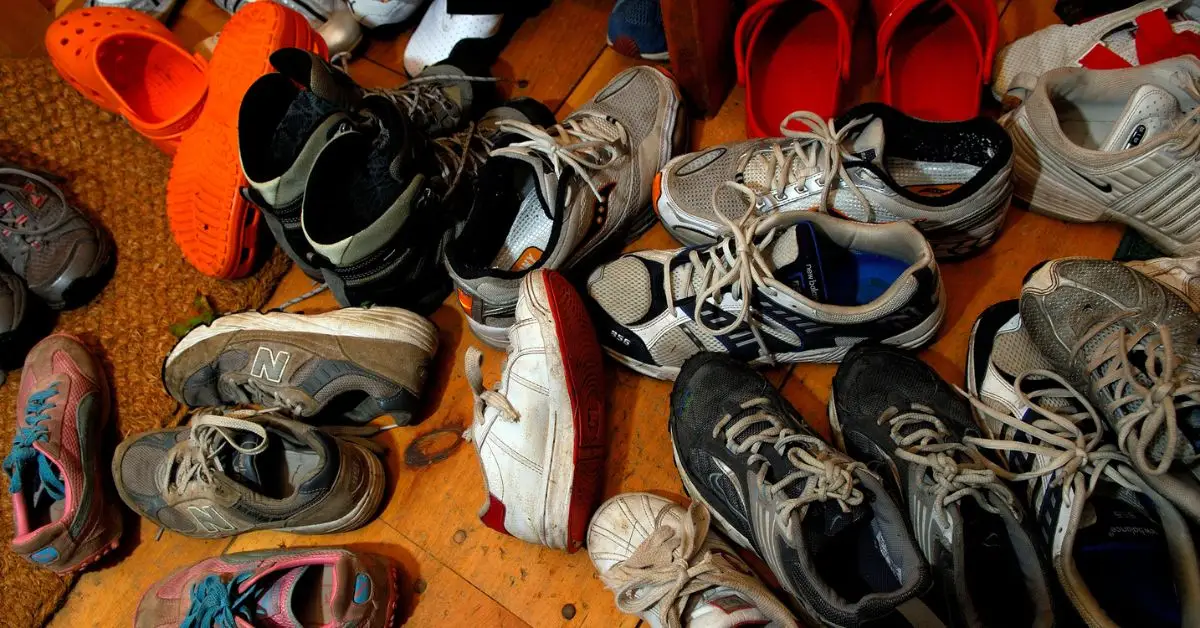
Shoes, bags, and accessories scattered on the floor or in corners create a disordered environment. They collect dust and make cleaning harder. (Better Homes & Gardens)
If kept near the bed or head area, they can also affect hygiene and disturb peace of mind.
Items that usually clutter the bedroom:
- Shoes left on the floor
- Bags or purses not stored properly
- Excess belts, scarves, or accessories
Organize or Relocate
- Store shoes and accessories in closed closets or racks outside the sleeping zone.
- Keep only what’s needed for daily use.
- Periodically purge unused items to avoid build-up.
If you’re unsure why shoes should stay out of your bedroom, check out 5 reasons you should never keep shoes in your bedroom for some eye-opening insights.
10. Exercise Equipment or Gym Gear (Weights, Mats, Machines)
Why It Disrupts Rest Environment
I’ve noticed that having gym gear in the bedroom sends mixed signals to the brain. Exercise equipment is associated with energy and activity, which conflicts with the rest/sleep mindset. (Backyard Garden Lover)
Bulky items also reduce usable space, making the room feel cramped.
Common bedroom gym gear:
- Dumbbells, kettlebells, or yoga mats
- Foldable benches or small machines
- Resistance bands left out in open view
What to Do Instead
- Move all workout gear to a dedicated area — home gym, storage room, or balcony.
- For limited space, consider compact or foldable equipment and store it out of sight after use.
- Keep your bedroom solely for rest, not activity.
You can check this article on bedroom hygiene and sleep quality from EmpowerSleep for tips on keeping your space restful and clean.
11. Trash, Broken, Damaged or Expired Items (Old Cosmetics, Bottles, Trash, Damaged Decor)
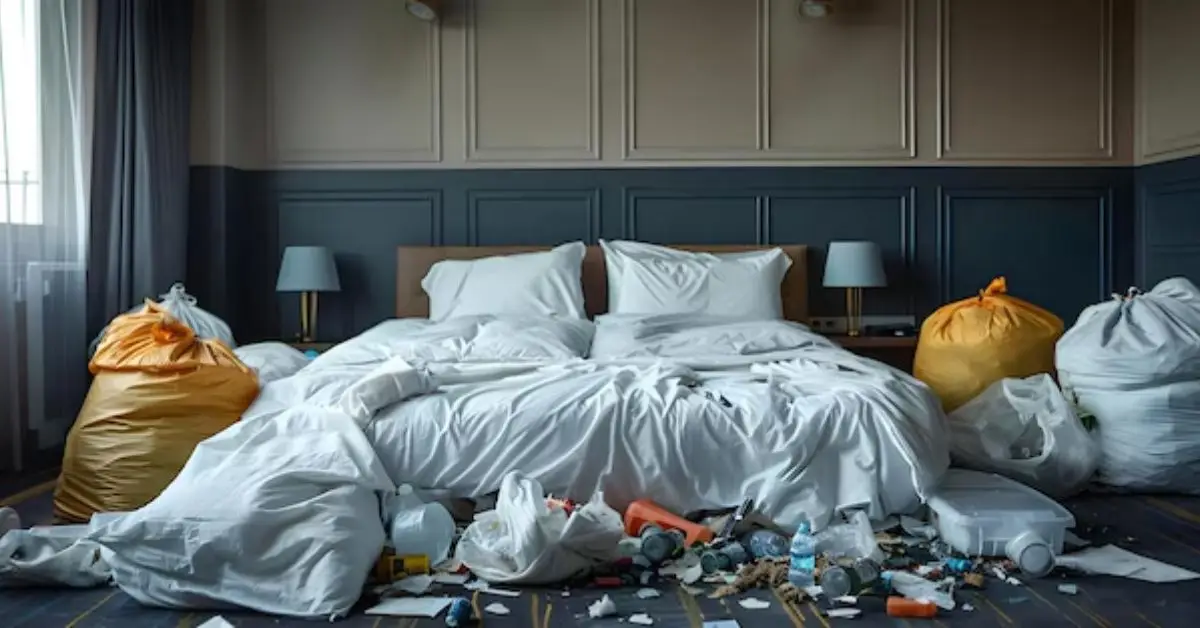
Health, Cleanliness & Psychological Weight of Junk
Old cosmetics, empty bottles, and damaged items don’t just look messy — they harbor dust, bacteria, and allergens. (Declutter in Minutes)
Seeing trash or forgotten items subconsciously signals “things to handle,” adding stress even if you don’t actively think about it.
Common culprits:
- Expired makeup or skincare
- Broken décor or ornaments
- Empty bottles, packaging, or leftover trash
Declutter Practice
- Do a full “bedroom sweep”: collect all trash, broken, or expired items and throw, recycle, or donate.
- Adopt a simple rule: if it’s unused, expired, or damaged, it doesn’t deserve space in your bedroom.
12. Work-Related Items, Paperwork, and Stressful Triggers (Bills, Files, Reminders)
Why Work-Stuff in Bedroom Harms Rest
A bedroom filled with work reminders keeps your brain semi-active. It’s hard to mentally detach from daily tasks when laptops, bills, or files are visible. (saatva.com)
This steals the psychological boundary between work and rest, turning your bedroom into a mix of “bed + office + storage,” which reduces its restorative value.
Typical work-related clutter:
- Bills and files stacked on nightstands
- Laptops or office papers left out
- Reminders, sticky notes, or “to-do” lists
Separation of Rest vs Work — How to Implement
- Designate a separate workspace outside the bedroom whenever possible.
- Keep the bedroom reserved solely for sleep and relaxation.
- Put away all laptops, files, and bills at night.
How to Start — A Simple Bedroom Declutter & Reset Plan
Quick 3-Step Plan
Step 1: Do a “clear-out sweep” — pick up trash, old items, expired bedding, and random clutter.
Step 2: Relocate or rehome non-bedroom essentials — work gear, gym gear, paperwork, electronics.
Step 3: Create maintenance habits — weekly or bi-weekly “declutter check,” set bedroom boundaries for sleep only, invest in sleep-friendly bedding and lighting.
Bonus Tips for Better Sleep and Mental Calm
- Use warm or dim lighting; install blackout curtains.
- Keep air clean and fresh.
- Maintain minimal décor.
- Rotate and organize your wardrobe; wash bedding frequently.
- Resist “just in case” hoarding — if you haven’t used it in 6–12 months, you likely don’t need it.
I’d love to hear from you — what’s the one item in your bedroom you absolutely need to get rid of first? Share your experiences or tips in the comments below!
For more practical home and sleep improvement guides, visit my website: Build Like New — let’s make your bedroom (and home) truly feel like new.
Disclaimer: This article is for informational purposes only and is not a substitute for professional medical, health, or safety advice. Always consult a qualified professional regarding allergies, sleep issues, or other health concerns.