Never Store These 10 Items in Your Shed — They Get Damaged Faster Than You Think
If you’re like most homeowners, your outdoor shed becomes the place where “I’ll deal with it later” items end up. I get it. It feels harmless to stash paint cans, old files, holiday decorations, or that box of batteries you swear you’ll sort out someday. But here’s the part many people learn too late: a shed isn’t built to protect sensitive items from heat, cold, moisture, or pests. And every year, I hear from readers who opened their shed only to find warped furniture, ruined tools, spoiled supplies, or worse—dangerous chemical issues they never saw coming.
Before you store anything else out there, it’s worth taking a hard look at what really belongs in a shed and what absolutely doesn’t. The mistakes are common, but the damage is very real. Temperature swings, humidity, rodents, and dust can destroy certain items far faster than most people expect. And once something is ruined, there’s no going back.
That’s why I put together a clear, practical breakdown of the things you should never store in your outdoor shed—and what to do instead. My goal is simple: help you avoid the expensive, messy, and sometimes unsafe surprises I see homeowners face all the time.
What’s the first thing that comes to your mind when you think about what might be sitting in your shed right now?
How Outdoor-Shed Environments Harm Stored Items (Common Risks)
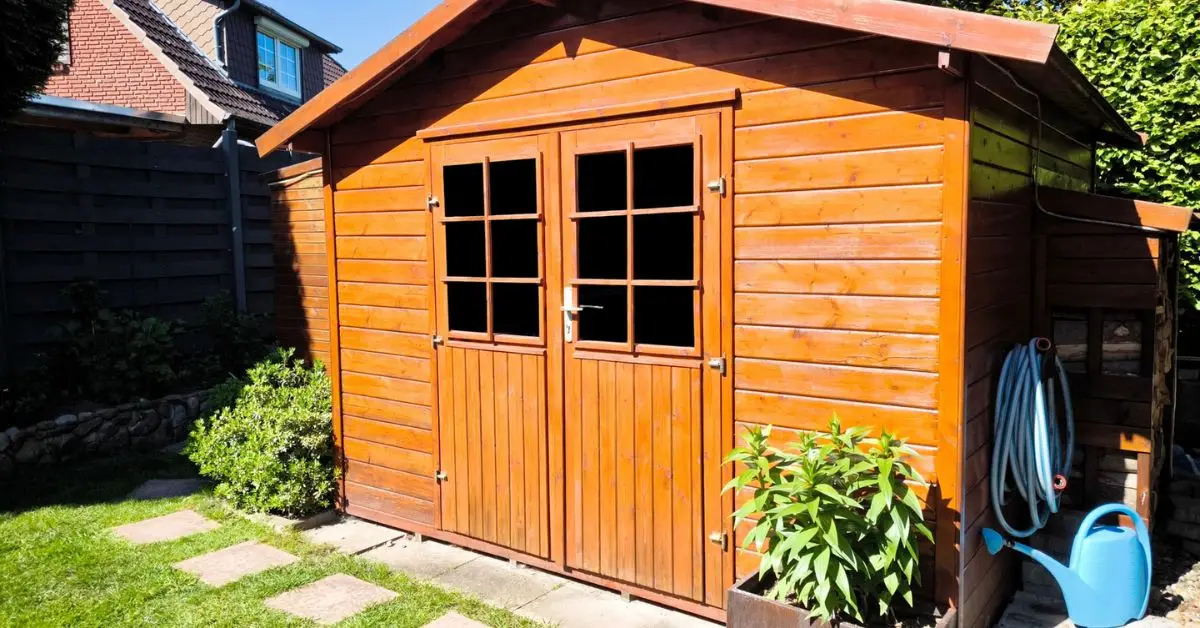
When I walk into most outdoor sheds, I can almost guess what’s going wrong inside — heat, moisture, stale air, and pests all working together to ruin things you thought were stored “safely.” If you’ve ever opened a box only to find rusted tools or warped supplies, you already know how quickly a shed can damage the wrong items. Let me break down the main reasons this happens.
Temperature Extremes (Hot Summers, Cold Winters) & Frequent Fluctuations
A shed swings between extremes — blazing hot in summer, freezing in winter, and constantly shifting in between. That kind of unstable environment is rough on anything sensitive.
- Paint separates and becomes unusable
- Batteries and electronics fail internally
- Adhesives weaken
- Plastics crack or warp
- Chemicals break down faster than you expect
If you ever want a visual reference, take a look at this breakdown on heat-induced damage from metal sheds. I’ve seen homeowners lose hundreds of dollars simply because they underestimated how quickly extreme temperatures can degrade stored items.
Humidity, Moisture, Rain Leaks & Lack of Climate Control
Unlike your home or garage, a shed doesn’t regulate humidity at all. That means everything inside is constantly exposed to damp air — and sometimes direct moisture.
- Metal tools and hardware corrode
- Papers and books warp or grow mildew
- Fabrics absorb moisture and develop odors
- Wood swells, softens, or grows mold
- Boxed items get damp even if the boxes look sealed
Even a small roof leak or ground moisture creeping up through the floor can quietly damage things over months. To prevent moisture from entering through a worn roof, you can follow this guide on how to install shingles on a shed roof like a pro.
Poor Ventilation & Confined Space Risks (Fumes / Fire Hazards)
Most sheds have little to no airflow. That might not sound serious, but it becomes a real issue once you start storing chemical-based items.
- Fumes from paints, fuels, and cleaning products can build up
- Heat + poor ventilation increases fire risk
- Flammable vapors stay trapped instead of dispersing
- Even non-flammable items degrade faster in stale, humid air
I’ve seen many sheds double as “chemical closets,” and in most cases, it’s far more dangerous than homeowners realize.
Pest And Rodent Access + Ground Moisture Rising
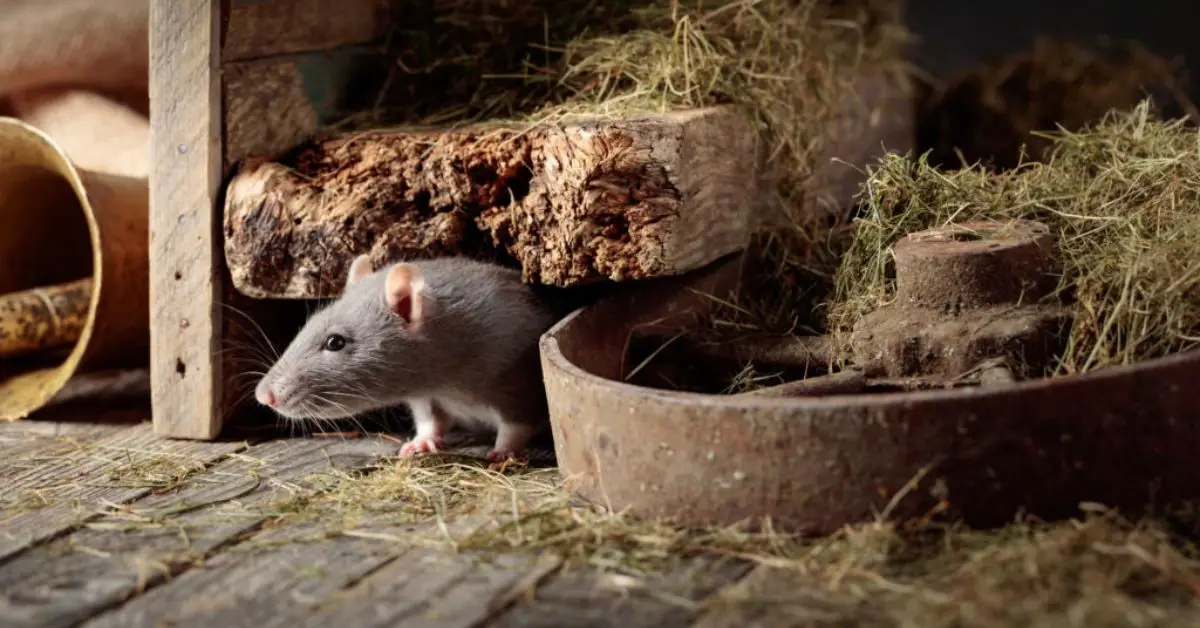
A shed is one of the easiest places for pests to sneak into — small gaps, dirt floors, loose doors, and unsealed corners all invite trouble.
- Rodents chew through boxes, fabric, wiring, and paper
- Insects nest inside cardboard or stored furniture
- Pet food or grain products attract critters instantly
- Ground moisture feeds mold and insects
- Fabrics, clothing, and paper items are the first to be destroyed
Once pests settle in, the damage compounds quickly, and items you thought were “stored away” can become outright worthless.
10 Things You Should Avoid Storing in an Outdoor Shed
When I look inside most backyard sheds, I see the same pattern — good items stored in the worst possible environment. Heat, moisture, pests, and fumes quietly ruin things long before you realize it. Here’s what I never recommend storing in a shed, and what you should do instead.
1. Paints, Solvents & Glues
Paint and chemical products don’t survive temperature swings. Heat makes them separate, freeze cycles make them unusable, and all of them become more dangerous when fumes build up in an enclosed space.
- Why it’s risky: Extreme heat or cold breaks down the product; fumes become a fire hazard.
- What to do instead: Keep these indoors in a cool, dry, ventilated area; toss anything old or unstable.
- Why this matters: These items often sit in sheds for years, and most people don’t realize how easily they can spoil or become unsafe.
2. Batteries & Power Tool Batteries
Temperature swings drain batteries and shorten their lifespan. Humidity adds another problem — corrosion.
- Why it’s risky: Leaks, ruptures, capacity loss, and internal corrosion.
- What to do instead: Store batteries and chargers inside a stable indoor cabinet.
- Why this matters: Leaving them in sheds often leads to dead batteries or messy leaks.
3. Electronics (TVs, Computers, Small Appliances)
Electronics simply aren’t built for humid, dusty, or unregulated environments. Moisture corrodes wiring, screens crack from temperature shifts, and dust works its way into components.
- Why it’s risky: Rust, wiring damage, moisture-related failure.
- What to do instead: Store indoors; if you must, use sealed containers with desiccants.
- Why this matters: Electronics lose value fast — and shed storage can destroy them outright.
4. Food, Canned Goods, Pet Food, Bird Seed

Food in any form invites pests. Even sealed containers don’t stand up to rodents, and heat can cause canned goods to spoil faster.
- Why it’s risky: Spoilage, rust, broken seals, pest infestation.
- What to do instead: Use indoor pantries or climate-controlled storage; airtight bins only for temporary holding.
- Why this matters: You avoid wasted food and eliminate one of the biggest pest attractors.
5. Paper Goods — Books, Documents, Photos, Files
Paper absorbs moisture instantly. Even “dry” sheds introduce enough humidity to cause warping, mold, and sticking between pages.
- Why it’s risky: Mold growth, fading, pest damage, irreversible deterioration.
- What to do instead: Store inside climate-controlled cabinets or fireproof safes.
- Why this matters: People often stash old records or memories in sheds — and lose them quietly.
6. Clothing, Fabrics, Bedding, Outdoor Cushions
Fabric absorbs humidity, grows mold, and becomes an easy nesting site for rodents or insects.
- Why it’s risky: Mold, mildew, odors, pest nesting, fabric breakdown.
- What to do instead: Keep inside or use airtight bins with silica gel for short periods.
- Why this matters: Cushions and clothing stored in sheds often become unusable without anyone noticing.
7. Wood Furniture, Upholstered Items, Instruments
Wood reacts badly to moisture and temperature changes — it warps, cracks, and loses structural integrity. Upholstery absorbs moisture and attracts pests.
- Why it’s risky: Warping, cracking, weakened joints, mold on fabric.
- What to do instead: Store indoors or in climate-controlled units.
- Why this matters: Furniture and instruments hold value — both sentimental and financial.
8. Flammable or Hazardous Chemicals
Pool chemicals, propane, gasoline, and pesticides can react when exposed to heat or trapped air. Vapors build up, containers corrode, and the fire risk increases.
- Why it’s risky: Chemical reactions, toxic fumes, fire or explosion hazards.
- What to do instead: Store in ventilated outdoor cabinets or according to manufacturer guidelines.
- Why this matters: This is one of the biggest safety oversights homeowners make.
9. Spare Tires, Rubber Items, Inflatables
Rubber degrades quickly when exposed to heat and moisture. Dry rot often starts long before you see visible signs.
- Why it’s risky: Cracking, loss of elasticity, weakened structure.
- What to do instead: Keep tires and rubber goods in a temperature-stable garage.
- Why this matters: A spare tire is useless if it cracks the moment you need it.
10. Anything Precious or Irreplaceable

Photos, heirlooms, antiques, sentimental items — none of these survive the combined effect of pests, moisture, and temperature swings.
- Why it’s risky: Permanent damage with no chance of restoration.
- What to do instead: Store indoors in protective containers or safes.
- Why this matters: A shed should never be the place for anything you can’t replace.
If you want a quick reference point: here’s a reliable breakdown of what sheds should and shouldn’t store, explained through practical, real-world examples — see the guidance from Homes & Gardens.
What If You Still Must Store “Risky” Items: Best Practices and Precautions
Sometimes you don’t have a better spot — and you really need to store something that isn’t shed-friendly. I get that. But if you follow a few precautions, you can reduce the risk of damage or accidents significantly. Here’s what I follow when shed storage becomes unavoidable.
Use Climate-Controlled Storage, a Storage Unit, or Indoor Space Whenever Possible
If you can, prefer a climate-controlled area. If you want to stabilize temperature and humidity, this walkthrough on how to insulate a shed can help make the space far more protective.
Stable temperature and humidity make a world of difference — especially for chemicals, paints, electronics, fabrics, and sensitive items. Even a small closet inside your home or a locked, ventilated outbuilding is much safer than a bare shed.
Use Airtight Plastic Bins + Desiccant Packets (Avoid Cardboard)
When I store anything that could tolerate being out of sight for a while, I avoid cardboard boxes entirely. Instead I use airtight plastic bins, add silica-gel or desiccant packets, seal them tightly, and keep them off the floor. This helps prevent moisture, dust, insects — and significantly improves longevity.
Elevate Everything Off the Floor (Shelves, Pallets) to Avoid Ground Moisture
Ground moisture can creep up through shed floors — especially in rainy or humid weather. I always raise boxes/tools above floor level using pallets, racks or shelves. That tiny bit of elevation often makes the difference between rust and a usable toolset next season.
Ensure Proper Ventilation — Vents, Raised Floor, Periodic Airing
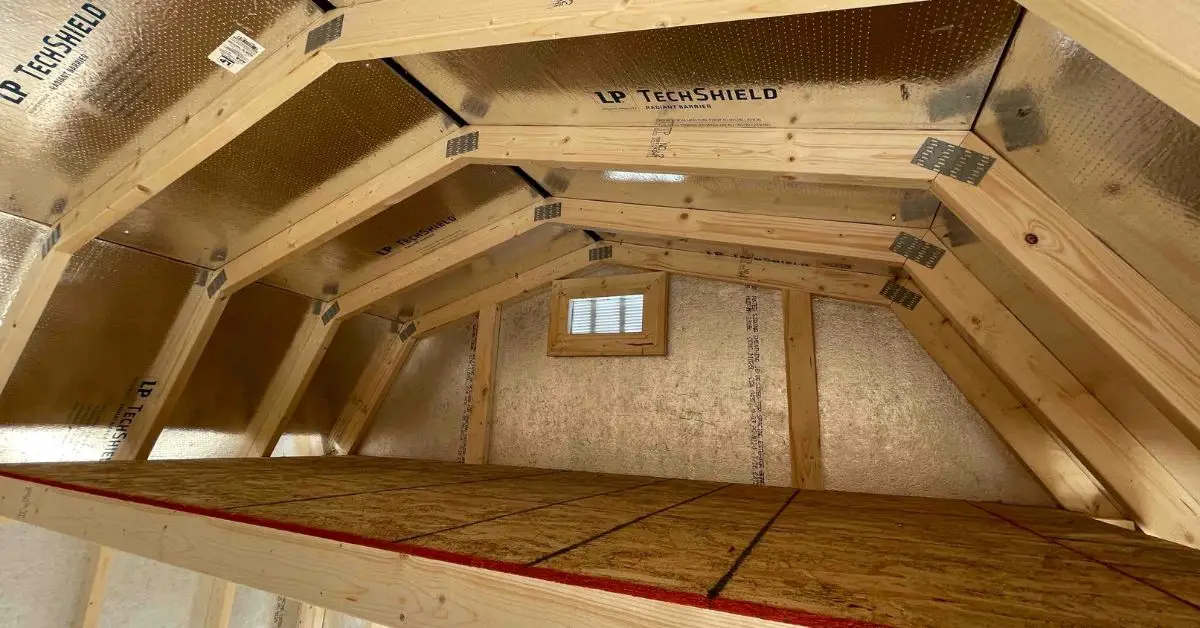
Ventilation is what many people skip — but it matters more than you think. A shed that stays completely sealed traps heat, humidity, and sometimes even chemical fumes. Opening windows occasionally, installing vents, or even propping the door open for a few hours (when safe) helps everything breathe.
Label Boxes Clearly And Keep Chemicals / Flammables Separate From Other Items
If you store chemicals, pesticides or solvents — always keep them labelled, in original containers, and away from anything flammable, foods, fabrics or general storage. Mixing these with tools or household goods invites accidents.
For example, following the guidelines from a reputable source like Pesticides.Org helps ensure you store chemicals safely — in a cool, ventilated, locked cupboard, off the ground, away from children and pets.
Quick Shed-Storage Checklist: What You Can Safely Store vs What to Keep Indoors
Before you reorganize anything, it helps to see a simple side-by-side list. I use this kind of checklist when helping homeowners decide what stays in the shed — and what absolutely shouldn’t.
Shed-Safe vs Not-Recommended Items
| Allowed in Shed (Safe) | Not Recommended (Risky Items) |
|---|---|
| Garden tools (metal/hand tools) | Paints, solvents, glues |
| Weather-resistant outdoor furniture | Batteries & power-tool batteries |
| Plastic/resin storage boxes | Electronics (TVs, computers, appliances) |
| Lawn mowers, trimmers, leaf blowers | Food, canned goods, pet food, bird seed |
| Seasonal outdoor décor | Books, paper files, photos, documents |
| Outdoor toys & sports equipment | Clothing, fabrics, bedding, cushions |
| Metal shelving & plastic bins | Wood furniture, instruments |
| Patio accessories & planters | Hazardous/flammable chemicals |
| Weatherproof garden supplies | Spare tires, rubber items |
| Durable outdoor equipment | Anything sentimental or irreplaceable |
How to Audit Your Shed Now (5-Minute Action Plan)
If you want fast results, here’s the exact routine I use when I assess a messy or overstuffed shed. It takes five minutes and works for any space.
Step 1: Open Every Box or Bin and List the Contents
Go box by box. You’ll often find things you forgot existed — or items that should’ve never been there in the first place.
Step 2: Mark High-Risk Items
Look for chemicals, paper items, electronics, batteries, fabrics, and anything heat-sensitive. These are the biggest troublemakers in sheds.
Step 3: Relocate Risky Items Indoors or to Proper Storage
Move anything sensitive into climate-controlled storage. Even a hallway cabinet is better than a humid shed.
Step 4: Clean the Shed
Sweep the floor, check for leaks, add moisture absorbers, and make sure vents are clear. A clean shed stays cooler, safer and more organized.
Step 5: Set a Storage Policy
Decide what the shed is actually for: outdoor-ready gear only. Then set a reminder to recheck everything every 3–6 months.
Why Experts Warn Against the “Shed as Junk Room” Mindset
There’s a bigger issue behind ruined paint cans or moldy cushions. Turning your shed into a dumping spot has long-term risks most homeowners don’t think about. If your shed is too worn or cluttered to fix, here’s a step-by-step guide on how to safely dismantle your shed.
Safety Risks
A shed full of old chemicals, batteries, flammables, or leaking containers can create fire hazards, toxic fumes and pest problems.
Long-Term Financial Cost
Everything stored poorly gets ruined faster — which means you end up replacing tools, equipment, décor, and supplies way more often than necessary.
Emotional Cost
People often toss old photo albums, childhood keepsakes or family items into shed boxes “just for now.” Extreme temperatures and moisture destroy them quietly. You can’t replace those memories.
Final Thoughts and Homeowner Best Practices for Storage
A shed is great for durable, outdoor-friendly gear — but it’s not a climate-controlled storage room. Once you treat it with that clarity, your belongings last longer and your space becomes far easier to manage.
If you haven’t already, take a few minutes today to audit your shed. Move the high-risk items out, clean up the space, and add bins, shelves and ventilation where needed. Small steps make a big difference over time.
What’s the first thing you discovered in your shed that shouldn’t have been there? Tell me — I’d love to hear how your cleanup went.
For more practical home-storage guides and smart homeowner tips, you can explore Build Like New anytime. It’s built to help you maintain a home that feels organized, efficient and stress-free.
Disclaimer: This information is for general home-storage guidance only. Always follow product labels, safety instructions, and local regulations when storing chemicals, tools, or equipment. Shed conditions vary, so use your own judgment when applying these recommendations.