4 Everyday Appliances That Become Fire Hazards If Left Plugged In
When I walk into a home after a fire inspection, there’s one pattern I see again and again: the smallest appliances are often the ones that do the most damage. Not the big, obvious machines — the quiet little gadgets sitting in the corner, still plugged in, still drawing power, still heating up even when no one notices.
Most people don’t unplug things because they assume “off” means safe. I used to think the same. But once you understand how heat, wiring, and leftover electricity behave inside everyday appliances — especially the ones you use for just a few minutes — it becomes impossible to ignore the risk.
If you’ve ever wondered whether unplugging really matters, or if it’s just another overcautious home-safety tip, let me tell you this clearly: a handful of common devices can overheat, spark, or pull standby power long after you stop using them. And yes, the data backs that up.
In this guide, I’ll walk you through the four appliances you should never leave plugged in after use, why they’re riskier than you think, and the simple habits that can protect your home. My goal isn’t to scare you — it’s to make sure you know the facts most people overlook.
Before we dive in, tell me this: have you ever left a small heat-based appliance plugged in overnight, even once?
Why Unplugging Matters
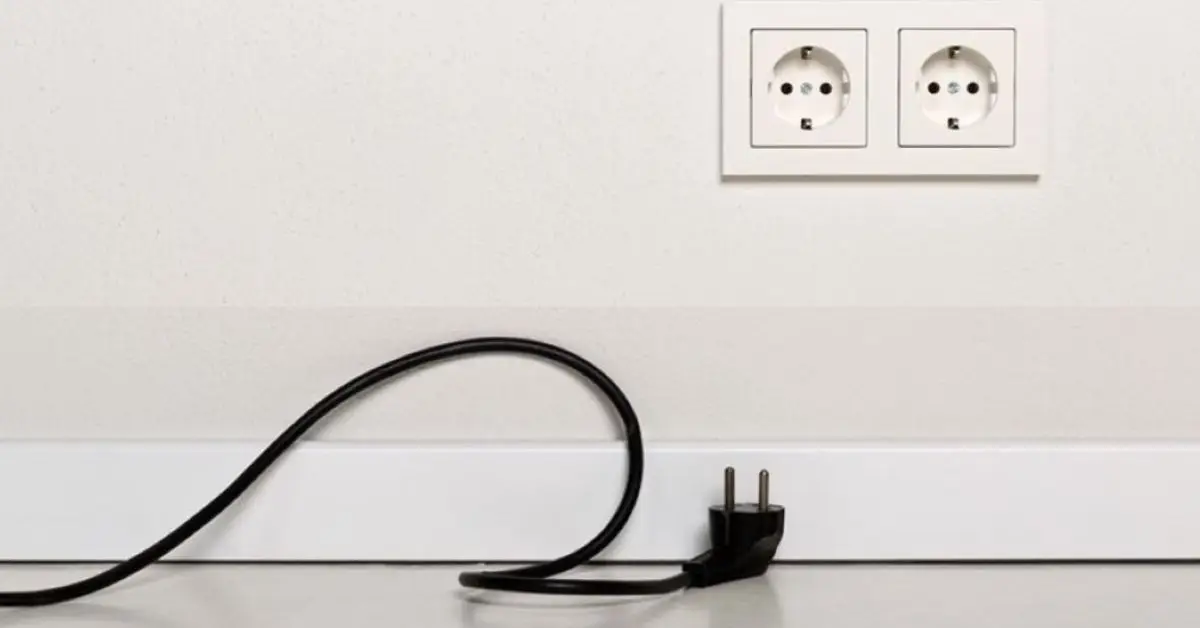
Unplugging a few small appliances right after you use them can sharply lower your home’s risk of an electrical fire — and save you money on wasted standby power. It’s one of those tiny habits that creates a real difference over time.
Electrical malfunctions are a major cause of house fires in the United States. According to national fire-safety data, thousands of home fires every year trace back to wiring faults, overheating devices, or appliances left plugged in when they shouldn’t be. If you want the clearest snapshot of how big this problem really is, check the U.S. Fire Administration’s home-electrical safety data.
And beyond safety, there’s the quiet energy drain. Many everyday appliances keep pulling power even when “off,” which can add up to 5–10% of a typical home’s electricity use over a year. Unplugging stops that waste instantly — no upgrades, no tools, just a simple habit that works. You can also see how unplugging small but active devices affects your monthly power bill in this guide: Cut Your Monthly Bills: 17 Things To Unplug Right Now.
What Danger Lies Dormant — How Plugged-In Appliances Cause Fires or Waste Energy
When people ask me why a harmless little appliance can become a problem, I tell them this: the danger isn’t dramatic. It’s quiet. Most fire hazards start long before flames ever appear. And the common thread in almost every case I’ve seen is a device that kept drawing power or generating heat when no one realized it.
For a broader look at electrical mistakes that increase home hazards, this breakdown of 8 Power Outage Mistakes Electricians Say Could Put Your Home at Risk fits right into the same safety perspective.
Phantom Load / Background Power Draw — Why “Off” Isn’t Always Off
A lot of appliances don’t fully shut down when you press the power button. They slip into a low-power mode instead, still pulling electricity in the background. That tiny draw seems harmless, but over time it heats up internal components and strains wiring that was never meant to stay energized around the clock.
It also wastes money — especially in homes with many small devices that stay plugged in by habit. Studies show standby power can quietly stack up on your bill without you noticing.
Heating Elements, Faulty Wiring & Surge Risk — Why Heat-Based Appliances Are Especially Risky
Any appliance that creates heat — even for a few minutes — carries more risk when left plugged in. Internal coils stay warm longer than the surface feels, wiring can expand and contract, and cheaper components wear down faster than you’d expect.
Add a sudden power surge, and the weak spots show up quickly. I’ve seen countertop gadgets with damaged plugs or outdated wiring spark without warning.
This isn’t about being paranoid. Heat is one of the top accelerators of electrical failure, and ignoring that is how small mistakes turn into big incidents.
Wear-And-Tear Over Time — Cords, Dust/Grease, and Neglected Maintenance Compound the Risk
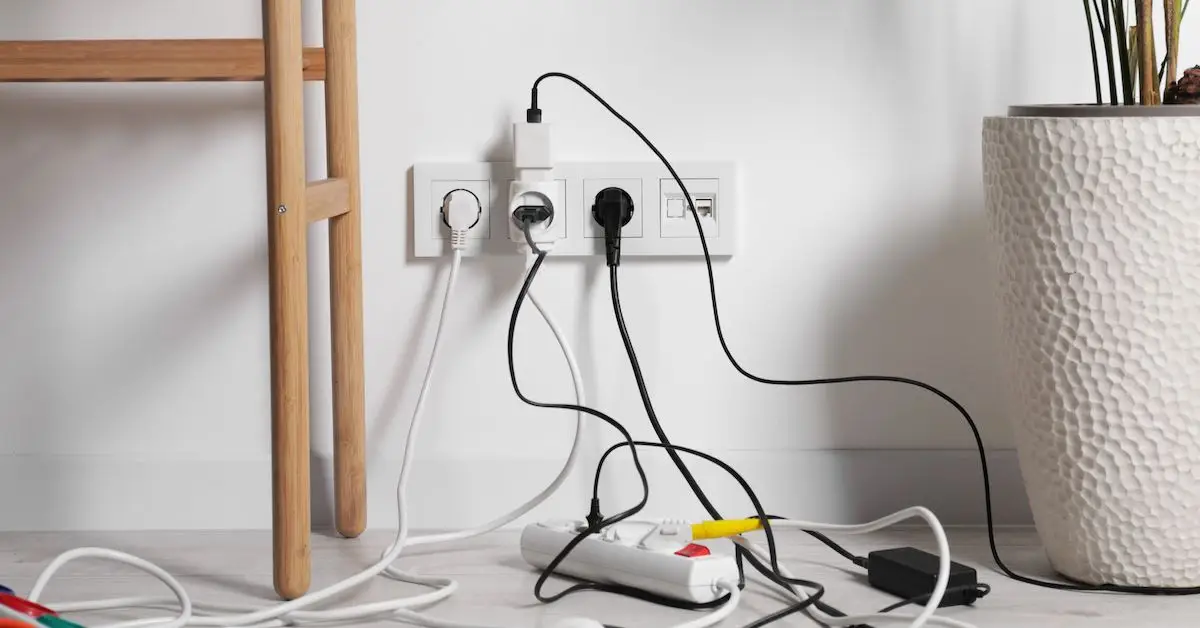
Fire hazards don’t appear overnight — they build up. Dust settles around vents, grease collects on kitchen appliances, cords fray a little more every month. When those weak points meet constant power, the chance of a short-circuit goes way up.
For a deeper look at how electrical wear can lead to hazards, the Electrical Safety Foundation International provides clear guidance on home risk factors: Home Electrical Safety Resources.
The 4 Appliances You Should Always Unplug After Every Use
If there’s one rule I push harder than any other, it’s this: unplug the devices that generate heat or quietly keep pulling power in the background. These are the four categories that cause the most trouble in real homes — the ones I’d never leave plugged in once I’m done using them.
1. Countertop Kitchen Appliances With Heating (Toaster, Air Fryer, Electric Kettle, Slow Cooker, and More)
Anything that heats up food or water carries built-in risk. Crumbs inside a toaster, oil inside an air fryer, and residue around slow cookers can ignite if a leftover spark or electrical fault shows up at the wrong moment. And a surprising number of small kitchen devices can activate themselves again if a button glitches or a dial gets nudged.
2. Hair-Style Heat Tools & Bathroom Heat Devices (Hair Dryer, Straightener, Curling Iron, Towel Warmer)
The heat these tools generate is intense, and they hold onto that heat long after you set them down. Add moisture from a bathroom, older outlets, or a metal surface nearby, and the risk of shock or ignition goes up fast.
This is one of the most common scenarios where people walk away thinking everything is fine, but the tool is still hot enough to melt or scorch nearby items.
3. Space Heaters, Portable Heaters & Small Heating Devices
Space heaters are responsible for a large share of home fire incidents in the U.S. They draw heavy power, strain outlets, and can overheat even when supposedly turned off — especially older or budget models. Many also have weak internal wiring that wears out sooner than you’d expect.
For a clear, homeowner-friendly breakdown on what to unplug and why, Good Housekeeping’s safety guide is a solid reference: Appliances & Electronics to Unplug Before Travel.
4. Chargers, Idle Electronics & Devices Prone to Phantom Drain
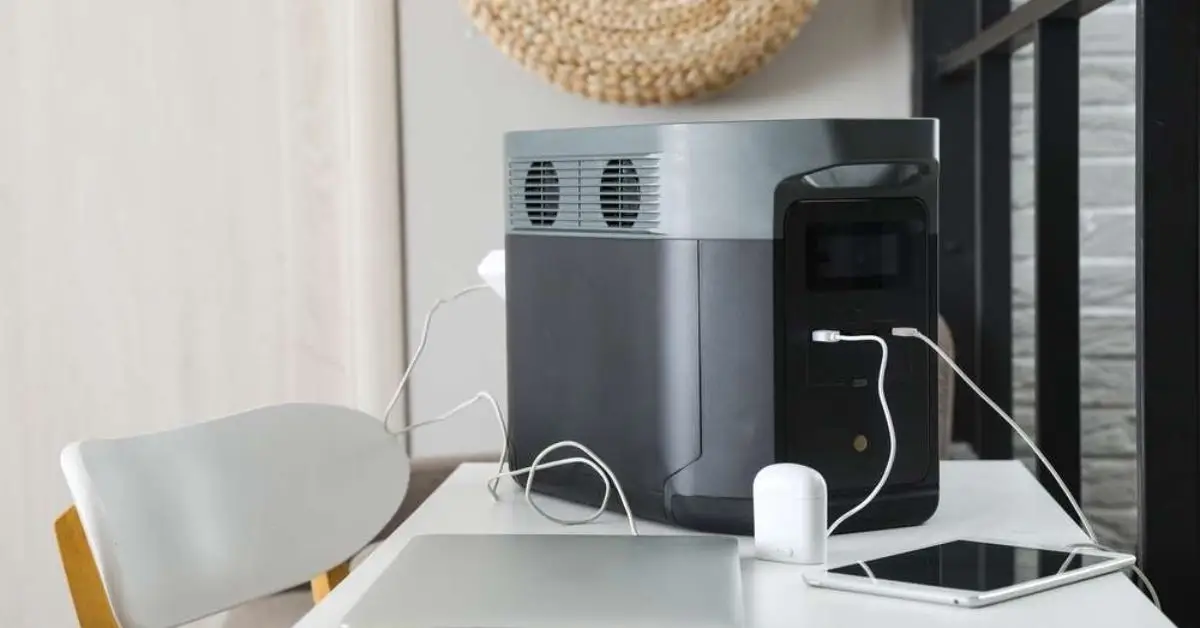
These don’t generate heat the way kitchen or bathroom appliances do, but they create a different problem: constant power draw and surge vulnerability. Phone chargers, set-top boxes, gaming accessories, and smaller electronics still use energy even when not in active use. And if the wiring inside is worn or the outlet is older, a sudden surge can lead to failure or an electrical spark.
When You Can Leave Appliances Plugged In — And When Not
People often tell me, “But I’ve kept my microwave and fridge plugged in for years.” And they’re right to wonder — not everything needs to be unplugged. Some appliances are built to run continuously, and unplugging them would do more harm than good. The key is knowing which ones fall into that category and what safety habits still apply.
Always-On Built-Ins & Essential Appliances (Fridge, Freezer, Central AC/Heater)
Appliances like refrigerators, freezers, and whole-home HVAC systems are designed for long, uninterrupted operation. Their internal cycles, compressors, and temperature-control systems depend on staying powered. Interrupting them too often shortens their lifespan and can compromise food safety or climate control.
But even with “always on” devices, the basics matter: avoid extension cords, keep outlets grounded, clean behind large appliances, and schedule maintenance.
Devices on Standby (TVs, Gaming Consoles, Routers, and Similar Electronics)
Some electronics sit in standby mode because that’s part of how they’re meant to work. You wouldn’t unplug your router every night — and no one expects you to. The same goes for many TVs and consoles that update in the background or rely on instant-on features.
But even when it’s okay to leave them plugged in, a few caveats still apply. Use quality surge protectors, check cords for heat or discoloration, and avoid stuffing power strips behind furniture where airflow is poor. The fire risk is low, but not zero — especially in older homes with aging outlets.
Smart Safety Habits — Beyond Unplugging
Unplugging is a strong safety step, but it’s not the whole picture. Real protection comes from small habits done consistently — the kind that keep wiring healthy, airflow open, and risks low no matter what you’re using at home.
Regular Cord & Outlet Inspection
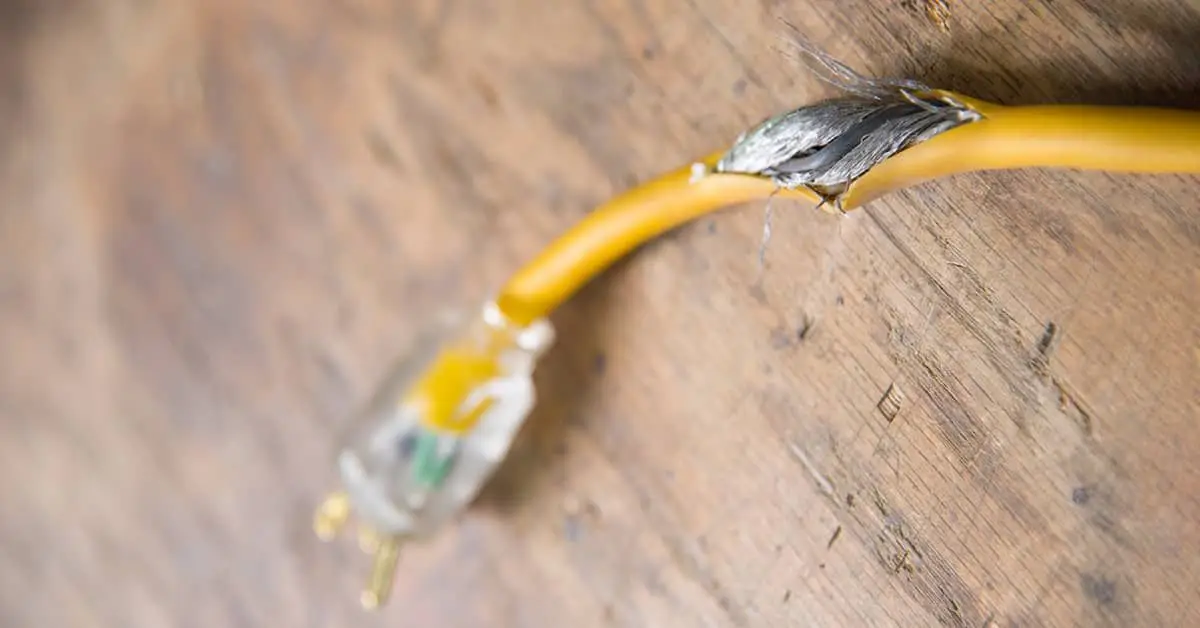
Cords wear out quietly. Outlets loosen slowly. And those small changes are enough to spark a fire if they meet heat or constant power. Look for fraying, cracking, discoloration, or plugs that feel loose when inserted. Replace damaged cords immediately and spread devices across multiple outlets to avoid overload.
Use Surge Protectors or Quality Power Strips — But Don’t Overload Them
A good surge protector adds a layer of defense, especially during storms or sudden voltage spikes. But even the best one fails if you pile too many high-load devices into it. Stick to light or medium-draw items and replace any strip that feels warm to the touch.
Keep Appliances Clean & Maintain Ventilation Around Heating Devices
Dust, grease, and blocked vents trap heat. Heat builds up quietly. And that combination is all it takes for a heating device to cross the line from warm to dangerous. Clean vents, wipe surfaces, and give every appliance enough space for airflow.
Install and Maintain Smoke Detectors; Ensure Proper Electrical Grounding
Even if you follow every rule perfectly, accidents still happen. Working smoke detectors catch problems early. Proper grounding makes sure stray electricity goes where it’s supposed to — not into the walls or wiring.
If your home has outdoor wiring or exterior boxes, pairing these indoor habits with this guide on 5 Reasons You Should Cover Outdoor Electrical Boxes Before Winter adds another layer of protection.
Final Word — Smart Habits > Panic Unplugging
You don’t need to unplug everything in your house or live in fear of the toaster. What you do need is a clear sense of which appliances demand attention, which ones can stay plugged in, and what habits keep your home safe day after day.
Smart habits always beat panic. A few seconds of unplugging, regular maintenance, and a watchful eye on cords and outlets — these steps add up to a safer home without any extra stress.
Have you ever had an appliance overheat or spark at home? Drop your experience or question in the comments — I’d love to help you troubleshoot it.
And if you want more practical home-safety guides, you can always explore Build Like New for deeper, homeowner-friendly tips.
Disclaimer: The information in this article is for general home-safety guidance only and shouldn’t replace professional electrical advice, inspection, or repair. Always consult a licensed electrician if you notice unusual heat, sparks, burning smells, or wiring issues in your home.