Never Install Carpet in These 5 High-Risk Rooms
When people talk about flooring, carpet usually gets framed as the “cozy” choice. I get why — it’s soft, warm, and makes a room feel lived-in. But after years of looking at how homes actually function, I’ve learned something most people only realize after making an expensive mistake: some rooms turn into long-term headaches the moment you put carpet in them.
I’m not saying carpet is bad everywhere. It has its place. The real problem is that many homeowners don’t think about what happens once moisture, heat, spills, or heavy traffic meet those soft fibers. That’s when the comfort factor fades, and you’re left with odors, stains that never fully lift, and hidden buildup you can’t vacuum your way out of.
If you’ve ever pulled up old carpet and seen what was living under it, you know exactly what I mean.
In this guide, I’ll walk you through the rooms where carpet consistently causes more trouble than it solves — based on real data, real homes, and what I’ve seen go wrong over and over again. My goal is simple: help you avoid decisions that lead to regret later.
Before we get into the list, tell me — have you ever lived in a home where a carpeted room caused problems?
Why Carpet Can Be a Hidden Problem — General Risks
Most people choose carpet because it feels warm and inviting. I get it — I used to think the same. But after seeing how carpets behave in real homes over time, I’ve learned that the problems don’t show up on day one. They build quietly underneath, in the padding, in the fibers, and even in the air you breathe.
If you’re planning to install carpet or wondering why yours feels harder to maintain than expected, these risks will give you a clear picture of what’s actually happening behind the scenes.
Moisture Absorption & Mold/Mildew Risk
Carpet absorbs moisture faster than you notice and holds on to it much longer than you think. A small spill, damp shoes, indoor humidity, or even condensation can seep deep into the padding. Once that padding stays damp, it becomes the perfect place for mold and mildew to grow.
Even health organizations warn that carpets can trap moisture and pollutants, affecting indoor air quality. You can see this explained by the American Lung Association.
Here’s why this becomes a real issue:
- Mold grows long before it becomes visible.
- Surface cleaning doesn’t dry the padding underneath.
- Odors often come from moisture trapped deep in the carpet.
- If moisture reaches the subfloor, repairs become expensive.
Dirt, Stains, Spills & Stubborn Odors
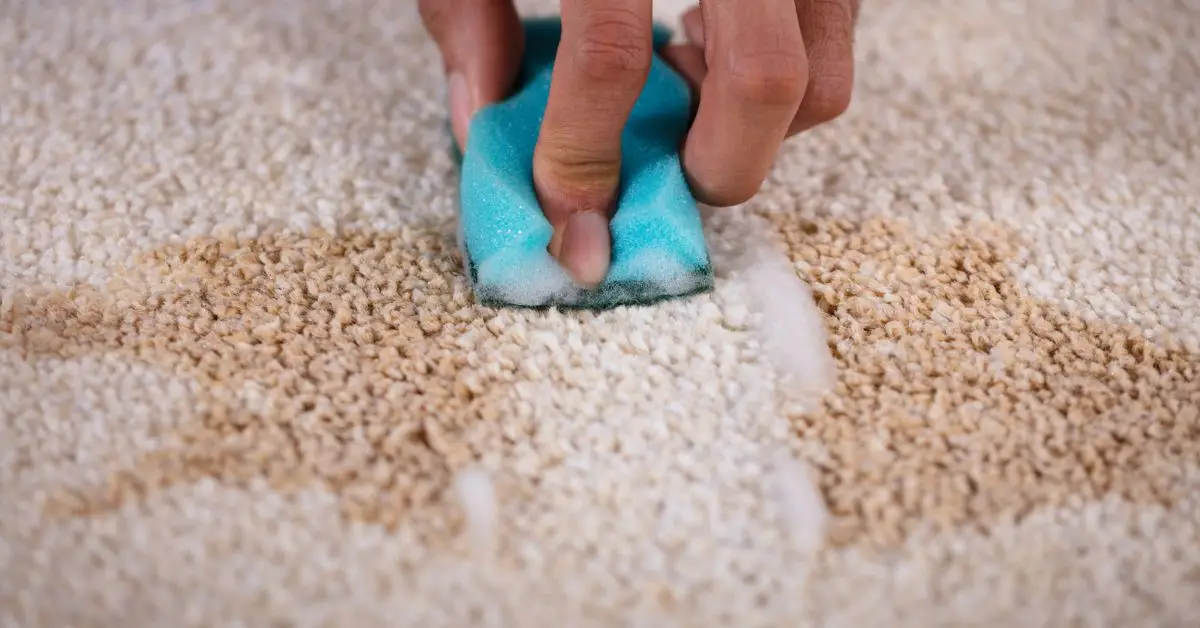
Carpet doesn’t just show stains — it absorbs them. Liquids, food, mud, and pet accidents settle deeper than the top fibers, and even when the stain fades on the surface, the residue often stays inside.
Daily life makes this worse:
- Mud or dirt tracked in from outside
- Spills that sink in before you blot them
- Kids dropping snacks or drinks
- Pets leaving behind odors that return later
Over time, the carpet starts holding on to smells you can’t fully remove, no matter how often you clean. If you’re dealing with stains or odors that keep coming back, here’s a helpful guide on simple ways to deep-clean carpet without using a machine.
Allergens, Dust Mites & Indoor Air-Quality Issues
If you notice more sneezing or coughing in carpeted rooms, you’re not imagining it. Carpet fibers trap allergens like dust, pollen, pet dander, and tiny particles that settle over time. Dust mites thrive inside warm, soft fibers, and regular vacuuming only removes what’s sitting on top.
What gets trapped inside carpet over the years:
- Pollen
- Pet hair and dander
- Dust mites
- Everyday dust
- Microscopic debris that settles deep in the padding
If someone in your home deals with allergies or asthma, carpet can make symptoms worse without you realizing why. If you’ve noticed tiny holes in your carpet or found small insects around the fibers, this guide on how to get rid of carpet beetles without calling pest control can help.
Durability & Maintenance Costs Over Time
Carpet wears out faster than almost any other flooring. High-traffic areas flatten, discolor, and lose their softness. And once carpet shows age, there’s no restoring it — replacement becomes the only fix.
Over the years, I’ve seen people spend far more on cleaning, deodorizing, and early replacements than they expected.
The biggest cost drivers include:
- Fibers crushing under heavy traffic
- Permanent dents from furniture
- Stains that need professional cleaning
- Moisture issues damaging the subfloor
- Sunlight causing uneven fading
Carpet may seem affordable upfront, but the real cost shows up later — and it adds up quickly.
Room-by-Room Breakdown — 5 Rooms To Avoid Carpeting
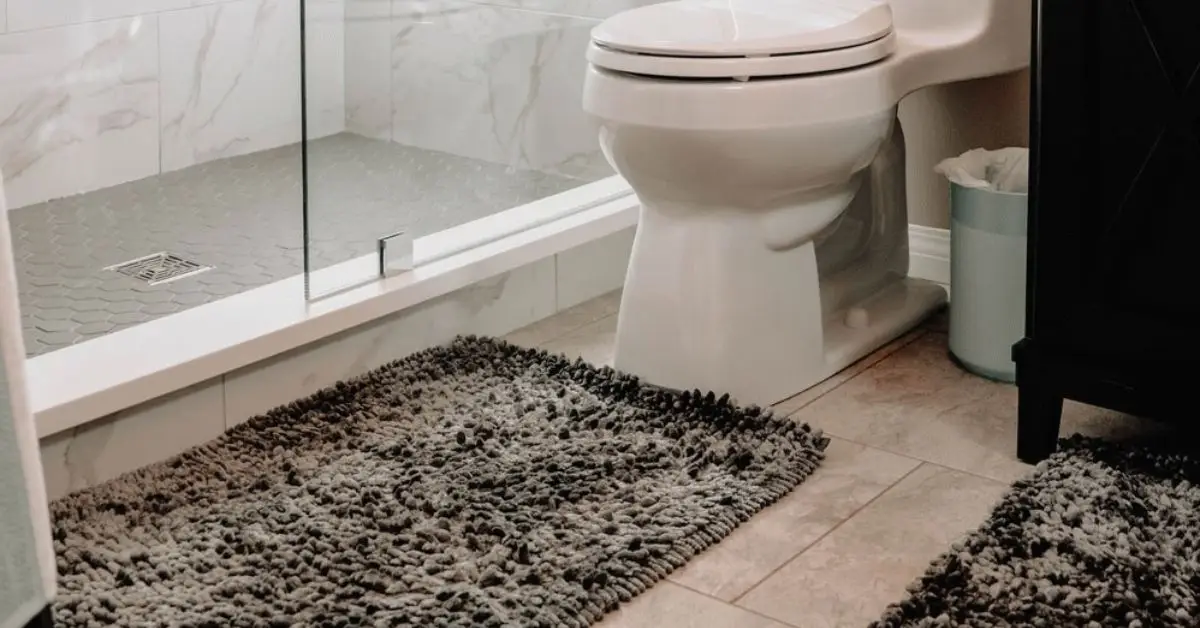
1. Bathroom
Bathrooms stay damp throughout the day, and even light splashes or steam settle deep into the carpet padding. Once that padding holds moisture, mold and bacteria start growing quietly underneath.
Research also shows how indoor surfaces can trap contaminants and worsen air quality, which becomes even more likely when carpet sits in a wet environment. You can see this discussed in a study published through the National Institutes of Health.
Real issues inside a bathroom carpet:
- Steam and humidity soak into the lower layers
- Leaks or overflows drive moisture into the subfloor
- Mold and mildew develop where you can’t see them
- Odors become permanent
- Subfloor damage becomes a hidden repair bill
2. Kitchen
Daily cooking brings spills, grease, boiling steam, and nonstop foot traffic. Carpet absorbs all of it, and once stains set in, they’re nearly impossible to remove.
There’s also a safety angle most people overlook: broken glass or sharp utensils disappear inside the fibers.
Why carpet performs poorly in kitchens:
- Oil, sauces, and drinks leave deep stains. If you ever spill paint or anything thick and messy on your carpet, here’s a practical guide on how to clean paint from carpet and rugs quickly.
- Liquids soak through faster than you can clean them
- Broken glass or metal pieces hide in the fibers
- High traffic flattens and discolors the carpet
- Cooking steam adds extra humidity that speeds up wear
3. Laundry Room
Laundry rooms often behave like wet rooms without looking like one. Washing machines release humidity, occasionally leak, and sometimes overflow — and carpet takes the hit.
Common carpet problems in laundry rooms:
- Moisture from wash/dry cycles settles into padding
- Leaks soak the carpet and encourage mold
- Heavy appliances crush or tear the fibers
- Dampness creates long-lasting odors
- Subfloor moisture damage becomes a real risk
4. Entryway or Mudroom
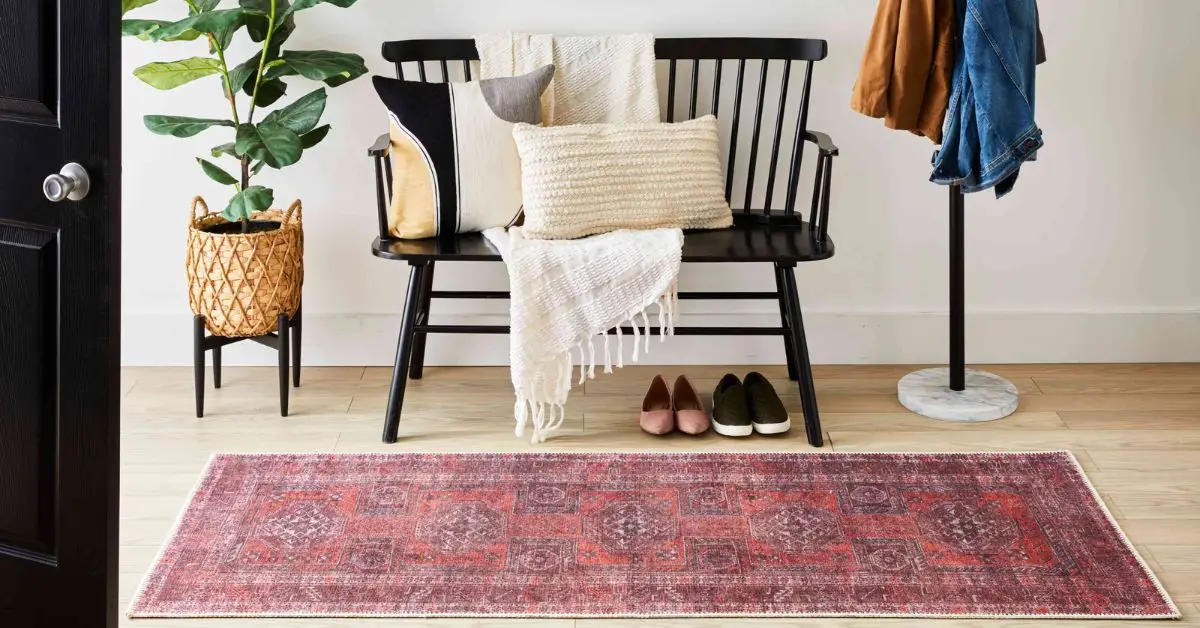
Entry areas are the dirtiest parts of the home. Every step brings in mud, rainwater, slush, dirt, and outdoor debris. Carpet traps all of it instantly and starts looking worn within weeks.
Why entry carpets fail fast:
- Rainwater and mud get absorbed deeply
- Pet paws carry dirt inside
- Bags and deliveries drag across fibers
- High traffic flattens the carpet quickly
- Stains and odors become constant
5. Hallways (High-Traffic Transition Areas)
Hallways may look harmless, but they handle heavy daily movement. In humid or rainy climates, carpet in these areas stays slightly damp — a prime setup for mildew and odors.
Hallway carpet problems you feel over time:
- Heavy traffic darkens and flattens fibers
- Dust builds up because everyone uses the space
- Humid air keeps the carpet damp
- Stains show quickly
- Odors form in low-ventilation spots
What Are Better Flooring Alternatives — Room-Wise Recommendations
Water-Resistant Hard Surfaces: Tile, Vinyl, LVP, Laminate, Sealed Stone
In rooms where spills, steam, or humidity show up daily, hard-surface flooring almost always outperforms carpet. Materials like tile, vinyl, luxury vinyl plank, laminate with sealed edges, and sealed stone stay stable under moisture and clean up quickly.
There’s also solid research showing how certain flooring types help limit moisture-related problems and improve long-term indoor conditions, as explained in a study published in the Applied Sciences journal.
Why these surfaces work so well:
- They don’t absorb water or steam, so mold doesn’t get a hiding spot
- Spills stay on the surface and wipe off without staining
- Dust and allergens don’t get trapped deep inside
- Strong enough to handle appliances, pets, and daily traffic
- Long-lasting even in bathrooms, kitchens, and laundry areas
Use of Throw Rugs / Washable Mats for Softness & Warmth
If you still want a softer feel under your feet, washable rugs or mats give you comfort without the long-term risk. You can lift, clean, dry, or replace them easily.
Where they make sense:
- Beside a bed or sofa
- Inside entryways to catch dirt
- Near sinks or tubs (as long as you dry them out)
- On hard floors during colder months
Benefits:
- Washable
- Replaceable
- Don’t trap moisture long-term
- Add warmth without installation
Carpet Tiles or Low-Pile Synthetic Carpets (Only in Dry, Low-Traffic Spaces)
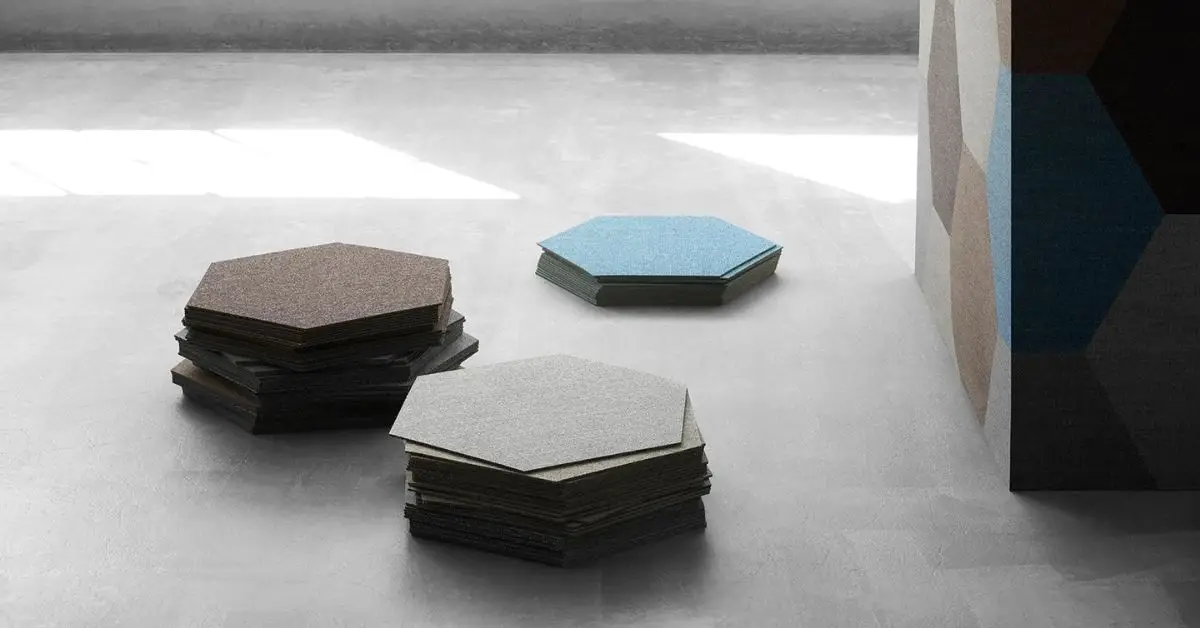
If you want some softness without committing to full carpeting, carpet tiles or low-pile synthetic options offer a flexible middle path — as long as the room stays dry.
Best practices:
- Choose low-pile synthetic fibers (they resist moisture better)
- Use carpet tiles so you can replace a damaged piece anytime
- Avoid splash zones completely
- Keep good ventilation
- Stick to rooms like a low-traffic bedroom or home office
When Might Carpet Still Be Acceptable — And What Precautions to Take
Bedrooms and Living Rooms
Dry rooms like bedrooms and living areas are where carpet performs best. These spaces stay stable, and the comfort often outweighs the risk.
Why carpet works here:
- Adds warmth in colder seasons
- Softens noise — great for families
- Creates a cozy feel underfoot
- Comfortable for kids and pets
Still important:
- Vacuum regularly
- Control humidity
- Deep-clean occasionally
- Consider washable area rugs for easier upkeep
If You Still Want Carpet in Higher-Risk Rooms
If someone loves carpet enough to use it in a borderline room, there are safer ways to do it.
Smarter approaches:
- Use small rugs instead of full carpet
- Choose rubber-backed rugs to block moisture
- Keep ventilation and airflow strong
- Skip plush or long-fiber carpets
- Avoid wall-to-wall installation
Cold-Climate Regions Where Warmth Matters More
In cold areas, some homeowners prefer carpet despite its drawbacks. That’s understandable — but it requires discipline.
Trade-offs to keep in mind:
- Warmth vs. moisture risk
- Carpet feels great in winter but needs strict cleaning
- Airflow and humidity control become essential
- Not ideal for humid or tropical climates
Quick Checklist — “Should You Carpet This Room?”

Use this simple decision guide before choosing carpet. For each criterion, answer Yes or No. If you have more No answers, the room is not suitable for carpet.
Checklist Criteria:
- Is the room consistently dry
- Is the foot traffic low to moderate
- Are pets or children unlikely to bring spills or mess
- Does the room have strong ventilation and stable humidity
- Can the room be cleaned and vacuumed regularly
- Are you willing to handle ongoing maintenance
- Are you prepared for possible early replacement costs
How to use it: Review each room with these questions to get a clear, practical decision without guesswork.
Bonus: Health, Maintenance and Resale / Long-Term Value Considerations
Indoor Air Quality and Allergens
Carpet fibers tend to hold dust, pollen, and pet dander. This can worsen allergies or breathing issues, as supported by guidance from indoor air-quality experts, including research shared on ballator.co.za.
Lifespan Cost vs. Hard Flooring
Carpet may look affordable at first, but frequent cleaning, faster wear, and moisture-related repairs can raise the long-term cost compared with durable hard flooring.
Resale and Home Value
Buyers often prefer water-resistant, easy-to-clean surfaces in kitchens, bathrooms, laundry rooms, and entry areas. Carpet in these spaces can create concerns about odor, hygiene, and hidden moisture damage, which may affect resale value.
Final Recommendations and Practical Advice
Room-by-Room Guidance
Kitchens, Bathrooms, Laundry Rooms
- Best options: tile, vinyl, luxury vinyl plank, sealed stone
- Avoid: wall-to-wall carpet and thick high-pile fibers
Living Rooms and Bedrooms
- Best options: low-pile carpet, carpet tiles, LVP, engineered wood
- Avoid: heavy plush carpet in homes with pets or humidity challenges
Basements or Semi-Below-Grade Spaces
- Best options: vinyl, sealed concrete, LVP
- Avoid: carpet without moisture barriers or humidity control
Entryways and Mudrooms
- Best options: tile, sealed stone, rubber flooring
- Avoid: carpeted surfaces that trap dirt, rainwater, and salt
Maintenance Tips If You Already Have Carpet
- Ensure strong ventilation and humidity control
- Vacuum regularly and schedule deep cleanings
- Handle spills and damp spots immediately
- Use washable rugs in high-risk zones
- Add a dehumidifier during humid seasons
When to Consider Replacing Existing Carpet
- Musty or persistent odor
- Visible staining or recurring water damage
- Dampness under the carpet
- Indoor allergies getting worse
- Carpet fibers becoming flat or worn
If these signs appear, it may be time to move toward a healthier, more durable flooring choice.
If you want more practical flooring and home-care guidance that actually helps you make better decisions, visit Build Like New. Have a question about your room or want a personalized flooring recommendation Drop it in the comments. I read every one.
Disclaimer: This content is for general informational purposes only and should not be taken as professional construction or health advice. Always consult qualified contractors or specialists for decisions involving structural work, flooring installation, or indoor air-quality concerns.