1 Dead, 2 Firefighters Injured in Mobile Home Fire in North Carolina
I woke up to this kind of terrible headline too often, and it still hits hard. Early on Dec. 3, crews raced to a mobile home on Lynn Drive near Dallas High Shoals Highway after neighbors reported a blaze; firefighters pulled a man from the home, but he died before he could reach a hospital.
You should know this up front: two firefighters were also treated on scene for burns and minor injuries, and crews had the fire under control roughly five minutes after arriving. Officials say the blaze started when combustible materials were stored too close to a heating source — a preventable setup that cost a life.
I’ll walk you through what happened, why mobile homes are especially vulnerable, and clear, practical steps you or someone you care about can take right now to avoid this kind of tragedy.
How the Gaston County Fire Unfolded?
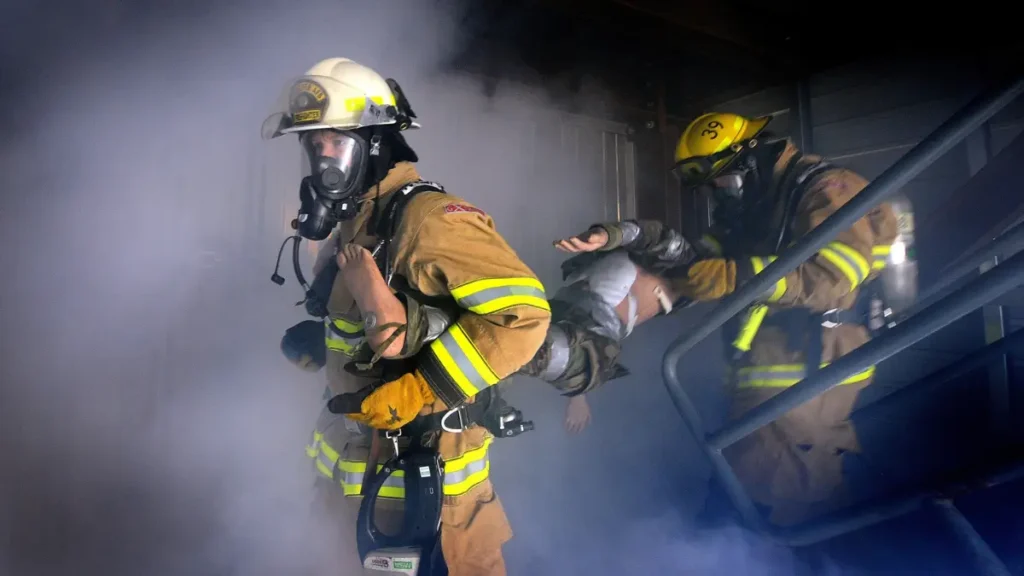
When you look at the timeline, this fire moved fast — painfully fast.
According to QCNews, multiple departments were dispatched just after 8 a.m. to a mobile home on Lynn Drive, right off Dallas High Shoals Highway. Crews arrived within minutes, and the home was already burning hard.
Firefighters managed to pull a man out of the structure, but he didn’t make it. He died before EMS could even get him on the way to a hospital. Two firefighters were also hurt while trying to get him out — burns, smoke exposure, the kind of injuries that remind you how dangerous these calls are even when everything goes “right.”
What stood out to me is how quickly the fire was brought under control — roughly five minutes after crews reached the scene. When a fire grows that aggressively that early, it usually means the ignition source had the perfect conditions to spread.
And sadly, that’s exactly what officials later confirmed.
What Started the Fire — And Why It Was Completely Preventable
The county’s emergency management team said the fire started because combustible materials were stored too close to a heating source.
If you’ve ever lived in a mobile home — or even a small apartment — you know how easy it is for boxes, bags, clothing, or stacked items to end up near a heater without you thinking twice.
But in the winter months, that small oversight becomes life-threatening.
This is the part most people underestimate: fires from heating sources don’t need much. One spark, one overheated coil, one tipped space heater — and a home that’s mostly wood paneling and lightweight construction can go up in minutes.
The cause of this fire isn’t unusual, and that’s what makes it so painful. It could’ve been avoided with just a few inches of distance between heat and clutter.
Why Officials Haven’t Released the Victim’s Name Yet?
The man who died hasn’t been publicly identified, and there’s a simple, respectful reason for that.
Before releasing a name, authorities always notify the next of kin.
They don’t rush this step, because families deserve to hear the news privately — not from a headline or a Facebook post.
You might see people asking “Why aren’t they saying who it is?” online, but this waiting period is standard in every fatal fire.
It’s about dignity. It’s about giving someone’s loved ones a moment to breathe before the public conversation begins.
The Firefighters Who Got Hurt — The Side of the Story Most Reports Skip
Two firefighters were treated for minor injuries and burns at the scene, and this part matters more than people realize. Mobile home fires are a completely different challenge for rescue crews:
- They flash over faster.
- Heat builds quickly inside smaller rooms.
- There are fewer entry points.
- Structural stability drops almost immediately.
So when firefighters go in, they’re stepping into one of the most unforgiving fire environments you can imagine. These two were injured while doing exactly what they always do — pushing past that danger to try to save someone.
In most news stories, this becomes a one-line mention. But if you’ve ever talked to firefighters, you know these “minor injuries” tell a deeper story about how hard they fight to give someone a chance.
It reminded me of another case in York County where firefighters battled a fast-moving home blaze under similarly difficult conditions — here’s the report: York County home engulfed in flames, firefighters on scene.
Why Mobile Homes Face Higher Fire Risk?
If you live in a mobile home — or know someone who does — this is the section you need to pay attention to.
Mobile homes aren’t unsafe by default, but they are more vulnerable in fire situations. Here’s why:
1. Construction materials burn faster. A lot of older units use thin wall panels and lighter framing, which means flames spread quicker compared to brick or thicker drywall homes.
2. Heat sources sit close to everyday items. Small rooms + limited storage = heaters, cords, and appliances often end up closer to clutter.
3. Older wiring or aging heaters raise the ignition risk. Even a slightly damaged cord or outdated heater can turn dangerous under winter load.
4. Limited exits reduce escape time. A standard mobile home usually has one main door and maybe a back door. If flames block one, escape becomes a race against seconds.
None of this means mobile homes are “bad” — but it does mean you need a stricter safety routine. Fires behave differently in these structures, and you don’t get the same margin for error you’d have in a traditional home.
I also share quick fire-safety updates and real-time incident alerts on a WhatsApp broadcast channel — it’s something people find useful during winter fire season.
What You Can Learn From This Fire?
If you live in a mobile home — or know someone who does — these are the things you shouldn’t push off. They’re small changes, but they prevent the exact kind of fire that happened on Lynn Drive.
• Keep anything flammable far from heaters. Clothes, boxes, plastic bags, storage tubs — even a few inches too close can be all it takes.
• Give every heater its own “clear zone.” Nothing touching it. Nothing leaning near it. Nothing stacked around it.
• Install smoke alarms in every sleeping area. Most fatal fires happen at night. A working alarm is often the only alert you’ll get.
• Do a quick winter safety check. Loose outlets, dusty heaters, old cords, overworked power strips — fix them before the cold sets in.
• Make sure you have two ways out. Mobile homes don’t offer many exits. Plan your escape now, not during a fire.
• Review how you store clutter. If something can burn, don’t leave it piled near plugs, vents, or heaters.
I’ve seen too many tragedies start with small oversights. These aren’t big projects — they’re five-minute changes that make a real difference.
Not long ago, a garage fire in Detroit Lakes showed the same pattern — one small oversight turned into a major loss. You can read that report here: Detroit Lakes garage fire leaves home damaged, pet dead.
What Happens Next — The Questions Investigators Still Need to Answer
Even though officials confirmed the cause, the investigation doesn’t just stop there. Fire teams will still look at whether the heating source itself malfunctioned, because sometimes clutter is the trigger but the equipment still needs a closer look.
They’ll check if smoke alarms were installed and working, which becomes a key part of almost every fatal fire report. They may also review whether the home met safety standards, especially if it had older wiring, aging vents, or a history of electrical issues.
Another angle investigators consider is whether nearby homes could face similar risks. When a preventable fire happens in a neighborhood, it’s common for fire departments to push out safety reminders or even do door-to-door checks, especially in mobile home communities.
Readers care about these next steps more than they realize, because updates help them understand the bigger picture — not just what happened, but what’s being done to make sure it doesn’t happen again.
A similar situation played out in Wisconsin recently, where an early-morning house fire turned deadly — you can see that breakdown here: Wisconsin house fire leaves woman dead, child in hospital.
Final Takeaway — What This Fire Should Teach Every North Carolinian
This fire is a reminder that tragedies often come from the smallest oversights. A man lost his life. Two firefighters got hurt trying to save him. And the cause — clutter sitting too close to a heater — is the kind of thing almost anyone could overlook during a normal winter morning. The lesson here isn’t about fear; it’s about awareness.
You have far more control over fire risk than you think. If you move the clutter, check your alarms, and give your heater the space it needs, you’ve already lowered your risk more than most people do in a year.
Before you click away, take a second and think about your own setup. Is there a heater next to a pile of clothes? Is there a room without a working alarm? Is that old extension cord still in use because you “meant to replace it”?
These are the kinds of things that decide outcomes long before a fire ever starts. So let me ask you — what’s the first safety fix you think you need to make at home after reading this?
If you want to stay updated on major fire incidents and community safety stories across the U.S., explore more reports in our home incidents section — it’s where I track and break down cases just like this.
Disclaimer: This article is based on information released by local officials and verified news sources at the time of writing. Details may change as investigators release new updates. Readers should follow guidance from their local fire department for the most accurate safety information.