Mobile Home Destroyed in Pennsylvania Fire, Cause Under Investigation
I still remember scrolling through the news late Tuesday night and seeing the images of a mobile home in Moore Township, Pennsylvania, completely engulfed in flames.
It was around 10:15 p.m. on Hickory Hills Drive when the fire broke out, and you could see the orange glow and thick smoke stretching across the neighborhood. I can only imagine how terrifying it must have been for the six people living there, though thankfully, no one was hurt.
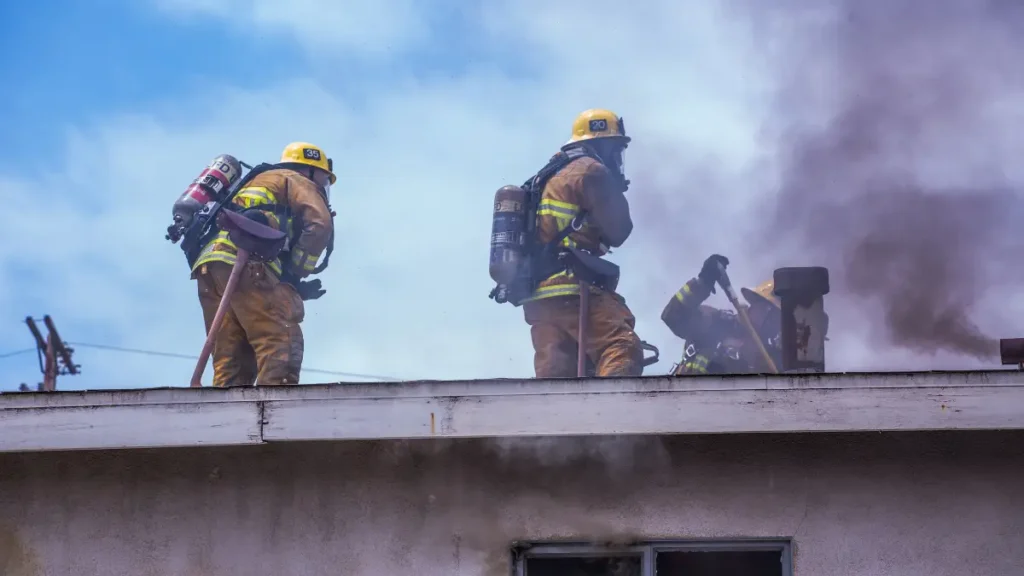
Watching the crews work to saw open parts of the home to fight the fire made me realize how quickly these flames can take over a mobile home, and how vulnerable these structures can be.
The American Red Cross is now helping those displaced, but it really hit me: a few minutes can change lives forever, and understanding what happened here matters—not just as news, but as a lesson for anyone living in similar homes.
Why Mobile Homes Are Particularly Vulnerable?
When I first started digging into this, I realized that mobile homes like the one on Hickory Hills Drive face risks that many of us don’t think about. They’re smaller, often built with materials that can burn faster, and electrical systems in older homes can fail without warning.
Firefighters often have to work against these challenges—narrow hallways, fewer exits, and tightly packed units in neighborhoods. It’s not just about the flames; it’s about how quickly a fire can spread and how hard it can be to get everyone out safely.
The Facebook post from the official Moore Township page confirmed that the fire was intense, with smoke billowing across the neighborhood, making evacuation and firefighting even more urgent. Seeing it makes you understand why every second counts in these homes.
Investigations & Likely Causes
6ABC reports that the cause of the Hickory Hills fire is still under investigation.
From what experts and fire safety studies suggest, common triggers include faulty wiring, heating equipment malfunctions, or combustible materials too close to heat sources.
As someone who’s looked into these incidents closely, it’s clear that many fires could be prevented with regular maintenance, smoke detectors, and awareness of risks.
This isn’t fear-mongering; it’s about understanding patterns so we can take simple steps to avoid becoming the next news story.
Similar to the Rhode Island mobile home fire that turned deadly earlier this year, faulty wiring and other hazards can escalate quickly if not addressed promptly.
Immediate Aftermath — Displacement & Aid
Six people were displaced in this fire, and the American Red Cross has stepped in to help them.
Reading about it, I couldn’t help but think how sudden life can change. One moment, you’re at home; the next, you’re relying on temporary shelters and emergency support.
Community response matters here. Local authorities, neighbors, and organizations play a critical role in helping displaced families get back on their feet.
If you live in or near mobile home communities, understanding how aid works can make a huge difference in a crisis.
For quick updates and tips on safety incidents like this, many readers find real-time alerts via messaging channels helpful — I often check updates this way to stay informed.
Fire Safety Tips for Mobile Home Residents
If you or someone you know lives in a mobile home, there are practical things you can do to reduce risks:
- Make sure your smoke alarms are working and test them regularly.
- Check and maintain electrical wiring and heating systems, especially in older homes.
- Keep escape routes clear and know multiple ways out of your home.
- Avoid overloading circuits or using makeshift heating solutions.
- Know your nearest fire station and emergency contacts.
- For park managers: ensure adequate spacing and clear roads for emergency vehicles.
These steps are simple, but they can save lives. I always tell friends and family: it’s not about paranoia—it’s about preparation.
As seen in incidents like the West Phoenix fire that left seven residents without a home, having immediate support systems and local aid organizations is crucial in helping displaced families.
Broader Implications — Awareness & Prevention
When I reflect on this fire, it’s clear that incidents like these aren’t just about one home—they point to a broader problem. Mobile homes, especially older ones, are inherently more vulnerable, and without awareness, many families remain at risk.
Reporting on fires is important, but so is sparking conversation about preventive measures. If you live in a mobile home community, sharing safety tips with neighbors, advocating for better fire safety regulations, and staying alert can save lives.
I’ve seen firsthand how proactive communities reduce both damage and panic during emergencies.
What to Watch Next — Investigation Updates & Community Response
At the moment, the official cause is still under investigation. I’m keeping an eye on updates from the Moore Township fire department and local media. The findings will determine whether it was accidental, electrical, or something else.
For the displaced families, follow-ups could include permanent relocation or continued aid. On a bigger scale, policymakers might reconsider fire safety rules for mobile homes.
For you and me, it’s a reminder to stay informed—knowing how local authorities handle such events can help us be better prepared.
Closing Perspective — Why Awareness & Preparedness Matter
Reading about the Hickory Hills fire, I felt a mix of relief and concern—relief that no one was hurt, but concern that this could happen anywhere else. Fires don’t announce themselves, and mobile homes can burn quickly.
If you live in a similar home, take the steps seriously: check smoke alarms, plan escape routes, and stay vigilant. Talk to neighbors, advocate for safety improvements, and be ready before disaster strikes.
I want to leave you with this: after reading this, think about your own home and community. Have you done everything you can to stay safe? And if not, what can you do today to change that?
For more stories on home safety and fire incidents, you can explore our collection of similar cases on our website Build Like New.
Disclaimer: The information in this article is based on official reports and media coverage. The cause of the fire is still under investigation, and details may change. Safety tips are general guidance and may vary depending on local regulations.