Winter Weather Pushed Spiders Inside — The Simple Fix Every Homeowner Should Know
I know the feeling — you wake up on a chilly morning and spot a spider on the baseboard or in a corner where nothing lived all summer. It makes you wonder: did winter drive them inside, or did they quietly live with us all along?
I’m going to cut through the panic and the myths. I’ll show you, plainly, what’s actually happening, which steps stop most spiders fast, and when you should call a pro so you’re not spraying everything in sight.
This guide pulls together pest-control advice, entomology facts, and real homeowner reports — so you get practical fixes that work, not scare stories. First: tell me — where did you see yours? That’ll help me point you to the exact fixes for that spot.
What’s Really Going On: Do Spiders “Invade” in Winter or Were They Already Around?
If you ask most homeowners — or even most pest-control blogs — you’ll hear the same explanation. I’ve heard it too for years: cold weather hits, and spiders rush indoors to stay warm. It sounds logical, and if you’ve just spotted one near a wall or window, it feels true.
But when I step back and look at the science and real household patterns, the picture changes. And once you understand it, the panic usually disappears.
The Common Belief: Cold Weather Pushes Spiders Inside
Most mainstream advice says spiders enter homes during winter because outdoor conditions become harsh. According to common pest-control guidance, homes offer three things spiders want more of in colder months:
- Shelter from wind, rain, and snow
- Access to food when insects disappear outdoors
- Safe, undisturbed corners where they can hide
This idea gets repeated because it’s simple and intuitive. But it doesn’t tell the whole story — and that’s where homeowners start overreacting.
The Science: Spiders Don’t “Feel” Cold the Way You Do
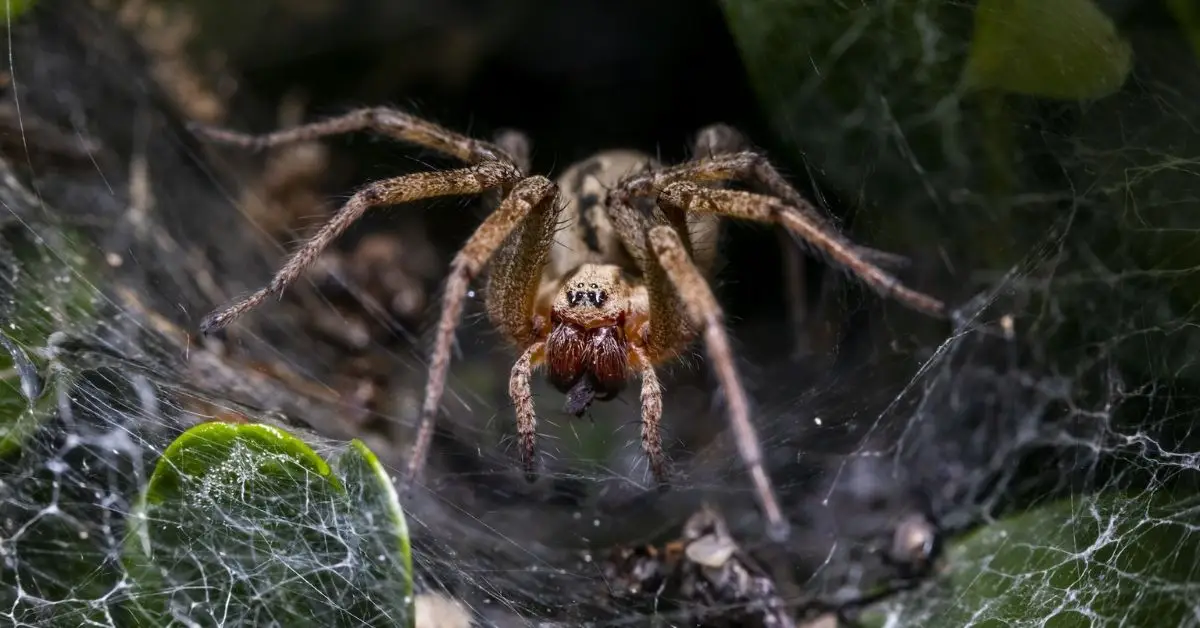
Spiders are cold-blooded. They don’t chase heat or comfort like humans. Many species are built to survive winter without ever stepping into your living room.
Some spiders slow their bodies into a low-energy state, while others produce antifreeze-like chemicals that protect them in cold conditions. Entomology experts have explained that the idea of spiders actively invading homes for warmth is often misunderstood, as outlined in this detailed breakdown on the myth that spiders come indoors to escape the cold.
That one clarification alone changes how you should respond.
What Actually Makes Spiders More Noticeable in Winter
Here’s what I see happen in real homes every year — and you may recognize this.
Winter creates conditions where spiders become easier to spot, not necessarily more common:
- Outdoor insects decline, so spiders stay closer to remaining food sources
- Homes stay closed up longer, creating quiet, stable hiding places
- You spend more time indoors and notice things you’d miss in summer
- Storage bins, holiday boxes, and unused rooms finally get disturbed
And here’s the part most articles skip: many house spiders may have already been living inside your home, quietly tucked away, long before winter started.
So no — in many cases, winter didn’t bring spiders in.
It simply made them visible.
Once you see it this way, the solution becomes calm and practical instead of fear-driven.
Now tell me — where did you first spot yours: near storage boxes, a bathroom corner, or a window frame?
Why Some Homes Are “Hotspots”: What Attracts Spiders in Winter
If spiders keep showing up in your house while your neighbor sees none, that’s not random. In my experience, it almost always means something inside or around the home is quietly inviting them in.
Once you spot that trigger, prevention becomes focused — not guesswork.
Easy Prey: Indoor Insects, Pests, And Clutter That Harbor Them
Spiders don’t move first. Food does. And spiders follow.
When a home has even a small number of insects, it creates the perfect reason for spiders to stick around. I often see this pattern when homes have:
- Roaches, ants, or silverfish hiding behind cabinets
- Moths and flies drawn to indoor lights
- Dust, clutter, and stored items that shelter tiny insects
Moisture And Damp Spaces: Basements, Bathrooms, Laundry Rooms
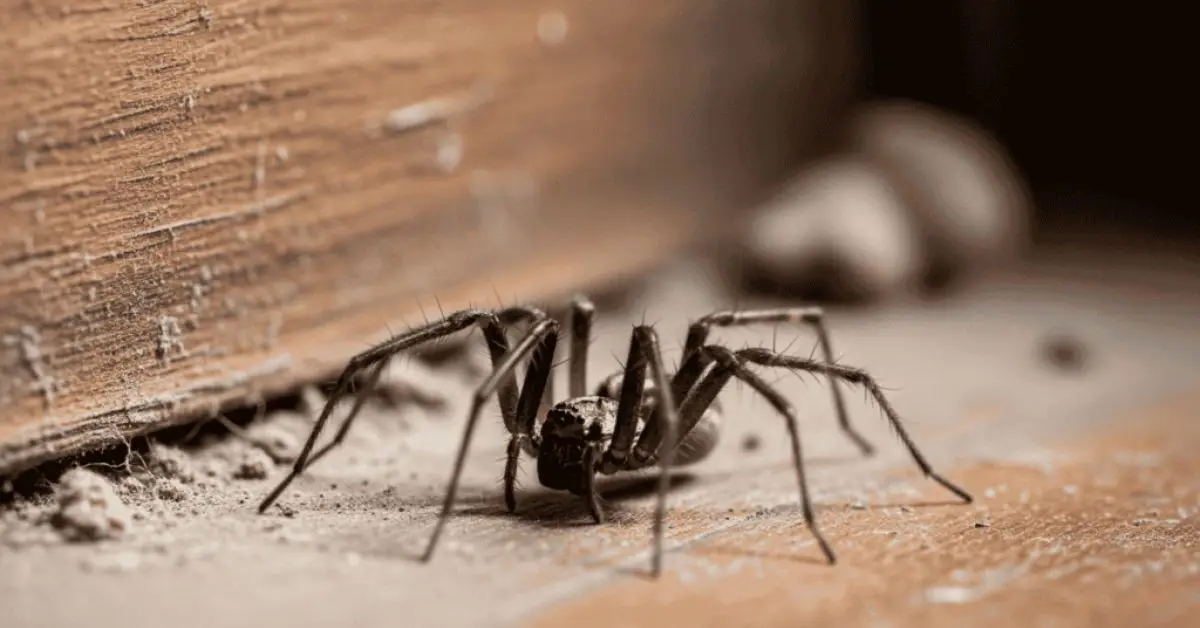
Spiders thrive where insects and moisture overlap.
Damp spaces make homes more attractive because:
- Condensation builds up around pipes in winter
- Small leaks stay hidden longer
- Basements and laundry rooms remain undisturbed
Cracks, Crevices, And Entry Points — The Open Invitation
Spiders don’t need much space to get in. A hairline gap is often enough.
The most common entry points I tell homeowners to inspect are:
- Gaps around windows and door frames
- Foundation cracks and siding joints
- Openings around plumbing, wiring, and vents
- Torn or poorly sealed window screens
According to Terminix, unsealed entry points are the main reason spiders find their way indoors during colder months.
Yard And External Factors Most People Overlook
What’s outside your home matters more than most people realize.
Spiders commonly live in:
- Woodpiles stacked against exterior walls
- Shrubs and plants touching the house
- Leaf piles and outdoor clutter near the foundation
When winter disrupts those spots, spiders move to the nearest stable shelter — often straight inside.
The Myth Vs Reality And What It Means For You
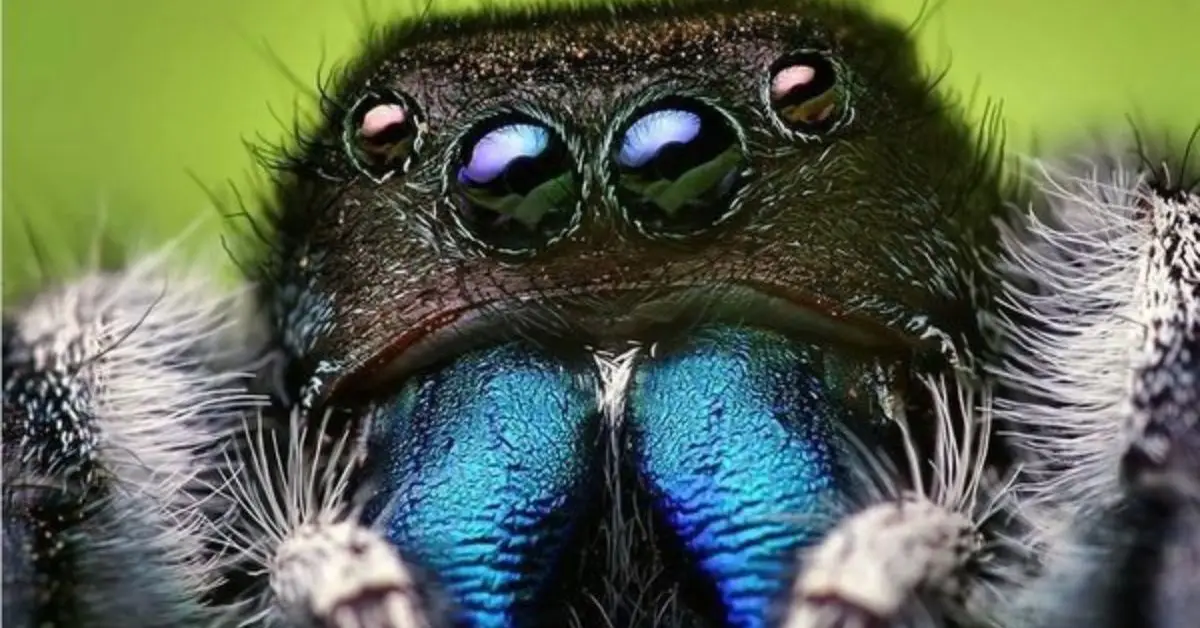
This is the part many articles skip, and it’s why homeowners stay confused.
Myth: “Spiders Need Warmth”
Spiders don’t experience cold the way you do. Many species can survive winter without entering heated homes, which makes the “they came in for warmth” explanation oversimplified.
Reality: Food, Shelter, And Human Behavior Matter More
What really increases winter spider sightings is a mix of:
- Active indoor insects
- Undisturbed hiding spots
- Seasonal habits like sealing homes and moving storage
Once those factors line up, spiders don’t need to invade — they simply stay visible.
Regional And Species Differences Change Everything
Some spiders can’t adapt indoors and won’t survive long once inside. Others are house-adapted and may already live within your walls. Climate plays a big role too — what happens in one region doesn’t always apply everywhere.
Seasonal Triggers Homeowners Rarely Connect
I often see sightings spike during:
- Late-fall cleanouts
- Bringing in holiday décor
- Opening storage boxes that haven’t moved in months
Those actions disturb hidden spaces and reveal spiders that were already there.
Once you understand this, your response becomes calmer and more precise. Think about where you’ve seen them most — that pattern usually tells you exactly what needs attention next.
Spider-Proof Your Home This Winter: A Homeowner’s Action Plan
If you want to actually stop spiders instead of just noticing them, it helps to have a clear, step-by-step plan. I’ve learned that following a structured approach saves time, prevents repeat visits, and keeps you from overreacting.
Seal and Inspect All Entry Points — Doors, Windows, Foundation, Vents, Screens, Plumbing Lines
The first and most effective step is making sure spiders have no easy way inside.
- Check doors, windows, vents, and any gaps around plumbing lines
- Use caulk or weather stripping where cracks appear
- Install or repair door sweeps
- Fix torn window screens
Doing this consistently is the cornerstone of a spider-proof home.
Declutter, Clean, and Reduce Hiding Places — Indoor and Storage Areas
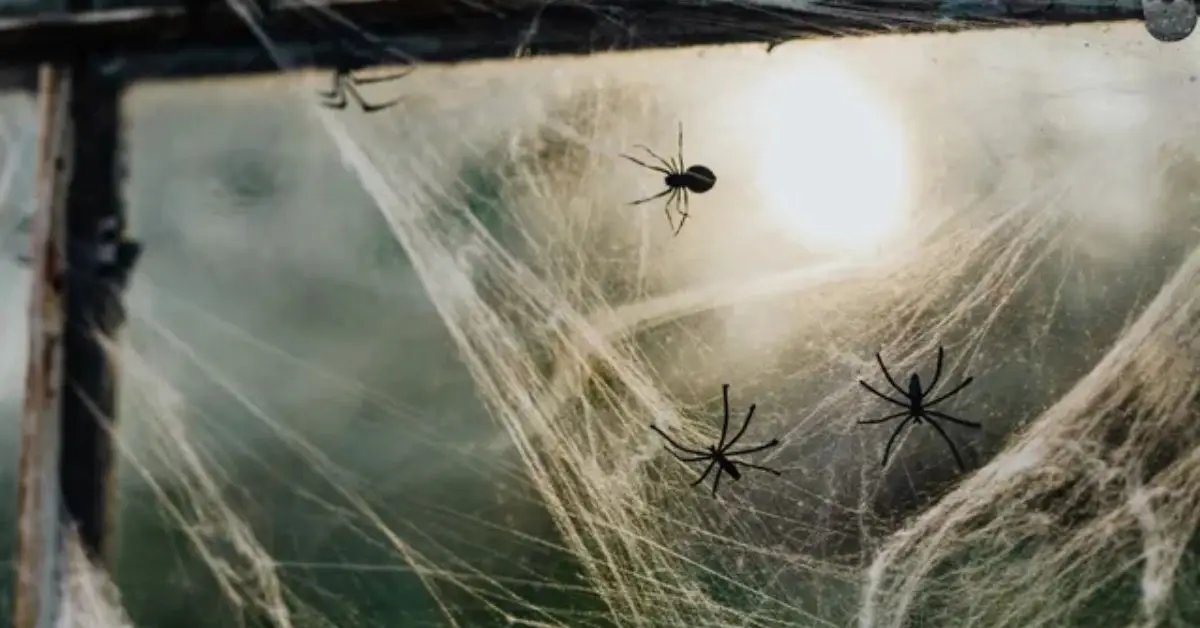
Spiders love quiet, undisturbed spaces. You can take that away by:
- Vacuuming webs, dust, and corners regularly
- Organizing seasonal items and keeping storage neat
- Avoiding cardboard boxes where moisture and insects can hide
A clean, organized space is often more effective than spraying chemicals.
Control Insects and Food Sources — Insects Attract Spiders
Remember, spiders follow food. Reducing indoor insects helps naturally limit them:
- Seal food containers and clean up crumbs
- Keep garbage covered and dispose of waste regularly
- Fix leaks and reduce indoor moisture
Controlling moisture is key: besides leaks and condensation, cleaning drains regularly can prevent insects that attract spiders, as explained in these 9 drain cleaning hacks that work.
Use Natural Repellents & Deterrents (Optional)
For minimal chemical use, natural deterrents can help:
- Essential oils like peppermint or eucalyptus sprayed near corners
- Vinegar solutions for entry points
- Diatomaceous earth lightly sprinkled in hidden spots
These aren’t magic fixes, but they give you extra control without harming your pets or home.
Outdoor Maintenance — Trim Bushes, Move Woodpiles, Clear Debris, Adjust Outdoor Lighting
Spiders often originate outside before sneaking indoors:
- Trim back shrubs and keep woodpiles away from walls
- Clear leaves and debris near foundations
- Use yellow insect-attractive bulbs or motion lights to reduce insects (and therefore spider food)
If you want to take your spider-proofing further, check out these 10 smart home hacks to keep pests out all year — many of these tips complement the winter-specific steps we’ve discussed.
Monitor and Inspect Regularly
Even after all precautions, occasional checks matter:
- Inspect corners, attics, basements, and storage boxes
- Look for egg sacs or webs before they grow
- Address small sightings quickly to prevent larger infestations
When to Consider Professional Help (And What Experts Actually Do)
Even with all precautions, some situations require a professional touch. I’ve seen homeowners save time and frustration by knowing when to call in experts.
Signs of a Real Infestation
You might need help if you notice:
- Multiple spiders in the same area repeatedly
- Egg sacs hidden in corners or storage
- Large webs in spaces you regularly clean
These indicators help you distinguish between occasional sightings and a real problem.
What Pest-Control Professionals Look For
Pros don’t just spray chemicals. They:
- Identify species and understand their behavior
- Locate entry points you might miss
- Provide long-term sealing and habitat disruption
This ensures that even if spiders are hiding outside or in wall gaps, you’re not just chasing them indoors.
Safe Removal vs Harmful Chemicals
Many homeowners worry about chemicals, pets, or the ecosystem. Professionals often:
- Remove spiders humanely when possible
- Target only venomous or high-risk species
- Use solutions that balance effective removal with ecological safety
For practical guidance on professional spider control, including safe removal and inspection tips, check out Aptive Pest Control’s advice on managing indoor spiders.
Quick Seasonal Home-Maintenance Checklist for Spider Prevention
Here’s a practical checklist I personally follow — you can print it or keep it on your phone:
Before winter sets in:
- Inspect and seal doors, windows, vents, plumbing lines
- Repair torn screens and add door sweeps
- Vacuum corners, remove webs, and declutter storage areas
- Check for moisture or leaks in basements, bathrooms, and laundry rooms
- Trim bushes, move woodpiles, and clear yard debris
- Replace or adjust outdoor lighting to reduce insects
- Monitor frequently for any new sightings
Seasonal preparation matters: just like we prepare for winter spiders, following these 10 simple fall pest prevention tips can help stop other unwanted guests from moving in.
Following this checklist consistently makes a huge difference — trust me, it’s less stressful than panic-cleaning every few days.
Final Thought: Living in Balance — Spiders as Unwanted Guests, Not Enemies
Here’s the mindset I encourage every homeowner to adopt: spiders aren’t invaders, they’re part of the ecosystem. Many are harmless and even helpful because they keep other pests in check.
The real “fix” isn’t chemicals or panic — it’s sensible, consistent home hygiene and maintenance. Humane removal, habitat management, and awareness will keep both you and your home safe.
I’d love to hear from you: What’s the weirdest or most surprising spot you’ve found a spider in your home this winter? Share your experience in the comments below — I read every one.
And if you want more practical home maintenance guides like this, check out Build Like New for tips, checklists, and expert advice designed for real homeowners like you.
Disclaimer: This article is for informational purposes only. The tips and advice shared are based on general pest-control practices and research, but individual results may vary. For serious infestations, venomous species, or persistent issues, consult a licensed pest-control professional.