Before You Switch On AC This Season — 8 Air-Filter Warning Signs to Watch Out For
I’ve been changing air filters in homes for over 20 years, and one thing I’ve noticed is how often people overlook this simple task. You might think, “It’s just a filter—how bad can it be if I wait a bit longer?” But honestly, ignoring it can quietly impact your health, your comfort, and even your wallet. Dust, allergens, and tiny particles build up, making your home feel stuffy and your HVAC work overtime.
Before you switch on your AC this season, it’s also worth knowing which air conditioner types work best for your home, so you can pair efficient cooling with a clean filter for optimal comfort.
In this article, I’m going to walk you through the 8 clear signs that it’s time to replace your air filter today—not next week, not when you remember. I’ll show you exactly what to look for, why it matters, and how small changes can make a big difference in the air you breathe every day. By the end, you’ll feel confident checking your filter regularly and knowing when it’s time to swap it out.
How Air Filters Protect Your Indoor Air Quality & HVAC System
I want to be honest with you — the air filter in your home isn’t just a piece of cloth or mesh hiding inside your HVAC unit. It does a lot of heavy lifting every time your system runs, quietly working to keep your air clean and your system healthy. In fact, One Hour Heating & Air Conditioning explains how good HVAC filters trap dust, dirt, pollen, mold spores, and pet dander, preventing these from circulating throughout your home.
Here’s how the filter helps you — and what goes wrong when you ignore it:
- Cleaner air: A proper filter traps dust, pollen, spores and other airborne particles that would otherwise float around your home. That reduces allergens and makes the air safer, especially if someone in your family is sensitive to dust or has allergies.
- Health protection: By catching microscopic particles — think pollen, pet dander, mold spores — the filter cuts down the load of irritants and pollutants that you or your loved ones might inhale. That’s a small but real step toward better respiratory health.
- System efficiency: A clean filter allows air to flow smoothly through your HVAC system. That means your furnace or AC doesn’t need to work overtime for the same result. Less strain, less wear and tear.
- Lower energy bills: Since the system isn’t fighting to push air through a clogged filter, it uses less power — giving you real savings over time.
- Longer HVAC lifespan: Clean airflow means less stress on the blower, motor, and ductwork. That reduces the risk of breakdowns and extends how long your system lasts.
But when filters get ignored, this silent guardian becomes a liability. A dirty or clogged filter can no longer trap particles properly — so dust, allergens, and even mold can recirculate. Your HVAC unit works harder, which pushes up electricity usage and increases wear. Air quality drops. Comfort suffers. And over time, you may end up paying more — both in bills and potential repairs.
So yeah — replacing or checking your air filter isn’t a small chore. It’s a simple act that protects your air, your health, and your home.
8 Clear Signs It’s Time to Replace Your Home Air Filter
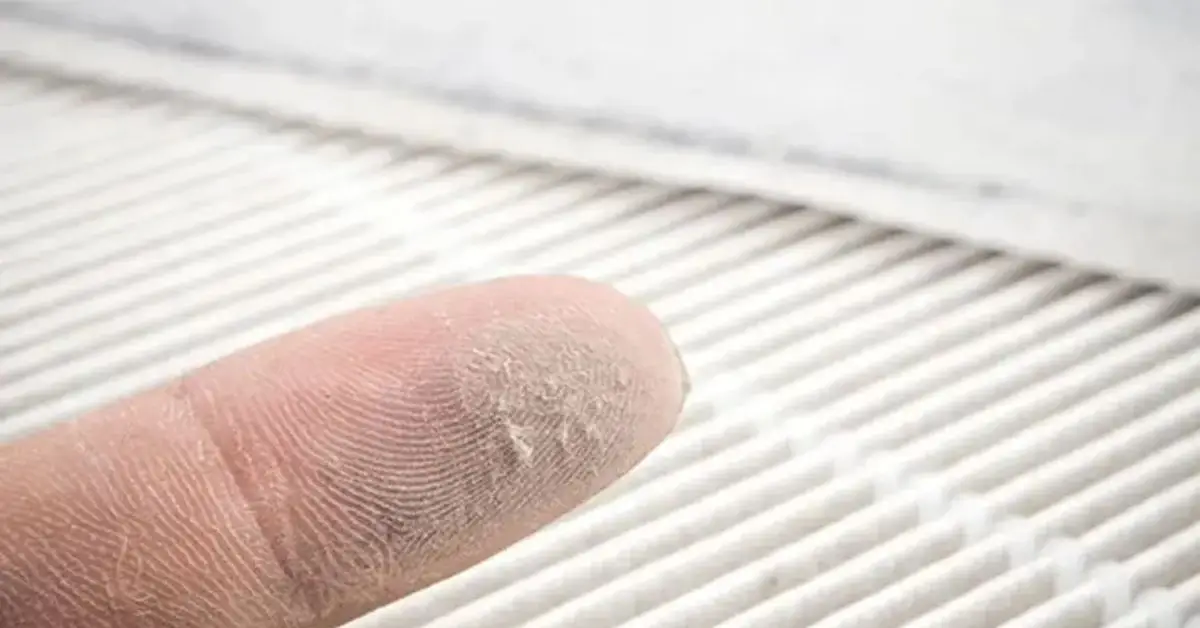
Keeping your air filter in top shape isn’t just a chore — it’s a simple habit that can save your comfort, health, and wallet. Let me walk you through the 8 signs that it’s time to swap that filter today.
1. The filter looks visibly dirty or clogged
If your filter appears gray, caked with dust, or you can’t see light through it, that’s your first clear clue. For many filters — especially 1″ pleated ones — this can happen well before the standard 90-day cycle.
- Easy visual check: remove the filter and hold it up to a light source.
- If dust blocks most of the light, replace it immediately.
This is the simplest, most reliable indicator — no special tools needed, and you can spot it in seconds.
2. Reduced or weak airflow from vents / HVAC struggling to heat or cool properly
Notice your rooms feeling unevenly warm or cold, or vents blowing weaker air than usual? That’s often a clogged filter at work.
- HVAC may run longer or harder to hit your desired temperature.
- Your energy consumption increases while comfort drops.
It directly affects how comfortable your home feels and signals inefficiency — a red flag for homeowners.
3. Unusual odor, musty or dusty smell from vents or rooms
A stale, dusty, or musty smell when your HVAC is running can indicate that your filter isn’t trapping particles properly.
- Mold spores or trapped moisture may be circulating in the air.
- Particularly concerning in humid or urban areas with dust and pollution.
Our sense of smell is often the first warning for poor indoor air quality — it impacts health and living comfort immediately.
4. Increased dust build-up on furniture, surfaces, or vents
If dust seems to settle faster despite cleaning, your filter may be failing.
- Check vent grilles and duct openings — excess dust there is another warning.
- Homes with pets or heavy indoor activity may need more frequent changes.
Visible dust is not just annoying — it affects hygiene and can aggravate allergies.
5. Worsening allergy symptoms or respiratory issues
If you or your family notice more sneezing, coughing, congestion, or itchy eyes indoors while outdoor conditions stay the same, the filter could be the culprit.
- This is particularly relevant for asthma sufferers, allergy-prone individuals, or homes with pets.
Health is the most compelling reason to replace a filter — old filters can literally make breathing harder.
6. Spike in energy bills or HVAC running more than usual
When filters are clogged, your HVAC has to work overtime.
- You might notice higher electricity bills or more frequent on/off cycling.
The financial impact motivates timely replacement beyond just cleanliness or comfort.
7. HVAC unit becomes unusually hot or seems overworked
Restricted airflow from a dirty filter can make your HVAC or furnace overheat. This increases wear-and-tear and may shorten your system’s lifespan. A clogged filter can stress your system, and if you notice persistent issues, you might want to learn how to know your HVAC system needs repairs fast to prevent costly breakdowns.
- This increases wear-and-tear and may shorten your system’s lifespan.
It’s a clear signal of mechanical stress — addressing it now can prevent costly repairs.
8. You can’t remember when you last changed the filter
If you don’t track the replacement date, it’s likely overdue. Experts recommend monthly checks, especially for homes with pets, children, pollution, or heavy HVAC use.
- A simple calendar reminder or a sticker on the filter can solve this.
Filters degrade silently, and forgetting the schedule is one of the most common reasons indoor air quality suffers.
Pro tip: HomeAdvisor explains why monitoring your filter schedule and changing it when necessary is crucial for efficiency and health. Following their guidance helps you avoid hidden costs and keeps your air clean.
Additional Factors That Affect Filter Lifespan — What Makes Some Homes Need More Frequent Replacements
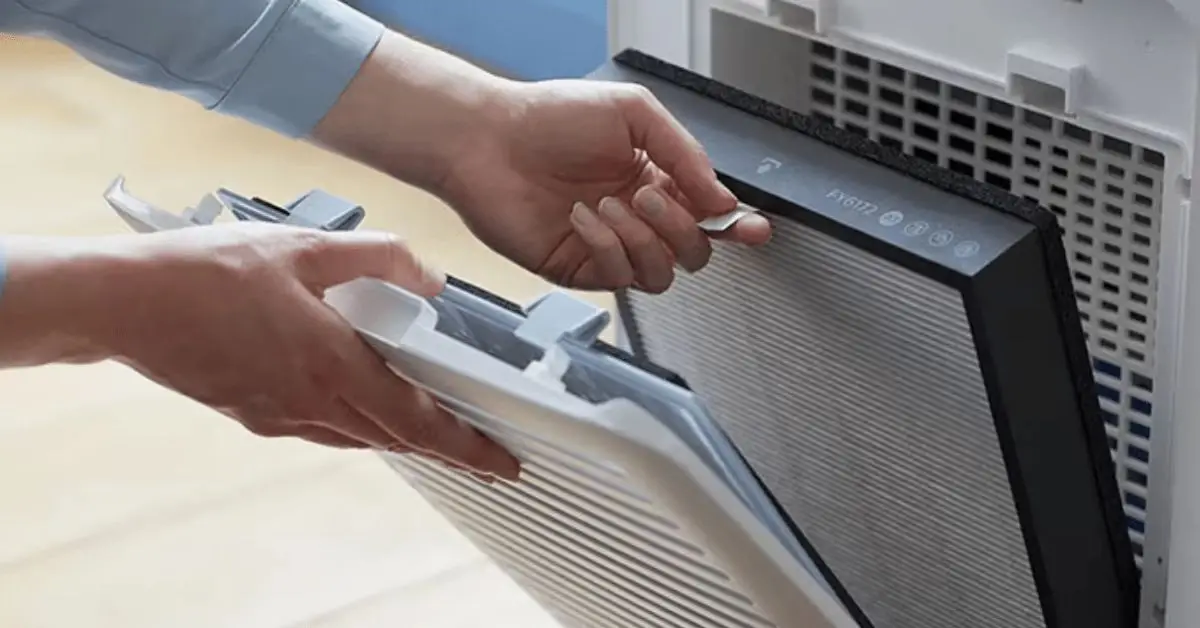
Not all homes are the same — sometimes changes in lifestyle, environment, or equipment make a big difference to how quickly your air filter gets clogged.
Household lifestyle & occupancy
- If you have pets, there’s more hair, dander, and tracked-in dirt sliding into your vents.
- Frequent cooking, indoor smoking, or heavy HVAC use pumps extra pollutants and particles into the system.
- Larger families or high-traffic homes naturally generate more dust, debris, and airborne particles — so the filter works harder.
These conditions mean your filter may need replacement sooner than average — even if it “should” last a few months under normal use.
Local environment & outdoor air quality
If you live in a dusty area, near construction sites, or in a city with high pollution, your filter traps far more particles than someone in a cleaner, quieter area. Seasonal dust, pollen surges, or pollution episodes can shorten filter life dramatically.
Type and quality of the filter itself
- Basic thin filters (like standard 1″ fiberglass) catch only the largest dust and lint — they protect your HVAC equipment but do little for real indoor air quality.
- Pleated or higher-efficiency filters (with higher MERV ratings) trap more fine dust, pollen, pet dander, and even some fine particles — but they still need regular checks and replacement.
As outlined in a recent Clean-Link article on indoor air quality, properly selected and regularly changed residential air filters are “one of the easiest ways to improve indoor air quality” — especially when your home has pets, dust, or other airborne pollutants.
These conditions mean your filter may need replacement sooner than average — even if it “should” last a few months under normal use. Just like checking your air filter, you should also be aware of other water or iron filter warning signs in your home, which can affect overall indoor quality and appliance performance.
Quick Home‑Check Routine: When & How to Inspect/Replace Your Air Filter
I like to keep things simple and practical. Here’s a routine that works for most homeowners:
Monthly visual inspection + light-through test
- Take your filter out and hold it up to a light source. If light barely passes through, it’s time to change it.
- This is an easy and reliable method that anyone can do themselves.
Mark installation date & keep a filter‑change calendar
- Write the installation date on the filter or set a phone reminder.
- This prevents forgetting and keeps your air quality consistently healthy.
Replace more often during high-use periods
- In summer or winter, your HVAC runs more, and dust/pollution levels can spike.
- Plan to check your filter more frequently during these times.
When to Consider Upgrading Your Filter or HVAC System for Better Air Quality
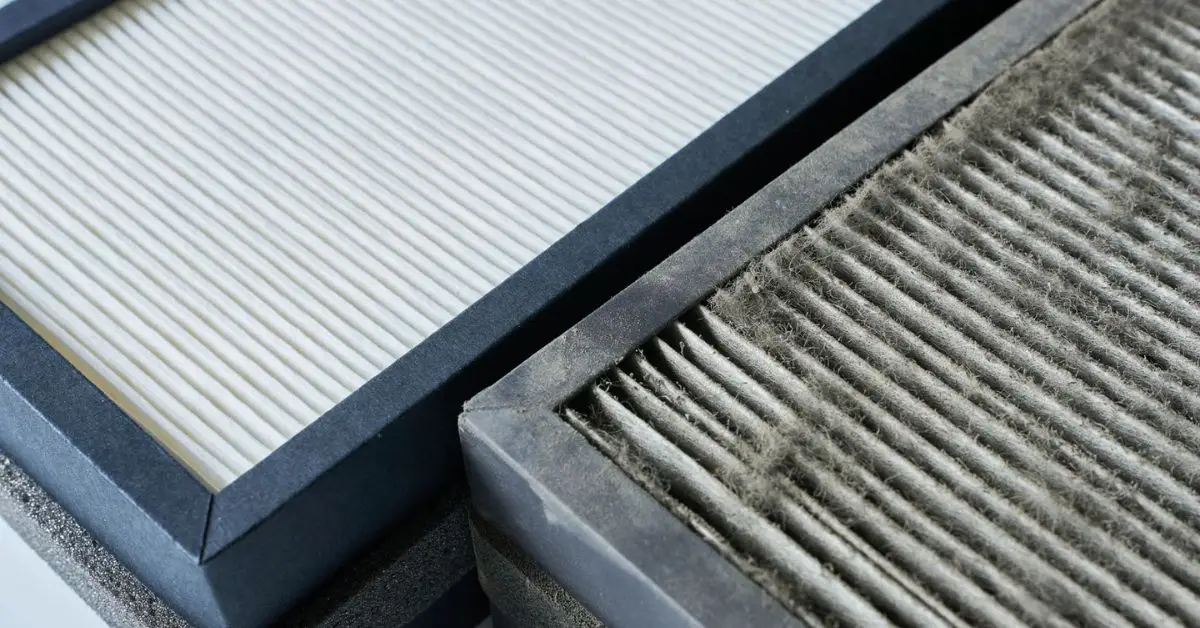
Molekule
Sometimes replacing the filter isn’t enough — your home environment or health needs may require more robust solutions.
Using higher-efficiency (MERV-rated or HEPA) filters — pros and caveats
- Higher MERV or HEPA filters capture smaller particles, including pollen, mold spores, pet dander, and urban pollution. This is especially valuable for allergy-sensitive households.
- But higher resistance can load your HVAC blower. You need to ensure your system can handle it without reducing airflow.
When your home environment demands frequent filtration
- Homes with pets, frequent dust, urban pollution, or allergy-prone residents may benefit from more robust filtration or complementary air purifiers.
Summary of Key Takeaways & Checklist for Homeowners
Let’s wrap this up with a practical checklist you can actually follow. Think of filter replacement as essential home maintenance, just like cleaning, plumbing checks, or changing smoke detector batteries. Doing this consistently protects your air, your health, and your HVAC system.
Quick Checklist for Healthy Air & Efficient HVAC
- Visually inspect your filter monthly – hold it up to the light; if it’s clogged or gray, replace it.
- Watch for weak airflow or uneven heating/cooling – a struggling HVAC may mean a clogged filter.
- Check for unusual odors – musty or dusty smells signal poor filtration or trapped moisture.
- Monitor dust build-up – if furniture and vents get dustier than usual, your filter isn’t doing its job.
- Pay attention to health symptoms – worsening allergies or respiratory issues indoors can indicate the filter needs replacement.
- Track energy usage – spikes in bills or frequent HVAC cycling may indicate an overworked system due to a dirty filter.
- Feel your HVAC system – if it becomes unusually hot or seems overworked, check the filter.
- Keep a schedule – never let the filter replacement date slip; write it on the filter or set a reminder.
- Consider occasional upgrades – higher-efficiency filters (MERV-rated or HEPA) or air purifiers can improve indoor air quality in high-dust, pet-heavy, or allergy-sensitive homes.
I’d love to hear from you — which of these signs have you noticed in your home? Share your experiences in the comments below.
And if you want more practical home maintenance tips, routines, and guides that help you “Build Like New”, check out our website for expert advice, step-by-step routines, and insider tips to keep your home running smoothly.
Disclaimer: This article is for informational purposes only and does not replace professional HVAC or medical advice. Always consult a qualified technician for system issues or a healthcare professional for health concerns.