West Virginia Multi-Structure Blaze Engulfs Three Homes, Officials Report
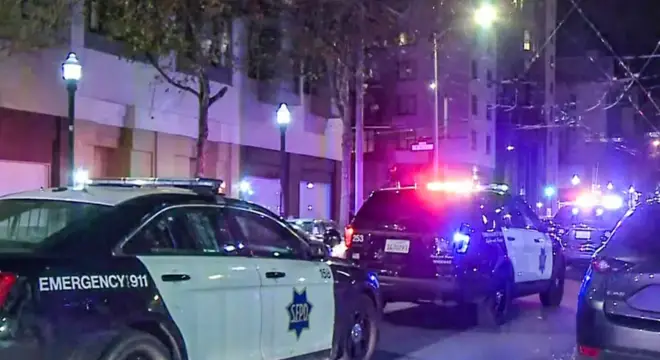
I remember reading about that night in New Cumberland, and it’s hard not to picture the chaos. It started like any other Monday evening at the intersection of Lincoln and Second Avenue. Around 11:15 p.m., a local resident noticed smoke at the back of their home and called 911, suspecting an electrical fire. Within minutes, the flames weren’t just contained to that house—they spread to two neighboring homes, turning a quiet street into a scene of emergency.
I can only imagine the panic as families were woken in the middle of the night. Firefighters and police arrived quickly, but even with everyone acting fast, the fire escalated. Two homes were occupied, one was vacant, and several surrounding houses were threatened by the intense heat. Thankfully, everyone inside made it out safely, but the scale of destruction was clear even from the start.
What struck me reading the reports was how quickly things spiraled out of control. The blaze started at 818 Second Avenue, then engulfed 822 and eventually 814. Power lines were burning, and the fire spread faster than anyone could have anticipated. That night wasn’t just about flames—it was about lives disrupted, community shaken, and the incredible pressure on first responders racing against time.
Firefighting Response — A Multi-County Effort
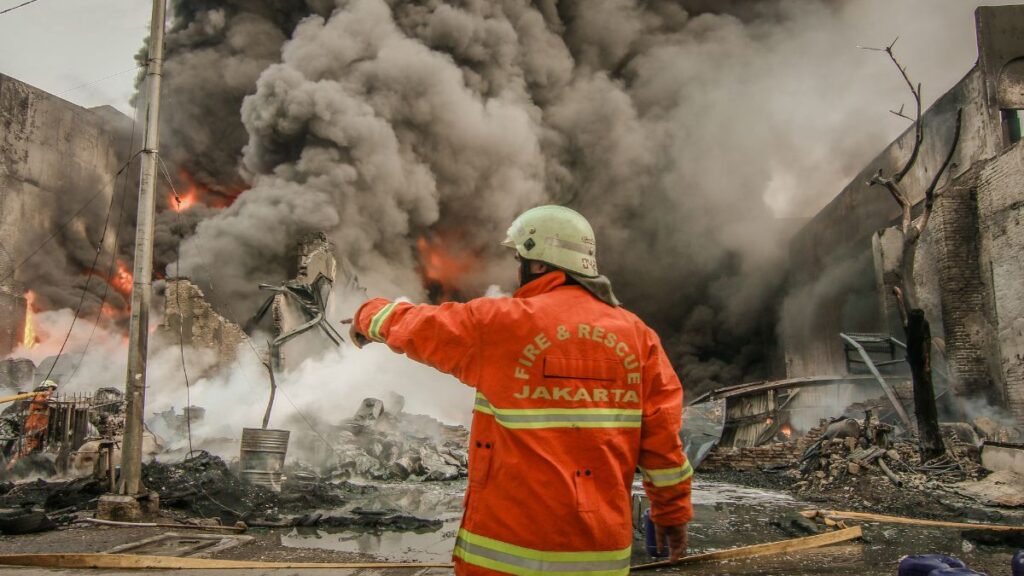
When I read about the firefighters that night, I couldn’t help but feel awe. WTRF reports that every fire department in Hancock County was on the scene, joined by crews from Brooke County, and even teams from Jefferson County in Ohio, plus several from Pennsylvania—Washington, Beaver, and Allegheny counties.
It wasn’t just local heroes; it was a tri-state operation, and you can see why they call it “all hands on deck”.
The challenges were enormous. Hydrants started losing pressure, and one wouldn’t open at all. The temperatures were in the teens, turning water into ice almost instantly and creating slippery roads and icicles on power lines.
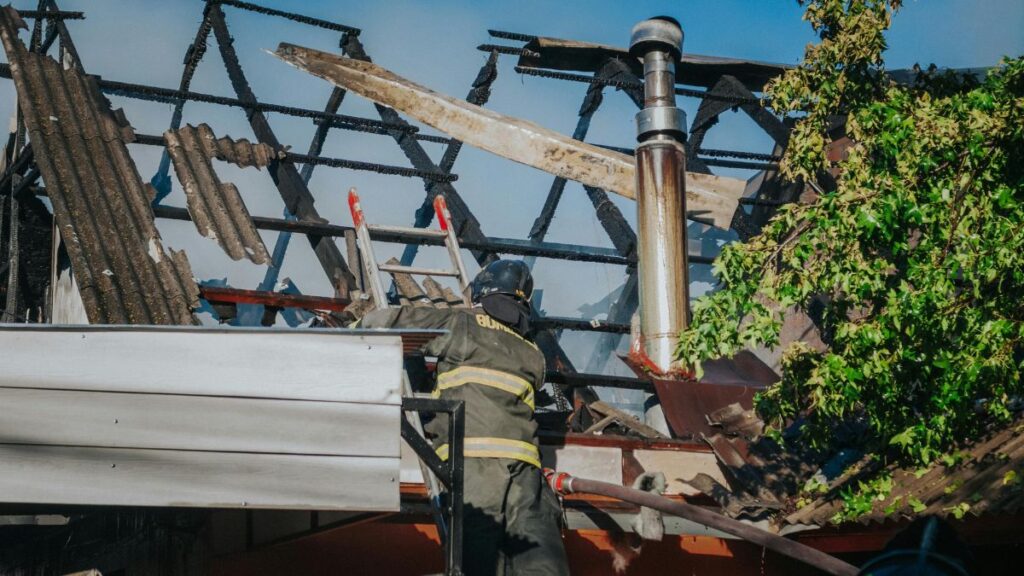
I can’t imagine trying to maneuver a ladder truck in those conditions. Yet, despite the obstacles, firefighters worked for hours, keeping the fire contained to the three structures. It’s a testament to coordination, experience, and sheer grit.
Cause and Investigation
As you might expect, everyone wants to know how it started. Officials believe it began as an electrical fire near the power line at 818 Second Avenue.
But here’s the reality—fires like this often need a thorough investigation to confirm causes. The West Virginia State Fire Marshal is on it, as they are for any large property loss.
I find it reassuring that they take these steps. It’s not just about identifying the origin—it’s about preventing the next disaster.
While the cause isn’t officially confirmed, the ongoing investigation shows that the system is looking at the bigger picture, not just the immediate chaos.
Damage Assessment — Scope of Loss
By the time the smoke cleared, all three homes were total losses. James White Construction had to step in to demolish them because their structure was too compromised to be safe. I think about the families looking at what used to be their homes—everything gone in hours.
Two homes were occupied; the third was vacant. Five nearby homes were affected by the heat, though thankfully, no one was hurt.
One detail that stuck with me was about a missing cat. It’s a small thing in the middle of such devastation, but it’s exactly what makes these stories human.
These aren’t just structures; they’re people’s lives, pets, memories, and possessions. It reminds me that reporting fire damage isn’t just about numbers—it’s about the human impact behind them.
Even when no fatalities occur, fires can still have serious consequences, as seen in this Farmington Hills incident where two people were hospitalized following a large house fire.
Human & Community Angle — Response Beyond Firefighting
I love when a community comes together, and this fire proved that. Early in the morning, Megan Trevor, the owner of Sweet Rock in New Cumberland, started brewing fresh coffee and making breakfast for firefighters who had been battling freezing temperatures for hours.
Eggs, bacon, toast—the works.
Reading her quote, “Take care of your community. They’re here for you. You be there for them,” I felt that pulse of local support. It’s the little things that keep morale up during extreme situations.
It shows how community and first responders are interdependent—you help them, they help you, and the town survives together.
Similar multi-unit fire responses have occurred elsewhere, such as this Bremen home fire where emergency crews had to coordinate swiftly to contain the blaze.
Firefighting Challenges & Lessons Learned
The lessons from this fire go beyond the immediate destruction. Hydrant failures, frozen water, and icy roads weren’t just obstacles—they were warnings.
When I think about it, these are preventable to some extent. Communities, especially in cold climates, need infrastructure checks and preparedness plans.
Also, the dedication of volunteer fire departments cannot be overstated. Many departments in Hancock and surrounding counties are volunteer-based.
Their commitment in sub-zero temperatures, working with inadequate hydrant flow, shows how much reliance communities place on these brave individuals. You start to realize that firefighting isn’t just about hoses and trucks; it’s about preparation, resilience, and knowing your neighborhood.
Fires can escalate in minutes from something as small as a faulty electrical device or a candle, like in this North Carolina house fire that caused $325,000 in damage.
Preventive Measures for Homeowners
After reading about this fire, I couldn’t help but think: could this have been prevented, or at least mitigated? There are practical steps you and I can take to protect our homes, especially if we live in older neighborhoods like New Cumberland.
First, electrical safety is critical. Check wiring, meter boxes, and heating systems regularly. Even small faults can escalate quickly, especially during cold months when heaters and electrical loads are high.
Second, make sure your smoke detectors work. Have an evacuation plan in place and review it with everyone in your household. I always tell my friends and neighbors: knowing where to go in those first terrifying minutes can save lives.
Third, winter brings unique hazards. Space heaters, frozen pipes, and icy outdoor areas can all contribute to fire risks. Keep pathways clear, maintain safe distances between heaters and flammable objects, and never leave appliances running unattended.
Finally, think beyond your own home. Hydrant accessibility, street readiness, and community awareness matter too. Supporting local fire departments or attending neighborhood safety workshops isn’t just civic duty—it’s insurance for your entire community.
If you want instant updates and tips on local safety alerts and emergency news, you can also join the community discussions on WhatsApp to stay informed in real time.
Broader Context — West Virginia Home Fires & Community Resilience
If we step back, this fire isn’t an isolated incident. Multi-structure fires happen more often in West Virginia than most people realize, often due to aging homes, outdated infrastructure, and harsh winters. I find it important to view these events as warnings, not just news stories.
Volunteer fire departments are the backbone here. Many are underfunded yet face enormous responsibility. Their ability to respond effectively in freezing temperatures with limited resources is nothing short of heroic. You start to see that community preparedness isn’t optional—it’s essential.
Finally, resilience comes down to people. Neighborhoods that communicate, plan, and support one another are the ones that recover faster. Fires like this are devastating, but they also show what can happen when a community steps up, whether it’s neighbors helping evacuees, local shops feeding firefighters, or volunteer crews putting themselves at risk.
I’d ask you: if a fire happened in your community tonight, would you know how to respond? What steps could you take today to make your home and neighborhood safer? Thinking about it now can make all the difference later.
Data Snapshot & Final Wrap-Up
Looking at the bigger picture, multi-structure fires like the one in New Cumberland aren’t as rare as we hope. In Hancock County alone, several structure fires are reported each year, many caused by electrical issues or aging infrastructure. Across West Virginia, fire departments respond to hundreds of house fires annually, with property damage often running into millions of dollars. Most importantly, even when injuries are avoided, the emotional and financial toll on families is enormous.
This fire involved nearly 20 fire departments from three states, battling freezing temperatures and equipment challenges. It shows both the strength and vulnerability of small communities relying heavily on volunteer responders. Infrastructure issues like frozen or overloaded hydrants were a major obstacle—something residents and local authorities alike need to consider in winter preparedness.
The takeaway is clear: prevention, awareness, and community coordination matter. You can’t always control when a fire starts, but you can reduce the risks and improve outcomes. Check your home’s wiring, test smoke detectors, have a clear escape plan, and get involved in local safety initiatives. Supporting volunteer departments with funding or resources also strengthens the entire neighborhood’s resilience.
At the end of the day, stories like this remind us that fires are more than news headlines—they’re about families, neighbors, and first responders working together. So I’ll ask you: have you taken the steps today to make your home and community safer? If not, what’s one action you can start with this week?
For more insights on home safety, fire prevention tips, and stories of real-life emergencies, explore our Home Incidents category on our website.
Disclaimer: The information in this article is based on reports reliable sources at the time of publication. It is intended for general informational purposes and should not replace professional advice. The publisher is not responsible for any actions taken based on this content.