Never Do This With Your AC During a Severe Heatwave
I’ve read dozens of heat-wave guides and repair tips so you don’t have to — and they all miss one simple mistake that quietly wrecks comfort, spikes your bill, and can shorten your AC’s life.
You probably think turning the AC off when you leave, or blasting it to the lowest temp to “cool faster,” is saving you money or time. It isn’t.
In the next few minutes I’ll show you exactly what that mistake is, why it happens, and the quick, practical swap you should make instead — backed by real-world examples and straight-up expert logic.
Want to fix your cooling routine so it actually saves money and keeps your home safe during a heat wave?
Why Most AC Advice During Heat Waves Focuses on “Do’s” — But Misses This Critical Mistake
I’ve noticed a clear pattern when I read AC advice during heat waves. Almost every article talks about the same things:
change your filters, close your curtains, clean the outdoor unit, set the thermostat “correctly.”
All of that is fine. You’ve probably read it already.
But here’s the problem—you and I don’t usually mess up because we forget these basics. We mess up because of what we do in real life, especially during extreme heat, when comfort, panic, and electricity bills all collide.
One very common situation is completely ignored: what you do with your AC when you leave the house or when your home feels unbearably hot.
Most guides don’t talk about:
- Turning the AC fully off during peak heat
- Making big, sudden temperature changes
- Treating the thermostat like a volume knob
That gap matters. During a heat wave, this single habit causes more discomfort, higher bills, and system strain than dirty filters or closed vents ever will. And that’s exactly why so many people feel like their AC “isn’t working” when the heat is at its worst.
The #1 Mistake: Turning Off or Cranking Down the AC When Leaving—or Thinking It’ll Cool Faster
Let me be very clear here.
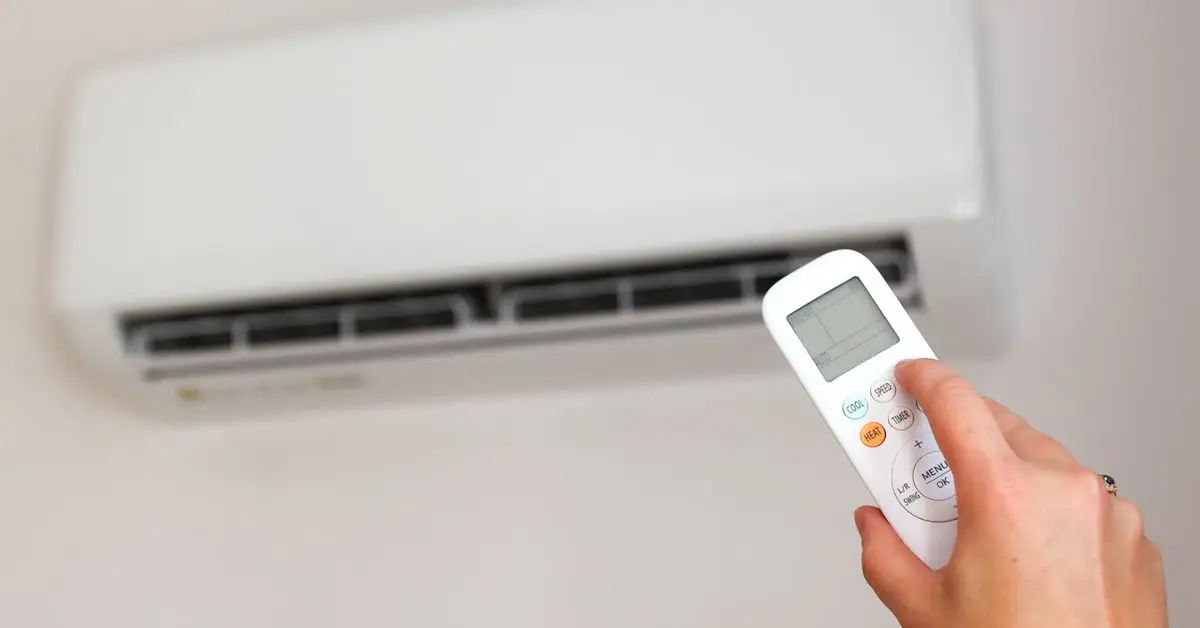
The biggest mistake during a heat wave is this: Turning your AC completely off when you leave, or setting it to the lowest possible temperature hoping the house will cool faster.
Why This Mistake Feels Logical — But Works Against You
I get why you do it. I’ve done it too.
It feels like common sense:
- “I’m not home, why waste electricity?”
- “It’s so hot—I’ll drop the thermostat way down so it cools faster.”
These feel like smart, money-saving moves. In theory, they should work.
But air conditioners don’t work on intention. They work on physics. And during extreme heat, this logic backfires.
Here’s why people keep making this mistake:
- We assume AC cools faster at lower settings (it doesn’t).
- We think turning it off stops energy use (it often increases total use).
- We underestimate how much heat builds up indoors during peak hours.
What Actually Happens When You Turn Off or Overshoot the Thermostat
During a heat wave, your home traps heat. When you switch the AC off completely, that heat doesn’t pause—it compounds.
When you turn the system back on or slam the temperature way down, this is what really happens:
- The AC has to work much harder for a long stretch to undo hours of heat buildup
- Energy use often spikes, instead of going down
- Cooling becomes uneven, rooms feel humid or sticky
- The system runs longer without breaks, increasing wear and failure risk
Better Homes & Gardens explains that extreme on–off cycles during hot weather force the AC to strain more than steady operation, which can raise energy costs instead of lowering them.
In simple terms: You’re making your AC sprint after letting it sit in the sun. And sprinting machines break faster.
If you’ve ever come home to a house that still feels hot hours later, this mistake is usually why.
Quick check for you: Have you been switching your AC fully off or dropping it to the lowest number during heat waves, thinking it helps?
What Experts Recommend Instead — Smart AC Use During Heat Waves
Once you stop treating your AC like an on–off switch or a speed dial, everything changes. Comfort improves. Bills stay predictable. And your AC stops fighting a losing battle.
This is the exact approach I follow during heat waves, and it’s also what experienced HVAC professionals consistently recommend.
Maintain a Moderate, Consistent Thermostat Setting (Not Too Low, Not Off)
When you’re home, the goal isn’t freezing the house.
It’s keeping the temperature stable and realistic.
For most homes, the sweet spot is:
- 75–78°F (24–26°C) while you’re home
- Comfortable enough without forcing the system to run non-stop
When you leave the house, don’t shut the AC off completely. Instead:
- Raise the thermostat by 7–10°F
- Let the system maintain control, not restart from extreme heat
Why this works:
- Your AC avoids sudden, heavy strain
- Energy use stays steady instead of spiking
- Heat doesn’t build up inside like a trap
- You return to a home that cools faster and more evenly
If your AC still struggles even after using the right thermostat strategy, the issue may be the system itself—especially if you’re using an older or undersized unit compared to the air conditioner types that actually beat extreme home heat.
HVAC experts explain this clearly when talking about how to get your air conditioner ready for a heat wave — steady operation protects the system and improves efficiency during extreme temperatures.
Support Your AC With Simple Heat-Control Habits at Home
Your AC shouldn’t be fighting the heat alone. Small changes around your home reduce load more than most people realize.
Here’s what actually helps:
- Ceiling or pedestal fans to move cool air around
- Blinds or curtains closed during peak sunlight hours
- Avoid ovens, dryers, and other heat-heavy appliances during the hottest part of the day
Think of it like teamwork. Every bit of heat you block or spread out is one less problem your AC has to solve.
Hidden Dangers of That #1 Mistake — Energy Costs, Breakdowns, and Real Risks
This is the part most people don’t notice until something goes wrong.
When you keep switching the AC off or forcing it to recover from extreme indoor heat:
- Electricity bills often go up, not down
- AC breakdowns become more likely during peak heat
- Humidity creeps in, making rooms feel uncomfortable
- Cooling failure during a heat wave can seriously impact health
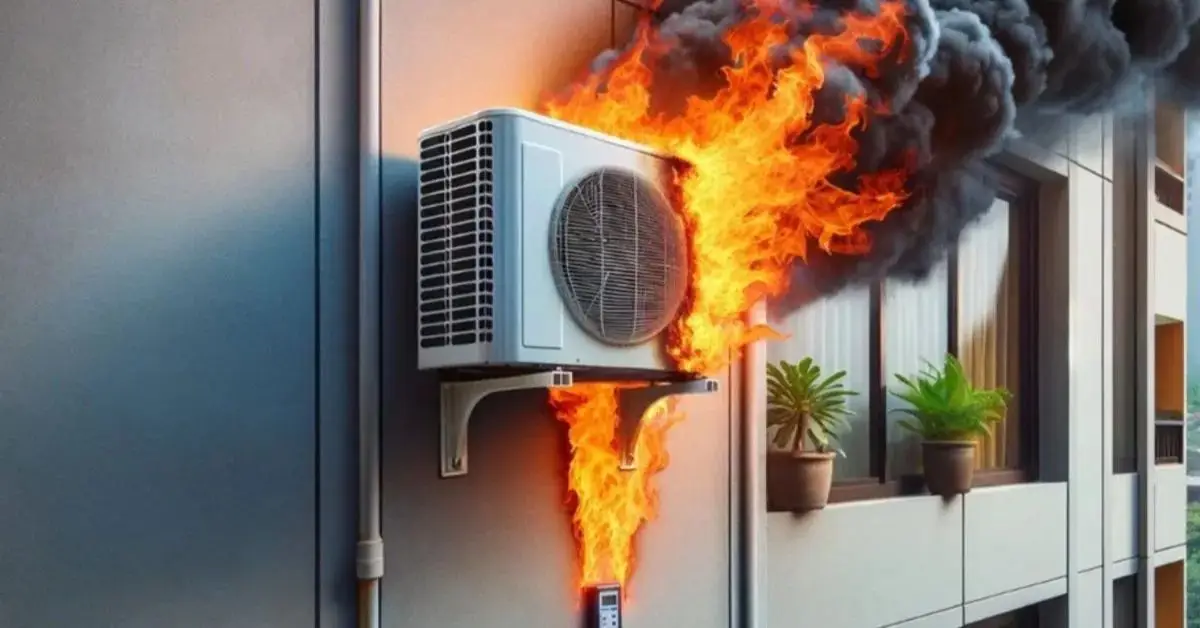
- Poor airflow plus overheating can increase safety risks in tightly packed homes
During severe heat, electrical overload becomes more likely—especially when AC usage is combined with dangerous devices that should never be plugged into a power strip.
If your AC has ever failed exactly when temperatures were at their worst, this habit is usually the reason.
Be honest with yourself for a second—
Have you been forcing your AC to “catch up” every single day and wondering why it never quite does?
How to Implement the Right AC Strategy — Step by Step for Homeowners (Especially in Hot Zones)
If you live in a place where summer heat feels endless, this is where advice turns into action. I follow these steps myself during extreme heat, and they’re practical enough to apply right away—no upgrades, no jargon, just habits that work.
1. Keep Your AC Filters Clean (This Matters More Than People Think)
During heavy summer use, filters clog faster than most people expect.
As a general rule:
- Check and clean or replace filters every 30–90 days
- Do it more often if you live in a dusty area or run the AC all day
Dirty filters restrict airflow, make cooling uneven, and force the system to work harder than necessary.
2. Keep the Thermostat Stable—Don’t Fight the Heat With Extremes
This is where discipline pays off.
- Don’t drop the temperature sharply
- Don’t shut the AC off completely when you leave
A small temperature increase when you’re away is far better than forcing the system to recover from trapped heat later.
3. Keep Vents and the Outdoor Unit Clear
Airflow is everything. Even a well-maintained AC will struggle if air can’t move freely.
Make sure:
- Indoor vents aren’t blocked by furniture or curtains
- The outdoor unit isn’t surrounded by clutter, plants, or debris
Long-term performance also depends on seasonal care, which is why understanding whether you should cover your AC unit in winter or not can prevent airflow and maintenance issues later.
HVAC technicians often point out that keeping airflow around vents and the condenser clear during heat waves is one of the easiest ways to prevent AC strain and uneven cooling.
4. Reduce Heat Before It Spreads Indoors
Your AC works best when it isn’t undoing avoidable heat.
Simple habits that help:
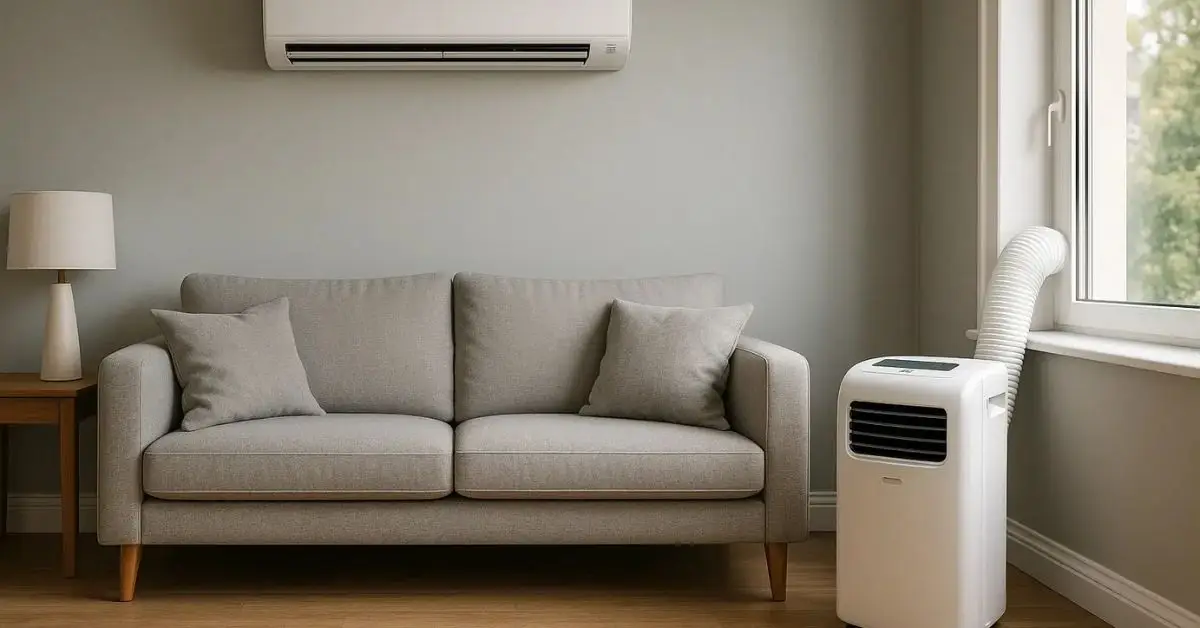
- Use fans to circulate cooled air
- Close blinds or curtains during intense afternoon sun
- Keep doors and windows shut during peak heat
5. Move Heat-Producing Tasks Out of Peak Hours
Appliances generate more indoor heat than you realize.
Whenever possible:
- Cook in the morning or evening
- Avoid ironing or drying clothes during the hottest part of the day
- Choose low-heat meals during extreme heat
6. Pay Attention to Early Warning Signs
Most AC systems warn you before failing—you just have to listen.
Watch for:
- Unusual noises
- Rooms cooling unevenly
- Musty or burning smells
Catching these signs early can save you from a full breakdown on the hottest day of the year.
Be honest with yourself for a moment: Which one of these steps are you skipping right now—and could that be the reason your AC keeps struggling every summer?
Why This Advice Is Especially Crucial for Heat-Prone Cities
If you live in a city where summers feel longer and harsher every year, this advice isn’t optional—it’s practical and necessary.
In these conditions, small AC mistakes have bigger consequences.
Why this matters more in heat-prone cities:
- Power demand spikes during extreme heat, so inefficient AC use directly increases electricity bills
- Voltage fluctuations and grid stress make overworked AC units more likely to fail
- Many homes face high humidity and limited airflow, so switching the AC off allows heat and moisture to build rapidly
In short, a mistake that’s mildly uncomfortable elsewhere can become costly and risky in hotter regions.
The Blind Spot You Shouldn’t Ignore
After reviewing many popular AC guides, one pattern stands out clearly.
Most articles repeat familiar advice:
- Clean filters
- Use curtains
- Set a reasonable temperature
- Run fans
All of that is valid. But it’s incomplete.
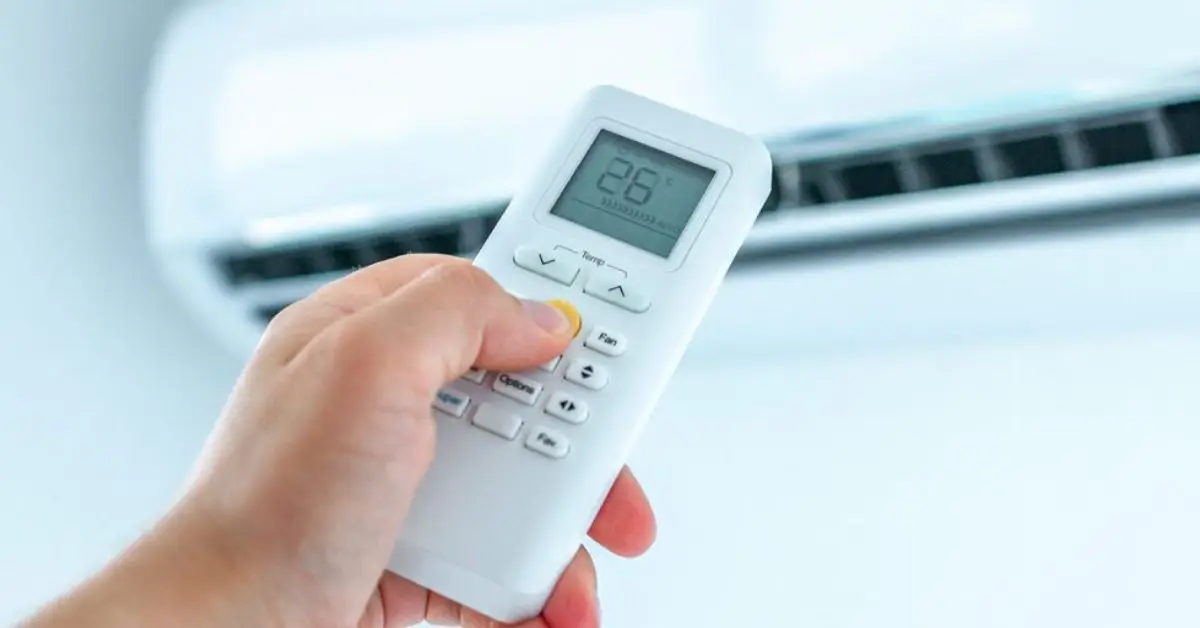
What’s usually missing is a clear warning about the most damaging habit:
- Turning the AC fully off during peak heat
- Making sharp, aggressive temperature changes
- Forcing the system into daily recovery mode
Very few explain how this leads to a cycle of strain, higher bills, and breakdowns during long heat waves.
Other gaps include:
- Real user behavior instead of ideal scenarios
- Daily frustrations when AC stops coping in peak heat
- Local realities like long summers, humidity, and dense housing
That’s the blind spot this article addresses—because advice only works when it matches real life.
Quick “Do This, Not That” Checklist (Easy to Save or Share)
Do this
- Keep the AC running at a moderate, steady temperature
- Use fans, close blinds, and seal doors and windows properly
- Clean or replace filters regularly during summer
- Avoid heat-generating appliances during peak hours
- Pay attention to warning signs and call a technician early
Do not do this
- Do not drop the thermostat to the lowest setting expecting faster cooling
- Do not turn the AC off thinking it will save power
- Do not ignore airflow blockages, odd noises, or smells
This checklist alone can prevent many common summer AC problems.
What to Do If Your AC Fails During Peak Heat (Immediate, Short-Term Fixes)
If your AC fails during extreme heat, focus on staying comfortable and safe.
Helpful short-term steps:
- Use ceiling, pedestal, or box fans with cross-universal airflow
- Keep blinds and curtains closed during the day
- Open windows early morning or late evening when outdoor air is cooler
- Avoid heavy cooking and choose low-heat meals
- Stay hydrated, wear light clothing, and use damp towels on wrists or neck
These steps won’t replace AC but can help you manage until repairs are done.
Final Word
An air conditioner is a tool.
Used properly, it protects comfort, health, and energy costs.
Used carelessly, it becomes expensive and unreliable—especially during heat waves.
Stick to steady temperatures, support cooling with simple habits, and act early when something feels off.
If this helped you:
Share in the comments which AC habit you struggle with most during summer. Visit Build Like New for practical, experience-backed home advice that actually works in real homes.
Disclaimer: This article is for general information only. AC performance and energy use can vary based on home size, system type, climate, and maintenance condition. Always follow manufacturer guidelines and consult a qualified technician for issues specific to your setup.