5 Bathroom Appliances That Could Ruin Your Home If You Forget to Unplug
I used to leave my hair dryer and curling iron plugged in after every shower, thinking it was harmless. Honestly, I never gave it a second thought—until I started reading about real bathroom accidents that happened just because someone forgot to unplug a simple appliance. It’s shocking how quickly something as small as a hair dryer or an electric shaver can turn dangerous in a bathroom. Moisture, faulty cords, or just the wrong placement can turn everyday devices into serious fire or electrocution hazards.
In this article, I want to walk you through the five most common bathroom appliances you should never leave plugged in—and explain why unplugging them isn’t just about saving electricity, it’s about keeping you and your home safe.
Why Bathrooms Are Risky Zones for Electrical Appliances
Water + Electricity = Hazardous Combination
I learned the hard way that bathrooms are not the place to treat electricity casually. Even a small splash or a damp surface can turn an everyday appliance into a serious danger. Here’s why you need to be extra careful:
- Moisture everywhere: Sinks, tubs, shower stalls, and even damp floors can reduce your body’s resistance to electricity. That means if a plugged-in device comes into contact with water, the shock can be much worse than you’d expect.
- “Off” doesn’t mean safe: You might think switching a hair dryer or shaver off is enough, but as long as it’s plugged in, electricity is still flowing. Drop it near water, and you’ve created a recipe for disaster.
- Small mistakes can have big consequences: A cord lying near the sink, a towel draped over a heater, or a wet hand touching a plugged-in device—these are all everyday scenarios that can lead to severe shocks or even fires.
You don’t have to live in constant fear, but awareness is key. The simplest habit—unplugging appliances after every use—can make your bathroom a much safer place. As Electrical Safety First points out, keeping devices away from water and using proper safety outlets isn’t just recommended—it’s essential.
What Experts Recommend — Always Unplug Small Bathroom Appliances After Use
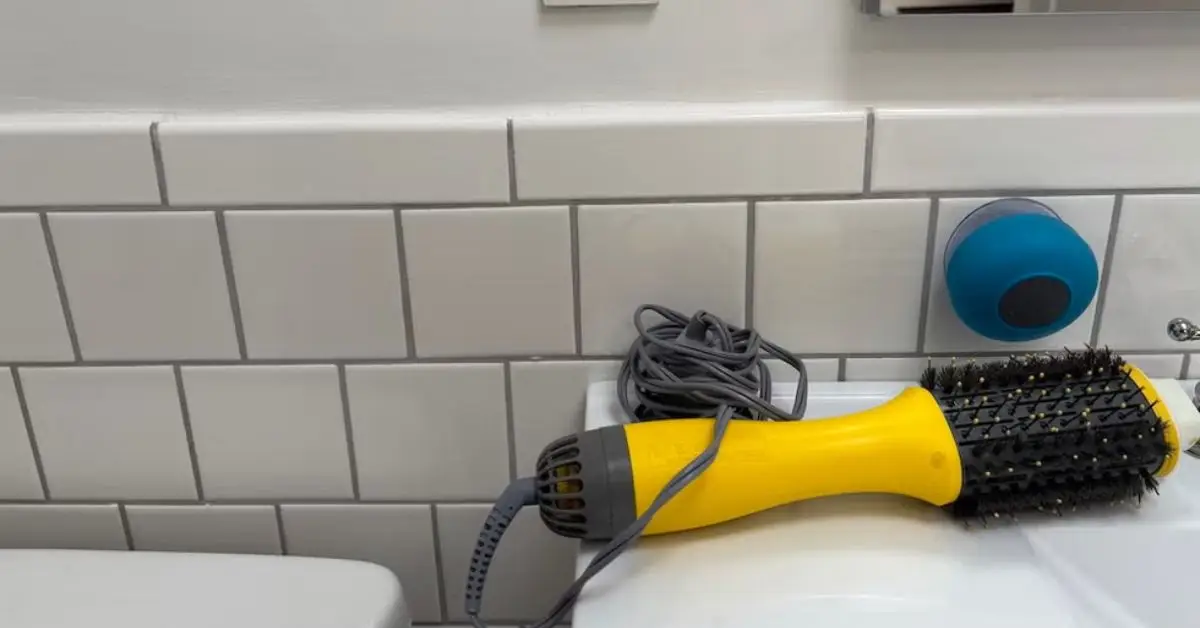
I used to think leaving my hair dryer or electric shaver plugged in was no big deal. But after reading official safety advice, I realized just how risky it can be. Experts strongly recommend that any small bathroom appliance should be unplugged after every use. Here’s the key advice you need to follow:
- Unplug devices right away: Whether it’s a hair dryer, curling iron, or shaver — leaving them plugged in can still be dangerous, even if the switch is off.
- Use protective outlets when possible: Installing ground-fault circuit interrupters (GFCIs) in bathroom sockets adds a critical layer of safety, helping prevent shocks if a device contacts water.
- Inspect cords and placement: Check cords regularly for damage, keep devices away from water, and avoid overloading outlets or using extension cords in humid bathroom conditions.
Following these habits isn’t just about saving electricity — it’s about protecting yourself and your home.
The 5 Bathroom Devices You Must NEVER Leave Plugged In
1. Hair Dryers & Hair-Styling Tools (Straighteners, Curling Irons)
Hair dryers and styling tools are everywhere, and most of us use them daily. But leaving them plugged in can be risky:
- Faulty cords can spark: Even when switched off, damaged cords or switches can short-circuit and start fires.
- Water contact is deadly: Dropping a plugged-in device into a sink or bathtub can cause electrocution.
- Historical alerts: The CPSC alert about hair dryers shows that even products from trusted brands can pose serious hazards if left plugged in.
- Expert guidance: Safety organizations consistently advise unplugging after each use — never store devices plugged in.
2. Electric Shavers / Trimmers / Beard-Grooming Appliances
- Still a shock risk: Bathrooms are wet zones; even small grooming devices can be dangerous if they come near water.
- Safety checklists: Experts recommend unplugging them immediately after use and never trying to retrieve them from water while plugged in.
3. Portable Bathroom Heaters / Towel Warmers / Space Heaters
- Electrocution & fire hazard: Portable heaters seem convenient but moisture and damp surfaces make them risky.
- Better alternatives: Fixed ceiling or wall-mounted heating units are much safer in bathrooms.
4. Electric Toothbrush Chargers / Small Plug-In Beauty Gadgets
- Hidden dangers: Even chargers or small beauty devices can short or surge if left plugged in.
- Moisture risk: Low-power devices still present a shock hazard if left near water in bathrooms.
5. Older or Non-Safety-Certified Appliances (Damaged Cord, No GFCI)
- Aging appliances are risky: Devices without proper certification or with damaged wiring can fail safety mechanisms.
- Outlet protection matters: If your outlets aren’t GFCI-protected—or wiring is old—even a small water contact can be dangerous.
- Inspect and replace: Any appliance that sparks, smells, or trips breakers should be discarded or repaired.
Common Misconceptions & Why “Off = Safe” Is Often Wrong
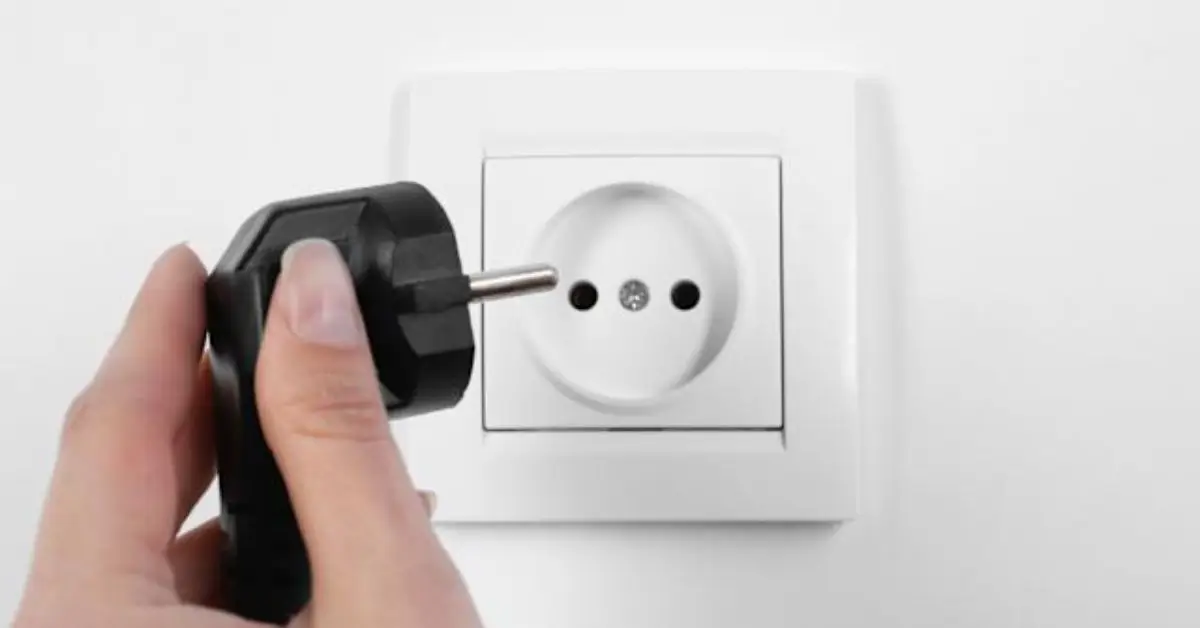
I used to think that if I switched off a hair dryer or shaver, it was completely safe. The truth is, that assumption can get you into serious trouble. Here’s what most people get wrong:
- “Off” doesn’t mean no electricity: As long as the device is plugged in, electricity is still present. Faulty wiring, short-circuits, or even a momentary spark can suddenly turn an “off” appliance into a danger.
- Small devices are not harmless: Just because a charger or a toothbrush uses low power doesn’t mean it’s risk-free. In bathrooms, moisture, water exposure, and damaged cords matter far more than energy consumption.
- One GFCI outlet isn’t enough: Many households assume that a single ground-fault circuit interrupter somewhere in the bathroom protects everything. In reality, electrical codes often require every outlet near water to be GFCI-protected. You can read more about proper bathroom outlet safety in this Homey Guide on GFCI requirements.
Understanding these misconceptions is the first step to making your bathroom genuinely safer. Once you realize that “off” doesn’t equal safe, unplugging appliances becomes second nature.
Practical Safety Measures — What You Should Do Right Now
After learning about all these risks, I made it a habit to take simple steps that make my bathroom much safer. You can do the same:
- Unplug everything after use: Hair dryers, shavers, chargers, heaters — every small appliance should come out of the socket immediately. This is the single easiest step to prevent shocks or fires. If you want a deeper dive into other appliances that can spark fires when left plugged in, check out this guide on 4 appliances you must unplug after every use.
- Install or check GFCI outlets: Make sure all bathroom outlets are GFCI-protected, or at least test them monthly to ensure they’re working properly. Unplugging devices isn’t just about safety — it can also save you money. Here’s a helpful list on 17 things to unplug right now to cut your monthly bills.
- Keep appliances away from water: Don’t store or use devices near sinks, tubs, or wet surfaces. Even a small splash can turn a plugged-in appliance into a hazard.
- Inspect and replace old appliances: Frayed cords, unusual smells, sparks, or tripping breakers are all warning signs — don’t ignore them.
- Choose fixed heating when possible: If your bathroom gets cold, fixed heaters are safer than portable ones. If you must use a portable heater, unplug it immediately after use.
These simple habits can drastically reduce risks and give you peace of mind every time you step into the bathroom.
Final Takeaway — Make Unplugging a Habit Before You Forget
Not every appliance that seems harmless actually is. When water is involved, electricity doesn’t forgive laziness. Making unplugging a daily habit protects you, your family, and your home from fires, shocks, and costly appliance damage.
Here’s what you can do right now:
- Do a quick bathroom safety audit — check outlets, unplug unused devices, inspect cords, and consider adding proper protection. Going on a trip? Don’t forget to unplug your bathroom devices — and check out this guide on 10 devices to unplug before traveling to save money and avoid disasters.
- Make unplugging a habit — treat it like brushing your teeth or turning off the lights.
I’d love to hear from you! What appliances do you always forget to unplug, or what safety tips have worked in your home? Share your experience in the comments below, and check out more practical home safety tips at Build Like New to make your space safer and smarter.
Disclaimer: This article is for informational purposes only. Always follow the manufacturer’s instructions and consult a qualified electrician for any electrical safety concerns. Build Like New is not responsible for accidents or damage resulting from appliance use.