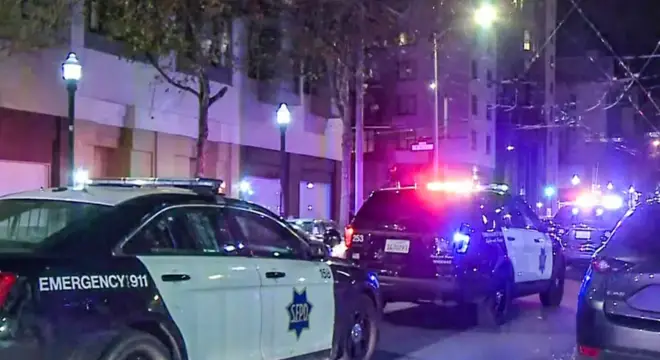
One Person Killed in California House Fire, Investigation Underway
When I first read about the Elk Grove home fire, the detail that hit me hardest was the timing — late at night, around 10 p.m., when most people are already winding down, unaware of how quickly a normal evening can turn tragic.
Fire crews from the Cosumnes Fire Department were called to Chianti Way, a quiet street just off Waterman Road. By the time they arrived, the single-story home was already burning, flames active and growing. Even though the firefighters moved fast, the damage inside had already taken someone’s life.
They found the victim about seven minutes after stepping inside. That’s a painfully short window — yet long enough for a fire to turn a room unrecognizable. The person was pronounced dead at the scene. No one else was home, and investigators still don’t know what started the fire.
It’s the kind of incident that reminds you how fragile “normal” is. I kept asking myself: How quickly would any of us notice flames or smoke if it happened at 10 p.m.?
How Firefighters Responded — Timeline of the Operation
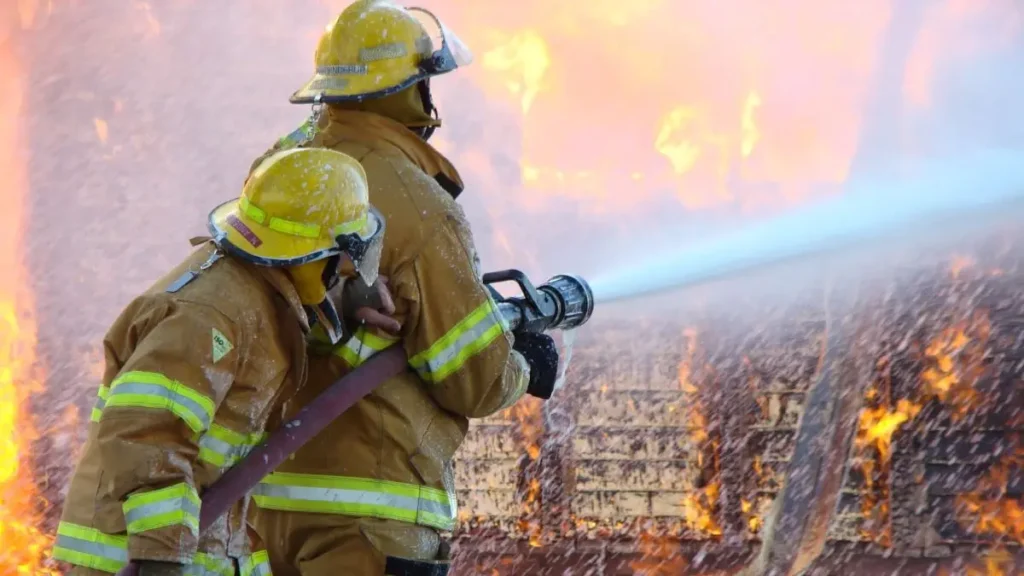
When I went through the CBS Sacramento report on this fire, one detail stood out immediately — the speed of the response. According to CBS, crews from the Cosumnes Fire Department reached the house just minutes after the 10 p.m. call came in.
Firefighters entered the burning home fast, pushing through smoke and heat to search every corner. About seven minutes after stepping inside, they found a person who wasn’t responsive. Those minutes feel short to us, but inside an active structure fire, they can be the difference between life and death. The victim was pronounced dead immediately.
What struck me in the CBS footage was the visual of the block itself: engines lined up through a narrow residential street, lights bouncing off parked cars, neighbors standing silently. Fires at night always feel heavier — more still, more personal — and this was no different.
Victim Details — What’s Confirmed So Far
At this point, officials are keeping the victim’s identity private. Families deserve space before their loss becomes a headline. We do know that only one person was inside the home, and that person did not make it out.
Firefighters confirmed no other occupants were found. No pets. No additional injuries. Just a single life lost in a matter of minutes — and that’s what makes incidents like this hit harder than the quick headlines you scroll past.
Similar tragic outcomes occurred in other late-night fires, like the Philadelphia rowhome blaze that left one dead. It’s a sobering reminder of how fast fire can spread in residential areas.
Cause of the Fire — What Investigators Are Looking At
Right now, the cause is officially “unknown and under investigation.” That might sound vague, but early answers are rarely reliable. Investigators will check burn patterns, electrical points, ignition sources, and whether anything inside the home accelerated the fire.
There’s no sign of foul play so far. Until the full investigation is complete, we’re working with partial information.
Past fires in similar neighborhoods have shown how quickly small sparks escalate, like in the Arden home fire where firefighters saved three dogs.
Why the Location Matters — The Chianti Way Layout
Chianti Way is one of those quiet residential pockets — single-story homes, narrow streets, cars lining both sides. These neighborhoods are peaceful to live in, but honestly, they can complicate emergency access at night.
Every second counts during a fire. A tight curve, a blocked driveway, or a dark street can slow down responders. Late-night fires add another layer: fewer people awake to notice smoke, slower visual detection, and limited visibility for arriving crews.
A single-story layout can burn faster than people assume. Open floor plans, older insulation, or outdated wiring can turn a small ignition into a fast-moving fire. We don’t know if those factors played a role here, but they’re common vulnerabilities in homes built in similar neighborhoods.
Understanding the risk, like in the West Virginia blaze that destroyed three homes, shows why access and layout matter so much in fire response.
Community Impact & What Officials Are Urging Now

Fires like this ripple through a community. Even if you didn’t know the victim personally, you feel it — especially on a quiet street where everyone recognizes each other’s cars. Neighbors stepped outside that night, watching the flashing lights, trying to understand what had just unfolded a few doors down.
Officials haven’t released many statements yet, but they’ve made one thing clear: check your alarms, check your wiring, and make sure your home is ready for emergencies.
If you want real-time updates on local incidents like this one, there are community alerts that often circulate on messaging platforms. You can stay informed without waiting for formal reports, which can be crucial in emergencies.
Fire Safety Reminder for Local Residents
Here’s where I want to get practical with you — reading about a tragedy is one thing, but learning from it is another. Fires like the one on Chianti Way remind us that prevention and preparation can’t be ignored.
- Check your smoke alarms. Test them monthly, replace batteries, and ensure detectors are in every key room.
- Inspect your wiring. Older homes or DIY fixes can hide dangers. Even a tiny spark can escalate quickly.
- Clear escape routes. Make sure doors, hallways, and driveways aren’t blocked — for you, your family, and first responders.
- Know your exits and practice them. A fire at 10 p.m. gives you only minutes. Walk through escape scenarios with everyone at home.
- Be vigilant as a community. Keep an eye out for unusual smoke or sounds in your neighborhood, and check in on neighbors if something seems off.
What Happens Next — Updates to Watch For
Fires like this don’t just end when the flames are out. The next days matter:
- Identification of the victim — once released by authorities, it’ll give the community closure.
- Cause of the fire — investigators will analyze evidence, electrical points, and structural clues.
- Community responses — neighborhood meetings, safety audits, and discussions about improving emergency access could follow.
- Media and official updates — local news outlets, social media from the fire department, and community bulletins will share real-time findings.
If you want to stay updated on similar incidents and practical safety tips, visit our Home Incidents category. It’s full of real-life stories and actionable advice you can apply at home.
Disclaimer: The information in this article is based on official statements and news reports available at the time of writing. Details may change as the investigation progresses. This content is intended for informational purposes only and not as legal or safety advice.