Salting Your Neighbor’s Driveway: 4 Critical Rules You Must Follow
You know that moment in winter when you step outside and see ice forming on your neighbor’s driveway, and your first instinct is to grab some salt? I’ve been there, and I get it — you want to help, avoid accidents, and maybe even be a good neighbor.
But here’s the catch: sprinkling salt on someone else’s property without asking isn’t just a small gesture — it comes with legal, safety, and relationship considerations you might not have thought about. Over the years, I’ve helped homeowners navigate tricky situations like this, and I can tell you that what seems like a simple act can quickly turn into a misunderstanding, or worse, a liability.
In this guide, I’m going to walk you through the four key things every homeowner should know before you touch that icy driveway — from the legal side to practical alternatives — so you can make smart, safe, and neighbor-friendly choices.
Why This Question Matters: Safety, Liability, and Neighbor Relations
Winter is tricky. You see ice forming and want to act fast, but sprinkling salt on a neighbor’s driveway isn’t just about preventing slips — it’s about responsibility. When you step onto someone else’s property, even with the best intentions, you’re entering a space with rules, risks, and social dynamics. Here’s why this matters:
- Safety first: If someone slips after you’ve salted their driveway, you could unintentionally cause injury. It’s not just a small accident; it could have serious legal or financial consequences.
- Liability and legal exposure: Even without intent to harm, taking action on someone else’s property can create liability issues if accidents happen.
- Neighbor relations: What you think is helpful could be seen as intrusive or disrespectful. A winter gesture could easily turn into a neighborhood conflict.
Understanding these points upfront helps you make decisions that are safe, legal, and neighbor-friendly. You want to protect yourself, respect property boundaries, and maintain a good relationship — all at the same time. Situations like this aren’t limited to snow and ice — similar legal risks come up with everyday boundary issues, which is why it’s important to know how to avoid legal trouble while managing a neighbor’s creeping tree before small problems turn into long-term disputes.
1. What “Salting a Neighbor’s Driveway” Really Means Legally
Property Rights and Trespass Basics
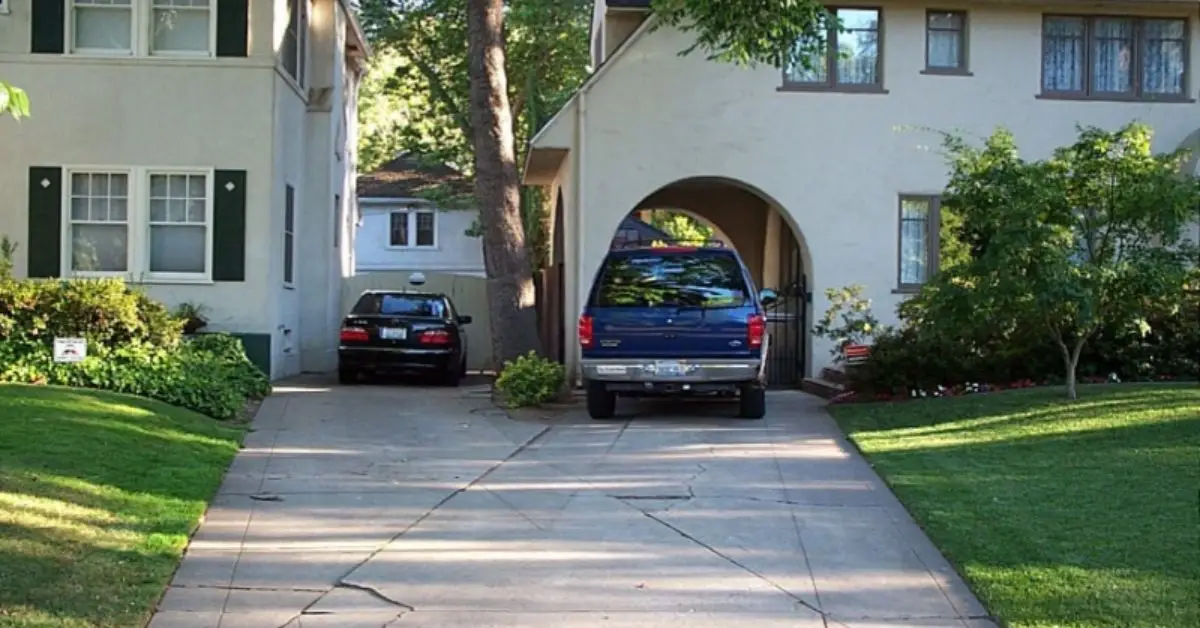
Here’s the truth: you can’t just sprinkle salt on someone else’s land because it seems harmless. Property rights are real, and the law treats unauthorized entry — even for “good intentions” — as trespassing. Think of it this way: if you were at home and someone started spreading salt across your driveway, you’d probably feel your privacy and property were being violated.
In practical terms:
- You’re responsible for anything that happens on your neighbor’s property if you take action without consent.
- Even minor damages, like concrete corrosion or landscaping harm, could create disputes.
- Trespass rules aren’t uniform everywhere, so local laws matter a lot.
Knowing this helps you avoid a situation where your good intentions backfire legally.
Easements and Shared Driveway Agreements
Now, there are exceptions. If you share a driveway or if there’s a formal easement agreement, your rights — and obligations — are different. Easements can be:
- Documented easements: Written in property deeds, giving you legal access to maintain or use part of a neighbor’s property.
- Implied easements: Based on long-standing shared use, even if not formally recorded.
- Shared driveway agreements: Sometimes neighbors establish rules about maintenance responsibilities, including snow and ice removal.
Understanding this can mean the difference between helping safely and accidentally overstepping. For example, LegalClarity has a clear guide on what shared driveway use legally allows — it’s a resource I often refer homeowners to for clarity.
2. Homeowner Responsibility and Municipal Rules
Local Snow and Ice Removal Regulations
Even if the property is yours, local laws often require you to keep sidewalks or areas adjacent to your home safe. And sometimes, these rules extend to shared driveways or properties immediately next to yours.
- Many towns fine homeowners for failing to clear sidewalks or icy areas promptly.
- Municipal codes might dictate how quickly snow and ice must be removed after a storm.
- Some places specify permissible materials for de-icing, like sand instead of salt, to protect infrastructure.
So, before you pick up that bag of salt for your neighbor’s driveway, it’s worth checking your city’s ordinances. Following local rules keeps you legally safe and demonstrates responsible neighbor behavior.
What Happens if Someone Is Hurt
Here’s where it gets serious. If someone slips and gets injured on a driveway you salted without permission:
- You could be held liable for medical costs or damages.
- Even if you didn’t intend harm, insurance companies may see it as a claim against you.
- Legal disputes can strain relationships, costing more than the value of the driveway salt itself.
The same confusion around responsibility shows up in other situations too — like when a storm hits and a neighbor’s tree falls in your yard and liability isn’t clear.
Think of it this way: your goal is to prevent accidents, not create them. Sometimes the safest route is to ask first, or coordinate with your neighbor on shared maintenance.
3. Safety and Environmental Considerations Before Salting Someone Else’s Property

Before you even think about sprinkling salt on your neighbor’s driveway, it’s worth pausing to consider the broader impact. Salt might seem harmless, but it can have real consequences — not just for the driveway itself, but for plants, pets, and the environment.
Salt’s Impact on Driveways and Landscaping
Concrete, asphalt, and landscaping aren’t built to handle heavy doses of salt. Here’s what can happen:
- Concrete corrosion: Over time, repeated exposure to salt can eat away at the surface of driveways and sidewalks.
- Plant damage: Lawn grass, shrubs, and garden beds near salted areas can suffer from dehydration and soil toxicity.
- Long-term maintenance costs: Replacing or repairing driveway sections is far more expensive than a few bags of ice melt.
Even if your heart is in the right place, your actions could unintentionally create long-term damage that your neighbor will notice — and blame you for. Check out this detailed guide on why you should avoid salting your driveway to see the full impact.
Risks for Pets and Children
I’ve seen too many pet owners panic after their dog’s paws burned from walking over salted surfaces. Kids are vulnerable too. The risks include:
- Paw irritation or chemical burns in pets.
- Slipping hazards on salty or wet surfaces.
- Accidental ingestion, especially for curious pets and toddlers.
Even if you’re careful, it’s impossible to control how others use the driveway afterward. That’s why asking first or suggesting alternatives can prevent harm.
Environmental Impact and Runoff Issues
Salt doesn’t just disappear. It can run off into local water systems, harming plants, wildlife, and even contaminating groundwater. Key points to consider:
- Chloride from salt is toxic to many aquatic species.
- Soil quality can degrade, affecting both gardens and local greenery.
- Over time, repeated runoff can disrupt local ecosystems.
4. Neighborhood Etiquette: Best Practices Before You Salt
Even if you understand the legal and safety aspects, simple social etiquette can prevent conflict. Acting thoughtfully is just as important as acting safely.
Ask First: The Most Important Step
It sounds obvious, but it’s surprising how often people skip this step. A quick conversation can save:
- Misunderstandings about property boundaries.
- Disagreements over what materials are acceptable.
- Potential legal trouble if something goes wrong.
It’s the simplest way to make sure your help is actually helpful. And if starting that conversation feels awkward or stressful, learning smart ways to handle difficult neighbors and keep your home stress-free can make these situations much easier to navigate.
Discuss De‑icing Preferences (Salt vs. Alternatives)
Not all neighbors like traditional rock salt. Some prefer:
- Sand for traction without chemical effects.
- Magnesium chloride or calcium chloride, which are less corrosive.
- Pet-friendly products designed to prevent paw burns.
Asking your neighbor which option they prefer shows respect and keeps everyone safe. The University of Vermont’s winter safety guide explains safer alternatives and their benefits.
Shared Driveway Communication Tips
If you share a driveway, coordination is key. A few ideas:
- Schedule snow removal or salting responsibilities in advance.
- Keep a simple log of who maintains which section.
- Agree on safe materials and quantities to prevent damage or disputes.
These small communication habits prevent misunderstandings and make winter maintenance much smoother.
Alternatives to Salting Your Neighbor’s Driveway (Without Permission)
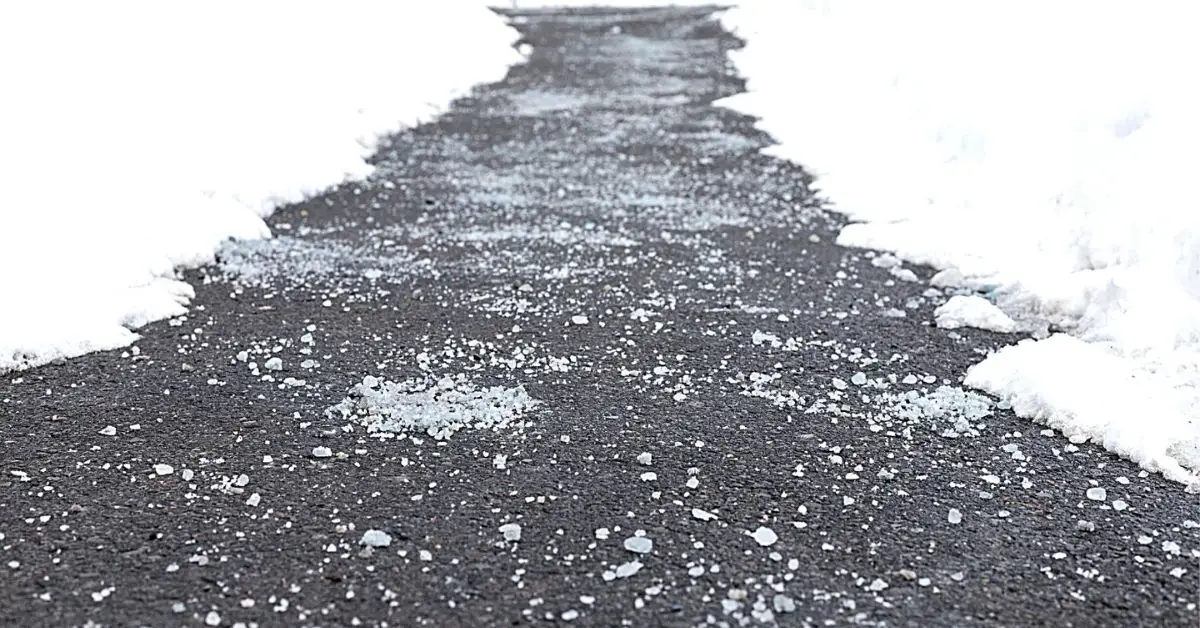
Sometimes, you want to help, but permission isn’t granted. In those cases, there are safer alternatives that won’t create legal, safety, or environmental issues:
- Sand or gravel: Provides traction without causing corrosion or chemical runoff.
- Kitty litter or ashes: Temporary grip on icy patches.
- Heated mats: Works well for shared or small sections of the driveway.
- Non-toxic de-icers: Some products are pet- and plant-friendly.
These options let you reduce slip risks without crossing boundaries.
When to Consider Legal Help
Even with good etiquette, there are times when neighbor disputes escalate and professional guidance becomes necessary:
- Persistent trespass despite repeated conversations.
- Damage to property or repeated unsafe behavior.
- Liability concerns if someone is injured on your neighbor’s property.
At that point, consulting a legal professional can clarify your responsibilities and protect you from potential claims. It’s not about escalating conflict — it’s about knowing your rights and keeping peace intact.
Quick Checklist: Can You Salt Your Neighbor’s Driveway?
Here’s a practical, one-page style checklist to make decisions easier:
- Ask first: Always start with a conversation.
- Check easements or shared driveway agreements: Know your legal boundaries.
- Consider alternatives: Sand, kitty litter, or heated mats.
- Think about pets and children: Avoid harming those who use the driveway.
- Be environmentally aware: Salt runoff affects soil and water systems.
- Follow municipal rules: Ensure compliance with local snow and ice regulations.
- Know when to seek legal help: Persistent issues or disputes may require professional guidance.
Following this checklist ensures your actions are safe, neighbor-friendly, and legally sound.
I’d love to hear from you: have you ever salted a neighbor’s driveway or faced a winter conflict like this? Share your experience in the comments below — your story could help others avoid common mistakes.
And if you want more practical home and neighborhood tips, visit Build Like New for guides on safe home maintenance, property management, and winter preparedness.
Disclaimer: This article is for general informational purposes only and does not constitute legal advice. Local laws, property rights, and municipal rules can vary by location. For guidance specific to your situation, consider checking local regulations or consulting a qualified legal professional.