The Ultimate Shower Cleaning Guide: 6 Vinegar Tricks That Actually Work
I’ve cleaned more showers than I can count, and I’ll be honest—most people aren’t doing it wrong, they’re just overcomplicating it. If you searched clean shower with vinegar, you’re probably tired of cloudy glass, slippery floors, or that chalky white buildup that never seems to go away. I get it. I’ve been there, scrubbing harder than needed and still feeling unsatisfied.
In this guide, I’m not going to sell you a miracle hack or pretend vinegar fixes everything. I’ll walk you through what actually works in real homes, what I’ve seen fail, and how to clean your shower with vinegar without damaging finishes or wasting time. Simple steps, clear reasoning, and habits you can stick to.
If you want a cleaner shower without harsh chemicals—and without guessing—this will save you effort and frustration.
Before we get into the steps, tell me this: what’s the biggest problem in your shower right now—glass stains, grout, or hard water buildup?
Why Vinegar Works for Cleaning Showers
I’ve seen people doubt vinegar because it feels too simple. No strong smell like commercial cleaners, no warning labels, no bold promises. But here’s the honest truth—you don’t need harsh chemicals for most shower messes, you need the right chemistry.
Vinegar works because of acetic acid. That acid quietly breaks down the stuff that makes your shower look dirty in the first place—soap scum, hard water minerals, and early-stage mildew. Soap scum isn’t just “dirt”; it’s a reaction between soap and minerals in water. Vinegar dissolves that bond instead of forcing you to scrub harder. That’s why, when used correctly, you see results with less effort.
I always recommend distilled white vinegar, the kind you find in any grocery store. It’s usually around 5% acidity, which is strong enough to clean but mild compared to many bathroom sprays. Most commercial cleaners rely on stronger acids or synthetic chemicals. Vinegar is slower, but safer for regular use and predictable when you know its limits.
That last part matters. Vinegar is powerful, but it’s not universal. I’ve seen showers damaged because people assumed “natural” means “safe everywhere.” It doesn’t. Vinegar isn’t just useful in the bathroom—once you understand how it works, you’ll start noticing how effective it is around the house too, even for things like pests, as explained in these genius vinegar uses that help get rid of flies.
Here’s how I think about it, and how you should too:
- Vinegar is great for glass doors, ceramic tiles, sealed grout, and chrome fixtures
- It helps loosen limescale and cloudy buildup without scratching surfaces
- It is not safe for natural stone like marble or granite, and it can dull certain finishes over time
If you want a deeper breakdown of where vinegar works and where it doesn’t, this guide explains the material limits clearly.
The key takeaway is simple: vinegar works because it targets the cause of shower buildup, not just the surface. But only when you respect what it can—and can’t—touch.
Pre-Clean Checklist (Materials + Prep)
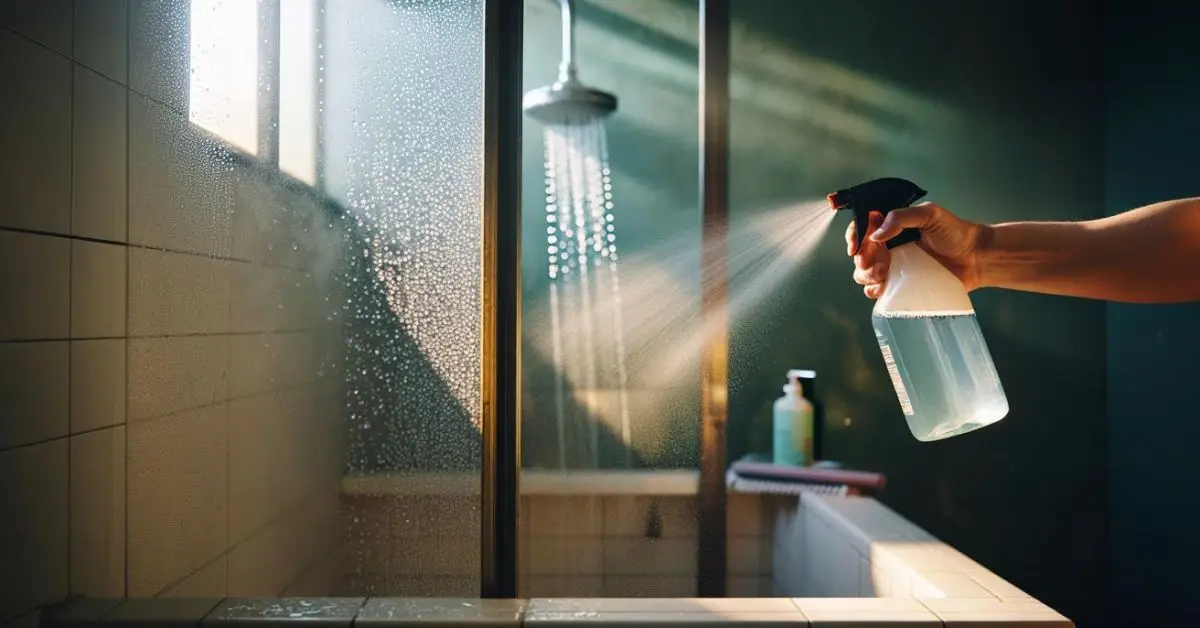
Before I spray anything, I always pause and prep. This step saves more time than any “hack” you’ll see online. When you start cleaning without the right tools nearby, you rush, skip steps, or quit halfway. I don’t want that for you.
Here’s what I keep ready, and why it matters.
Basic tools you’ll need:
- Spray bottle – gives you even coverage without wasting vinegar
- Microfiber cloths – they lift grime instead of pushing it around
- Soft scrub brush – strong enough for grout, gentle enough for tile
- Old toothbrush – perfect for corners, edges, and faucet bases
- Squeegee – not optional if you want streak-free glass
Safety and comfort prep:
- Gloves – vinegar is mild, but repeated contact dries skin
- Good airflow – open a window or turn on the exhaust fan
Optional boosters (use only when needed):
- Dish soap – helps vinegar cling to vertical surfaces like glass doors
- Baking soda – useful for grout stains, not daily cleaning
- Lemon juice – adds scent and a slight acid boost, not extra power
I always tell people this: cleaning goes faster when your setup is calm. You don’t need more products—you need fewer interruptions.
Once your tools are ready, the actual cleaning feels controlled instead of exhausting.
Before we move on, quick check with you—are you dealing with light buildup or heavy hard water stains? That decides how aggressive the next steps should be.
Step-by-Step Vinegar Shower Cleaning Method
This is the part most people rush—and that’s why vinegar “doesn’t work” for them. I want you to slow down here. When you follow the order and timing properly, you scrub less and get better results. I’ve tested shortcuts. They usually backfire.
1. Mix the Cleaning Solution
I keep this simple because simple works.
In a spray bottle, mix:
- 1 part distilled white vinegar
- 1 part warm water
Warm water matters. It slightly boosts vinegar’s cleaning power and helps it cut through soap scum faster. Cold mixes work, but they take longer and tempt you to scrub harder than needed.
If your shower has thick, greasy soap buildup—especially on glass—add:
- 3–5 drops of dish soap
The soap helps the vinegar stick to vertical surfaces instead of sliding down the drain. This method is widely recommended by professional cleaners and backed by cleaning guides like this one.
Shake the bottle gently. Don’t overthink it.
2. Apply & Soak
Now you let chemistry do the heavy lifting.
Spray the solution generously on:
- Shower doors and glass panels
- Tile walls and corners
- Fixtures, handles, and grout lines
Make sure surfaces are visibly wet, not lightly misted.
Here’s where patience pays off:
- Light buildup: let it sit for 15–30 minutes
- Heavy hard water or soap scum: up to 2 hours
I know that sounds long, but soaking is what prevents aggressive scrubbing later. If vinegar dries out, just re-spray. No harm done.
3. Scrub Smartly
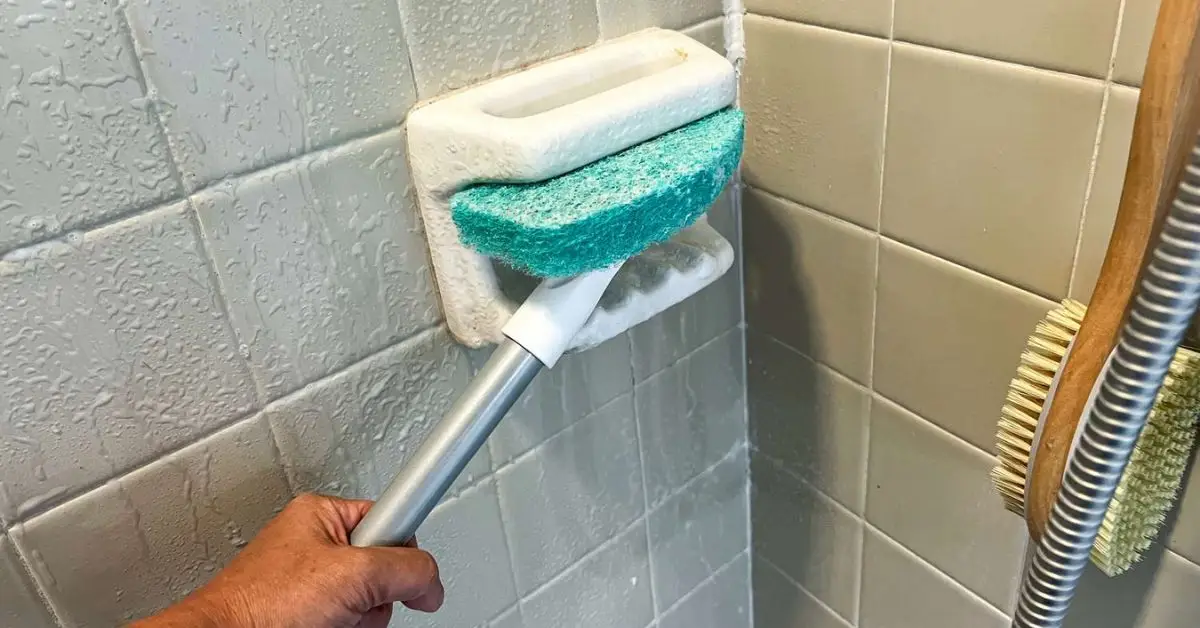
Scrubbing is about control, not force.
I use:
- A soft-bristle brush for grout and textured tiles
- An old toothbrush for corners, caulk lines, and fixture bases
For glass:
- Use a microfiber cloth
- Wipe in straight lines, not circles, to avoid streaks
For tiles:
- Gentle pressure is enough
- Let the solution loosen the grime before you touch it
If you feel the urge to scrub hard, pause. It usually means the soak time wasn’t long enough.
4. Rinse & Dry
Rinse everything with hot water. This flushes away loosened minerals and soap residue cleanly.
Then—and this part is often skipped—dry the surfaces:
- Use a microfiber cloth or squeegee
- Focus on glass and metal fixtures
Drying prevents water spots and slows mildew from coming back. This one habit alone can cut your deep cleaning in half.
Quick question before we move on: do you clean your shower only when it looks dirty, or do you want a routine that keeps it clean longer?
Targeted Vinegar Hacks (6 Tips That Actually Work)
These aren’t random tricks. Every one of these comes from either real-world cleaning experience or patterns I’ve seen repeated across expert guides and cleaning communities. Use them when the situation fits—don’t force all six every time.
1. Shower Glass Doors: Warm Vinegar + Dish Soap
This is my go-to when glass looks cloudy no matter how often you wipe it.
Why it works:
Mineral spots bond tightly to glass. Warm vinegar loosens them, and dish soap keeps the solution from sliding off.
When to use it:
- Cloudy or streaked glass doors
- White hard water spots you can feel with your fingers
How to do it:
- Warm the vinegar slightly
- Add a few drops of dish soap
- Spray, let it sit 20–30 minutes, then wipe top to bottom
This method is also backed by professional cleaning guides like this one.
2. Deep Clean Grout: Vinegar + Baking Soda Paste
I don’t use this weekly. This is for when grout has clearly darkened.
Why it works:
The fizz helps lift grime from tiny grout pores that liquid alone can’t reach.
When to use it:
- Grout looks dingy even after regular cleaning
- You see discoloration, not surface dirt
How to do it:
- Sprinkle baking soda on damp grout
- Spray vinegar over it
- Let it bubble, scrub gently, then rinse
This same vinegar and baking soda reaction works beyond grout too—these vinegar and baking soda cleaning hacks show how effective the combo can be for everyday home cleaning.
3. Shower Head Revival: Vinegar Bag Soak
This is one of those tips people are shocked actually works.
Why it works:
Minerals clog the spray holes. Vinegar dissolves them without taking the fixture apart.
When to use it:
- Uneven spray
- Reduced water pressure
How to do it:
- Fill a plastic bag with vinegar
- Tie it around the shower head
- Leave it for a few hours, then rinse
4. Daily Quick Spray to Prevent Build-Up
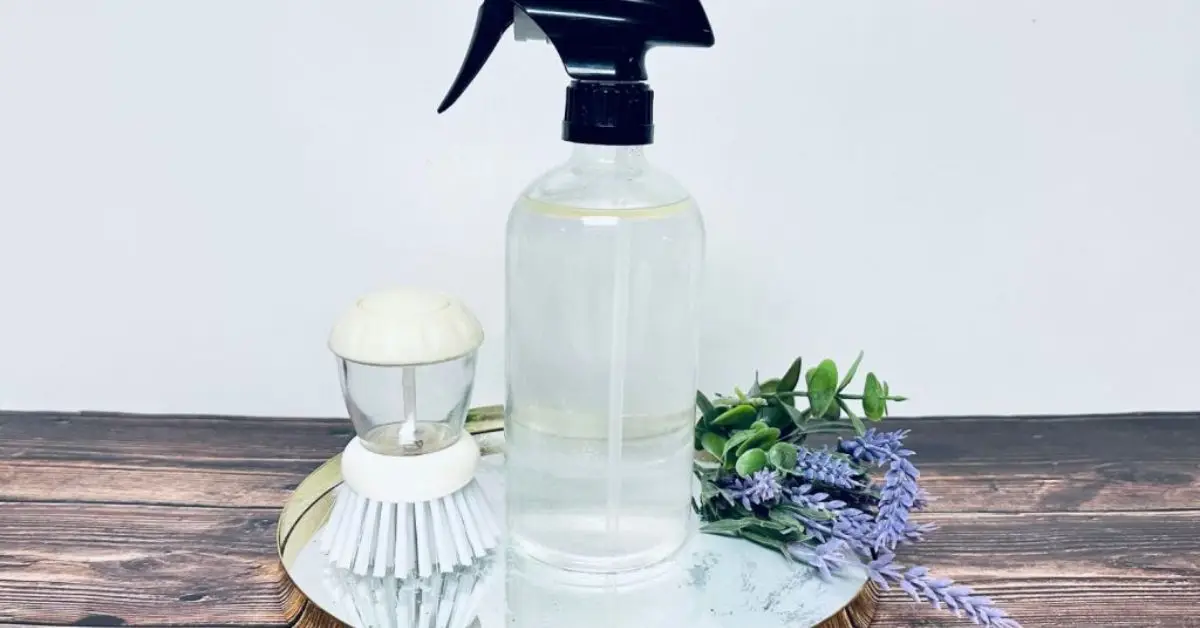
This isn’t about cleaning—it’s about avoiding cleaning.
Why it works:
Minerals don’t get time to settle if you interrupt them daily.
When to use it:
- After your last shower of the day
How to do it:
- Light vinegar-water spray
- Quick squeegee on glass
5. Tough Stains: Vinegar + Lemon or Dish Soap Combo
Some stains are stubborn because they’re layered—soap plus minerals.
Why it works:
Lemon adds mild acid and scent; dish soap cuts greasy residue.
When to use it:
- Yellowish or chalky stains that don’t budge
How to do it:
- Add lemon juice or dish soap to vinegar
- Let it sit longer before scrubbing
6. Post-Shower Habit: Spray + Squeegee
This is boring—but it’s the most effective hack here.
Why it works:
Dry surfaces don’t grow mold or hold minerals.
When to use it:
- Every shower, especially in hard water areas
How to do it:
- Light spray
- One-minute squeegee pass
Common Mistakes and How to Avoid Them
This is where most vinegar guides fail. They tell you what to do, not what to stop doing.
Here’s what I see go wrong most often:
- Using vinegar on natural stone: Marble, granite, and similar surfaces can etch or dull permanently.
- Mixing vinegar with bleach: This creates toxic gas. Never combine them—ever.
- Over-soaking rubber or unsealed grout: Long vinegar exposure can weaken these over time.
If something looks damaged after cleaning, it’s usually because vinegar was used in the wrong place or left too long.
Maintenance Plan — Keep Your Shower Sparkling Longer
You don’t need to deep clean every weekend. You need a rhythm.
Here’s the routine I follow and recommend:
- Weekly:
- Light vinegar spray
- Quick squeegee on glass
- Monthly:
- Deeper vinegar soak for glass, fixtures, and grout
- Always:
- Run the exhaust fan
- Open a window if possible
Good airflow dries surfaces faster, which means less mold and fewer stains.
Let me ask you something honestly—would you rather clean for 10 minutes a week, or scrub for an hour once things get out of control?
Bonus — When Vinegar Isn’t Enough (and What to Use Instead)
I want to be clear with you here—vinegar is great, but it’s not magic. If someone tells you it fixes everything, they’re overselling it. Knowing when to switch tools actually saves your shower and your time.
If you’re dealing with heavy hard water buildup—thick, chalky layers that feel almost crusted—vinegar may soften the surface but won’t fully remove it. In those cases, citric acid or a commercial descaler is the smarter choice. They’re designed to break down dense mineral deposits faster and with less effort.
Then there are rust stains or colored scaling—the orange, brown, or greenish marks that keep coming back. Vinegar can lighten them, but it rarely removes them completely. These stains usually come from metal in water pipes or fixtures, and they need targeted rust removers to fully disappear.
The takeaway is simple: use vinegar for regular cleaning and early buildup. When stains become structural, upgrade the solution instead of scrubbing harder.
Wrap-Up — Realistic Cleaning Expectations
If you take one thing from this guide, let it be this: a clean shower isn’t about power—it’s about consistency.
Vinegar won’t give you a brand-new bathroom overnight, but it will:
- Keep glass clear
- Slow down mineral buildup
- Reduce mold and mildew
- Cut your deep-clean time in half
The people who get the best results aren’t using more products. They’re using fewer, more often, and with intention. Once you get comfortable using vinegar in your shower, it naturally makes you question other cleaners too—and honestly, that’s a good thing, especially when simple options like these apple cider vinegar cleaning tricks work just as well.
If you found this guide helpful, tell me in the comments—what’s the toughest part of cleaning your shower right now? I read every response and use them to improve future guides.
And if you want more practical, no-nonsense home improvement advice, visit Build Like New. That’s where I share real solutions that help your home actually look—and feel—better, without hype or shortcuts.
Disclaimer: This guide is for general cleaning advice only. Always test vinegar on a small, hidden area first and follow manufacturer guidelines for your shower surfaces and fixtures. Results may vary based on materials, water quality, and existing damage.