Iowa House Fire Turns Tragic: One Injured, Multiple Pets Lost
I still can’t get the image out of my head—the smoke rising over a quiet neighborhood in Knoxville this past Sunday afternoon. A house on the 1300 block of South Lincoln Street went up in flames, leaving one person seriously injured and a family’s pets tragically dead. Reading about it, I felt the weight of what it means to lose not just a home, but the sense of safety and the creatures that make it feel like home.
You can almost imagine the chaos: firefighters rushing toward the black column of smoke, neighbors stepping outside in alarm, and a family forced to evacuate in minutes. According to the Knoxville Fire Department, the first call came in around 3:39 p.m., and crews arrived to find heavy smoke and flames pouring from the living room windows and the front door.
Thankfully, no one was found inside during the search, but one occupant had already self-evacuated and was airlifted to the University of Iowa Hospitals for treatment.
It’s the kind of news that hits close to home—literally and emotionally. I want to walk you through what happened, the response, and what we can learn from it, so that if you’re like me, thinking about the safety of your own home and family (including pets), this story can be a reminder and a guide.
How the Knoxville Fire Unfolded: Response and Rescue Efforts

When I first read about the fire, I realized just how fast things can spiral. The Knoxville Fire Department was dispatched at 3:39 p.m., heading to the home on South Lincoln Street. As they approached, firefighters saw a huge column of black smoke, prompting them to call in a “working fire” assignment—a signal that this was serious.
KCCI Reports that by the time crews arrived, flames were bursting from the living room windows and the front door. Smoke filled the house so heavily that every second counted. Firefighters didn’t hesitate.
They entered with three hose lines, searching the interior while simultaneously trying to control the blaze. No one was inside when they conducted the search, but the work wasn’t over—the teams moved on to salvage and overhaul operations to prevent the fire from spreading.
Reading the timeline made me appreciate how much coordination and training goes into every second of a fire response. The speed and precision saved lives, but it also reminded me that even well-prepared homes can face devastating losses.
Injuries and Loss: The Personal Toll of the Knoxville Fire
The human and animal impact of this fire is heart-wrenching. One occupant had self-evacuated before firefighters arrived and was transported first to Knoxville Hospital, then airlifted to the University of Iowa Hospitals for treatment. The extent of the injuries hasn’t been fully disclosed yet, but just imagining being in their shoes makes it clear how terrifying this situation was.
Sadly, the family’s pets did not survive the blaze. Pets are family too, and losing them in such sudden circumstances adds a layer of grief that’s hard to process. Neighbors and community members have been reacting, offering support and sharing condolences.
These personal details are crucial—they remind us that behind every headline, there are real people and real loss. It’s a moment to pause and think about our own homes, our loved ones, and yes, our furry family members.
Incidents like this remind me of the tragic fire in Durham, where a historic home was destroyed, one person was injured, and a pet didn’t survive.
Preliminary Cause of Knoxville House Fire Under Investigation
So, what started this fire? Officials say it appears to be linked to the use of alternative heat sources.
While the exact cause remains under investigation, agencies including the Knoxville Fire Department, the Iowa State Fire Marshal’s Office, and the Marion County Sheriff’s Office are all involved.
It’s a reminder that small decisions—like how we heat our homes in winter—can have big consequences. I know I’ve personally re-evaluated how I use space heaters or other heating methods after reading this.
Fire safety isn’t just about alarms and extinguishers; it’s about understanding risks in our daily routines.
Total Loss and Assistance for Displaced Family
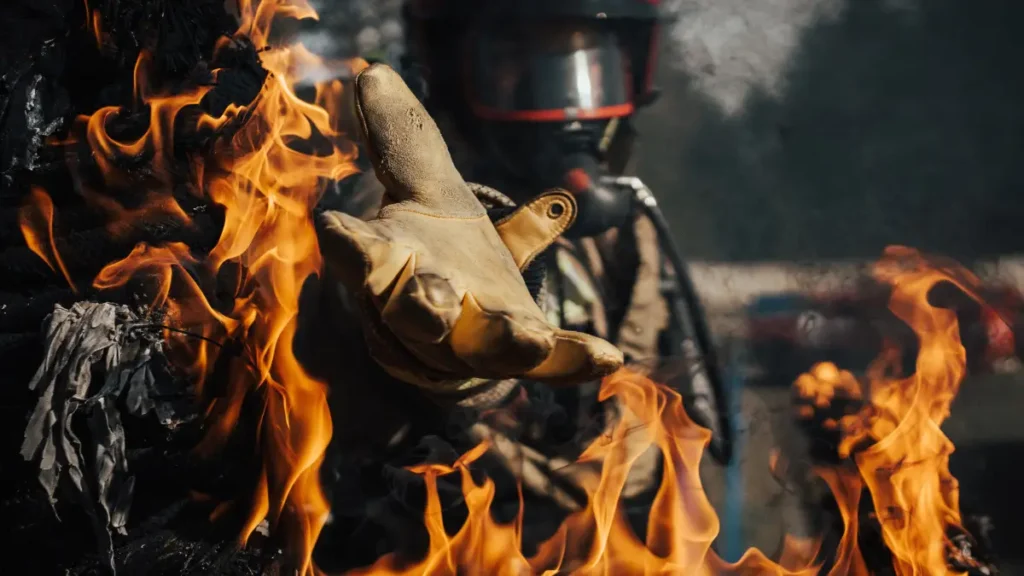
The home was deemed a total loss, which is devastating. Beyond the physical damage, it’s the emotional weight of losing a place filled with memories.
The Red Cross has been contacted to assist the displaced family, offering temporary support and resources during this difficult time.
It makes me think about community. Even if we can’t prevent every accident, neighbors, local organizations, and first responders can make a difference when tragedy strikes.
Helping in small ways—donating, volunteering, checking in on friends—can really matter.
Unfortunately, total loss of homes isn’t uncommon; a recent fire in Buffalo caused $300,000 in damages, leaving the family displaced.
Preventing Home Fires: Lessons from Knoxville Incident
Reading this, I can’t help but think about lessons we can all take home. First, make sure smoke detectors are installed and working.
Second, if you use alternative heating sources, follow safety instructions closely and never leave them unattended. Third, have an evacuation plan that includes your pets.
I also suggest reviewing fire extinguisher usage, keeping emergency contacts handy, and identifying safe exit routes.
These steps might seem simple, but they can save lives. Sharing this knowledge with family, friends, or neighbors turns tragedy into a learning opportunity.
For practical guidance and life-saving tips, organizations like the Red Cross regularly provide resources to keep families safe during fire season.
How Common Are House Fires in Iowa?
Iowa has seen its share of residential fires over the years, and while most don’t make headlines, every fire carries real consequences. According to state data, electrical malfunctions, heating equipment, and unattended cooking are among the leading causes.
Knowing these numbers puts the Knoxville fire into perspective. It wasn’t just an isolated tragedy—it’s part of a larger pattern that reminds us how quickly accidents can escalate.
Thinking about this made me personally double-check my own home for potential hazards, and I encourage you to do the same. Understanding the risks is the first step in prevention.
You can also join a community discussion on local safety tips and fire alerts on WhatsApp, where residents share updates and precautions.
What Homeowners Can Learn from the Knoxville Fire?
So, what can we take away from this incident? First, always maintain and test smoke detectors regularly. Second, if you use alternative heating sources, keep them safe and monitored. Third, have a clear evacuation plan that includes both family members and pets.
It’s also worth keeping a list of emergency contacts handy, from local fire departments to animal shelters.
I know that thinking ahead like this feels tedious, but these small preparations can make a life-or-death difference. And sharing these lessons with neighbors or friends can prevent future tragedies.
Knoxville Fire Investigation Is Ongoing
Finally, it’s important to remember that the investigation is still ongoing. Details may change as officials from the Knoxville Fire Department, the Iowa State Fire Marshal, and the Marion County Sheriff’s Office continue their work.
If you follow local news or official fire department updates, you’ll stay informed. For now, though, reflecting on the human impact, the loss of pets, and the lessons we can apply in our own homes is the most valuable takeaway.
What’s one fire safety step you haven’t done yet at home? Take a minute today to make a change—it could make all the difference.
For more stories on home safety and fire incidents across Iowa, visit our Home Incidents category.
Disclaimer: The information in this article is based on reports from local authorities and news sources at the time of publication. Details may change as investigations continue. This article is for informational purposes and not a substitute for professional advice or emergency guidance.