5 Storage Fixes to Finally Take Control of Your Home in 2026
Every January, I see the same thing happen—closets get a quick clean, bins get labeled, and by March, the mess quietly creeps back. Not because people don’t care, but because most storage “resolutions” aren’t built to survive real life. Work gets busy. Kids grow. Seasons change. Stuff keeps coming in.
That’s exactly why storage resolutions in 2026 need a different approach.
This year isn’t about buying more bins or copying a Pinterest setup that only works for a weekend photo. Experts across home and lifestyle media are pointing toward flexible systems, sustainable choices, and habits that actually stick—not perfection. The focus has shifted from “organize once” to “set it up so you don’t have to think about it every week.”
I’m writing this for you if you’ve ever opened a drawer and thought, I already organized this… so why does it look like this again? You don’t need more motivation. You need better systems—ones that fit how you live today, not how you wish you lived.
In this guide, I’ll walk you through five storage resolutions that are realistic, proven, and built for 2026 living. Not theory. Not fluff. Just smart changes that make your home easier to manage month after month.
Before we get into the list, let me ask you something honestly—what’s the one space in your home that quietly stresses you out every time you see it?
What “Storage Resolutions” Really Means for 2026
When I talk about storage resolutions, I’m not talking about a one-day closet clean or a quick decluttering spree. In 2026, storage resolutions mean something more intentional—and honestly, more realistic for you and me.
You don’t need another “fresh start.” You need a year-long plan that works even when motivation drops and life gets busy.
A real storage resolution is about building systems that quietly support your routine. Not perfection. Not picture-perfect shelves. Just a home that feels easier to manage on normal, messy days.
If you searched for storage resolutions in 2026, what you’re really looking for is:
- Less stress when you open drawers or cabinets
- Fewer repeat cleanups
- Storage that adjusts as your life changes
Resolution vs Quick Fix
I’ve been there, and you probably have too. You declutter once, everything looks great, and you think, this time it’ll stay like this. Then a few weeks later, clutter quietly returns.
That’s not failure. That’s a system problem.
A quick fix depends on motivation.
A real resolution depends on design.
Here’s the difference, clearly:
Quick fix usually means:
- Decluttering everything at once
- Buying organizers without a plan
- Relying on willpower to “keep it tidy”
A storage resolution means:
- Designing storage around how you actually live
- Placing solutions where clutter naturally collects
- Making upkeep simple enough that you don’t avoid it
Habit research shows that when systems are easy to repeat, maintenance stops feeling like work. You don’t have to “try” to stay organized—the system does the heavy lifting for you.
If organizing hasn’t stuck before, it’s not because you didn’t care enough. It’s because the setup wasn’t built for long-term use.
Trend Signals for 2026 Organization Strategies
What’s different about 2026 is how experts are redefining storage success. It’s no longer about having less stuff—it’s about managing what you keep in a smarter way.
Lifestyle and home experts featured by AOL point out a clear shift in priorities, and it lines up perfectly with what people actually struggle with.
Here’s what those trends mean for you:
- Flexibility over rigid systems: Storage needs to adapt as your routines, family, and spaces change.
- Sustainable choices with purpose: Fewer disposable organizers, more durable solutions you won’t replace every year.
- Simple maintenance: If it’s hard to keep up, it won’t last. Easy systems win every time.
These trends exist because people are tired of starting over every January. And you shouldn’t have to.
That’s the standard worth aiming for in 2026.
1. Build a Seasonal Rotation System That Works
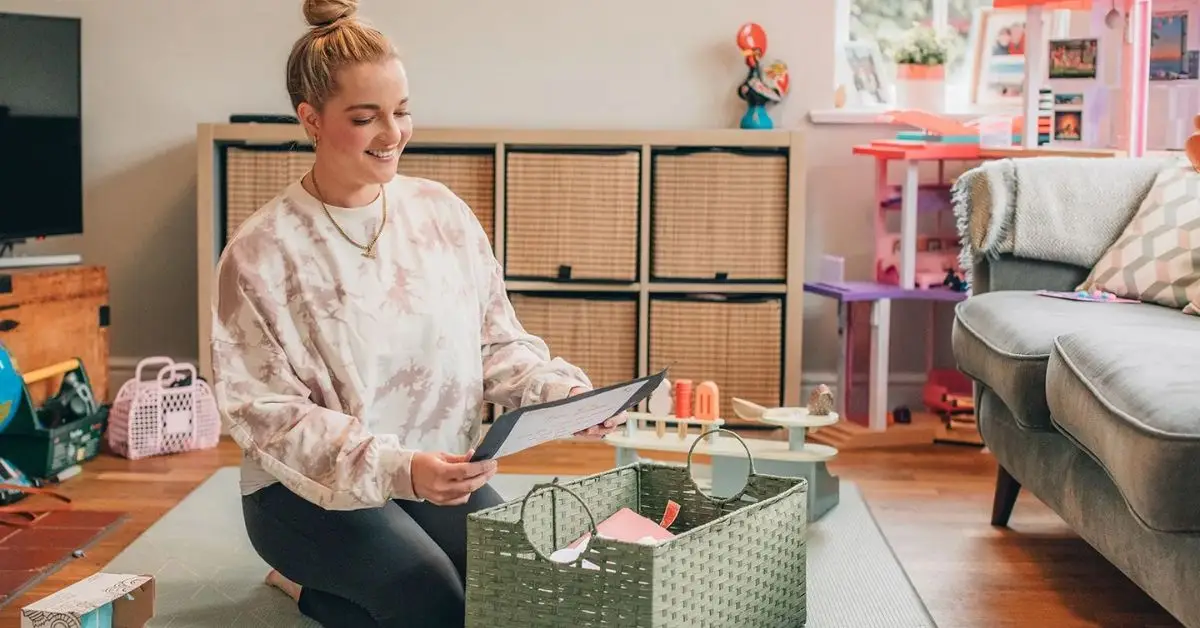
Most homes don’t stay messy because of too much stuff—they stay messy because everything tries to live in the same space all year. If you want to maximize small entryway spaces, check out these 10 genius ways to use a shoe storage bench you haven’t tried yet. I see this mistake all the time. Winter coats fighting summer clothes. Holiday décor mixed with daily items. Sports gear showing up when it’s not even in season.
In 2026, a smart storage resolution means you stop treating your home like a static space and start treating it like a seasonal system.
Organizing experts at Better Homes & Gardens consistently point out that homes feel cluttered when seasonal items aren’t rotated intentionally. You don’t need more storage—you need better timing.
How to Audit What Should Rotate
Before you buy bins or labels, I want you to audit. This step alone changes everything.
Ask yourself one simple question: Do I use this item all year—or only part of the year?
Here’s a practical checklist you can walk through room by room:
- Clothing: heavy coats, boots, swimwear, seasonal accessories
- Home items: holiday décor, seasonal bedding, fans or heaters
- Outdoor & hobby gear: camping equipment, sports gear, gardening tools
- Paper & misc: school supplies, tax documents, seasonal manuals
If you haven’t touched something in the last 3–4 months and you know exactly when you’ll need it again, it’s a rotation item—not clutter.
The goal isn’t to hide things. It’s to remove visual noise from your everyday space.
Practical Setup Examples (Labels + Bins + Calendar Reminders)
This is where most people overcomplicate things. Don’t.
A rotation system only works if it’s easy to repeat.
Here’s a setup I recommend because it actually sticks:
- Clear bins with simple labels
Label by season, not by category. Example: “Winter – Entry Closet” instead of “Scarves.” - One designated storage zone per season
Garage shelf, top closet shelf, or under-bed storage—keep it consistent. - Calendar reminders, not memory
Set two reminders a year:- Spring swap
- Fall swap
You’re not relying on motivation anymore. The reminder tells you when to rotate, and the bins tell you what goes where.
Once this system is in place, clutter drops naturally—without extra effort.
2. Assess and Refresh Your Current Storage Systems
Here’s something I want you to hear clearly:
An organized drawer doesn’t mean you have an organized system.
Most homes fall into the same trap—organizing the same spots over and over without asking why they keep getting messy. That’s how you end up with what I call an “organized mess.”
In 2026, storage resolutions work best when you step back and assess, not just tidy.
Quick 10-Point Audit for Every Room
Instead of guessing what’s wrong, I use a simple scoring method. You can do this in minutes.
For each room, ask yourself:
- Is everything stored near where it’s used?
- Do items fit the space without forcing?
- Is vertical space being used?
- Are there clear “drop zones”?
- Can I put things away one-handed?
- Do categories mix together?
- Is overflow happening?
- Do I avoid opening certain areas?
- Does this space need frequent re-organizing?
- Does this system still match my life today?
If you answer “no” to more than three, the system needs adjustment—not another clean-up.
Retrofit Underutilized Spaces (Vertical + Hidden + Nooks)
I rarely see homes that actually use their space well. You probably have storage potential hiding in plain sight.
Look for:
- Vertical space: inside cabinet doors, tall shelving, wall-mounted hooks. For kitchens where drawers constantly overflow, these 10 spice storage ideas that instantly declutter your kitchen can make assessment and refresh a lot easier.
- Hidden space: under beds, above closets, behind doors
- Awkward nooks: corners, laundry areas, hallway ends
Instead of adding more bins, you’re redirecting items to spaces that make sense. That alone reduces daily clutter.
3. Invest in Flexible, Modular Storage Solutions
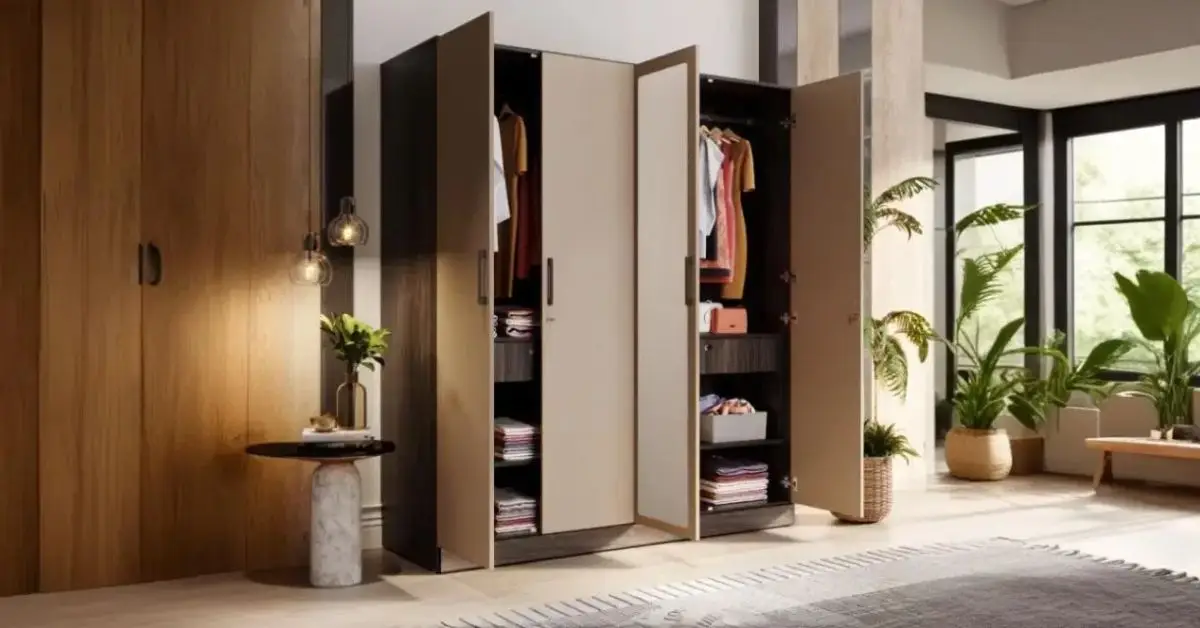
One of the biggest mistakes I see is buying storage that only works for this version of your life.
But life changes. Kids grow. Work moves home. Hobbies come and go. That’s why 2026 storage trends are pushing toward flexible and modular solutions—systems that move with you, not against you.
Why Flexibility Matters in 2026
Think about what’s changed in just the last few years:
- More remote or hybrid work
- Kids needing flexible storage for school and activities
- Homes pulling double duty as work, rest, and play spaces
If your storage can’t adjust, it becomes clutter the moment your routine shifts.
Modular Storage Options That Grow With You
You don’t need expensive custom systems. You need adaptability.
Look for:
- Adjustable shelving you can reconfigure
- Stackable drawer systems
- Furniture with hidden storage
- Units that can move between rooms
The real win here is longevity. When storage adapts, you stop replacing it—and clutter stops rebuilding itself.
Before moving to the next resolution, pause for a second and ask yourself: Which area of your home would feel lighter if the system actually matched how you live today?
4. Choose Sustainable Storage That Saves Money & Waste
I know “eco-friendly storage” can sound like a buzzword. But in 2026, this isn’t about being trendy or perfect—it’s about being practical.
Here’s the truth I’ve seen play out again and again: cheap, short-term storage costs more in the long run. Cracked plastic bins, mismatched containers, organizers that stop fitting your needs—you end up rebuying, re-decluttering, and re-organizing.
That’s why sustainable storage has become a real organizing strategy, not just an environmental one. Lifestyle experts highlighted by Yahoo Style point out that people are shifting toward storage choices that last longer, adapt better, and reduce repeat waste.
And honestly? That benefits you as much as the planet.
Materials & Alternatives That Last Longer
If you want storage that holds up year after year, material matters more than style.
When I help people rethink their storage, I always suggest starting here:
- Bamboo or wood-based organizers: Durable, sturdy, and less likely to crack or warp over time.
- Recycled or reinforced plastic: Not all plastic is bad—thick, reusable bins outperform flimsy single-use ones.
- Upcycled containers: Baskets, jars, drawers, or crates you already own often work better than buying new.
Instead of asking, “Does this look nice?” ask yourself:
Will I still be using this two years from now?
That one question filters out most bad storage purchases.
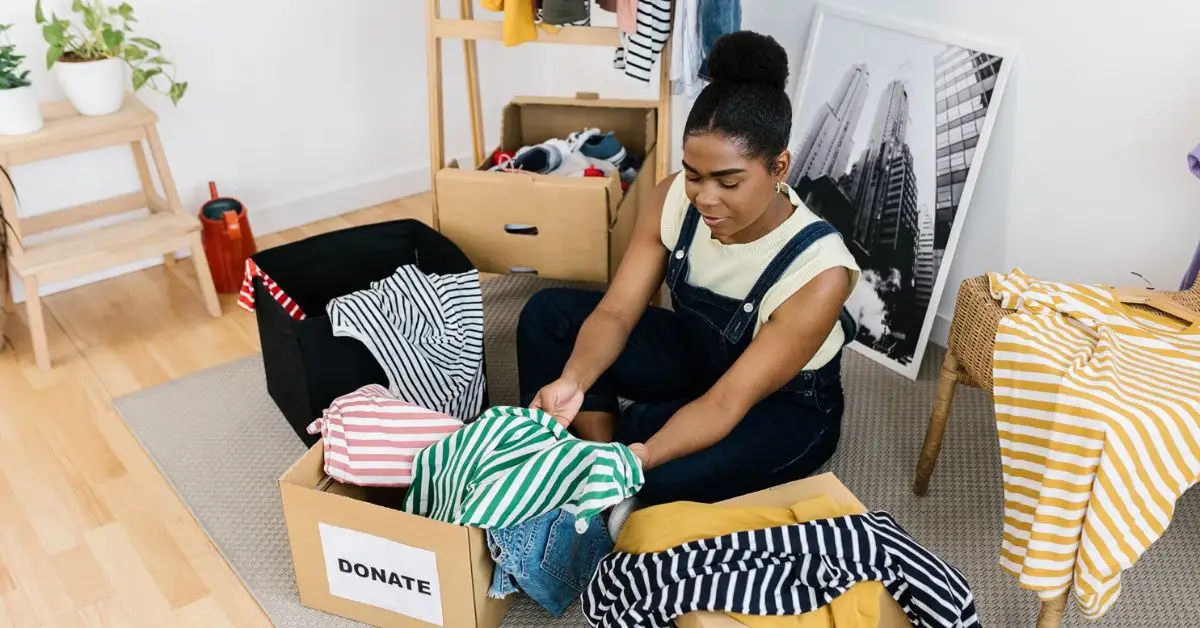
Declutter Responsibly (Donate, Recycle, Repurpose)
Sustainable storage isn’t just about what you buy—it’s about how you let go.
When decluttering, I encourage you to slow down and sort intentionally:
- Donate: clothing, kitchenware, books, and toys in good condition
- Recycle: paper, cardboard, electronics through local recycling programs
- Repurpose: bins, jars, and boxes for garage, laundry, or seasonal storage
Local donation centers, community drives, and neighborhood groups make this easier than ever. And here’s the bonus most people don’t expect—when you declutter responsibly, you’re far less likely to overbuy later.
You start respecting the space you’ve created.
5. Create a Maintenance Habit (Not a One-Off Clean)
This is where most storage resolutions fail—and where yours doesn’t have to.
I’m going to say this plainly: one big clean will never keep your home organized. The real resolution isn’t cleaning harder. It’s building a maintenance habit that runs quietly in the background of your life.
When storage systems stick, it’s because upkeep is planned—not emotional.
Monthly Storage Check-Ins — What to Look For
You don’t need hours. You need consistency.
Once a month, I recommend a quick 10–15 minute check-in using the same questions every time:
- Is anything piling up where it shouldn’t?
- Are categories starting to mix?
- Is something no longer being used?
- Did a new habit create new clutter?
- Does anything need to rotate or relocate?
This isn’t a deep clean. It’s a reset. Small adjustments now prevent big messes later. If cluttered drawers keep creeping back despite your check-ins, try these 7 storage secrets to clear them for good to maintain a tidy system.
Tools & Reminders to Keep You On Track
Here’s the part people skip—and then blame themselves when things fall apart.
Don’t rely on memory.
Use:
- Calendar reminders (monthly or quarterly)
- Simple habit apps
- A recurring note on your phone
Think of it like brushing your teeth. You don’t wait until there’s a problem—you maintain because it’s built into your routine.
That’s how storage resolutions actually last.
Before you move on, take a second and ask yourself: If you spent just 15 minutes a month maintaining one space, which area of your home would benefit the most?
Storage Trends to Watch in 2026 Beyond Resolutions
Once you have the basics in place, this is where things get interesting.
Most articles stop at “organize better.” I don’t think that’s enough. If you’re planning for 2026, it helps to know where storage is actually heading, not just what works today.
These trends show that storage is becoming more integrated, more flexible, and far less bulky. The focus is on saving space without adding visual clutter.
Smart & Magnetic Storage Surfaces
This trend is growing quietly, but it’s powerful.
Instead of adding shelves or bins, people are using:
- Magnetic strips inside cabinets
- Magnetic containers on walls or fridges
- Tool and spice storage that snaps into place
It turns unused surfaces into functional storage. When your needs change, the setup changes with you.
Multifunctional + Hidden Storage in Everyday Furniture
Furniture in 2026 isn’t just furniture anymore—it’s storage in disguise.
Think:
- Ottomans that hold blankets or toys
- Beds with built-in drawers
- Benches with hidden compartments
- Coffee tables that open or slide
This solves two problems at once: clutter and limited space. You’re not adding more furniture—you’re upgrading what you already use.
Vertical & Modular Stackable Units
Vertical space is still one of the most underused areas in most homes.
What’s changing is how vertical storage is designed:
- Stackable units you can reconfigure
- Modular systems that grow upward, not outward
- Lightweight designs that don’t feel bulky
Perfect for closets, laundry rooms, home offices, or garages. It adapts instead of locking you into one layout.
How to Turn These Resolutions Into Daily Routines
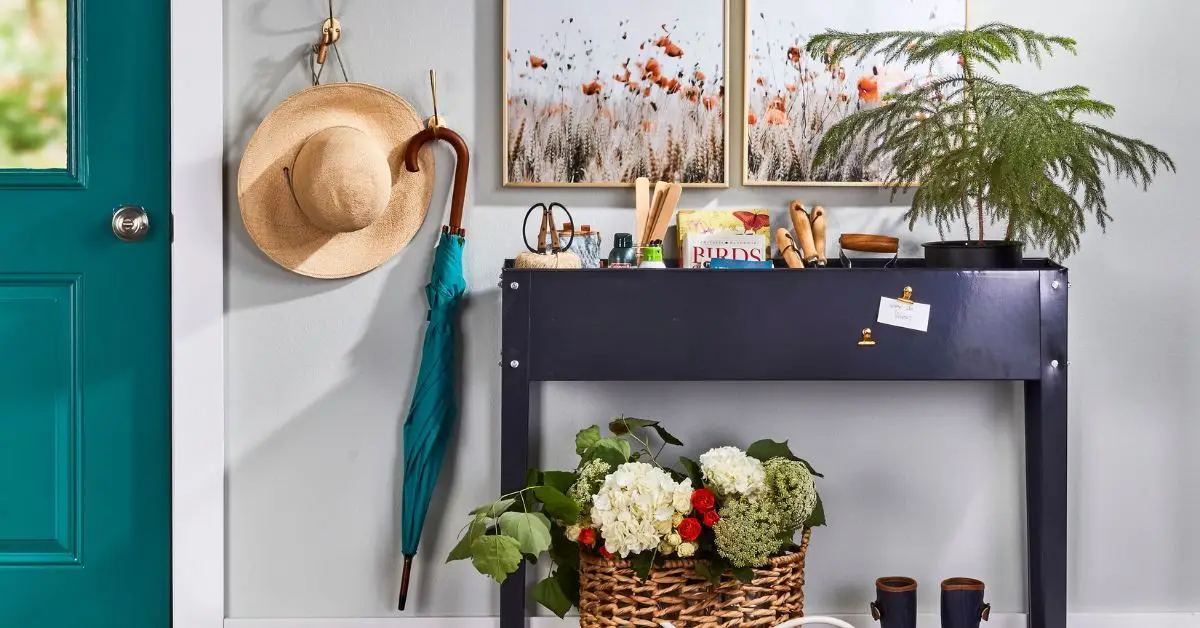
Ideas don’t change homes. Routines do.
If you want these storage resolutions to actually stick, you need a simple starting point—not a perfect plan.
Here’s a realistic 30-day way to begin:
Week 1
- Pick one problem area
- Do a quick audit
- Remove anything that clearly doesn’t belong
Week 2
- Set up one system (rotation, modular storage, or zoning)
- Label it simply
- Don’t overdo it
Week 3
- Live with it
- Notice friction points
- Make small adjustments
Week 4
- Set a monthly reminder
- Do a 10-minute check-in
- Lock the habit in
That’s it. No overwhelm. No all-day organizing marathons.
If you want more practical, real-world guidance like this, check out Build Like New, where the focus is always on systems that last—not quick fixes.
Now I’d love to hear from you: Which storage trend or resolution feels most relevant to your home right now? Drop your thoughts in the comments and let’s discuss how to make it work for you.
Disclaimer: The tips and strategies in this article are for general informational purposes only. Results may vary depending on your home, lifestyle, and personal circumstances. Always use your judgment when implementing storage solutions.