U.S. Housing Market Shift: Florida Dominates List of Falling Home Values
For the past few years, it felt like home prices only moved in one direction—up. Fast.
I’ve watched buyers stretch budgets, waive inspections, and bid against dozens of others just to stay in the game. For many people, owning a home slowly stopped feeling realistic.
Now, something has shifted.
In several major U.S. metro areas, home values are no longer climbing. In fact, they’re falling. Not crashing—but clearly correcting. And that change matters, whether you’re trying to buy your first home, thinking about selling, or just watching your home’s value.
Here’s what most SERP articles don’t clearly say: this slowdown didn’t come out of nowhere. The price jumps during the pandemic years were extreme. In many cities, homes gained value far faster than incomes ever could. That imbalance was never going to hold forever.
What we’re seeing now is the market reacting to reality.
Higher mortgage rates have raised monthly payments. Inventory is building up. And buyers—especially in overheated markets—are finally pushing back. They’re pausing, negotiating, or walking away altogether.
If you’re a buyer, this moment might feel like a small window of relief after years of frustration. If you’re a seller, it can feel unsettling, especially if you’re still anchored to 2021 or 2022 prices.
Either way, the key thing to understand is this: this isn’t about fear—it’s about adjustment.
The markets seeing price drops today are the same ones that ran the hottest during the boom. The question now isn’t “Is something wrong?” It’s “Which markets are correcting the fastest—and why?”
That’s where the real story begins.
Does this cooling make you feel more hopeful—or more cautious—about the housing market right now?
How the Biggest US Home Value Declines Were Identified?

Before jumping into the city-by-city declines, it’s important to understand where this data is coming from—and why it matters.
Economists analyzed the 100 largest U.S. metro areas, focusing on year-over-year median home value changes, not just asking prices or isolated sales. That distinction is key. Median values smooth out extremes and give a clearer picture of what’s actually happening across a market, not just at the high or low end.
In simple terms, this isn’t anecdotal data or social media noise. It’s a broad, metro-level view of where prices are genuinely moving lower—and where the market is correcting after years of overheating.
For you as a reader, this matters because it separates real trend signals from clicky doom headlines.
Recent surveys also suggest that many buyers haven’t left the market—they’re just waiting, with nearly 90% aiming to purchase homes by 2026.
Florida Dominates the List — 6 of the 10 Biggest Declines
One pattern jumps out immediately: Florida is everywhere on this list.
Six of the ten metro areas with the steepest home value drops are in Florida. That’s not a coincidence, and it’s not just about interest rates.
According to Realtor, Florida has seen strong inventory growth at the same time buyer demand has cooled. In plain terms, more homes are for sale—but fewer people are ready or able to buy them.
There’s another layer many SERP articles gloss over: the true cost of owning a home in Florida. Insurance premiums, HOA fees, and maintenance costs have all climbed sharply. Even buyers who qualify on paper are hesitating once they see the full monthly number.
If you’re wondering why Florida is correcting faster than many other states, this mix of oversupply and rising ownership costs is the core reason.
Here Are the 10 US Metros Where Home Values Are Already Falling
Let’s get specific. No speculation. No forecasts.
These are the 10 metro areas where home values have already dropped year over year, based on Realtor analysis of the 100 largest U.S. metros.
If you live in—or are watching—any of these markets, this data directly affects your buying or selling decisions.
1) North Port–Bradenton–Sarasota, Florida
This metro saw the steepest decline in the country. Prices here surged during the pandemic as buyers rushed in, often paying well above asking. Now, higher rates and slower demand are pulling values back to earth.
2) Cape Coral–Fort Myers, Florida
A heavy pandemic inflow followed by return-to-office moves has cooled demand fast. Combined with elevated insurance and ownership costs, prices here are adjusting quickly.
3) Austin–Round Rock–San Marcos, Texas
Austin’s drop is driven less by fear and more by math. Builders added supply aggressively after demand exploded. Now inventory is high, prices are still expensive, and buyers are taking a step back.
4) Lakeland–Winter Haven, Florida
This is a market where sellers are becoming noticeably more flexible. Rising holding costs and slower sales are pushing more price reductions, especially among investors.
5) Stockton–Lodi, California
Unlike many California markets, Stockton no longer has a supply shortage. As inventory normalizes, the upward pressure on prices has eased—and values are slipping as a result.
6) Deltona–Daytona Beach–Ormond Beach, Florida
Affordability is the main issue here. Buyers who could qualify in 2021 or 2022 are struggling now, particularly as insurance premiums and HOA fees rise.
7) Tampa–St. Petersburg–Clearwater, Florida
One of Florida’s fastest-growing metros during the boom is now correcting. Demand hasn’t vanished—but buyers are no longer willing to pay peak prices.
8) Jacksonville, Florida
New construction is reshaping this market. Builders are offering incentives that resale homes can’t match, forcing existing sellers to cut prices to stay competitive.
9) Denver–Aurora–Centennial, Colorado
Inventory has surged, especially in suburban and higher-end segments. Buyers now hold leverage, and sellers who bought near the peak are adjusting expectations.
10) San Francisco–Oakland–Fremont, California
Even one of the most expensive markets in the country isn’t immune. Inventory has rebounded beyond pre-pandemic levels, putting steady pressure on prices.
What stands out isn’t just where prices are falling—but why. Every one of these metros saw rapid growth first. The declines are less about collapse and more about correction.
Is your city starting to feel like one of these markets—or does it still feel stuck in peak-price mode?
What’s Really Driving These Price Drops Across Markets?
It’s easy to blame everything on mortgage rates, but that’s only part of the story.
Yes, higher rates mean higher monthly payments. But what’s really slowing the market is buyer psychology. People are no longer willing to rush, overbid, or waive every protection just to win a house.
Inventory growth is another major factor. When buyers have options, they gain leverage. Sellers lose the ability to name any price they want and expect instant offers.
Then there are the hidden costs. Insurance increases, HOA dues, and maintenance expenses are quietly killing deals—especially for condos and newer developments. In some cases, buyers get approved, go under contract, and then lose financing once the true insurance costs surface.
This isn’t panic. It’s friction—and friction slows prices down.
These shifts are playing out differently in every market, and new data keeps changing the picture. Some of the most useful updates are coming directly from housing analysts tracking inventory and pricing moves in real time.
What This Shift Means for Buyers Right Now?
If you’re a buyer, this is the most breathing room you’ve had in years.
You’re more likely to see price cuts, seller concessions, and incentives—especially in markets with heavy new construction. Negotiation is back on the table, and patience is finally being rewarded.
That said, this isn’t a “wait forever” market either. Rates may not fall quickly, and the best homes still attract competition. The advantage now is choice, not unlimited bargains.
The smart move isn’t timing the absolute bottom. It’s understanding your local market and using the leverage you didn’t have before.
This shift lines up with what we’re seeing nationally, as home listings surge and buyers regain negotiating power on sale prices in many metros.
What Sellers in These Metros Need to Understand?
If you’re selling in one of these declining markets, the biggest risk is pricing your home for yesterday’s reality.
Buyers are informed. They see inventory rising. They know sellers are cutting prices. Overpricing now doesn’t just slow a sale—it can force bigger reductions later.
That doesn’t mean every seller should panic. Some homes are still moving quickly, especially those priced correctly and in good condition. But expectations need to reset.
This market rewards realism, not nostalgia.
Before you list—or relist—ask yourself one honest question: Would I buy this home at this price today?
If you’re in one of these metros, are you seeing price cuts or slower sales firsthand—or does your local market still feel tight?
Is This a Housing Crash—or a Long-Overdue Correction?
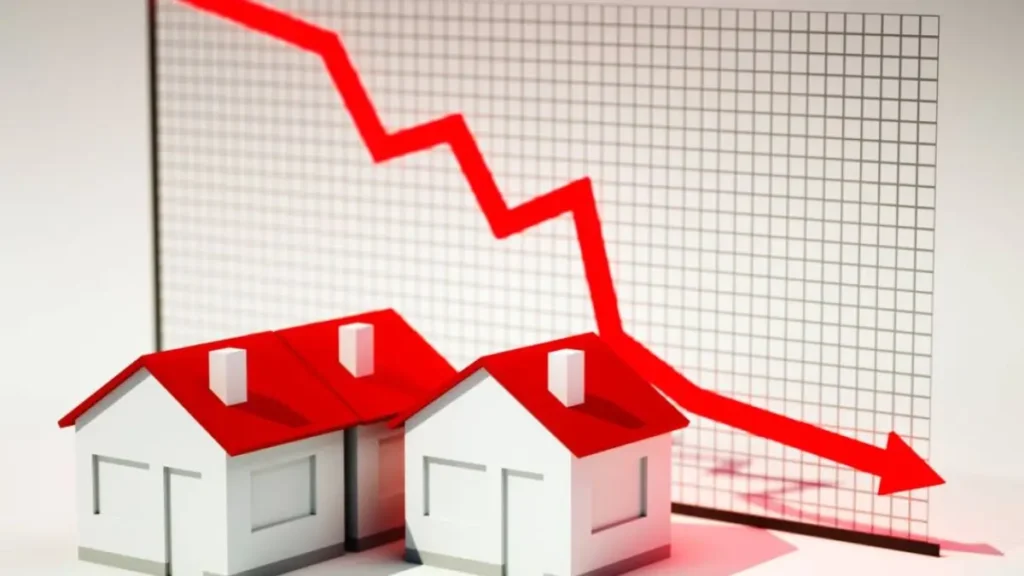
This is the question I see everywhere. And honestly, it’s a fair one.
When people hear “home values are falling,” the mind jumps straight to 2008. But what’s happening now doesn’t fit that pattern. Lending standards aren’t loose. Owners aren’t overleveraged at scale. And most homeowners still have significant equity.
What is happening is a reset.
Prices in these metros ran far ahead of fundamentals during the pandemic years. Demand spiked fast. Supply lagged. Buyers paid premiums just to secure a home. That kind of growth was never built to last.
Now that inventory has returned and buyers are more cautious, prices are adjusting—not collapsing.
That distinction matters. A correction reshapes expectations. A crash breaks the system. Right now, the system is still functioning—just under new rules.
If you’re waiting for chaos, this probably isn’t it. If you’re waiting for realism, that moment is already here.
And pricing pressure isn’t the only concern—rising ownership costs are already hitting homeowners in some cities, like Boston’s recent 13% property tax hike, which has added another layer of strain.
What to Watch Next in the US Housing Market?
The next phase of this market won’t be decided by headlines. It’ll be decided locally.
Inventory is the first thing to watch. In metros where supply keeps rising, price pressure will likely continue. Where inventory tightens again, declines may slow or stall.
The second factor is ownership cost. Insurance, HOA fees, and maintenance aren’t just side issues anymore—they’re deal breakers. Markets where those costs keep climbing will feel more strain, even if prices fall.
And finally, pay attention to buyer behavior. When buyers stop waiting and start competing again—even quietly—that’s usually the first signal a floor is forming.
This isn’t a market for rushing. It’s a market for paying attention.
If you’re actively watching your local market, what are you seeing right now—more listings, more price cuts, or more hesitation from buyers?
If you’re tracking where the housing market is heading next, you can explore more data-driven housing and real estate coverage in our Real Estate & Homeownership section.
Disclaimer: This article is based on publicly available housing market data and expert commentary at the time of publication. Home values and market conditions can vary widely by neighborhood and change quickly. Readers should consult local real estate professionals or financial advisors before making buying or selling decisions.