
Connecticut House Fire Leaves Residents Displaced, Firefighter Injured
When I look at the early reports coming out of Ansonia, one thing is clear: this wasn’t a small or routine call.
A house fire broke out Monday evening around 5:30 p.m. in the area of South Cliff Street, quickly drawing multiple fire crews to the scene. The building involved was at least a three-family apartment, which immediately raised concerns about how many people could be inside.
If you live in Connecticut, you already know why this matters. Fires in multi-family homes spread faster, displace more people, and put firefighters at higher risk—especially in older structures.
What made this call even more tense was the initial information crews received. Firefighters were told that a baby might be trapped on the third floor. That kind of report changes everything about how responders enter a burning building.
As crews pushed inside, they learned it wasn’t a baby after all—it was a dog, which they were able to rescue safely. But by then, the fire had already taken hold, turning this into a long and dangerous operation.
This wasn’t just another Connecticut house fire. It was the kind of scene where every minute, every decision, and every condition on the ground mattered.
If this had happened on your street, would your building be ready—and would you know what to do next?
Residents Displaced After Connecticut House Fire
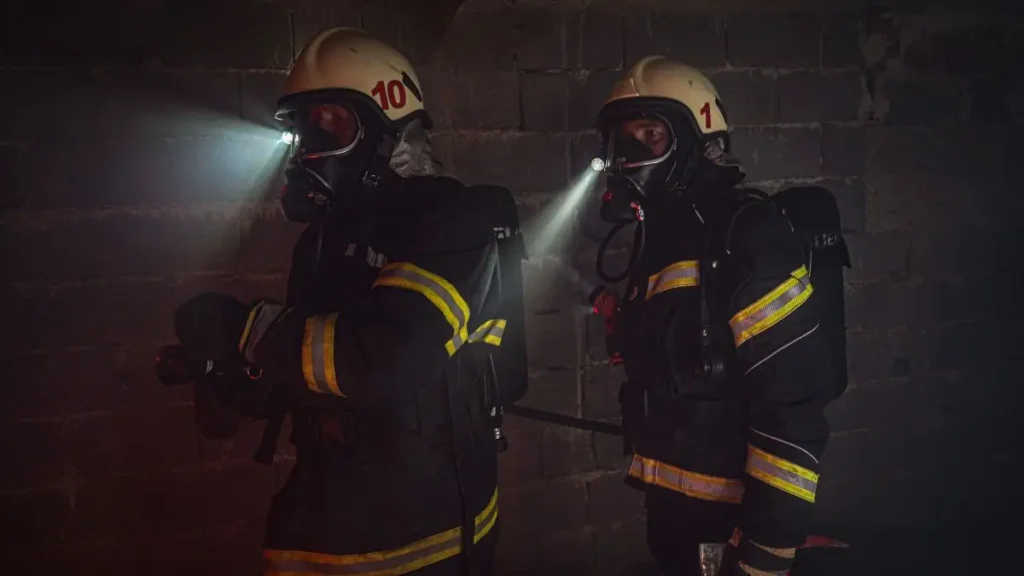
As the fire spread through the building, the biggest impact was on the people who lived there.
According to WTNH, around six to nine residents were displaced after the fire damaged the multi-family home on South Cliff Street. Fire officials could not immediately confirm an exact number, which often happens in situations like this when residents are still being accounted for.
If you’ve ever had to leave your home suddenly, you know how unsettling that moment is. No warning, no time to gather belongings—just the reality that you can’t go back inside. That’s exactly what several families faced Monday night.
This is where many similar articles stop. But displacement isn’t just a number. It means finding shelter, checking on neighbors, and figuring out what comes next—all while the fire scene is still active.
Similar tragedies have happened across the country, such as when a 6-year-old child tragically lost their life in a Detroit home fire earlier.
Report of Baby Inside Turns Into Dog Rescue
One of the most intense moments of the response came from the initial report firefighters received.
Crews were told that a baby was believed to be inside on the third floor. That kind of information immediately raises the stakes. Firefighters will take bigger risks, move faster, and push deeper into dangerous conditions when a child may be trapped.
According to an official update shared by the Ansonia Fire Department on Facebook, crews later confirmed it was not a baby, but a dog inside the building. Firefighters were able to locate and rescue the dog safely.
If you’ve followed fire rescues before, you know animal saves resonate deeply with communities. It also shows how chaotic early fire calls can be—and how quickly responders have to adapt when information changes.
Firefighter and Resident Taken to Hospital
While no life-threatening injuries were reported, the fire was not without consequences.
Fire officials said one firefighter and one occupant were transported to a nearby hospital for evaluation. The firefighter suffered minor burns, and both injuries were described as non-life threatening.
This part often gets glossed over in coverage, but it matters. Even “minor” injuries can sideline firefighters and take a physical toll. When crews are already dealing with heat, smoke, and collapsing structures, injuries can happen fast.
For readers, this is a reminder that every house fire carries risks—not just for residents, but for the people rushing in to help.
Every firefighter injury reminds us of the risks first responders face, as seen in incidents like the Bloomfield home fire where responders also had to act quickly to save lives.
Old Building Made Fire Harder to Control
Putting the fire out wasn’t quick or easy.
According to Fire Chief Jay Fainer, it took about two hours for crews to get the fire under control. One major reason: the age of the building. Older structures often have hidden voids, outdated materials, and layouts that allow fire to travel unseen.
Despite those challenges, the chief said firefighters were able to “save” the building, preventing a total loss.
If you live in an older multi-family home, this is worth thinking about. Building age plays a huge role in how fires behave—and how dangerous they become.
Icy Conditions and Freezing Hoses Added Risk
The fire itself wasn’t the only threat firefighters faced that night.
Crews were dealing with an icy driveway, making movement and equipment placement dangerous. On top of that, hoses began freezing in the cold weather as water flowed through them.
These are details many reports leave out, but they matter. Slipping hazards and frozen equipment slow down firefighting and increase injury risk—especially during long operations.
For Connecticut residents, this fire is another reminder that winter conditions make house fires more dangerous, even when crews do everything right.
What part of this response stood out to you most—the displacement, the rescue, or the conditions firefighters faced?
You can stay updated on ongoing fire incidents and safety tips via real-time updates on WhatsApp—many locals use this to track alerts in their neighborhoods.
Cause of Connecticut House Fire Still Under Investigation
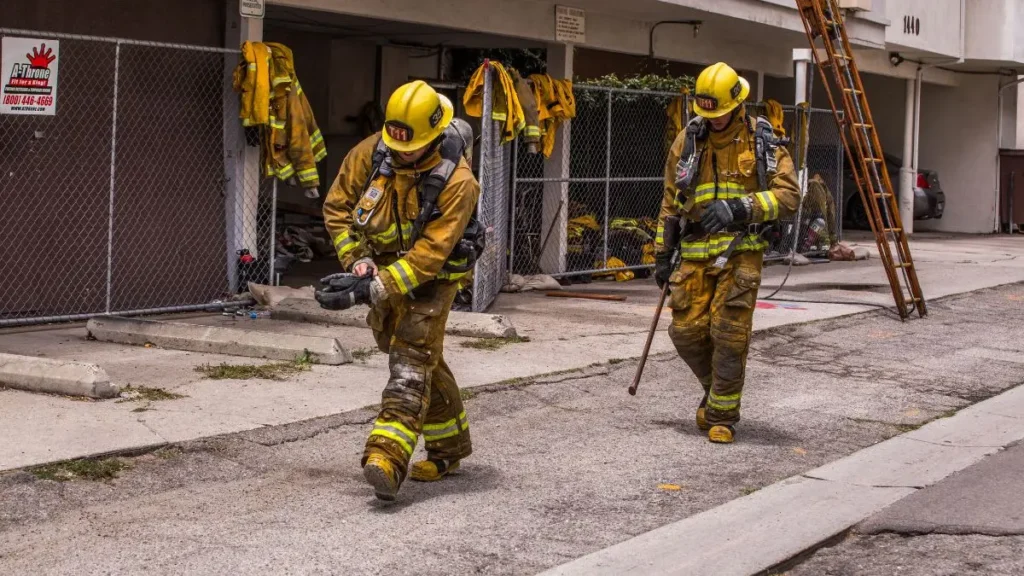
At this point, officials have not determined what sparked the fire. Fire Chief Jay Fainer confirmed that the cause remains under investigation.
This is a critical point to remember: early reports can only tell us so much. Speculation does more harm than good, so authorities are taking the time to review evidence and interview witnesses.
For readers, it’s a reminder that fires often have complex causes—electrical issues, heating equipment, or other hidden hazards can all play a role. Patience is key while the investigation unfolds.
Investigations can take time, similar to what authorities encountered after the Pennsylvania house fire that killed one resident.
Official Voice — What the Ansonia Fire Chief Said
Fire Chief Jay Fainer’s statements provide a first-hand look at the operation. He highlighted several key points:
- The building’s old age made firefighting more challenging.
- Crews were able to save the structure, despite the intensity of the blaze.
- Icy driveways and freezing hoses added unexpected complications.
Having this direct perspective from an authority adds credibility and helps readers understand the realities firefighters face. It’s not just a story about fire—it’s about people making decisions under pressure.
Why This Fire Matters Locally?
Beyond the immediate damage, this fire offers lessons for everyone in Connecticut:
- Winter conditions make house fires more dangerous.
- Older multi-family buildings pose unique risks.
- Preparedness matters: smoke alarms, escape plans, and awareness can make a difference in emergencies.
For readers, the takeaway is simple: you don’t have to experience a fire to learn from one. Thinking about your own safety, checking your home’s fire readiness, and knowing how first responders operate can make all the difference.
What steps would you take today to make sure your home and loved ones are prepared if a fire ever struck?
For more local fire safety stories and updates, visit our Home Incidents category for the latest coverage.
Disclaimer: The information in this article is based on official statements from the Ansonia Fire Department and local news reports at the time of publishing. Details may change as the investigation into the fire continues. This article is for informational purposes only and not a substitute for professional safety advice.