Fire Officials Warn: A Simple Dryer Error Can Turn Deadly
I’ve looked into dozens of house-fire reports over the years, and there’s one detail that keeps coming up again and again. Not faulty wiring. Not old homes. Not even cheap appliances.
It’s a simple dryer mistake that most people make without thinking—and it’s linked to multiple deaths every single year in the U.S.
What makes this scary is how normal it feels. You do laundry, move on with your day, and assume the dryer is one of the safest appliances in your home. I used to think the same way. But when you actually look at fire investigation reports and safety data, a clear pattern shows up—and it’s something almost no one talks about seriously.
If you’ve ever run your dryer without a second thought—or assumed cleaning the lint screen was enough—you’re exactly who needs to read this. I’ll break down what actually causes dryer fires in homes, why this one mistake is so deadly, and what you can do today to make sure your laundry room never becomes a headline.
Quick question before we go on: when was the last time you checked anything beyond the lint trap?
What Causes Dryer Fires in Homes?
If you’re wondering what actually causes dryer fires in homes, let me be very direct with you. It’s rarely one dramatic failure. In most cases, it’s a few small, ignored issues stacking up over time until heat has nowhere to go.
I’ve noticed a pattern across fire reports and expert breakdowns: the causes repeat, but homeowners don’t realize how connected they are. Here’s how it usually starts.
Lint Buildup in the Dryer and Vent
This is the biggest and most overlooked cause.
Lint isn’t just dust. It’s made of tiny fabric fibers, and those fibers burn fast. When lint builds up inside the dryer or vent, it blocks airflow. That trapped heat has only one place to go—back into the machine.
Here’s what typically happens:
- Heat rises but can’t escape properly
- The dryer runs hotter and longer than designed
- Lint near heating elements becomes a fire fuel
Fire investigators consistently point to lint buildup as the leading cause of dryer fires, a fact backed by forensic experts at Envista Forensics. This isn’t rare or extreme—it’s common and preventable.
If you think cleaning the lint screen once in a while is enough, that’s where many homes get into trouble.
Clogged or Improper Venting Lines
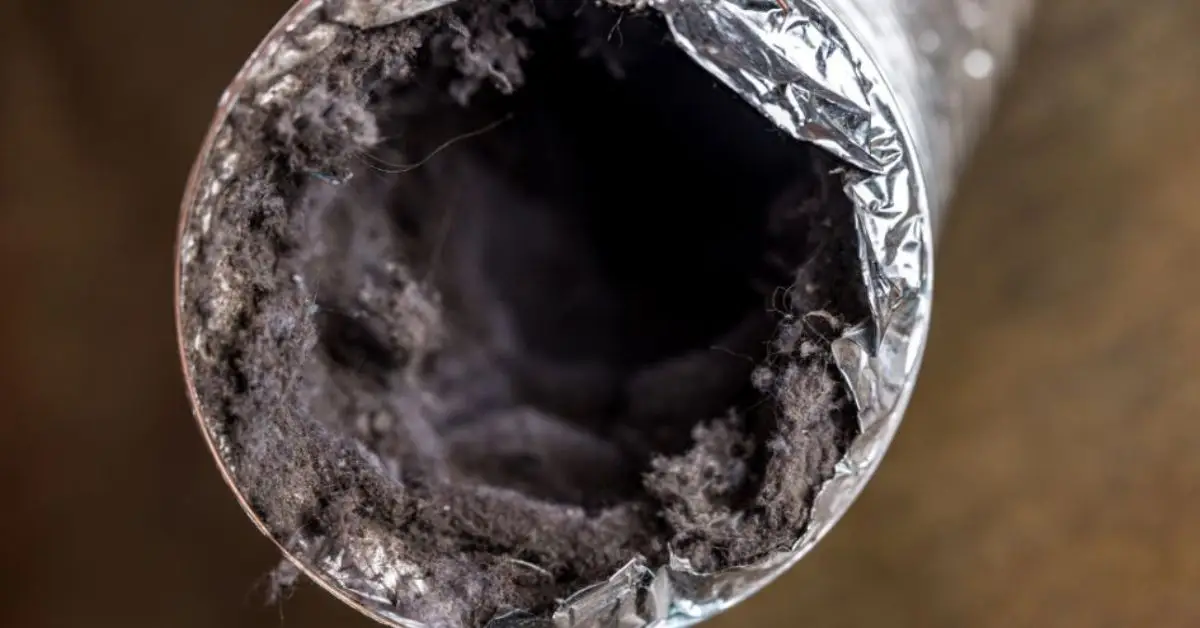
Even if you clean the lint trap, the vent line can still be the real danger zone.
I’ve seen this mistake more than almost any other: long, twisted vent paths or cheap flexible plastic ducts that trap lint deep inside. When hot air can’t exit efficiently, it backs up into the dryer.
Common vent-related issues include:
- Crushed or kinked vent hoses
- Plastic or foil ducts instead of rigid metal
- Vents that haven’t been cleaned in years
Proper venting isn’t about convenience—it’s about giving heat a safe exit. When that path is blocked, fire risk rises fast.
Electrical Failures and Component Issues
This one gets less attention, but it matters.
Dryers rely on heating elements, thermostats, and wiring that operate under high heat. When parts wear out or connections loosen, temperatures can spike beyond safe limits.
Typical electrical-related risks include:
- Overheating heating elements
- Faulty thermostats that fail to shut off
- Worn wiring from long-term stress
You don’t usually see these problems coming, which is why maintenance and warning signs matter so much.
Neglected Maintenance and Usage Mistakes
This is where human behavior plays a role—and I include myself here.
Small habits add up:
- Skipping lint trap cleaning after every load
- Overloading the dryer to “save time”
- Drying items with oil, foam, or rubber backing
Each of these increases heat retention and stress on the dryer. Alone, they might not cause a fire. Together, they often do.
Before we move on, let me ask you something honestly: which of these habits sounds familiar in your home right now?
Reality Check: How Many Dryer Fires Happen Each Year?
Dryer Fire Statistics You Should Know
I want to give it to you straight: dryer fires aren’t just rare “news headlines.” They happen more often than most homeowners realize, and the numbers are enough to make anyone rethink their laundry habits.
U.S. Home Fire Data
Here’s the hard truth:
- Tens of thousands of dryer fires occur in U.S. homes every year
- These fires result in multiple deaths and hundreds of injuries annually
- Most start small but escalate quickly when airflow is blocked
According to Dryer Duct Man, lint buildup and venting issues are involved in the majority of these incidents. Seeing these numbers really puts the risk in perspective—you can’t ignore it.
Cost & Seasonality
It’s not just lives that are at stake. Property damage can range from a few hundred dollars to tens of thousands. Insurance claims for dryer fires spike during the colder months, and colder weather put more stress on appliances, just as preparing your home for storms is crucial before winter hits 10 crucial steps to make your home storm-ready before the winter hits.
- People run dryers more often in winter
- Loads are bigger and heavier
- Venting can freeze or accumulate moisture, worsening airflow
Winter is peak danger season, so don’t let convenience override safety.
The #1 Mistake Homeowners Make
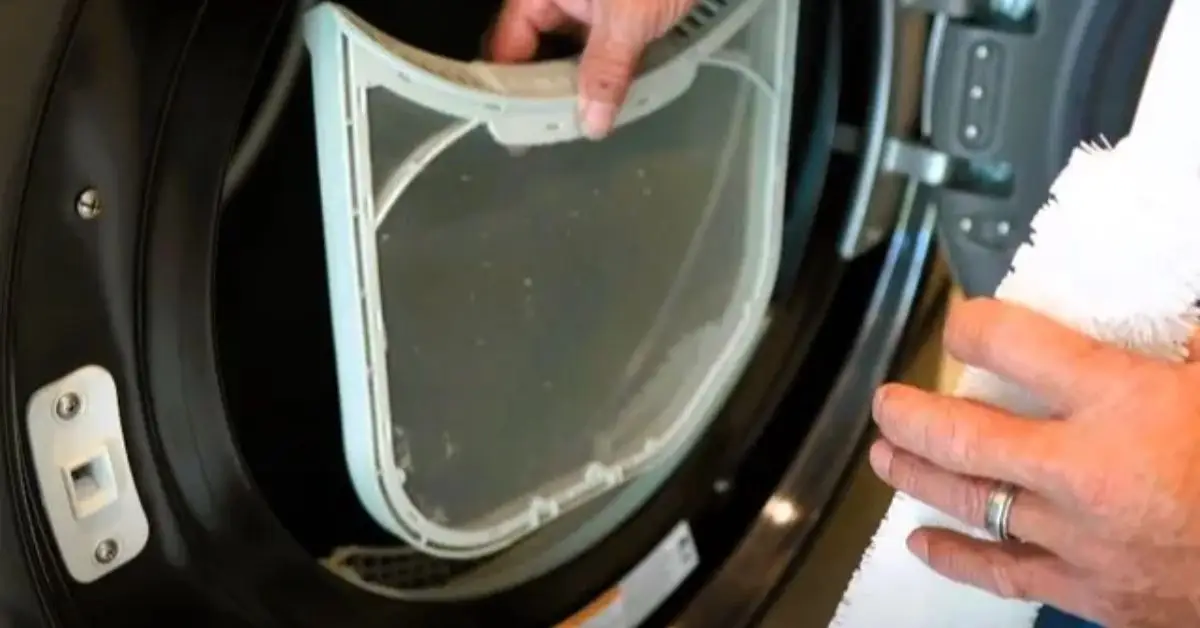
Why That One Mistake (Lint Filter Neglect) Is So Dangerous
If there’s one takeaway I want you to remember, it’s this: neglecting the lint filter is far more dangerous than most people think. It’s not just about a bit of fluff—this tiny oversight creates the perfect conditions for a fire.
The Science Behind Lint Ignition
When airflow is restricted, heat has nowhere to escape. Lint trapped in these hot pathways ignites easily, sometimes within minutes. You can see why investigators repeatedly flag this as the most common cause of dryer fires.
Experts from Dryer Vent Wizard explain that even small amounts of accumulated lint near the heating element can start a fire in seconds.
Common Misconceptions About Dryer Safety
I’ve spoken to many people who think, “I clean the lint trap, so I’m safe.” That’s where the problem lies. The lint trap is only the start:
- Vents and ductwork often remain clogged for years
- Deep lint buildup can go unnoticed until it’s too late
- Running the dryer unattended or overloading it multiplies the risk
Just as electricians warn about common mistakes during power outages that can put your home at risk 8 power outage mistakes electricians say could put your home at risk, running your dryer unattended or overloading it can create hidden hazards you might not notice until it’s too late.
Knowing this, you can see why cleaning only the trap isn’t enough—you need a complete safety routine.
Before we get into prevention, take a moment: how often do you inspect your vents beyond the lint trap? You might be closer to danger than you think.
Warning Signals Your Dryer Could Be a Fire Hazard
Early Signs the Dryer Is at Risk of Igniting
I want you to notice this: dryers often give subtle warnings before a fire ever starts. Paying attention can save your home and your life. Here’s what to look for.
Slow Drying Times
If your laundry takes longer than usual to dry, don’t ignore it. Slow drying is often the first sign of airflow blockage in your dryer or vent.
- Clothes feel damp even after a full cycle
- Dryer runs hotter and longer than normal
- Energy bills may spike without explanation
Burning Smells or Excess Heat
Have you ever noticed a faint burning odor or your dryer casing getting unusually hot? That’s a red flag.
- Smell of scorched fabric or lint
- Dryer exterior feels hotter than usual
- Cycle finishes but heat remains inside
These sensory signals mean the airflow is compromised, and heat is building up dangerously.
Visible Lint Around the Dryer Area
Lint isn’t just a minor nuisance. Seeing lint outside the trap—on the floor, behind the machine, or around vents—is a clear warning. Just like you wouldn’t place flammable items around a fireplace 10 things you should never put around your fireplace, you should keep the area around your dryer clear of lint, paper, and other combustible objects.
- Can indicate blocked vents or duct issues
- Often missed during routine cleaning
- Creates immediate fire risk if left unchecked
How to Prevent Dryer Fires Effectively
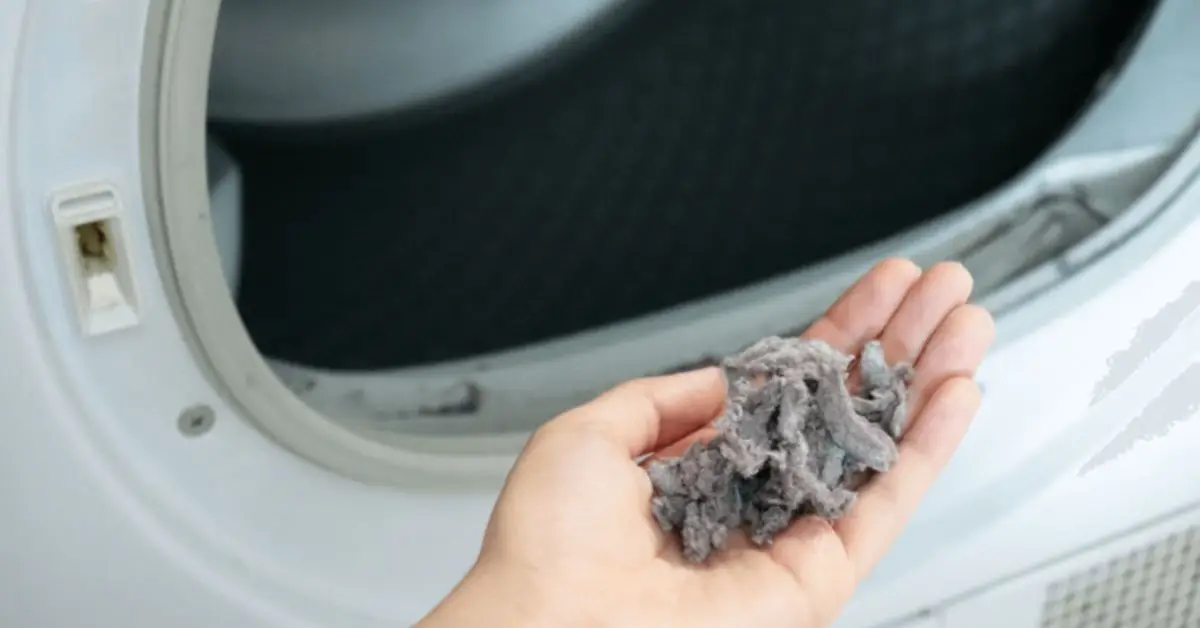
Once you know the warning signs, prevention becomes straightforward. I’ve seen too many people wait until it’s almost too late. These habits can dramatically reduce risk.
Clean After Every Load
This is the simplest and most critical habit you can adopt. Don’t just skim the lint trap—clean it thoroughly every single cycle.
- Prevents lint buildup inside the dryer
- Reduces overheating
- Supports safer, faster drying
Annual Deep Vent Cleaning
Even if you clean the lint trap regularly, vents can hide years of dangerous buildup. Cleaning them once a year—professionally or thoroughly DIY—keeps heat flowing safely.
- Removes hidden lint in vents and ducts
- Prevents airflow restrictions
- Supports overall dryer efficiency
Use Proper Dryer Installation
It’s easy to overlook, but installation matters:
- Avoid flexible plastic hoses; they trap lint easily
- Use rigid metal ducts for safer airflow
- Keep vent runs as straight as possible
Proper installation reduces the chances of hidden hotspots and fire hazards.
Safety Enhancements & Smart Practices
Finally, simple habits protect you even further:
- Never run the dryer unattended or overnight
- Install a smoke alarm near the laundry area
- Consider professional performance checks for older units
Following these steps turns your dryer from a hidden hazard into a safe, reliable appliance.
Before moving on, think about this: when was the last time you gave your vents a deep clean? If it’s been more than a year, it’s time.
The Dryer Safety Checklist Every Homeowner Should Follow

Here’s a simple, actionable checklist you can follow today. Think of it as your personal dryer fire prevention playbook—short, scannable, and easy to implement:
- Clean the lint trap after every load – don’t skip, even if it feels tedious.
- Inspect and vacuum vents regularly – remove hidden lint that the trap misses.
- Replace flexible ducts with rigid metal ducts – safer airflow and less fire risk.
- Check for overheating signs – unusual smells, heat, or slow drying.
- Schedule an annual professional inspection – a pro can catch hidden issues before they become dangerous.
What Your Home Insurance Says About Dryer Fire Claims
Understanding your insurance can save you major headaches. Dryer fires can cause thousands of dollars in property damage. Insurance claims for dryer-related fires are common, but coverage often depends on whether proper maintenance and safety precautions were followed.
- If vents were neglected or appliances misused, claims can be reduced.
- Keeping a documented checklist of maintenance habits can support your claim if the worst happens.
Knowing this adds another layer of motivation to stay proactive.
Fast Fixes & Cost-Effective Solutions
Prevention doesn’t have to be complicated or expensive. Here’s what you can do right now:
- Use lint brushes and vacuum attachments – reach areas the trap can’t.
- DIY vent cleaning – even once a year, clearing vents dramatically lowers fire risk.
- Consider professional help for tricky vent setups – it’s worth the peace of mind.
These small steps can save you thousands and keep your home safe.
I want to hear from you—have you checked your vents lately, or do you have a tip that keeps your dryer safe? Share your experience in the comments below.
For more practical home safety guides and maintenance tips, visit Build Like New and start protecting your home today.
Disclaimer: This article is for informational purposes only and is not a substitute for professional advice. Always follow manufacturer instructions and consult certified technicians for dryer maintenance or repairs. Build Like New is not responsible for any damage, injury, or loss resulting from the use of this information.