7 Americans Die Every Year From This One Christmas Tree Safety Mistake
Every December, I see the same thing happen.
Families bring home a Christmas tree, decorate it with love, plug in the lights—and then forget one small detail that turns a happy tradition into a real danger. Not a dramatic, movie-style danger. A quiet, very real one that has killed Americans in their own homes.
I’m not talking about rare freak accidents. Fire safety data shows this happens almost every year. And what’s frustrating is that it’s usually caused by a mistake so simple that most people don’t even think of it as a risk.
When I looked at how this story is being covered online, I noticed a pattern. Headlines scare you. Articles repeat the same warning. But very few actually explain why this mistake is deadly, how common it really is, and what separates a safe home from a dangerous one.
If you have a real Christmas tree—or you’re planning to get one—you should know exactly what this mistake is, how it leads to fires, and how to prevent it without ruining the holiday.
Let me walk you through it step by step. Before we do—do you know when your tree was last watered?
The Hidden Threat Most People Ignore: What’s Really Killing People Around Christmas Trees?
I want you to slow down for a moment.
When people hear about Christmas tree deaths, they imagine something dramatic—candles falling over, kids playing with fire, or a freak accident that “won’t happen to them.”
That’s not how it usually happens.
What actually puts people in danger is something painfully ordinary: a drying Christmas tree combined with everyday electrical use.
Most of us do the same thing every year. We bring the tree home, decorate it, plug in the lights, and move on. Once it looks good, it fades into the background of daily life.
That’s where the risk quietly builds.
According to data shared by the American Christmas Tree Association, Christmas tree fires in the U.S. still cause multiple deaths every year and hundreds of house fires. These aren’t rare, once-in-a-decade events. They happen almost every holiday season.
Here’s the common pattern behind most of them:
- The tree slowly loses moisture
- Lights stay on for long hours
- Wires heat up or weaken over time
- One small spark meets a bone-dry tree
If you’ve ever seen firefighters or regular people post videos online showing how fast a dry tree ignites, you know how brutal the reality is. There’s no warning phase. No time to react.
That’s why this danger catches people off guard. The tree looks harmless—right up until it isn’t.
The Single Most Dangerous Mistake: Letting Your Tree Dry Out
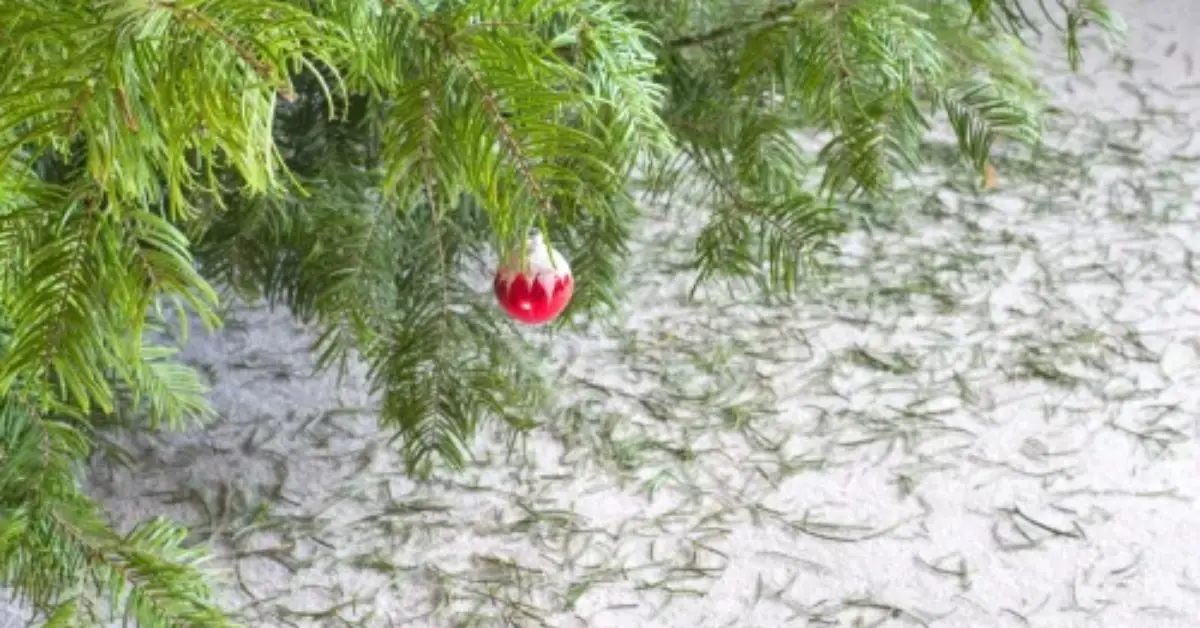
If I had to call out one mistake that turns a safe holiday setup into a serious fire risk, this is it.
Letting your Christmas tree dry out.
Not decorations.
Not ornaments.
Not even lights by themselves.
A dry tree is the fuel that makes everything else lethal.
How a Dry Tree Turns into a Fire Trap
Let me explain this in plain terms.
A fresh Christmas tree holds a lot of water. That moisture acts like a natural fire barrier. Even if there’s heat or a spark, ignition is slower and sometimes doesn’t happen at all.
As the days pass, that moisture disappears.
Once the tree dries out:
- Needles ignite extremely fast
- Fire shoots upward instead of spreading slowly
- Heat intensity spikes in seconds
Fire testing has repeatedly shown the difference. A watered tree might smolder. A dry tree can explode into flames almost instantly.
This is why firefighters don’t sugarcoat it. From their perspective, a dry Christmas tree is one of the fastest ways for a small electrical issue to become a full-blown house fire.
People online have proven this again and again. Side-by-side burn tests of watered versus dry trees go viral every year—not because they’re shocking, but because they’re real.
Real U.S. Fire Statistics (Why This Isn’t Just Hype)
I don’t believe in scare tactics, and I know you don’t either. So let’s stick to facts.
U.S. fire departments respond every year to:
- Hundreds of Christmas tree–related home fires
- Several deaths
- Dozens of injuries
- Millions of dollars in property damage
What matters most isn’t just the numbers—it’s the timing.
These fires are far more likely:
- Days or weeks after the tree is set up
- When watering becomes inconsistent
- When lights are left on unattended
- When people are asleep or out of the house
That’s why this isn’t media hype. It’s a predictable pattern.
I’m not saying Christmas trees are dangerous by default. I’m saying a neglected Christmas tree is. So before you scroll further, let me ask you something honestly:
Do you know when your tree was last watered today?
Other Overlooked Mistakes That Make Tree Fires More Likely
I’ve seen plenty of homes where the tree was watered and still became dangerous because of other small decisions people didn’t think twice about. These are the quieter risks that don’t make headlines, but they stack up fast.
If you really want to protect your home, you need to look beyond watering.
Faulty or Overloaded Lights & Electrical Issues
This is where things usually go wrong behind the scenes.
Most Christmas tree fires don’t start because someone did something reckless. They start because wires age, connections loosen, or circuits get overloaded without anyone noticing.
Common problems I see again and again:
- Old light strands used “one more year”
- Multiple extension cords chained together
- Too many decorations plugged into one outlet
- Frayed or pinched wires hidden behind the tree
If your outlets are buried behind furniture, boxes, or decorations, that clutter itself becomes a hidden fire risk — which is why we broke down the most dangerous areas in detail in these common home hot spots you should declutter first.
Electrical malfunctions are a major ignition source around Christmas trees, and safety professionals consistently warn about them. You can see similar guidance directly from the CPSC Holiday Safety Center, where the Consumer Product Safety Commission highlights the dangers of overloaded outlets and unsafe electrical connections during the holidays.
If you’re not sure whether your lights are safe, that uncertainty alone is a warning sign.
Tree Placement Near Heat Sources
This mistake feels harmless, but it quietly speeds everything up.
Placing a tree near:
- Space heaters
- Fireplaces
- Radiators
- Heating vents
doesn’t just add warmth — it actively dries the tree out faster, even if you’re watering it.
I’ve noticed that people often choose placement based on how the room looks, not how heat moves through it. But warmth rising and circulating around a tree accelerates moisture loss, turning a fresh tree into a dry one far sooner than expected.
Distance matters more than decoration here.
Candles, Open Flames, and Unattended Decorations
A lot of articles avoid this because it sounds obvious. But obvious doesn’t mean rare.
Every holiday season, people still:
- Light candles near trees “just for a bit”
- Leave lights on overnight
- Walk out of the house with decorations powered on
None of these feel dangerous in the moment. That’s why they’re risky.
Fire doesn’t need chaos — it needs opportunity. And unattended flames or heat sources create exactly that.
Poor Disposal Practices (After the Holidays)
Here’s something most people never think about.
The risk doesn’t end when the holiday does.
Once the season is over, dried-out trees often:
- Sit indoors for days or weeks
- Get moved into garages or hallways
- Remain near outlets or heat sources
At that stage, the tree is at its driest — and most flammable.
A neglected post-holiday tree can still spark a fire, especially if lights are tested, cords are tripped over, or wires are disturbed during cleanup.
A real safety plan doesn’t end on December 25th. It ends when the tree is properly removed.
Expert-Validated Safety Checklist You Can’t Ignore

I’m going to be blunt with you here: Safety isn’t about perfection. It’s about consistency with a few simple habits that actually work.
The advice below isn’t random or vague. It’s based on fire professionals’ guidance and practical observations shared by trusted consumer safety sources like Good Housekeeping’s Christmas tree fire safety guide — a resource that breaks down real risks and straightforward prevention steps.
Here’s your action list:
- Pick a truly fresh tree
- Gently bend a few needles — they shouldn’t snap off.
- Shake the tree lightly — a fresh tree drops very few needles.
- The base of the trunk should feel moist, not dry.
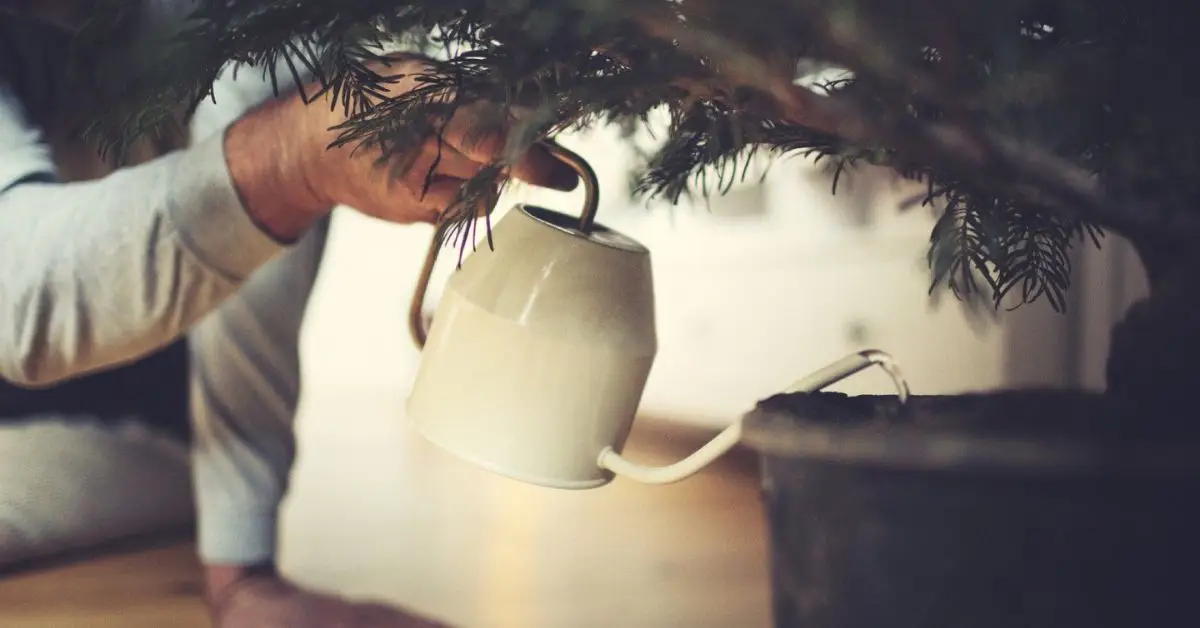
- Trim and water daily
- Cut about half an inch off the base before placing it in the stand.
- Fill the water reservoir immediately and check it every day.
- A thirsty tree dries out fast — don’t let it get that far.
- Check every set of lights
- Toss lights with broken bulbs, cracked wires, or loose sockets.
- Use only indoor-rated lights for your tree.
- Don’t daisy-chain multiple strands into a single outlet.
- Keep distance from heat
- Give heaters, fireplaces, vents, and radiators at least 3 feet of space.
- Heat dries trees out much faster than you think.
- Turn lights off when you’re not watching
- Before sleeping.
- Before leaving the house.
- If you’re focused on anything else, turn them off.
This matters even more during get-togethers, because hosting chaos makes it easy to forget safety basics — something we’ve also covered when talking about whether you should clean floors before or after a party and how distractions lead to skipped precautions.
- Don’t delay disposal
- Once a tree stops drinking water and needles fall off easily, it’s time to take it down.
- A dried tree is essentially kindling — especially with lights or wiring nearby.
This checklist isn’t long because the safest homes follow a few simple, repeatable habits — every day — not just once.
Quick Safety Myths vs. Facts
There’s a lot of “common wisdom” out there that sounds comforting but doesn’t hold up under scrutiny. Let’s fix that.
Myth: “All live trees are dangerous.”
Fact: A well-watered, fresh live tree is significantly less of a fire risk than a dry one.
Myth: “I only need to turn the lights off before bed.”
Fact: Lights should be off whenever the tree isn’t actively supervised — even if you’re just in another room.
Myth: “Colored lights don’t get hot, so they’re always safe.”
Fact: Even lights that don’t feel hot can still fail at connections, overheat wiring, or overload circuits.
Myth: “If nothing bad has happened yet, I’m fine.”
Fact: Most Christmas tree fires happen after weeks of drying, not right after setup.
This isn’t about fear. It’s about clarity.
And here’s a good litmus test: If you stop watering your tree for just a few days, you’ll probably notice needles falling faster than you expected. That’s your cue to act — not wait for a warning sign you can’t ignore.
Which one of these myths did you believe before today? Reply with one — that’s the best place to start making your setup safer.
Final Safety Boosters (Little-Known Tips Most People Skip)
This is the part most articles never tell you.
Not because it’s complicated—but because it requires paying attention to small warning signs most people brush off. In my experience, these small signals show up before something goes wrong.
Red-Flag Signs in Lights & Outlets You Should Never Ignore
Lights and outlets usually give warnings before they fail. The problem is, most of us ignore them because “everything still works.”
Here are signs that should stop you immediately:
- A burning or plastic smell near the tree
- Flickering lights that weren’t flickering before
- Warm outlets or extension cords
- Lights that dim when other appliances turn on
- Crackling or buzzing sounds from plugs
One reason these warning signs get ignored is that people mistake electrical smells for everyday household odors — which is why being mindful about how your home normally smells, like we explain in these simple add-ins that keep floors smelling fresh, actually helps you notice when something is wrong.
The Two Safety Tools That Buy You Time
I want to be clear here. No tip replaces these two basics:
- Working smoke alarms
- Test them during the holiday season, not just once a year
- Make sure at least one is near the living area where the tree is
- An accessible fire extinguisher
- Not buried in a cabinet
- Not locked away in the garage
- Somewhere you can reach in seconds
These tools don’t prevent fires—but they give you time. And time is what saves lives.
Final Word
If even one tip here made you stop and think, tell me in the comments. Which safety detail do you think most people ignore during the holidays?
And if you found this useful, you’ll like the kind of practical, no-nonsense home safety content we publish on Build Like New. We focus on helping you protect and improve your home without scare tactics—just real guidance that works.
Drop your thoughts below, and if you want more guides like this, you know where to find us.
Disclaimer: This article is for general safety awareness only. It does not replace advice from fire safety professionals, electricians, or local authorities. Always follow local fire codes and manufacturer instructions for your specific tree, lights, and electrical setup.