12 Practical Household Uses for Plastic Grocery Bags You’ll Actually Try
Every time I unpack groceries, those plastic bags pile up under the sink. I used to feel guilty tossing them, but I also didn’t want clutter taking over my kitchen. If you’re anything like me, you’ve wondered whether reusing plastic grocery bags at home actually makes a difference—or if it’s just wishful thinking.
When I looked at what most articles say, I noticed a pattern. They repeat the same obvious ideas, skip safety details, and rarely explain what really works in daily life. Some even ignore when reusing a bag is a bad idea. That gap matters, because you and I want solutions that are practical, safe, and worth the effort—not just tips that sound good on paper.
In this guide, I’m focusing on plastic grocery bag uses at home that people actually rely on. These are simple, tested ways to save money, reduce waste, and make everyday life easier without buying more stuff. No lectures. No overthinking. Just real uses you can start today.
Before we dive in, I want to know—how many plastic grocery bags are sitting in your home right now, and what do you usually do with them?
Why Reusing Plastic Grocery Bags at Home Is Smarter Than Throwing Them Away
I used to see plastic grocery bags as a one-time thing. Once groceries were unpacked, the bag either went into a messy pile or straight into the trash. But when I slowed down and looked at my daily routine, it clicked—throwing them away made no practical sense.
When you reuse plastic grocery bags at home, you’re not trying to “save the planet overnight.” You’re simply making life easier and cheaper with something you already have.
Think about it from a real-life angle:
- You cut small but constant expenses: Trash liners, pet waste bags, storage pouches—most of these can be replaced by bags you already own. I realized I was paying for convenience while throwing the same convenience away.
- You reduce waste without extra effort: Reuse doesn’t require new habits or products. You’re just extending the life of an item before it becomes trash.
- You gain everyday convenience: Plastic grocery bags are light, flexible, and surprisingly useful for quick cleanups, small bins, and messy situations.
- You slow down plastic waste at the source: According to the U.S. Environmental Protection Agency, extending the use of plastic products helps reduce overall waste and landfill burden, which is far more effective than single-use disposal.
Most people think reuse has to feel restrictive or guilt-driven. It doesn’t. The smartest reuse habits are the ones that fit naturally into your routine—no pressure, no perfection.
If a plastic grocery bag can solve a small problem at home before you throw it away, why wouldn’t you let it do that job?
Let me ask you—what’s the most common reason you throw plastic grocery bags away right now?
12 Surprisingly Useful Plastic Grocery Bag Uses at Home
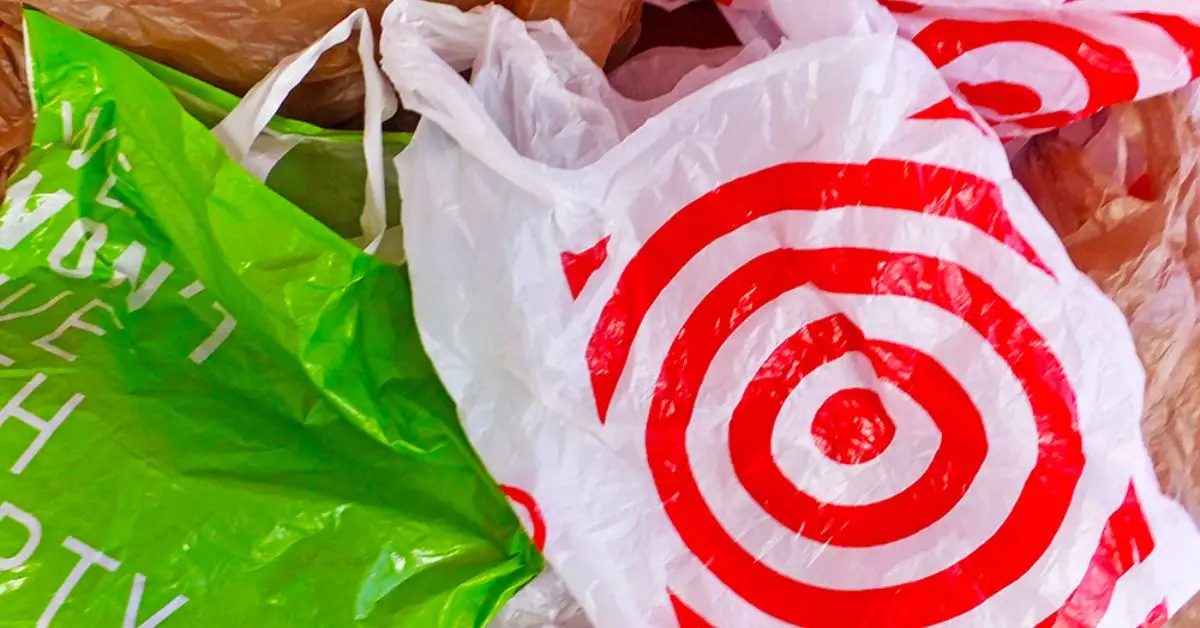
This is the heart of the article. I’m not sharing ideas that sound clever but never get used. Every use below is something I’ve seen people actually do at home—because it’s easy, practical, and repeatable. You don’t need special tools or extra effort. You just need to stop throwing the bag away too soon.
Use #1: Line Small Trash Bins (Bathroom, Bedroom, Home Office)
This is the most obvious use—and for a reason.
Small trash cans don’t need expensive liners. A grocery bag fits perfectly and gets the job done without leaks in low-waste areas.
Why this works: You save money, reduce waste, and use the bag exactly where it makes sense.
Use #2: Handle Pet Waste and Litter Cleanup
If you have a dog or a cat, you already know this pain point. Pet waste needs quick, secure disposal.
Why this works: Plastic grocery bags are strong enough for short-term use and keep odors contained. Pet owners use this daily, yet most articles barely highlight it.
Use #3: Create a Car Trash Bag for Daily Commutes
Receipts, coffee cups, snack wrappers—it all adds up fast.
Why this works: Keep one bag tied behind the seat or in the console. When it’s full, toss it and replace it. Simple, clean, and stress-free.
Use #4: Pack Wet, Dirty, or Smelly Clothes
Gym clothes, muddy kids’ outfits, or travel laundry can ruin everything else in your bag.
Why this works: Plastic bags keep moisture and odor locked in until you can wash the clothes. No extra laundry bags needed.
Use #5: Organize Small Household Items
Cables, chargers, seasonal decor, kids’ toys—these things get lost easily. Plastic grocery bags help keep things grouped, and when you pair them with a few simple zip tie tricks, organizing small household items becomes even easier and more durable.
Why this works: Clear or semi-clear bags let you see what’s inside and keep items grouped without buying organizers.
Use #6: Collect and Contain Kitchen Food Scraps
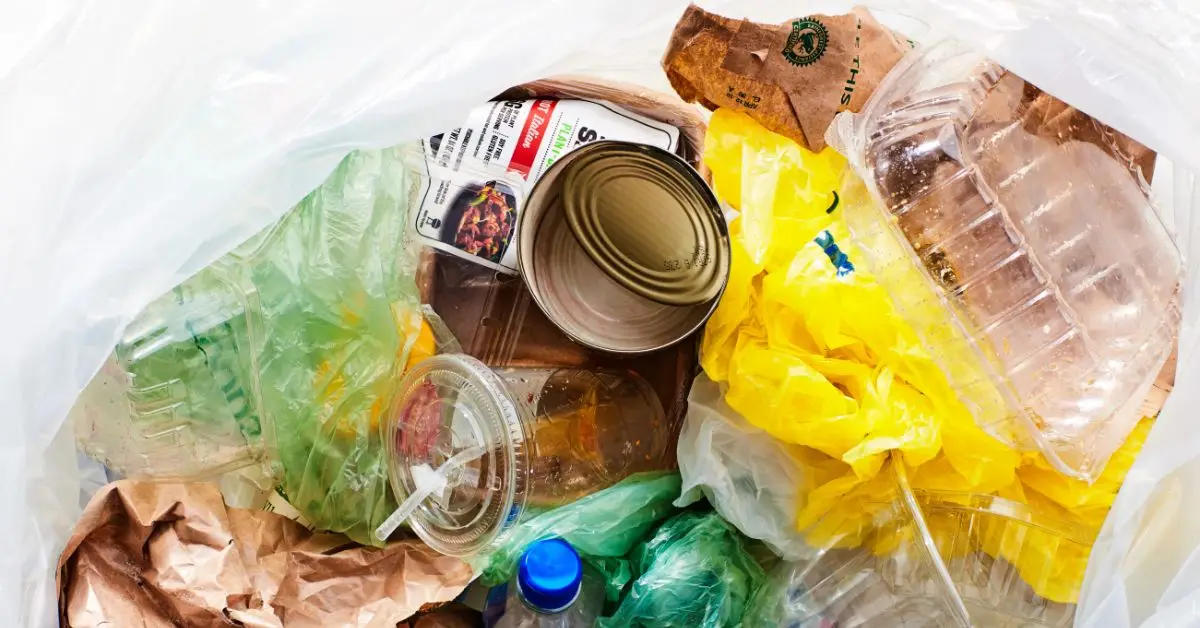
Food scraps can get messy fast, especially if you don’t take trash out daily. Once I started reusing plastic grocery bags in the kitchen, it also made me rethink how many everyday items we throw away too quickly—there are actually several common kitchen items you shouldn’t trash so fast if you know smarter reuse ideas.
Why this works: Using a bag just for scraps helps control leaks and smells before trash day.
Use #7: Use as Paint Tray Liners or DIY Project Covers
Painting and small DIY jobs are messy by default.
Why this works: Line a tray or cover surfaces with a bag. When you’re done, cleanup takes seconds instead of minutes.
Use #8: Make a Quick Cleaning Scrubber for Tough Jobs
This one surprises people. Reusing plastic grocery bags for cleaning also made me realize that some routines we follow out of habit actually do more harm than good, and letting go of a few old cleaning habits can improve hygiene more than buying new products.
Why this works: Crumpled plastic bags add texture that helps scrub grime from grills, tubs, or outdoor furniture—without damaging surfaces.
Use #9: Emergency Rain, Shoe, or Bag Cover
Sudden rain happens. And it’s always when you’re unprepared.
Why this works: A plastic bag can protect shoes, backpacks, or electronics in seconds. It’s not stylish—but it’s effective.
Use #10: Carry Wet Swimwear or Beach Items
Wet swimsuits can soak everything else.
Why this works: Toss wet items into a bag to keep the rest of your stuff dry until you get home.
Use #11: Turn Plastic Bags into Plastic Yarn (Plarn)
If you like simple DIY projects, this is a smart long-term reuse option.
Why this works: Plastic bags can be cut and looped into “plarn,” which people use to make mats, baskets, and even reusable bags. The step-by-step method is well documented on Instructables.
Use #12: Make DIY Reusable Totes, Mats, or Storage Baskets
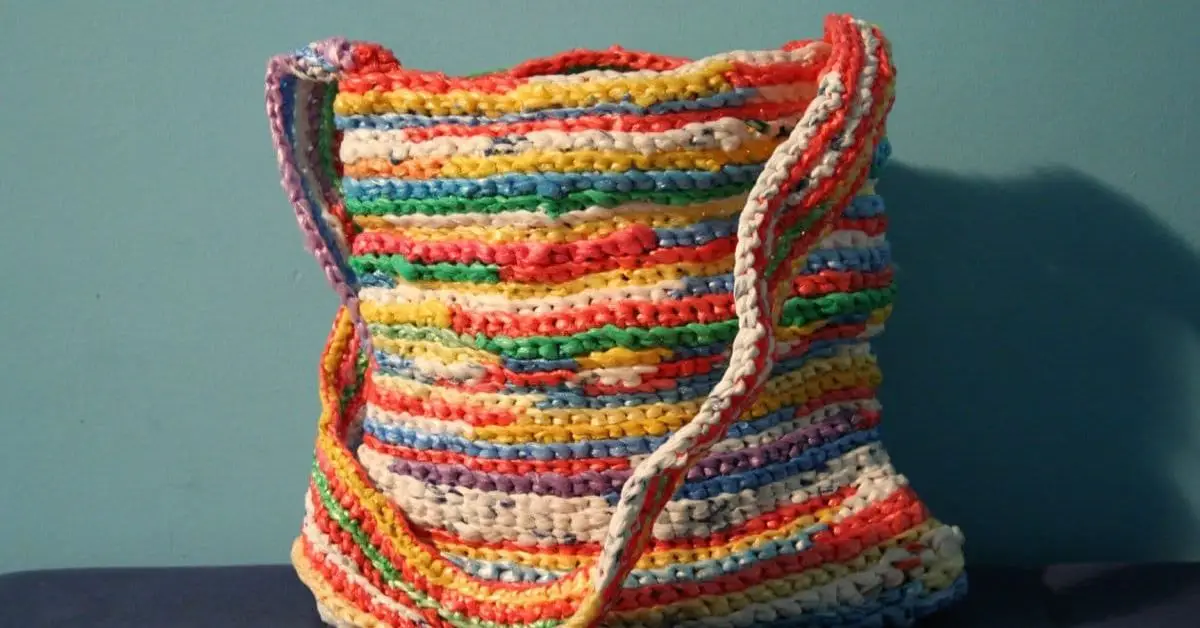
This is where single-use truly turns into multi-use.
Why this works: Instead of recycling or trashing bags, you convert them into something durable that replaces future plastic use.
All 12 of these uses come down to one idea: use the bag until it no longer solves a problem. That’s where real reuse begins—not with perfection, but with practicality.
Which of these are you already doing, and which one are you most likely to try next?
Safety and Hygiene Rules Most People Ignore
This is the part most articles skip—and honestly, that’s risky. I’ve seen people reuse every plastic grocery bag without thinking about what was inside it before. Reuse is smart, but only when you do it safely.
Here’s what you and I should actually watch out for:
- Avoid reusing bags that carried raw meat or fish: These bags can hold bacteria that doesn’t wash away easily. Even if they look clean, they’re not worth the risk.
- Know when to clean vs. when to discard: If a bag held dry items or packaged food, a quick rinse and air-dry can make it reusable.
If it held leaks, grease, or raw juices, it’s better to let it go. - Store bags away from kids and pets: Loose plastic bags can be a suffocation risk. Keep them folded, tied, or stored out of reach.
Food safety experts regularly warn against reusing contaminated bags, especially for food-related purposes. Southern Living explains why bags used for raw groceries shouldn’t be reused and where hygiene lines should be drawn.
Smart reuse isn’t about using every bag forever. It’s about knowing when reuse makes sense—and when it doesn’t.
What to Do When Plastic Grocery Bags Are No Longer Reusable
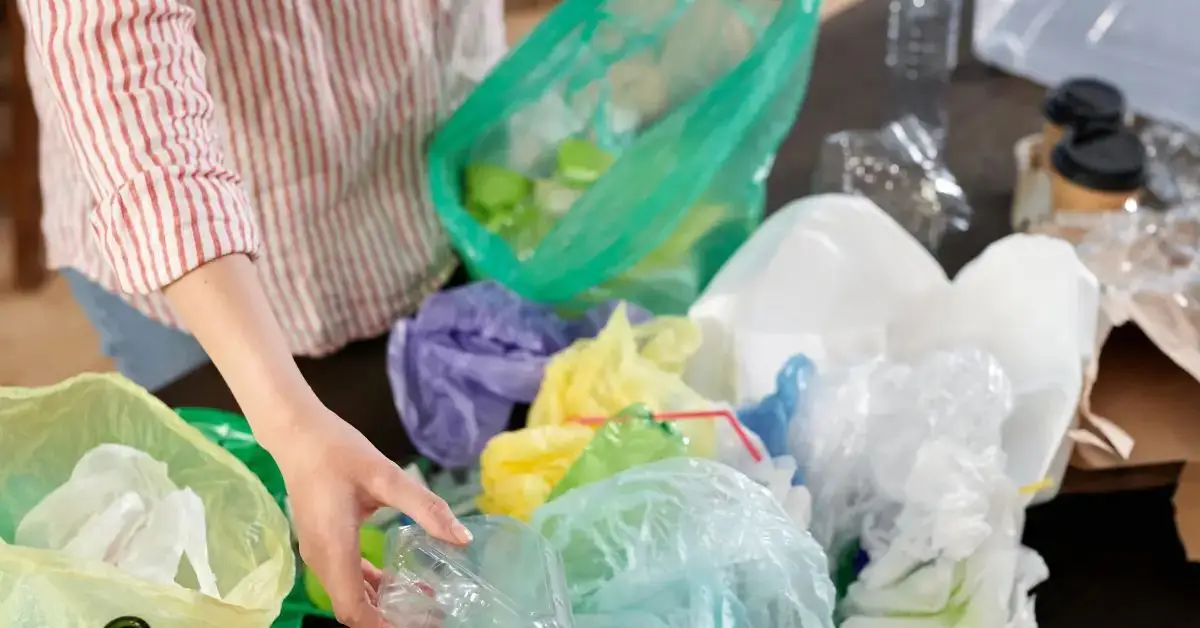
At some point, every bag reaches its limit. Handles stretch, plastic tears, or hygiene becomes questionable. That’s not failure—that’s just the end of its useful life.
When that happens, you still have options:
- Use store drop-off recycling bins: Many grocery stores accept clean, dry plastic bags for proper recycling.
- Tie them securely before disposal: If recycling isn’t available, make sure torn or dirty bags are sealed so they don’t scatter.
The goal is simple: don’t toss bags prematurely, but don’t force reuse either. Knowing when to stop is part of responsible use.
Small Habits That Help Reduce Plastic Waste at Home
You don’t need drastic lifestyle changes to reduce plastic waste. I’ve learned that small habits matter more because they actually stick.
Here are a few that work without feeling forced:
- Reuse a bag at least once before throwing it away
- Keep a small, organized stash instead of a messy pile
- Match the bag to the task—light waste for light jobs
- Let go of bags that are unsafe or worn out
When reuse feels easy, you’re more likely to keep doing it. And when you and I make these small choices consistently, waste reduction becomes a side effect—not a chore.
Let me ask you this—do you usually reuse plastic grocery bags until they wear out, or do you throw them away earlier than you need to?
Wrapping It All Up: Smart Reuse Starts With Small Choices
If there’s one thing I want you to take away from this, it’s this: reusing plastic grocery bags at home isn’t about doing everything right—it’s about doing small things better. You don’t need perfect habits or extra products. You just need to pause before throwing something away and ask, can this still be useful?
I’ve seen how simple reuse can save money, reduce clutter, and quietly cut down waste without adding stress. When you reuse bags for trash, storage, travel, or quick cleanups, you’re not following a trend—you’re solving real problems with what you already have.
Now I’d love to hear from you. Which plastic grocery bag use surprised you the most—or which one are you already doing at home? Drop your thoughts in the comments and let’s learn from each other.
And if you want more smart, practical home ideas that actually work, explore more guides on Build Like New. We’re here to help you make everyday living simpler, not complicated.
Disclaimer: The ideas shared in this article are for general household use only. Always prioritize safety and hygiene when reusing plastic grocery bags, especially around food, children, and pets. Use your own judgment and discard any bag that appears unsafe, damaged, or unhygienic.