Are Your Cleaning Habits Making You Sick? Avoid These 7 Errors
I used to think cleaning was all about elbow grease and a little elbow room. But the truth? Some of the habits I thought were helping me stay healthy were actually doing the opposite. I’m talking about the tiny, almost invisible mistakes we make every day—like using a sponge one too many times or skipping the doorknob when wiping down surfaces.
These little oversights can leave germs, bacteria, and allergens lurking right where you live. In this article, I’m going to walk you through the seven most common cleaning mistakes that could be making you sick—and, more importantly, how you can fix them without turning your home into a biohazard.
Mistake 1: Using the Wrong Tools—or Not Cleaning Them at All
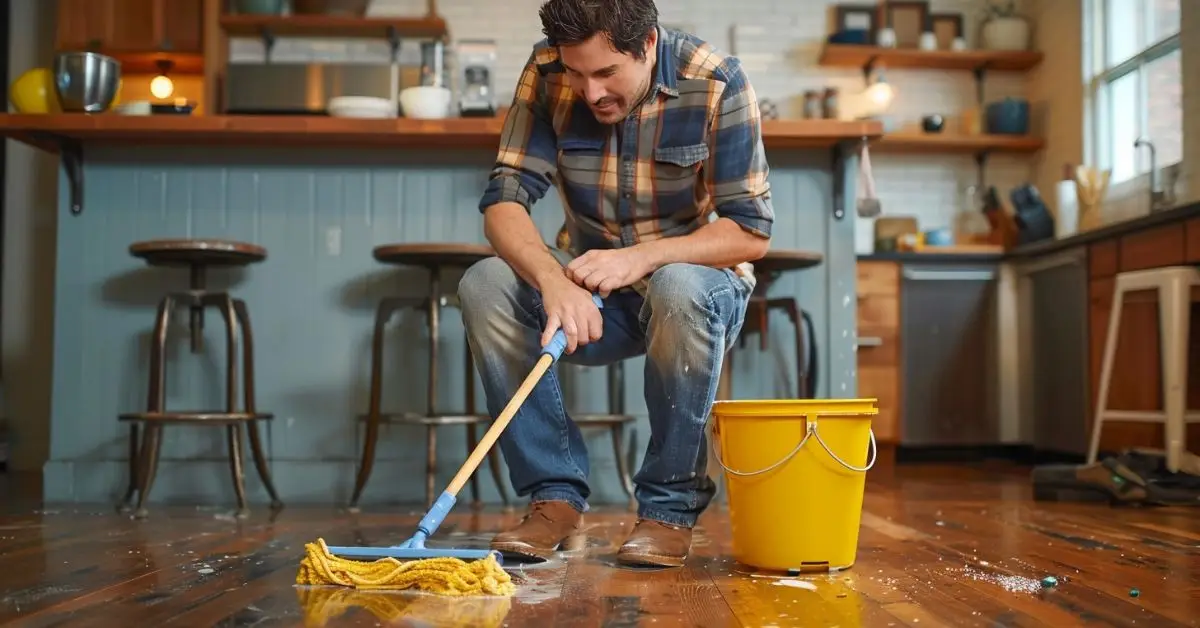
I’ll be honest—this is the mistake I see in almost every home, and yes, I’ve been guilty of it too. We focus so much on what we’re cleaning that we completely forget what we’re cleaning with. And that’s where things quietly go wrong.
Sponges, dishcloths, mop heads, and even vacuum cleaners don’t just collect dirt—they collect bacteria. According to experts at Consumer Reports, kitchen sponges are one of the biggest offenders. When they stay damp and get reused for days or weeks, they become a perfect breeding ground for germs.
So even though it feels like you’re cleaning, you may actually be spreading bacteria from the sink to the counter, from the counter to the table, and from one room to another.
Here’s how this mistake usually shows up in real life:
- Using the same sponge for dishes, counters, and quick wipe-ups
- Leaving damp cloths in the sink overnight
- Mopping floors with a mop head that hasn’t been washed in weeks
- Vacuuming without ever checking or cleaning the filter
What I suggest instead—simple fixes that actually work:
- Replace kitchen sponges every 1–2 weeks, sooner if they smell or feel slimy
- Wash dishcloths daily in hot water and let them fully dry
- Rinse and air-dry mop heads after every use; wash them weekly
- Clean or replace vacuum filters so dust and allergens don’t blow back into your home
If you take nothing else from here, remember this: dirty tools cancel out clean surfaces. If this part felt familiar, you might want to look at these cleaning mistakes that are actually making your home dirtier—some of them seem minor but undo all your hard work.
Mistake 2: Skipping Disinfecting High-Touch Surfaces
This is where most people feel frustrated. You clean regularly, yet someone in the house still gets sick. I’ve seen this pattern again and again, and the reason is usually hiding in plain sight.
We clean what looks dirty. Germs live where hands go.
High-touch surfaces get handled all day long and are often skipped or wiped too quickly. Things like:
- Light switches
- Doorknobs
- Fridge handles
- Remote controls and phones
You might wipe them down, but wiping isn’t the same as disinfecting. Germs don’t die on contact unless the product is given time to work. If you spray and immediately wipe, most disinfectants never get the chance to kill anything.
Here’s how you can fix this without making cleaning more exhausting:
- Use a proper disinfectant on high-touch areas
- Read the label and follow the recommended “sit time”
- Let the surface stay wet for a few minutes before wiping
- Add these spots to your weekly routine instead of treating them as extras
The uncomfortable truth is this: some of the cleanest-looking surfaces in your home can carry more germs than the ones you scrub the hardest.
Now be honest with yourself—when was the last time you disinfected your light switches or TV remote?
Mistake 3: Cleaning Without Proper Ventilation
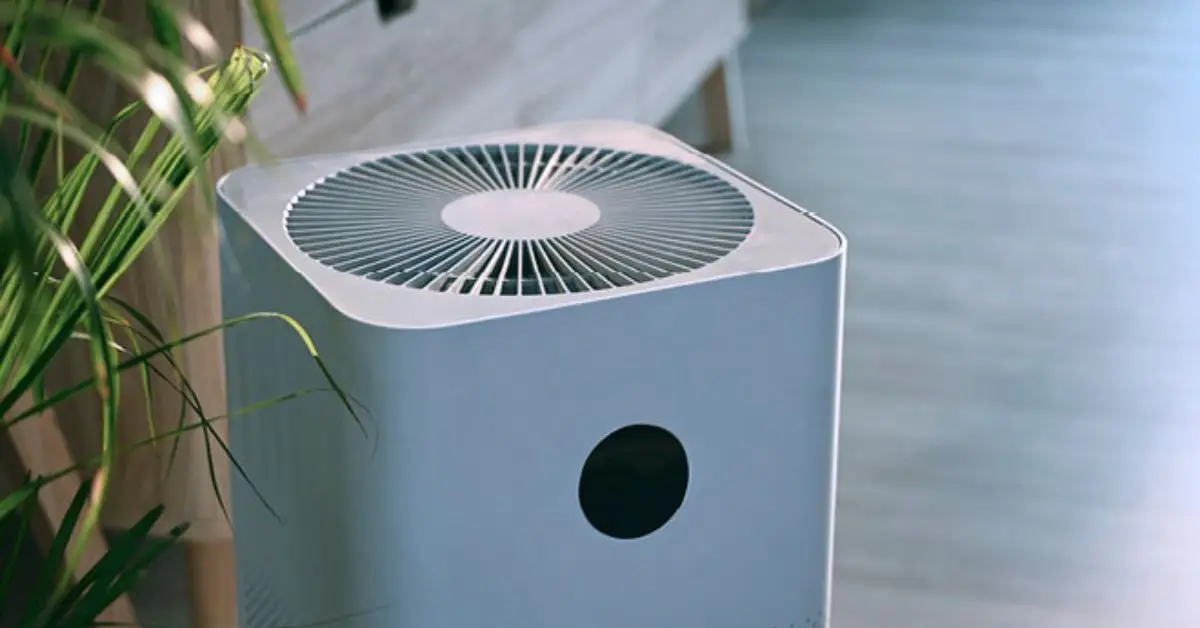
This one is sneaky because it doesn’t feel dangerous in the moment. You spray, scrub, and move on. But if you’ve ever felt dizzy, nauseous, or had a headache while cleaning, poor ventilation was likely part of the problem.
When you clean in a closed space, fumes from strong cleaners stay trapped in the air. On top of that, sweeping and dry dusting kick up fine particles—dust, allergens, even mold spores—that you end up breathing in. According to guidance shared by Tom’s Guide, this buildup of fumes and airborne dust can make people feel sick fast, especially in bathrooms, kitchens, or small rooms.
I’ve noticed most people don’t connect the symptoms to cleaning itself. They just push through it.
Here’s what actually helps:
- Open windows whenever you’re using sprays or disinfectants
- Turn on exhaust fans in bathrooms and kitchens
- Take short breaks if you’re cleaning for a long stretch
- Switch to lower-VOC or fragrance-free products when possible
You don’t need industrial-strength chemicals to have a clean home. Fresh air does more than most people realize.
Mistake 4: Mixing or Overusing Cleaning Chemicals
This is where cleaning mistakes cross into real safety risks. And I want to be very clear here—mixing cleaning products is not just a “bad idea,” it can be dangerous.
A lot of people assume that combining products makes them stronger. In reality, mixing common cleaners like bleach with ammonia or vinegar can release toxic gases that irritate your lungs, eyes, and throat almost instantly. Even when products aren’t mixed, using too much of one cleaner can leave chemical residue behind.
That residue doesn’t make your home cleaner. It actually:
- Attracts more dirt and dust
- Lingers on surfaces you touch every day
- Triggers headaches, skin irritation, or breathing issues
Here’s how I recommend handling this safely:
- Use only one cleaning product at a time
- Never mix cleaners, even if both seem “mild”
- Follow the dilution instructions on the label
- More product does not mean better results—use the amount recommended
If there’s one mindset shift to make here, it’s this: cleaning is chemistry, not guesswork. This is just one example of how outdated routines stick around—there are several old cleaning habits you should stop now if you want a healthier home.
Let me ask you something—have you ever mixed cleaners or poured extra product thinking it would work faster?
Mistake 5: Ignoring Moisture and Mold-Prone Areas
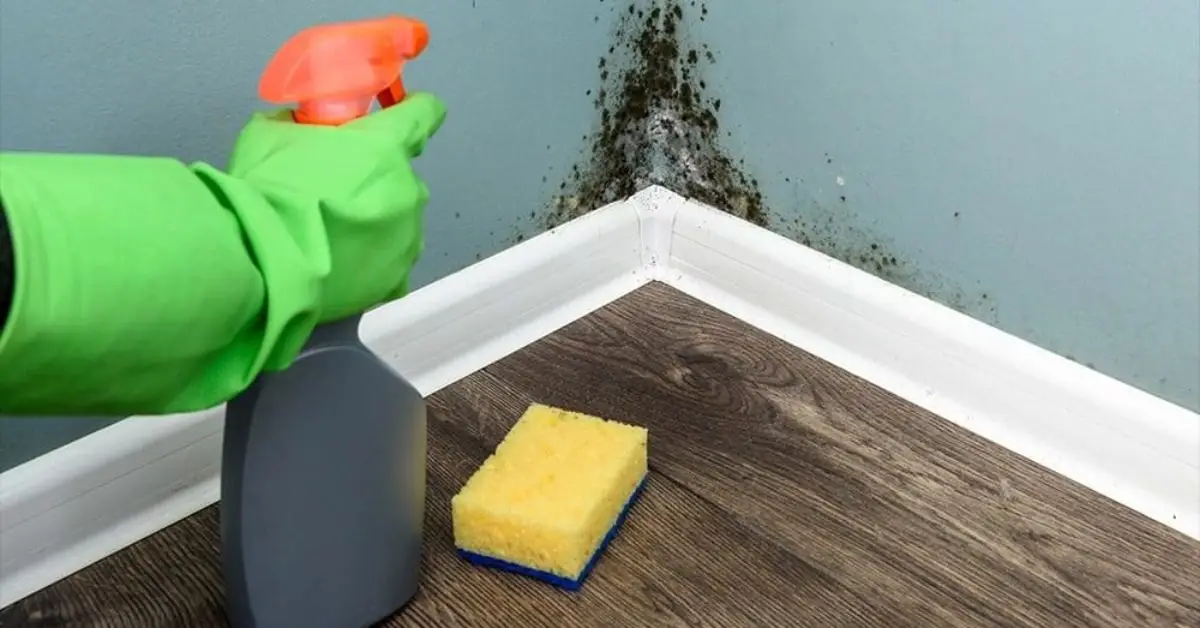
This is one of those mistakes that builds slowly, then hits hard. You don’t see mold right away, so it feels harmless. But damp spaces—especially bathrooms and kitchens—create the perfect environment for mold and bacteria to grow. And once mold spores are in the air, they don’t stay put.
If you or someone in your home deals with allergies, asthma, sinus issues, or unexplained coughing, moisture is often the hidden trigger. I’ve seen homes that looked spotless but still made people feel unwell because moisture was never addressed.
Common problem zones I always check first:
- Shower walls and curtains
- Bathroom floors after hot showers
- Kitchen sinks and dish-drying areas
- Towels left damp for hours
What actually works in real life:
- Wipe down wet surfaces right after use
- Run the bathroom exhaust fan during and after showers
- Wash shower curtains and bath mats regularly
- Let towels dry fully—don’t stack or hang them damp
- Use a dehumidifier if rooms stay humid
Clean doesn’t matter much if things stay wet. Drying is part of cleaning, whether we like it or not.
Mistake 6: Forgetting the “B” List—The Places No One Thinks About
This is where most cleaning guides stop short. Everyone talks about counters and toilets. Very few talk about the quiet problem spots—the ones that don’t look dirty but quietly collect bacteria, dust, and allergens over time.
I call these the “B list” areas. They don’t scream for attention, but they can affect your health just as much.
Here are a few that get overlooked constantly:
- Refrigerator door seals that trap food residue
- Faucet aerators where moisture and bacteria sit
- Welcome mats that collect germs from outside
- HVAC filters that circulate dust through the house
- Blinds that hold onto allergens for months
Lifestyle and home experts at Real Simple point out that these rarely cleaned areas can quietly contribute to allergy symptoms and general irritation.
Easy fixes that don’t add much work:
- Scrub fridge seals once a week
- Remove and rinse faucet aerators monthly
- Shake out or wash welcome mats regularly
- Replace HVAC filters on schedule
- Vacuum blinds and mattresses with a HEPA filter
Once you start cleaning these spots, people often tell me they notice fewer allergy flare-ups. That’s not a coincidence.
Mistake 7: Dusting the Wrong Way
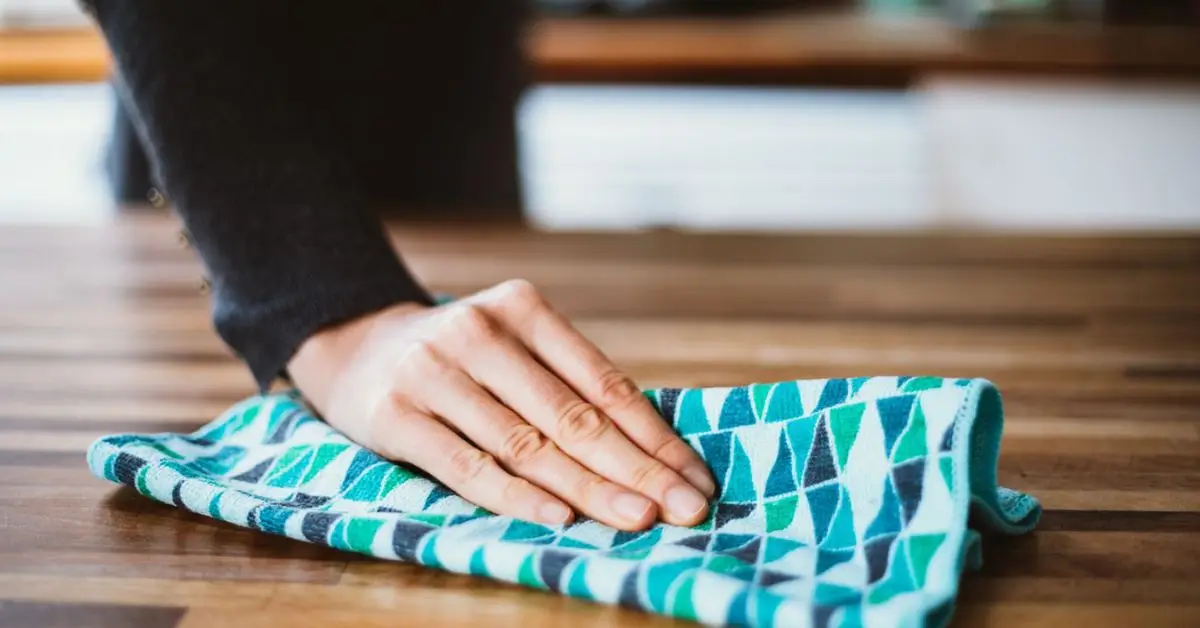
If you’ve ever felt stuffy, itchy, or had a headache after a deep clean, this might be why. Dry dusting feels productive, but it’s one of the fastest ways to throw allergens into the air.
When you use a dry cloth or feather duster, dust doesn’t disappear—it floats. And you end up breathing it in before it ever settles again. For people sensitive to dust, pollen, or pet dander, this can make cleaning feel worse than not cleaning at all.
Here’s how I approach dusting so it actually helps:
- Use slightly damp microfiber cloths to trap dust
- Avoid dry sweeping or dry dusters
- Dust surfaces before vacuuming, not after
- Use a vacuum with proper filtration so particles stay trapped
Cleaning shouldn’t leave you feeling drained or sick. If it does, the method—not the effort—is usually the problem.
Let me ask you this: which of these “hidden” mistakes do you think is most likely happening in your home right now?
When Professional Cleaning Actually Makes Sense
I’m a big believer in doing things yourself—but I’m also realistic. There are situations where regular home cleaning just isn’t enough, no matter how careful you are. Knowing when to bring in professionals isn’t about spending more money; it’s about fixing problems that can quietly affect your health long-term.
Here’s when I usually recommend calling in professional cleaners:
- Visible or recurring mold, especially on walls, ceilings, or inside vents
- Persistent musty smells that don’t go away after deep cleaning
- HVAC ducts that haven’t been cleaned in years and circulate dust constantly
- Post-renovation or water damage where debris and moisture are hard to reach
The real return on investment isn’t just a cleaner home—it’s fewer allergy flare-ups, better indoor air quality, and not having to re-clean the same problem areas again and again. In many cases, one professional deep clean can solve issues you’ve been fighting for months.
Final Thoughts
If there’s one thing I hope you take away from this, it’s this: cleaning isn’t just about how often you do it—it’s about how you do it. Small habits, repeated every week, can either protect your health or quietly work against it.
I’ve shared these mistakes because they’re common, easy to overlook, and completely fixable once you’re aware of them. You don’t need perfection. You just need better habits and a little more intention. If you want to turn that intention into action, I’ve shared a few cleaning resolutions that can make your home feel instantly better—simple habits, no overwhelm.
I’d love to hear from you—which cleaning mistake surprised you the most, or which one do you think you’ve been making without realizing it? Drop your thoughts in the comments and let’s talk.
And if you’re looking for practical home improvement, cleaning, and maintenance guidance that actually works in real life, visit Build Like New. That’s where I share step-by-step advice to help you keep your home healthier, safer, and truly livable.
Disclaimer: This article is for general informational purposes only. It is not intended to replace professional medical, safety, or environmental advice. Always follow product labels and safety guidelines, and consult a qualified professional for serious health concerns, mold issues, or hazardous exposure.