5 Bathroom Cleaning Mistakes Almost Everyone Makes Without Realizing
I’ll be honest—I used to think my bathroom was spotless. I cleaned it often, used the “right” products, and never let things look dirty. But over the years, while working with real cleaning experts and digging into hygiene research, I realized something uncomfortable: looking clean and being truly clean are not the same thing.
If you’re someone who actually cares about cleanliness, this article is for you. Not for people who never clean—but for people who do, and still miss things without realizing it. Most bathroom cleaning advice online repeats the same obvious tips. What it doesn’t talk about enough are the small habits and blind spots that quietly undo all your effort.
I’ve seen this pattern again and again. Smart, detail-oriented people follow routines they trust, yet bacteria, grime, and moisture keep coming back. Not because they’re lazy—but because no one ever told them what really matters, and what doesn’t.
In the next few minutes, I’ll walk you through the bathroom cleaning mistakes even clean people make—things that don’t look wrong, but are. Once you notice them, you can’t unsee them, and fixing them actually makes cleaning easier, not harder.
Before we get into it, let me ask you something: when was the last time you felt confident your bathroom was hygienic, not just tidy?
Mistake #1: Cleaning Out of Sequence and Cross-Contaminating Surfaces

I see this mistake even in homes that look perfectly clean. You start with good intentions, grab a cloth, and move around the bathroom—mirror, sink, toilet, floor. It feels efficient. I’ve done it myself.
But here’s the problem: when you clean out of sequence, you’re often spreading germs instead of removing them. Dust and bacteria fall downward. So if you clean floors first and wipe surfaces later, you undo your own work without realizing it.
The same goes for using one cloth or sponge everywhere. It feels harmless, but it turns that cloth into a carrier—moving germs from the toilet area to the sink and counters.
Cleaning experts at Southern Living point out that the wrong cleaning order and reusing cloths are major reasons bathrooms never stay hygienic for long.
Common habits that cause this problem:
- Using the same cloth or sponge for the entire bathroom
- Cleaning floors before mirrors, counters, or shelves
- Wiping the sink after the toilet with the same cloth
- Skipping a top-to-bottom cleaning flow
Once you switch to a simple order—top surfaces first, floors last—and separate cloths by zone, cleaning suddenly takes less effort and lasts longer.
Mistake #2: Ignoring High-Touch Areas That Harbor Germs
This one surprises even the most careful cleaners. You focus on what looks dirty, but germs build up where hands go the most—not where your eyes go first.
I’ve seen bathrooms that look spotless, yet the most touched areas haven’t been cleaned in weeks. That’s how bacteria quietly stick around, even in a “clean” space.
If you only clean sinks, toilets, and floors, you’re missing the real hygiene risk.
High-touch spots people often forget:
- Door knobs and light switches
- Faucet handles and flush levers
- Behind the toilet and under the seat
- Toothbrush holders and bathroom vents
These places don’t look dirty, which is why they’re easy to ignore. But if your goal is real cleanliness—not just a tidy look—these areas matter more than you think.
Be honest with yourself for a second: which of these spots do you rarely clean, even though you touch them every day?
Mistake #3: Rushing Products — Not Letting Cleaners Do Their Job
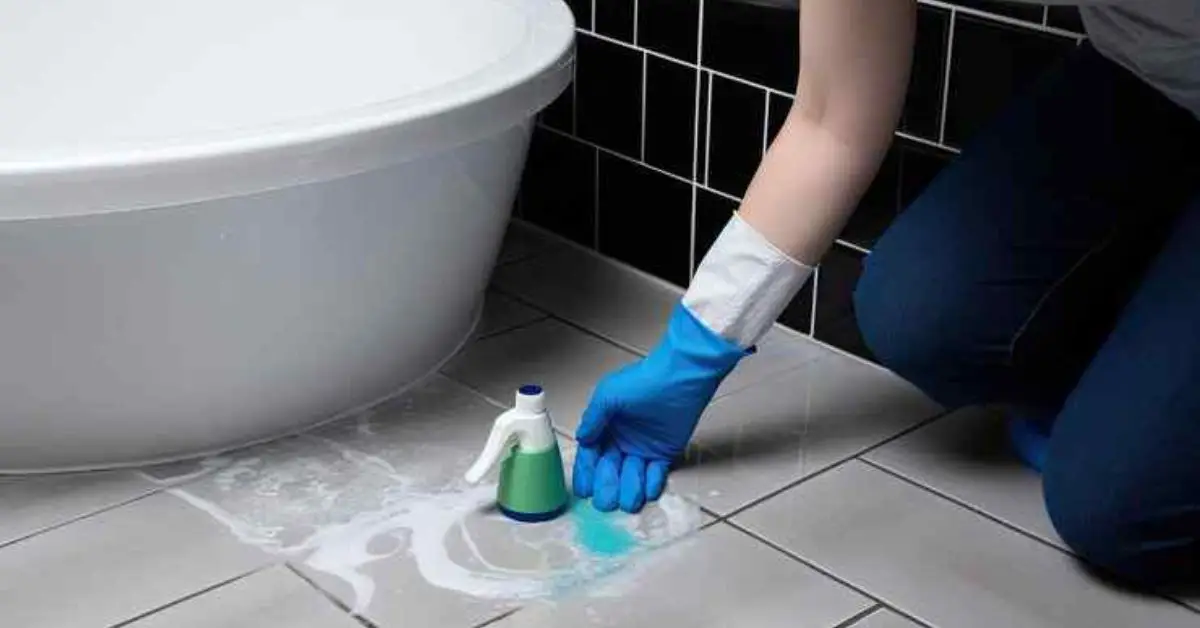
I used to spray a cleaner and start scrubbing right away. It felt productive. More effort, more shine—at least that’s what I thought. In reality, I was wasting time, energy, and product.
Most bathroom cleaners are designed to work with time, not force. When you scrub immediately, you’re not giving the chemistry a chance to break down soap scum, oils, and bacteria. That’s why you end up scrubbing harder and still feel like stains come back too fast.
If you’ve ever wondered why cleaning feels exhausting even though you’re using “good” products, this is usually the reason.
What actually helps more than scrubbing:
- Letting sprays sit for 5–10 minutes (check the label)
- Using gel cleaners longer on vertical surfaces
- Wiping after dwell time instead of scrubbing right away
- Saving elbow grease for spots that truly need it
When you slow down just a little, cleaning gets easier—and the results last longer.
Mistake #4: Neglecting Ventilation and Moisture Control
Here’s the uncomfortable truth: you can clean perfectly and still end up with mold if moisture isn’t handled. I’ve seen people deep-clean their bathrooms every week, yet the room still smells damp or grows mildew. The issue isn’t effort—it’s airflow.
Bathrooms stay wet long after showers end. If that moisture has nowhere to go, it settles into grout, corners, and fabrics. No cleaner can fix that long term. Most people don’t realize that a dirty exhaust fan can make ventilation useless, which is why learning how to properly clean it matters—this step-by-step guide on cleaning your bathroom exhaust fan like a pro explains it clearly.
Experts at Good Housekeeping explain that poor ventilation is one of the fastest ways mold and mildew return, no matter how often you clean.
Habits that trap moisture without you noticing:
- Turning off the exhaust fan too soon
- Never opening a window after hot showers
- Closing the bathroom door while everything is still damp
- Leaving towels bunched up instead of drying them fully
If you want your bathroom to stay clean instead of constantly fighting mold, airflow isn’t optional—it’s part of cleaning. Many people leave bathroom devices running without thinking about safety, but some habits can actually be risky—this breakdown of bathroom devices that are dangerous if left on is worth reading if you rely on fans or heaters.
Quick question for you: after your last shower, how long did the fan actually stay on?
Mistake #5: Overlooking Hard-to-Clean Structural Areas

This is where even experienced, detail-oriented cleaners get fooled. You wipe what you can see, everything looks fresh, and you move on. But some bathroom areas never look dirty until the buildup is already serious.
I’ve noticed that grout, liners, and vents are often mentally categorized as “already handled,” when in reality they’re just quietly collecting grime. Because these areas don’t get daily attention, moisture and residue settle in without any obvious warning signs.
Cleaning professionals at Spaces Eco Clean point out that tile grout and shower curtain liners are some of the most commonly overlooked spots in otherwise clean bathrooms.
Areas that hide buildup more than you think:
- Tile grout that darkens slowly over time
- Shower curtains and liners that trap moisture and mold
- Exhaust fans collecting dust and humidity
- Floor grout and baseboards that never get scrubbed
Once you start checking these areas intentionally, you realize how much “invisible mess” affects how clean your bathroom really is. If this made you rethink what you’re skipping, you’ll probably recognize several spots in this list of hidden bathroom areas most people forget to clean—it goes deeper into places grime builds up quietly.
Bonus Mistake: Misusing Cleaning Products (Wrong Tools or Chemicals)
This mistake isn’t about skipping cleaning—it’s about being too aggressive. I’ve seen people damage surfaces while trying to keep things spotless, simply because they used the wrong product or tool.
Strong chemicals and rough scrubbers don’t always mean better results. In fact, they often wear down finishes, making surfaces harder to clean over time. And mixing products can be downright dangerous.
Product mistakes to avoid:
- Using acidic cleaners on stone or delicate tile
- Scrubbing with abrasive pads that scratch surfaces
- Mixing bleach with ammonia or vinegar
- Using one product for every surface without checking labels
Real cleanliness isn’t about stronger chemicals—it’s about smarter choices.
Be honest with yourself: have you ever mixed products or scrubbed harder instead of checking whether you were using the right cleaner?
Quick Checklist: How to Clean Like an Expert
If you’ve read this far, you already care about doing things the right way. This checklist pulls everything together so you don’t have to overthink your routine. You can save it, screenshot it, or come back to it whenever cleaning starts to feel messy again.
Daily habits (small effort, big payoff):
- Wipe sink and faucet handles after use
- Rinse the shower walls or door to reduce buildup
- Keep the exhaust fan on during and after showers
- Hang towels fully open so they dry completely
Weekly cleaning focus:
- Clean mirrors, counters, and fixtures top to bottom
- Disinfect high-touch areas like switches and door handles
- Scrub the toilet, including behind and under the seat
- Use separate cloths for toilet, sink, and general surfaces
Monthly deep-clean areas:
- Scrub tile grout and floor grout
- Wash or replace shower curtain liners
- Vacuum or wipe the exhaust fan cover
- Check baseboards and corners for moisture or buildup
Tools & cloth system that actually works:
- Use color-coded cloths for different zones
- Replace sponges regularly or switch to washable cloths
- Let cleaners sit before wiping—don’t rush them
Ventilation & moisture habits:
- Run the fan at least 20 minutes after showers
- Open a window when possible
- Don’t close the bathroom door while surfaces are still damp
This is what separates quick cleaning from clean that lasts.
Closing: What Really Makes a Bathroom “Clean”
Here’s what I’ve learned over the years: most bathroom cleaning problems don’t come from laziness. They come from small, unnoticed habits that cancel out good effort.
Once you fix the order, stop spreading germs, respect moisture, and clean the spots most people miss, everything changes. Your bathroom stays fresh longer. Cleaning takes less time. And you stop fighting the same issues again and again.
If even one of these mistakes made you pause and rethink your routine, that’s a win.
I’d love to hear from you—which mistake felt the most familiar? Drop a comment and share what you’re changing first.
And if you want more practical, no-nonsense home care guides like this, visit Build Like New. That’s where I share systems and habits that help homes actually stay clean, not just look clean for a day.
Disclaimer: The information shared here is for general home-cleaning guidance only. Always follow product labels, manufacturer instructions, and safety warnings. If you have sensitive surfaces, allergies, or health concerns, test products in a small area first or consult a professional before use.