10 Dishwashing Errors Most People Don’t Realize They’re Making
I used to think dishwashing was foolproof. Load the plates, add soap, hit start—done. But over time, I noticed cloudy glasses, food stuck to forks, and plates that never felt truly clean. That’s when it clicked: most of us aren’t bad at dishwashing—we’re just repeating small mistakes every single day.
After reviewing what top lifestyle sites, appliance testers, and real users agree on, one pattern keeps showing up. People are doing things that feel right but actually work against how modern dishwashers and detergents are designed to work. Pre-rinsing too much. Overloading “to save time.” Using the wrong cycle because it sounds stronger. These habits quietly ruin dishes and waste water, money, and effort.
What’s missing from most advice is context. Not just what the mistake is, but why people keep making it—and how to fix it without changing your whole routine. I’m not here to shame your kitchen habits. I want to help you get cleaner dishes with less work, starting today.
This guide breaks down the most common dishwashing mistakes I see people make at home—mistakes backed by appliance testing, manufacturer guidance, and real-life experience. Some will surprise you. A few might challenge things you’ve done for years.
As you read, think about your last load of dishes. Which habit sounds familiar already?
Mistake #1 — Pre-Rinsing Too Aggressively (Or Not At All)
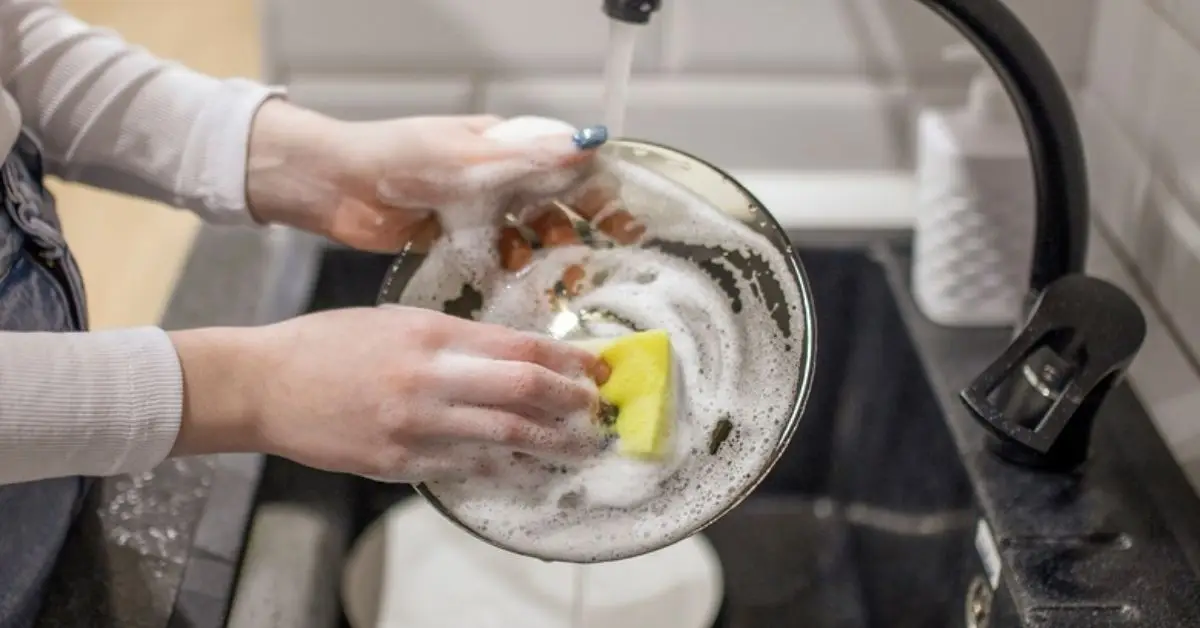
I see this mistake in almost every kitchen—even ones that look spotless. Either people rinse plates until they’re basically clean, or they load them with thick food still stuck on. Both feel right. Both cause problems.
Here’s what most people don’t realize: modern dishwashers are designed to sense food. They adjust water pressure and cycle time based on how dirty the load is. Independent testing by Choice shows that aggressive pre-rinsing can actually reduce cleaning performance because the dishwasher thinks the dishes are already clean.
So the real question isn’t “Should I rinse or not?”
It’s how much is too much.
Expert Rule Of Thumb
- Scrape off solid food—don’t wash the plate clean
- If food won’t come off with a quick scrape, do a light rinse
- Let the dishwasher handle grease and residue
When Minimal Rinsing Actually Helps
- Burnt or baked-on food (casseroles, roasting trays)
- Thick sauces that have fully dried
- Loads that will sit overnight before washing
If you’re leaving dishes in the sink overnight because you plan to “deal with them later,” you might want to rethink that habit—here’s why leaving dishes in the sink overnight is riskier than you think.
If you’re standing at the sink washing plates before loading them, ask yourself this: why are you even using a dishwasher?
Mistake #2 — Overloading The Dishwasher
I understand the urge. Fewer loads feel efficient. Less water. Less effort. I’ve done it too. But overloading doesn’t save time—it creates more work later.
When dishes are packed too tightly, water jets can’t reach surfaces properly. Detergent doesn’t spread evenly. Items rub against each other and get scratched. This is one of the most repeated mistakes across expert testing and real user complaints.
What Proper Spacing Actually Looks Like
- Plates should never touch each other
- Bowls need gaps, not tight stacks
- Large items should not block the spray arms
Why Overloading ≠ Efficiency
- One overloaded load often turns into a rewash
- Food residue stays trapped between items
- Glasses cloud faster due to detergent buildup
If you’re forcing that last plate in, the machine is already working against you.
Mistake #3 — Wrong Detergent Choice And Usage
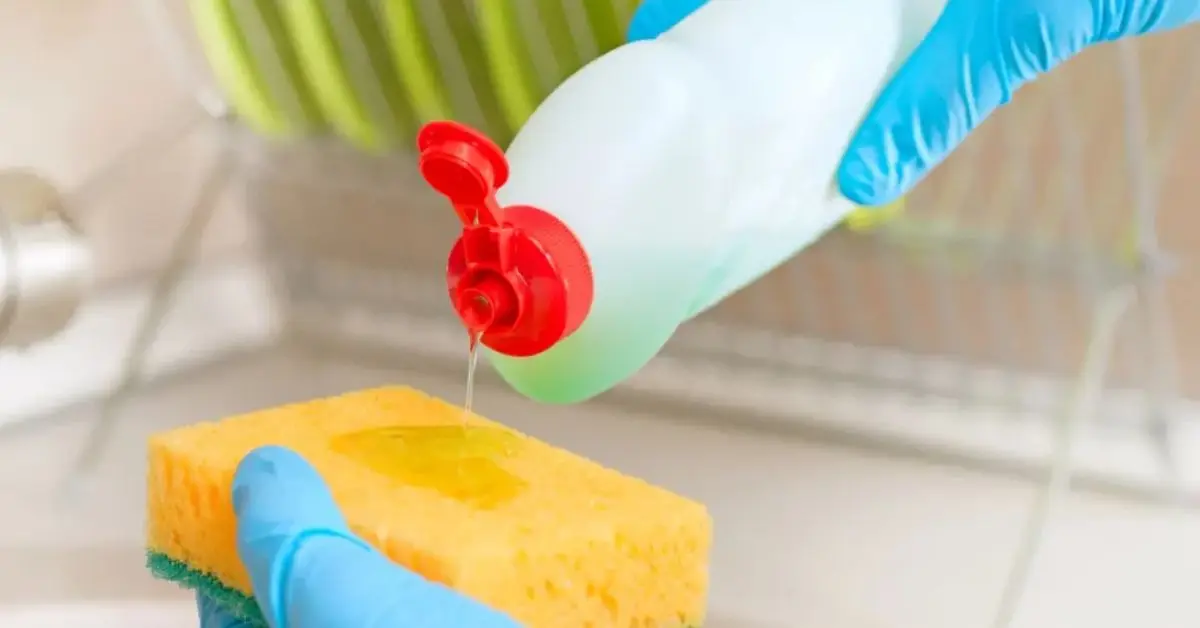
This mistake slowly ruins dishes without you noticing. People blame their dishwasher when the real issue is the detergent—or how it’s being used.
Too much soap, the wrong product type, or poor-quality pods can leave behind a white haze, greasy film, or dull finish that never fully goes away.
Why “More Soap = Cleaner” Is False
- Extra detergent doesn’t rinse away properly
- It sticks to glass and traps minerals
- Over time, it creates permanent cloudiness
Using too much dish soap doesn’t just ruin dishes—it also causes streaking on other glass surfaces, which is why we explained how to clean windows without streaks using dish soap the right way.
How Water Quality Changes Everything
- Hard water needs better detergent, not more detergent
- Cheap pods struggle in mineral-heavy areas
- Powder gives better control over quantity
The Pod Placement Myth
- Pods tossed into the bottom dissolve too early
- They’re designed for the detergent dispenser—not the rack
Reddit threads are full of people shocked by how much cleaner their dishes got just by switching detergent types or using less soap. Same dishwasher. Same routine. Completely different result.
If your dishes look clean but don’t feel clean, detergent is usually the quiet culprit.
Mistake #4 — Improper Loading Patterns
Most people think loading mistakes are only about how much they put in. I used to think the same. But positioning matters just as much—and sometimes more.
You can have half an empty dishwasher and still get dirty dishes if items are placed the wrong way. Water sprays from specific angles. If you block that path, the machine can’t clean properly no matter how good the detergent is.
Consumer guidance from AARP points out that incorrect placement is one of the top reasons dishes come out half-clean or spotty.
How Spray Arms Get Blocked
- Large pans placed in front of the lower spray arm
- Cutting boards leaning flat instead of angled
- Tall items blocking water from reaching the top rack
Utensil Orientation That Actually Works
- Mix spoons and forks—don’t nest them
- Handles down for spoons and forks, up for sharp knives
- Avoid overcrowding the utensil basket
Top Vs. Bottom Rack Logic
- Top rack: glasses, mugs, plastic, delicate bowls
- Bottom rack: plates, pots, heavy cookware
- Never put lightweight plastic on the bottom—it warps fast
If your glasses look clean but feel gritty, or spoons still have residue, loading—not detergent—is usually the real problem.
Mistake #5 — Skipping Dishwasher Maintenance (Filters, Spray Arms)
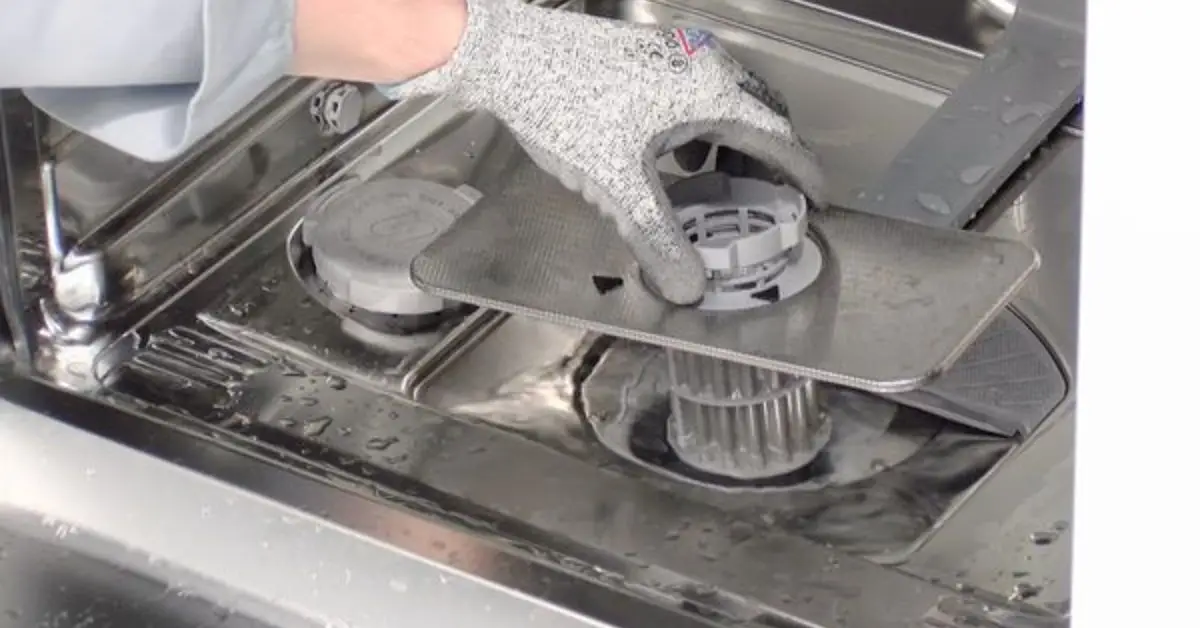
This is the mistake almost no one talks about—and it’s one of the most damaging.
I’ve seen dishwashers blamed, replaced, and trashed when all they needed was basic cleaning. A dirty dishwasher cannot clean dishes. It’s that simple.
Food bits, grease, and soap scum collect in places you never see. Over time, they clog filters, block spray holes, and circulate dirty water back onto your plates.
How Often You Should Clean Filters
- Light use: once a month
- Heavy use or no pre-scraping: every 2 weeks
- If dishes smell after washing, it’s already overdue
Spray Arm Unblock Checklist
- Spin arms by hand—check for resistance
- Look for food stuck in small spray holes
- Rinse arms under running water if removable
Simple Monthly Deep-Clean Routine
- Empty the dishwasher completely
- Clean the filter and spray arms
- Run an empty hot cycle with a dishwasher cleaner or vinegar
If your dishwasher smells bad, leaves residue, or suddenly “got worse,” maintenance is almost always the reason.
Mistake #6 — Ignoring Cycle And Setting Selection
I see this all the time: people pick the same cycle for every load and hope for the best. Stronger doesn’t mean better—and it definitely doesn’t mean safer.
Different dishes need different treatment. Using the wrong cycle can damage glassware, fade patterns, and waste a lot of water and energy.
What Delicate Cycles Are Actually For
- Glass, crystal, thin ceramic
- Lower water pressure and gentler heat
- Reduces chipping and clouding
The Real Cost Of Heavy Cycles
- Uses more water and electricity
- Higher heat wears out seals and racks faster
- Can permanently dull glassware over time
Energy Vs. Cleanliness Trade-Off
- Eco modes work well for everyday loads
- Heavy cycles should be occasional, not default
- Longer doesn’t always mean cleaner—proper loading matters more
If you always hit “normal” or “heavy” without thinking, you’re letting the machine guess—and guessing is expensive.
Quick pause before moving on: When was the last time you cleaned your dishwasher filter—or changed the cycle based on what you loaded?
Mistake #7 — Drying And Unloading Errors
KitchenAid
Most people think the job is done once the cycle ends. I used to think that too. But what you do after washing can undo all the cleaning you just paid for.
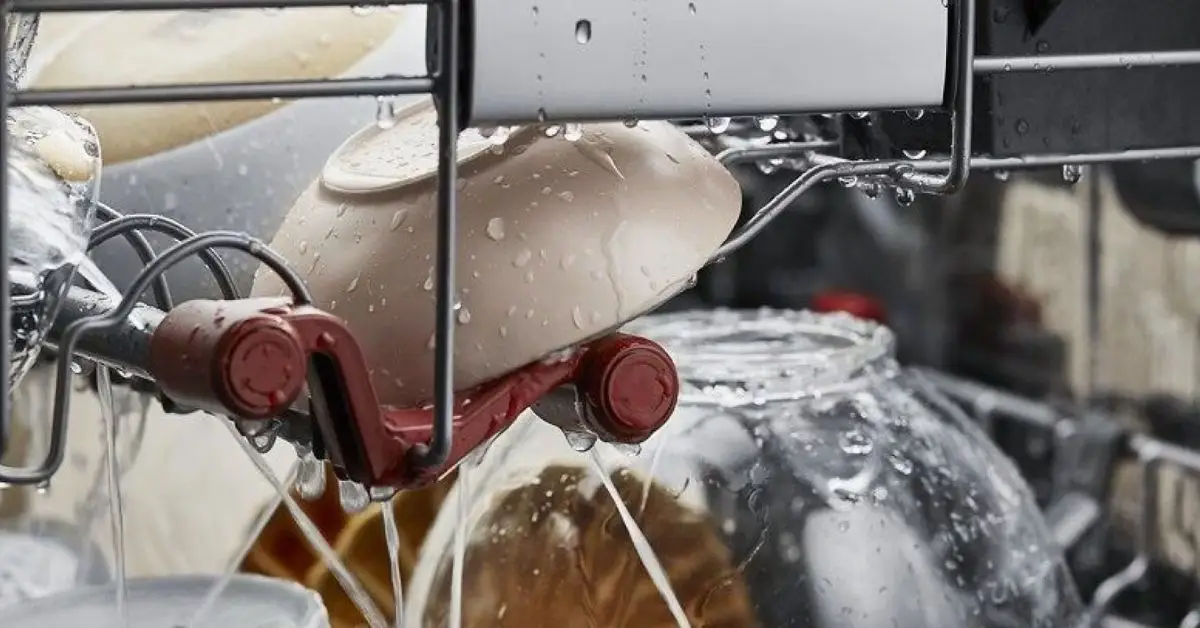
One of the most common mistakes is unloading the top rack first. When you do that, water trapped on cups and bowls drips straight onto the dry dishes below—hello water spots and streaks.
Guidance from Finish explains that unloading order directly affects spotting and drying performance.
Why Bottom-First Unloading Matters
- Prevents water from dripping onto clean plates
- Reduces spotting on glassware
- Cuts down on towel drying
The Role Of Rinse Aid In Drying
- Helps water slide off instead of pooling
- Speeds up drying time
- Reduces streaks, especially on glass
If you’re towel-drying half your dishes, the problem isn’t the wash—it’s the exit strategy.
Mistake #8 — Washing Items That Should Be Hand-Washed
I know the temptation. If it fits, it goes in. But some items are quietly being destroyed every time they hit the dishwasher.
Heat, harsh detergent, and long cycles are brutal on certain materials. Damage doesn’t happen once—it builds over time until the item is warped, dull, or cracked.
Items That Should Stay Out Of The Dishwasher
- Wooden spoons and cutting boards (they split and absorb water)
- Cast iron (strips seasoning and causes rust)
- Nonstick pans (coating breaks down faster)
- Hand-painted or gold-rimmed dishes
If something is expensive, sentimental, or hard to replace, the dishwasher is rarely worth the risk.
Mistake #9 — Hand-Wash Specific Errors That Ruin Dishes
Even when people hand-wash, they often carry over bad habits. I see this constantly.
Dirty sponges, too much soap, and water that’s either scalding hot or barely warm can scratch surfaces and leave residue that never fully rinses away.
Common Hand-Washing Mistakes
- Using old sponges full of bacteria
- Adding soap directly onto dishes instead of water
- Washing glass in very hot water, then shocking it with cold
Hand-washing should protect dishes, not slowly wear them down.
Mistake #10 — Mismanaging Moisture And Mold Inside The Dishwasher
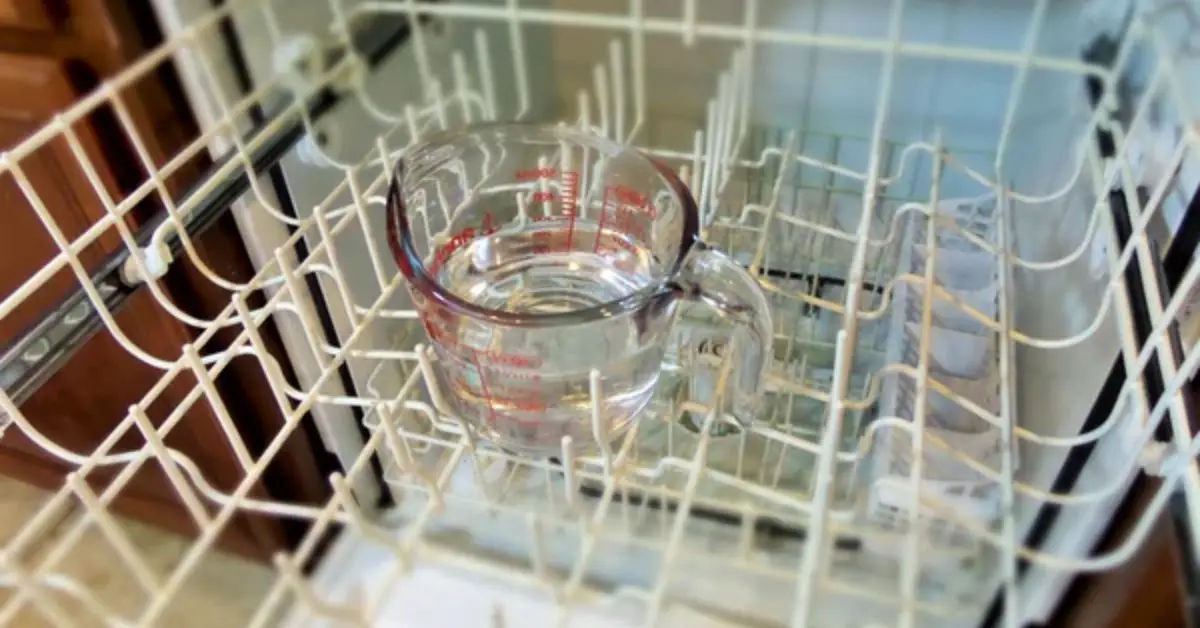
This is the silent problem most people ignore. You unload the dishes, shut the door, and walk away. That trapped moisture becomes a breeding ground for mold and bad odors.
How Moisture Turns Into Mold
- Door kept tightly shut after cycles
- Filters holding damp food debris
- Rubber seals never wiped down
Simple Habits That Prevent It
- Crack the door open after unloading
- Wipe the gasket once a week
- Let the interior air-dry completely
If your dishwasher smells off, that odor is ending up on your “clean” dishes too.
Summary Of The 10 Mistakes + Quick Fixes
If you don’t remember every detail, that’s fine. What actually matters is fixing the habits that keep repeating. I like using this as a quick mental checklist before hitting the start button—it saves time, water, and frustration.
Below is a simple, scannable breakdown you can come back to anytime.
| Mistake | What It Causes | Quick Fix |
|---|---|---|
| Over-Rinsing Dishes | Sensors misread load, poor cleaning | Scrape food, don’t pre-wash |
| Not Rinsing When Needed | Food redeposits on dishes | Light rinse for dried or baked food |
| Overloading The Dishwasher | Blocked spray, residue, scratches | Leave space between items |
| Improper Loading Patterns | Half-clean dishes | Angle items toward spray arms |
| Skipping Filter Cleaning | Smelly, dirty water reuse | Clean filter every 2–4 weeks |
| Ignoring Cycle Selection | Dish damage, wasted energy | Match cycle to load type |
| Wrong Drying & Unloading | Water spots, streaks | Unload bottom rack first |
| Dishwashing Unsafe Items | Warping, cracking | Hand-wash delicate materials |
| Poor Hand-Washing Habits | Scratches, soap film | Use clean tools, warm water |
| Trapped Moisture & Mold | Odors, bacteria buildup | Air-dry with door cracked |
If you fix just three of these, you’ll notice a difference within a week. Fix all ten, and dish problems almost disappear.
What You Should Start Doing Tomorrow
You don’t need a new dishwasher. You don’t need expensive detergent. You just need better habits.
Tomorrow, try this:
- Scrape instead of pre-washing
- Load with space and intention
- Choose the cycle based on the load
- Clean the filter if you can’t remember the last time you did
If making small habit changes like these feels doable, you’ll probably like these cleaning resolutions that make your home feel instantly better—they’re built on the same idea of simple fixes with real impact.
These are small changes, but they add up fast. Cleaner dishes. Less rewashing. Longer-lasting cookware.
If this guide helped you spot a mistake you’ve been making for years, I’d love to hear it. Drop a comment below and tell me which habit you’re fixing first.
And if you want more practical, no-nonsense home care guides like this, explore more tips on Build Like New—where we focus on keeping everyday things working better, for longer.
Disclaimer: This article is based on general household best practices, expert guidance, and real user experiences. Results may vary depending on dishwasher model, water quality, and detergent type. Always follow the manufacturer’s instructions for your specific appliance and cookware.