Inside Bill Gates’s $150 Million Collection of Homes
At 70, I’ve often found myself fascinated by how some people define success differently. Take Bill Gates, for example. Most of us know him as the Microsoft co-founder who helped put a personal computer on nearly every desk in the world.
But his story goes far beyond tech. Today, he isn’t just a billionaire — he’s a philanthropist, an investor in innovation, and someone who has carefully crafted a lifestyle that balances privacy, passion, and purpose.
When I look at his life, what strikes me is how deliberate his choices have always been. Gates became the world’s youngest billionaire at 31, yet he wasn’t the type to splurge mindlessly. A Porsche 911 here, a private jet there — that was just the start. Over the decades, his interests expanded thoughtfully, from aviation and rare cars to farmland, energy, and, of course, real estate.
If you’ve ever wondered how someone with tens of billions chooses where and how to live, you’re in the right place. In this article, I’ll take you inside his $150 million property portfolio — from the iconic Xanadu 2.0 overlooking Lake Washington to equestrian estates in Florida and oceanfront retreats in California.
Along the way, you’ll see not just the homes, but the strategy, lifestyle, and mindset behind each acquisition. By the end, you’ll get a real sense of what it means to live like one of the most influential figures of the last half-century — without just listing numbers and square footage.
Bill Gates Property Portfolio — Overview & Big Picture
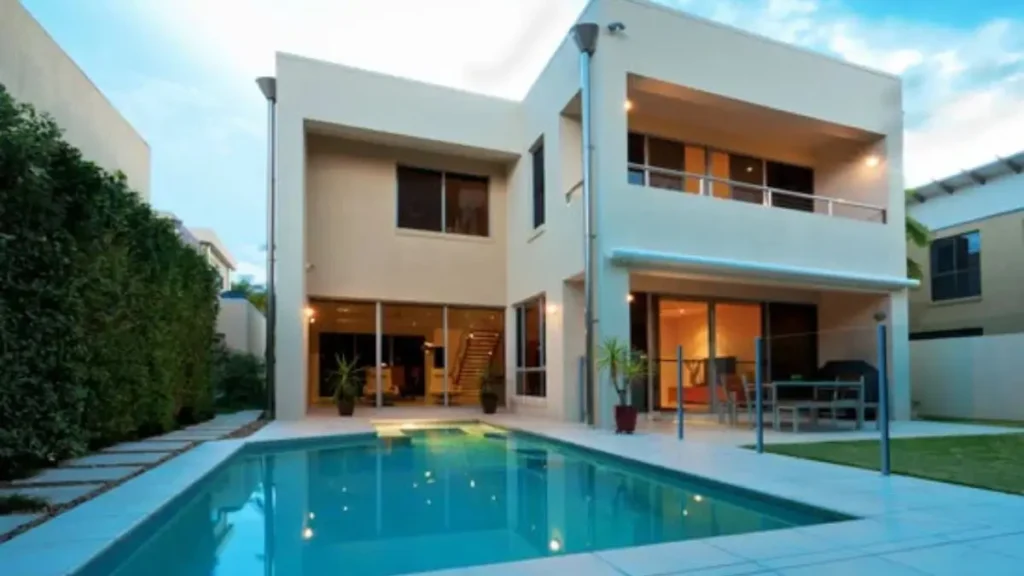
When I first started looking into Gates’s real estate holdings, I realized it’s not just about owning expensive homes — it’s about a deliberate strategy that balances lifestyle, privacy, and investment. According to Robb Report, his portfolio is worth over $150 million, spanning multiple states and property types.
He has everything from sprawling primary residences and equestrian estates to oceanfront hideaways and mountain retreats. What struck me is how each property seems to serve a purpose: Medina, Washington, is a tech-powered sanctuary; Rancho Santa Fe supports his equestrian passion; Del Mar offers coastal serenity. It’s a mix of personal enjoyment and strategic value.
The thing I found most interesting is how these properties reflect Gates’s priorities. He’s not buying for show. There’s privacy, space for family and hobbies, and sometimes even investment potential. For anyone curious about what billionaire living really looks like, this is the lens I’d suggest you take — lifestyle intertwined with strategy.
Medina, Washington — Xanadu 2.0
You can’t talk about Gates’s real estate without starting at Xanadu 2.0. I’ve seen images and read countless descriptions, but nothing captures it like stepping back and imagining the scope: a 66,000-square-foot mansion on a 10.5-acre compound overlooking Lake Washington.
Bought in 1988 for around $2 million, Gates poured over $60 million into renovations, transforming it into a modern marvel. From a 60-foot swimming pool with an underwater sound system to a domed library and trampoline room, the house is as much about tech and personal comfort as it is about luxury. He also acquired neighboring parcels to ensure privacy — something I think anyone would value when living at that level.
When I think about this estate, what’s impressive isn’t just the size or the tech. It’s how intentional every detail is. Gates wanted a home that reflected his life, his interests, and his need for privacy, and he delivered.
Indian Wells, California — The Vintage Club Estate
Shifting west, Gates’s 1999 purchase in Indian Wells, California, caught my attention because it’s about lifestyle in an exclusive community. The estate sits in the private Vintage Club, with a 13,600-square-foot home on 1.3 acres. It’s not just the house — it’s the membership, the proximity to other billionaire neighbors, and the privacy that comes with the enclave.
The Vintage Club requires a six-figure initiation fee, which tells you something about the exclusivity of his surroundings. Gates’s presence here isn’t about showing off; it’s about being in a space where security, privacy, and like-minded community matter.
When I picture this estate, I see a retreat designed for relaxation and networking, where life blends with hobbies like golf and social engagement. It’s a different type of luxury compared to Xanadu — understated, yet equally purposeful.
Much like Russ Savage’s $230 million property holdings in exclusive locations, Gates selects communities that combine privacy with elite social networks.
Rancho Santa Fe, California — Mediterranean & Equestrian Estates
Rancho Santa Fe is where Gates’s passion for horses and sprawling estates really comes alive. He purchased a Mediterranean-style property in 1999, a 10,800-square-foot home on expansive land. Later, he added the former Jenny Craig horse ranch, now Evergate Stables, a 225-acre equestrian compound.
I find this fascinating because it reflects long-term thinking. The properties aren’t just for living; they support hobbies, family activities, and even potential investments. Multiple 30-stall barns, a veterinary office, and a professional racetrack show that the estate was purpose-built for equestrian life — not just to look impressive in photos.
The scale of this compound is impressive, but what’s more important is the intentional design for lifestyle. Gates has clearly thought about how each property supports real life — and I think that’s what sets his portfolio apart.
Seattle, Washington — Urban Residence
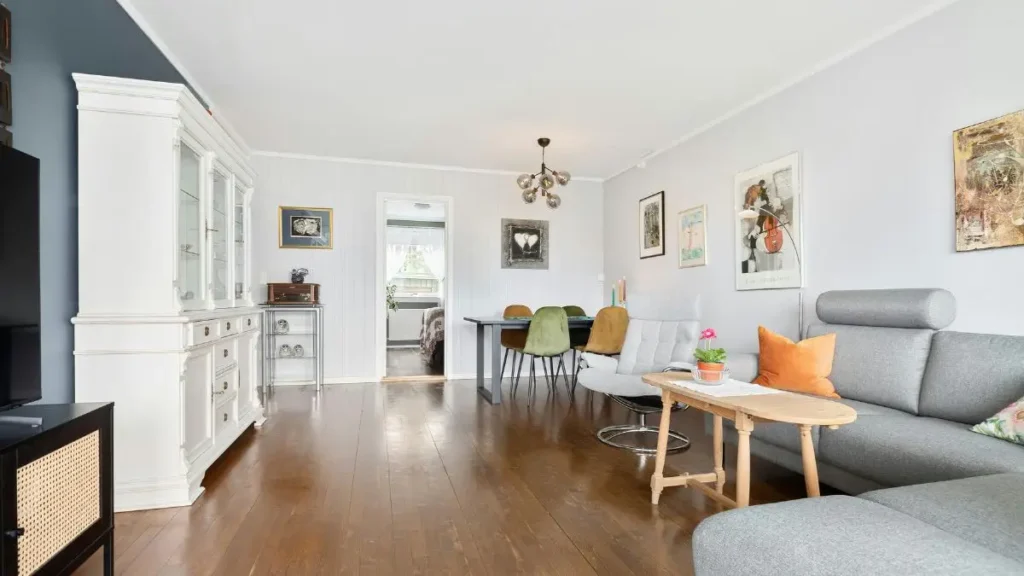
Not all of Gates’s properties scream opulence. His Seattle home, purchased in 2000 for around $2.5 million, is modest compared to Xanadu 2.0. At 4,400 square feet with three bedrooms, it sits closer to the city core.
What I like about this property is that it reflects a subtle but important side of Gates: staying connected to the city where his business and philanthropy work began. It’s practical, functional, and intentionally smaller — a nice contrast to the sprawling estates elsewhere.
For me, this property underscores a key principle: not every investment has to be a mansion or a headline-grabbing purchase. Some serve utility, location convenience, or strategic presence.
Gates’s modest Seattle property reminds me of Suzy Welch’s $26 million New York townhouse, where location convenience and practicality sometimes outweigh sheer scale.
Big Sky, Montana — Yellowstone Club Retreat
One of the more intriguing properties in Gates’s portfolio is his home in Big Sky, Montana, inside the Yellowstone Club. Purchased in 2009, this 2.7-acre retreat spans 7,000 square feet with eight bedrooms and panoramic mountain views. The club is ultra-exclusive, members-only, and attracts other tech leaders like Eric Schmidt and Mark Zuckerberg.
What stands out to me is the combination of recreation and privacy. Membership isn’t cheap — initiation fees around $450,000, multimillion-dollar home purchase, and annual dues above $50,000.
Yet Gates sees the value: a secure, secluded place for skiing, golf, and downtime away from the public eye. I think it’s fascinating how he chooses locations that offer both leisure and exclusivity.
Wellington, Florida — Equestrian Compound
Between 2013 and 2019, Gates built one of his most impressive equestrian compounds in Wellington, Florida. Across five purchases totaling roughly $59 million, he assembled more than 25 contiguous acres in the Mallet Hill enclave.
The compound includes riding and training facilities, two large residences, ponds, multiple swimming pools, and even a basketball court.
The estate also connects to family life — his daughter Jennifer’s competitive equestrian career plays a role in how the property is used. While one 5.5-acre parcel sold in 2022 for $26 million, the core estate remains a hub for Gates’s equestrian interests.
To me, this property exemplifies long-term planning, blending family, hobbies, and lifestyle in one strategic location.
For real-time updates on luxury estates and unique property insights, you can join this curated WhatsApp channel where enthusiasts share fascinating finds and market trends.
Del Mar, California — Oceanfront Estate
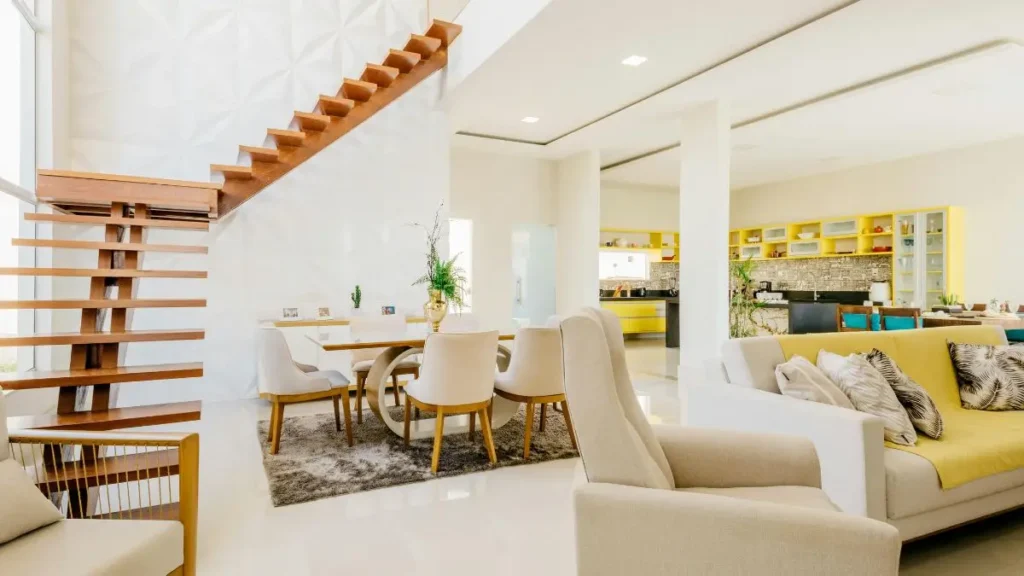
The most recent major addition to Gates’s portfolio came in March 2020, when he and Melinda purchased a Del Mar oceanfront estate for $43 million.
The 5,800-square-foot single-level home sits on roughly 120 feet of beachfront and includes two guesthouses, a glass-tiled swimming pool, a 10-person spa, a fitness suite, a home theater, and expansive terraces overlooking the Pacific.
Even after their divorce, the property was transferred to a trust, indicating careful estate planning. What I notice here is Gates’s consistent preference for locations that offer privacy, luxury, and tranquility — all in one package. Del Mar represents the quieter, reflective side of his lifestyle.
Real Estate Themes & Portfolio Strategy
When you step back and look at the whole portfolio, a pattern emerges. Gates doesn’t just buy houses; he builds a collection of homes that serve distinct purposes:
- Privacy and security: Medina, Yellowstone, and Del Mar all provide seclusion from public scrutiny.
- Lifestyle alignment: Rancho Santa Fe and Wellington reflect personal passions like equestrian sports.
- Investment and strategic value: Many properties, including Indian Wells and Del Mar, are in exclusive areas with long-term appreciation potential.
- Family and practical use: Smaller homes like his Seattle property balance location convenience with functional living.
To me, what’s remarkable is how every acquisition seems intentional. Each estate is a piece of a larger puzzle, reflecting Gates’s life stage, priorities, and philosophy toward wealth. It’s not flashy for the sake of attention; it’s purposeful.
Just as we explored Katy Perry’s $40 million real estate portfolio in another article, Gates’s collection shows how celebrities diversify for lifestyle, privacy, and investment.
Takeaways — What We Can Learn from Bill Gates’ Real Estate Portfolio
Looking at Gates’s properties, I realized there’s more than just luxury involved — there’s a philosophy behind every purchase. First, intentionality matters. Each estate, from Xanadu 2.0 to the Del Mar oceanfront home, serves a purpose, whether it’s privacy, family, recreation, or strategic investment.
Second, balance is key. Gates blends sprawling luxury with practical choices. His Seattle residence might seem modest next to Xanadu, but it keeps him connected to the city and his philanthropic work. That’s a reminder that not every asset needs to be grandiose to be valuable.
Third, long-term thinking pays off. The equestrian estates in Rancho Santa Fe and Wellington weren’t bought on a whim — they reflect hobbies, family priorities, and lifestyle planning years in advance. I find this fascinating because it shows how strategic vision can turn real estate into more than just property: it becomes a lifestyle framework.
Finally, privacy and exclusivity are non-negotiable. From Montana’s Yellowstone Club to Florida’s gated equestrian compounds, Gates clearly values spaces where he can step away from the public eye while still enjoying life fully.
So, what’s the big takeaway? Real estate, for Gates, isn’t just about money or status — it’s about building a life that aligns with values, passions, and long-term goals.
I’m curious — if you could design your ideal home portfolio, what would matter most to you: luxury, privacy, lifestyle, or investment?
If you enjoyed exploring Gates’s portfolio, check out more deep dives into celebrity real estate on our Celebrity Home Security section for similar stories.
Disclaimer: This article is based on publicly available information, property records, and news reports. Property values and ownership details may change over time. All content is for informational purposes and does not constitute investment advice.