8 Kitchen Safety Mistakes Food Experts Never Make (But You Probably Do)
Most food safety mistakes at home don’t happen because people are careless. They happen because we’re confident. I see it all the time—smart, experienced home cooks doing things that feel right but quietly raise the risk of foodborne illness.
I’m not talking about obvious messes or spoiled food. I mean small, everyday habits: leaving leftovers out “just for a bit,” rinsing chicken in the sink, trusting smell or color to judge safety. These are the exact moves food safety experts refuse to make in their own kitchens.
When I reviewed what top food experts, universities, and health authorities actually warn against—and compared that with how people cook at home—one thing stood out. There’s a gap between what we think is safe and what actually is.
This guide focuses on those real-world gaps. The quiet mistakes that don’t ruin a meal, but can ruin your day. Each one is based on expert-backed guidance and common behaviors I see repeated in homes across the US.
As you read, I want you to ask yourself honestly: which of these habits are you still doing without thinking twice?
Mistake #1: Ignoring Real Temperature Control
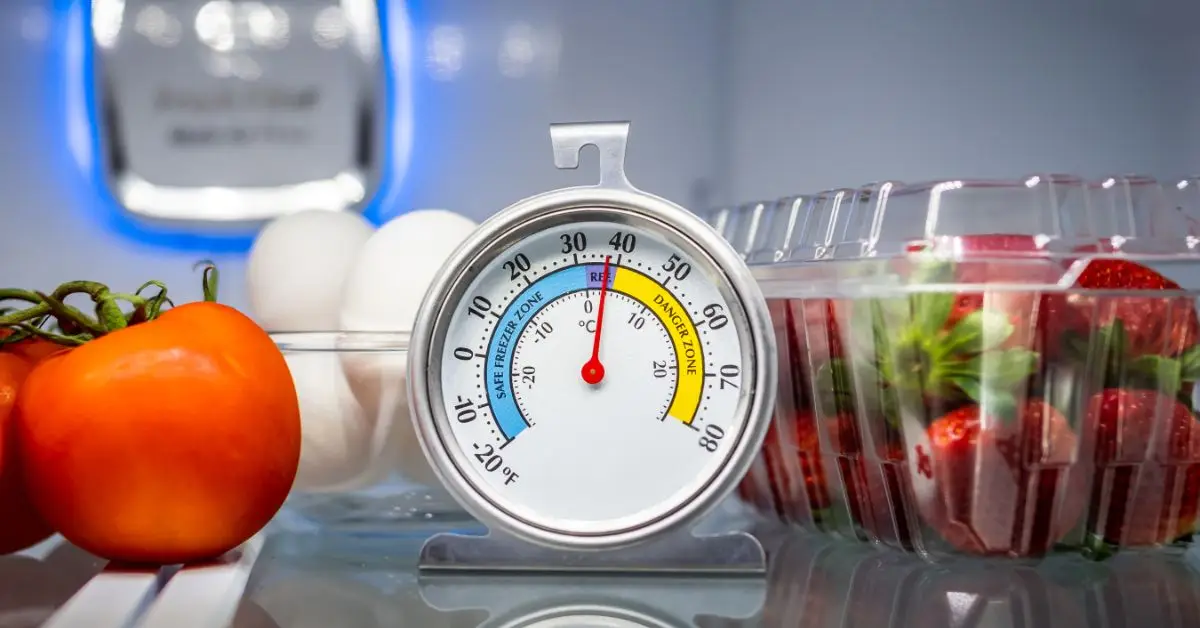
I’ve seen this mistake in almost every home kitchen—including my own earlier. You open the fridge, feel the cold air, and assume everything inside is fine. It feels reasonable. But food safety doesn’t work on feeling. It works on numbers.
Experts don’t trust touch or instinct. They trust temperature.
Here’s how this mistake quietly shows up:
- Fridge temperature slowly rising above 40°F
- Freezer temps changing due to frequent door opening
- Hot food sitting out too long before refrigeration
That puts food straight into the 40–140°F danger zone, where bacteria multiply fast and without warning.
Mistake #2: Mixing Raw Meat, Produce, and Utensils Without Thinking
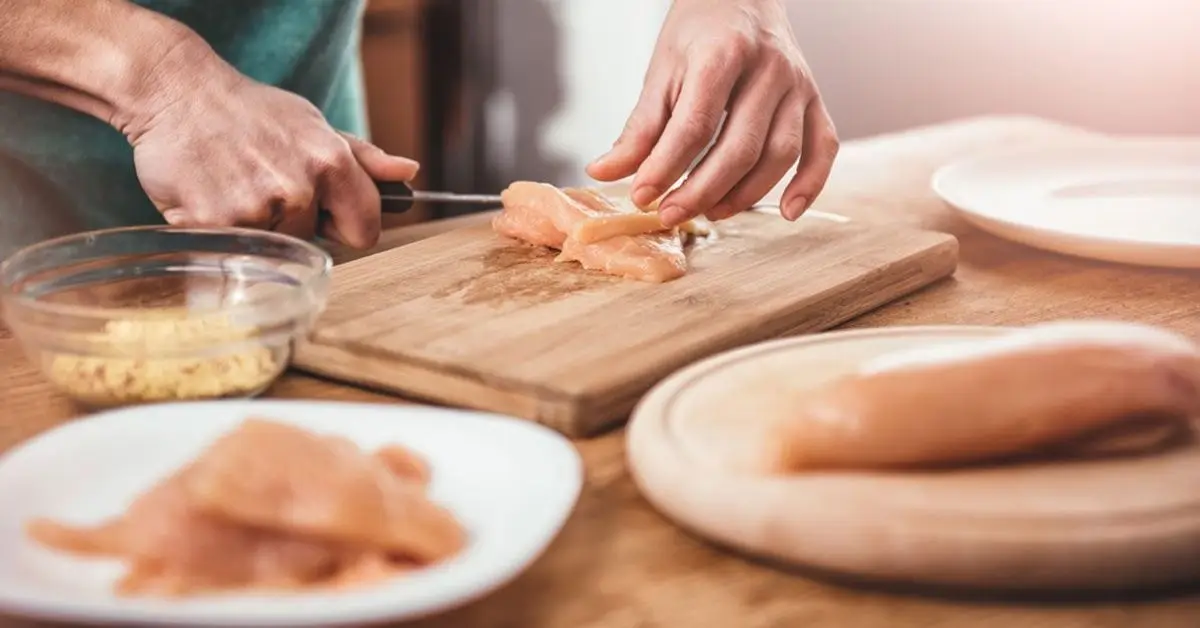
This mistake looks harmless. That’s why it’s dangerous.
I’ve watched people cut raw meat, rinse the board, and then slice vegetables on the same surface. No smell. No visible mess. But bacteria don’t need either.
Cross-contamination usually comes from habits like:
- Using one cutting board for everything
- Checking your phone while cooking
- Reusing sponges and towels across surfaces
These small actions move bacteria faster than most people realize.
Mistake #3: Leaving Food Unattended and Thawing at Room Temperature
This one almost always starts with good intentions. You leave food out “just to thaw.” Something distracts you. Time passes.
That’s enough.
Common risky habits include:
- Thawing meat on the kitchen counter
- Letting cooked food cool too long before refrigerating
- Packing the fridge so tightly that cold air can’t move
When airflow is blocked, cooling becomes uneven. Some spots stay warm enough for bacteria to grow. This issue is explained clearly by Lagos Local News.
Mistake #4: Eyeballing Doneness and Skipping Thermometers
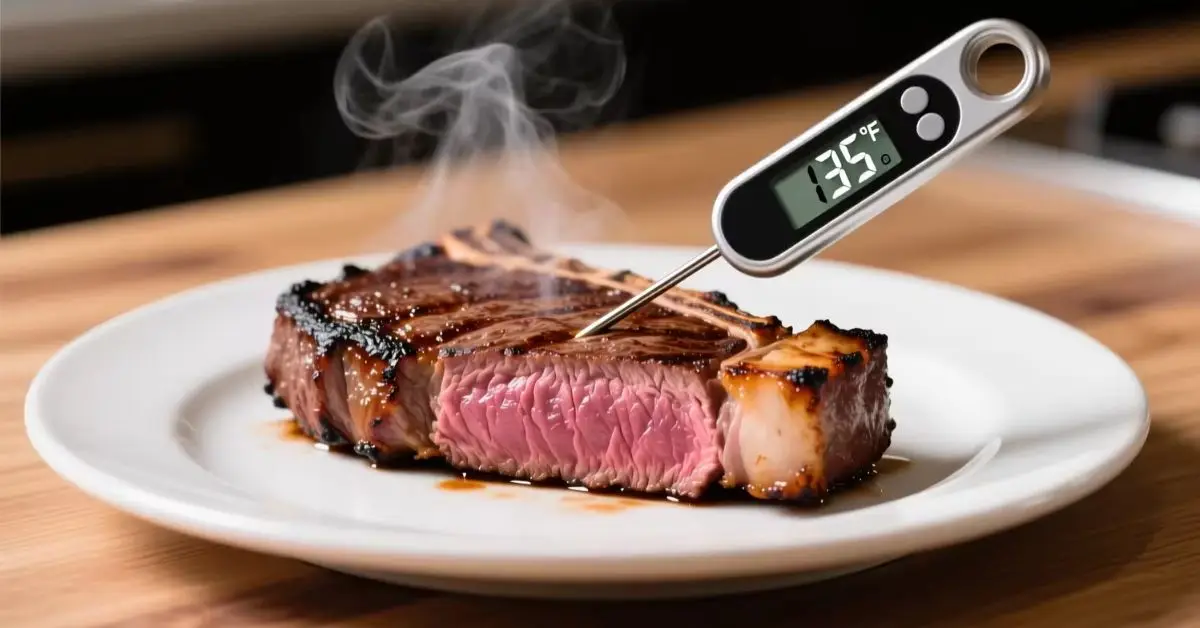
I know why this habit sticks. You’ve cooked chicken a hundred times. You press it, cut into it, look at the color, and think, “Looks done to me.” Most people do this without hesitation.
The problem is, food doesn’t always show danger on the surface.
Visual signs can lie:
- Meat can turn brown before it’s actually safe
- Juices running clear doesn’t guarantee safe temperature
- Texture changes before bacteria are fully killed
Simple fixes I always recommend:
- Use a basic digital thermometer (they’re cheap and fast)
- Check the thickest part of the food
- Know your basics: poultry needs higher temps than beef or fish
Mistake #5: Washing Raw Poultry
This habit usually comes from good intentions. You want your food clean. I get that. But washing raw chicken is one of the most risky things you can do in your kitchen.
When you rinse poultry, you don’t remove bacteria—you spread it.
Here’s what actually happens:
- Water splashes bacteria onto sinks, counters, and nearby dishes
- Utensils and towels get contaminated without you noticing
- The chicken still isn’t safer than before
According to the USDA, washing raw poultry increases the risk of cross-contamination and is strongly discouraged.
What experts do instead:
- Skip rinsing completely
- Handle poultry carefully and separately
- Rely on proper cooking temperature to kill bacteria
Mistake #6: Poor Produce and Hand Hygiene

This mistake usually isn’t intentional. It happens when you’re rushing.
I see people peel fruits without washing them first. Or wash their hands once, then touch their phone, their face, or a cabinet handle—and keep cooking.
That’s how bacteria move.
Common slip-ups include:
- Not washing produce before peeling
- Touching phones mid-prep
- Forgetting to rewash hands after handling raw food
Even produce that looks clean can carry bacteria on the surface, which transfers straight to the inside when you cut or peel it.
Simple habits that make a real difference:
- Wash produce before peeling or cutting
- Treat your phone like raw meat during cooking
- Rewash hands anytime you switch tasks
Mistake #7: Leaving Leftovers Too Long or Reheating Them Improperly
This is where a lot of people trust their senses a little too much. I hear it all the time: “It smells fine,” or “It still looks okay.”
The problem is, dangerous bacteria don’t always announce themselves.
There’s a big difference between:
- Spoilage bacteria, which cause bad smell or slime
- Pathogens, which can make you sick without changing smell or appearance
That’s why relying on your nose or eyes is risky. According to guidance shared by Martha Stewart, leftovers need to be handled with clear rules—not judgment calls.
What experts actually do:
- Refrigerate leftovers as soon as they cool slightly
- Label containers with dates
- Reheat food fully, not halfway, to kill lingering bacteria
Mistake #8: Kitchen Clutter and Cleaning Habits Experts Hate
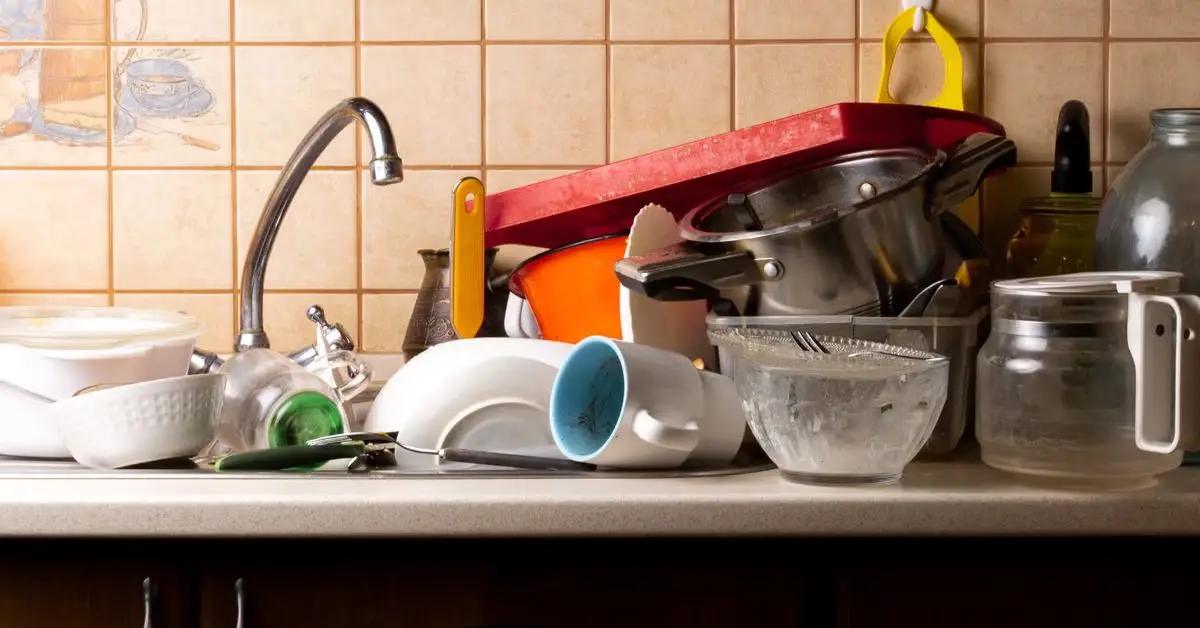
A messy kitchen doesn’t just look chaotic—it makes safe cooking harder.
I’ve noticed that cluttered counters blur boundaries. Raw food ends up too close to ready-to-eat food. Utensils get reused without thinking. Cleaning becomes rushed instead of thorough.
Common habits that cause trouble:
- Stacking items on limited counter space
- Wiping surfaces instead of properly cleaning them
- Touching spice jars with unwashed hands
Another big misunderstanding is thinking that washing and sanitizing are the same thing. They’re not. Washing removes dirt. Sanitizing reduces bacteria—and experts treat them as two separate steps.
If you want to understand how everyday cleaning habits actually spread bacteria instead of stopping it, this breakdown of kitchen cleaning mistakes microbiologists beg you to stop right now explains it far better than generic cleaning advice.
What Food Safety Experts Actually Practice at Home
After reviewing expert advice, real kitchen behavior, and professional discussions, a pattern shows up. Food safety pros don’t rely on memory or mood. They rely on systems. Those systems also explain why experts don’t declutter blindly, and why knowing which kitchen items you should never throw away even if you’re decluttering supports safer, more consistent kitchen habits.
Here are habits they stick to consistently:
- A fridge thermometer, not a guess
- Separate prep zones for raw and ready-to-eat food
- Cleaning first, sanitizing second
- Treating phones and spice jars as contamination risks
- Resetting hands and tools between tasks
None of this is complicated. It’s just intentional.
Actionable Takeaways You Can Use Today
If you take nothing else from this guide, take this. Food safety improves fast when habits are clear and repeatable.
Start doing these 5 things:
- Keep a thermometer in your fridge and freezer
- Use separate boards or clear prep zones for raw and ready-to-eat food
- Wash hands again after touching your phone or face
- Refrigerate leftovers early, not “later”
- Reheat food fully, not halfway
Stop relying on these 5 habits:
- The smell test to judge safety
- Guessing doneness by color or touch
- Thawing food on the counter
- Rinsing raw chicken
- Wiping surfaces instead of properly cleaning them
Interestingly, many of the same food-safety habits also prevent bad kitchen odors, and these simple habits that keep your kitchen smelling fresh all day work without fancy products or harsh chemicals.
Quick myth check:
- The 5-second rule doesn’t protect you—bacteria transfer instantly
- Food can look and smell fine and still make you sick
- “I’ve always done it this way” isn’t a safety measure
These aren’t big changes. They’re small, repeatable ones. And that’s why they work.
Safety Isn’t Perfection — It’s Predictability
You don’t need a spotless kitchen or chef-level skills to cook safely. What you need is consistency. The same safe steps, every time, even when you’re tired or in a rush.
Pick one habit from this article and change it today. Just one. That’s how safer kitchens are built.
If something here surprised you—or if you’ve been doing one of these things for years—share it in the comments. Real kitchens aren’t perfect, and honest conversations help everyone cook safer.
For more practical, no-nonsense guides that help you fix everyday mistakes and build smarter habits at home, visit Build Like New.
Disclaimer: This content is for general food safety awareness and educational purposes only. It does not replace official guidance from healthcare professionals or government food safety authorities. Always follow local health regulations and trusted official recommendations when handling and preparing food.