The Hidden Dangers of Closing Heating Vents in Empty Rooms
I’ll admit it—I used to be guilty of closing vents in rooms I hardly ever used. It seemed like common sense: why waste energy heating or cooling a space that nobody occupies? I thought I was being smart, saving money, and doing my part for energy efficiency.
But over time, I started noticing strange things in my home—uneven temperatures, odd noises from my HVAC system, and higher energy bills that didn’t match my expectations. That’s when I realized the truth most homeowners never hear: closing vents in unused rooms can actually backfire.
It’s not just about discomfort; it’s about how your entire HVAC system works. When you block airflow in certain areas, the system struggles to maintain balance, which can lead to unnecessary wear, higher energy costs, and even potential damage over time. And yet, this advice is repeated everywhere online without context, leaving most people—including me at the time—thinking they’re making the “smart” choice.
In this article, I want to take you behind the scenes of what really happens when you close vents, share what HVAC experts and homeowners are saying, and give practical insights on how to keep your home comfortable without accidentally hurting your system—or your wallet. By the end, you’ll see why this seemingly harmless trick is far from harmless, and how small changes can make a real difference.
Why People Close Vents (and Why It Seems Logical)
I get it—I’ve been there too. You see an unused room, and it feels like a waste to keep heating or cooling it. Most homeowners think: if I close the vents, I’ll save money and make my home more efficient. On paper, it seems logical.
Here’s why it feels that way:
- Energy savings: Fewer rooms being conditioned should mean lower energy bills.
- Comfort control: You can focus the airflow on the rooms you actually use.
- Simple habit: It’s easy to turn a vent knob or slide a damper and feel like you’re taking control.
The idea comes from a basic physics assumption: less conditioned space = less work for your HVAC system. And vents, or registers, along with dampers in the ductwork, are designed to distribute air evenly. But what most homeowners don’t realize is that closing vents changes how the system behaves in ways that aren’t obvious.
What Actually Happens When You Close Vents in Unused Rooms
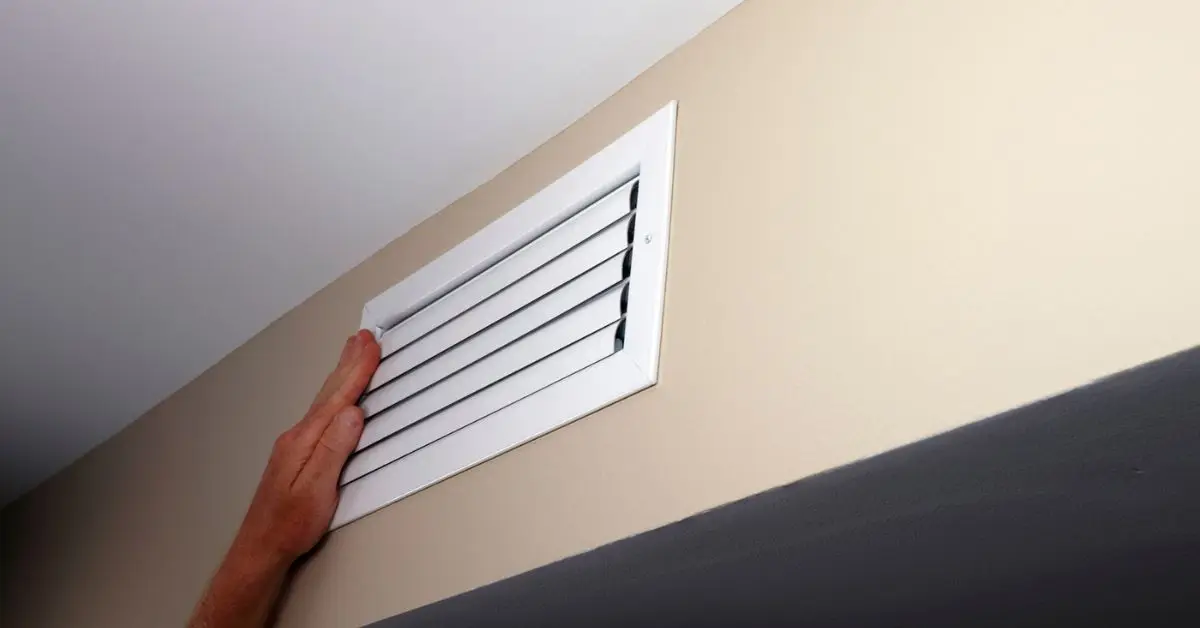
Here’s where things get interesting—and a little counterintuitive. Closing vents doesn’t just stop airflow to that room. It changes the balance of your entire HVAC system, often in ways that can hurt performance, comfort, and even your wallet.
Increased Static Pressure in Ductwork
When you shut a vent, the air that’s supposed to flow into that room has nowhere to go. I learned the hard way that this increases static pressure inside the ducts. That pressure forces your blower motor to work harder, which can:
- Reduce system efficiency
- Increase wear and tear on the motor and other components
- Potentially shorten the life of your HVAC system
The more vents you close, the more pronounced this effect becomes. According to Parker & Sons, even a few blocked vents can create a noticeable imbalance.
HVAC System Doesn’t “Know” You Closed a Vent
Here’s a misconception I used to believe: I thought the system would automatically adjust to save energy. It doesn’t. Your thermostat and blower keep running at the same speed, pushing the same amount of air, even if the path is partially blocked. That’s why closing vents doesn’t magically lower your bills—it just makes the system work harder in the wrong places.
Uneven Temperature & Comfort Issues
And then there’s the comfort factor. I noticed some rooms became unbearably hot while others stayed cold, creating a patchwork of temperature zones that never felt right. Closing vents doesn’t redirect air to other rooms the way I expected. It just messes with the balance, causing:
- Hot or cold spots
- Drafts in some areas and stagnation in others
- Overall discomfort despite “saving energy”
Over time, these issues add up—not just in frustration but also in energy costs and potential HVAC repairs.
The Hidden Costs You’re Ignoring

When I first started closing vents to “save money,” I didn’t realize just how many hidden costs were piling up. It’s not just about slightly higher energy bills—it can affect your system’s health, your home’s comfort, and even your safety.
Higher Energy Bills, Not Lower
You might expect that blocking airflow to unused rooms would lower your bills. I thought so too. But here’s the reality: closing vents often makes your HVAC system work harder, consuming more energy to push air through restricted ducts. From my own experience, the difference can be surprisingly noticeable on the monthly bill.
- System works overtime to maintain the temperature in other rooms
- Reduced airflow causes inefficiency, negating any “savings”
- Long-term energy performance suffers
Experts agree. As noted on Tom’s Guide, the myth that closed vents save money is largely debunked—over time, you could end up paying more.
Wear, Tear, and Potential Damage
Another shocker I discovered: all that extra strain doesn’t just cost energy—it physically stresses the system. Closing vents can:
- Overwork compressors and blowers
- Put stress on duct joints, risking leaks or cracks
- Increase the chance of heat exchanger problems, which in some furnaces can even raise carbon monoxide risks
It’s a serious reality check. I never thought a small vent adjustment could potentially lead to costly repairs—or worse, safety hazards—but it does.
Moisture, Mold, and Indoor Air Quality
Here’s one I didn’t expect: closed vents can trap humidity in certain areas of your home. That stagnant air encourages mold and dust buildup, which affects both your HVAC system and your health.
From my own observation, even a couple of unused rooms with blocked vents can start feeling damp or musty over time. Just like ignoring small airflow issues can create hidden problems in your HVAC system, overlooking tiny mistakes in home maintenance—like common bathroom cleaning errors—can quietly add up over time.
- Humidity buildup can damage walls and ceilings
- Mold spores impact indoor air quality, especially for kids or anyone with allergies
- HVAC performance decreases as airflow and humidity become unbalanced
For a detailed breakdown of how closed vents impact moisture and air quality, Indoor Comfort Team explains the risks clearly.
What HVAC Pros Actually Say
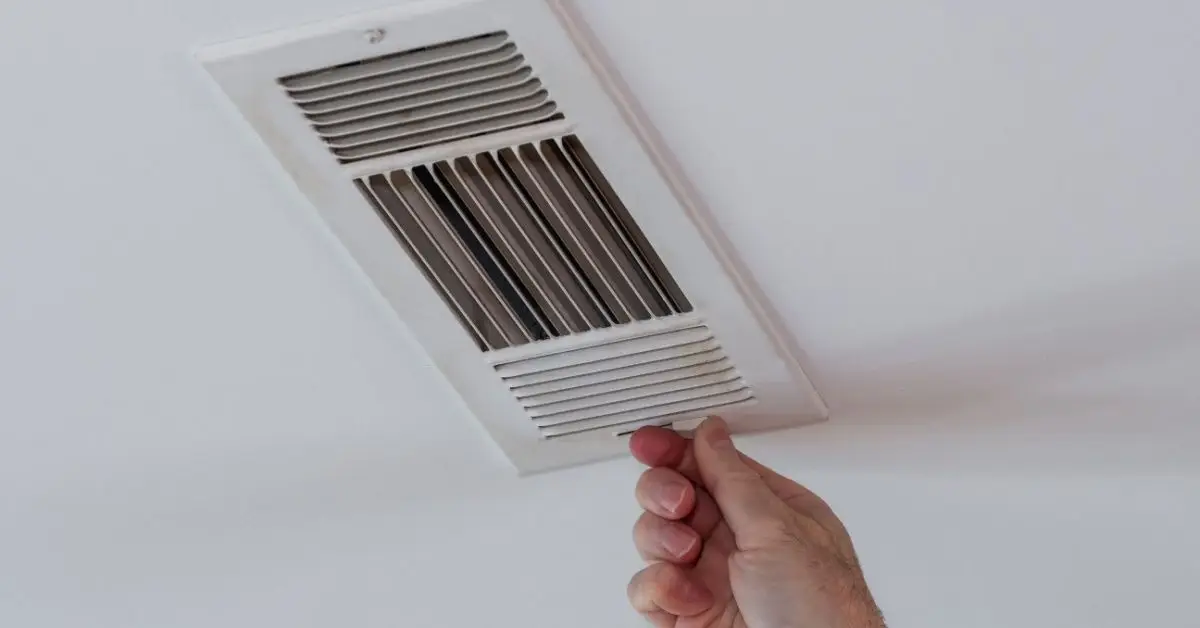
Once I started digging, I realized that the advice I’d been following was directly contradicted by professionals. HVAC experts, repeatedly emphasize that closing vents disrupts balanced airflow (CFM) and can create more problems than it solves.
- Professionals warn that partial or full vent closure should never be done without a properly zoned system
- Even minor airflow restrictions can cause uneven heating or cooling across the home
- Verified energy audits show that unbalanced airflow increases consumption and system wear
Situations Where Closing Vents Can Be Okay (With Nuance)
I want to be fair—closing vents isn’t always a total no-go. There are edge cases where it can work, but only if you handle it carefully. Here’s what I’ve learned:
- Partial closure is okay: Slightly adjusting a vent to redirect airflow can help, but fully shutting it is almost always a mistake.
- True zoning systems: Homes with professionally installed zoning systems or automated dampers can safely close vents because the system is designed to handle it.
- Mind the returns: Even if you close a supply vent, you need to consider the return path. Blocking airflow without proper returns can create pressure problems and reduce efficiency. Maintaining proper airflow is key, whether it’s through your HVAC vents or ensuring your bathroom exhaust fan is clean and functioning efficiently.
The key takeaway? Full closure in a standard HVAC system is risky, but small, informed adjustments in the right context can work.
Better Alternatives to Closing Vents
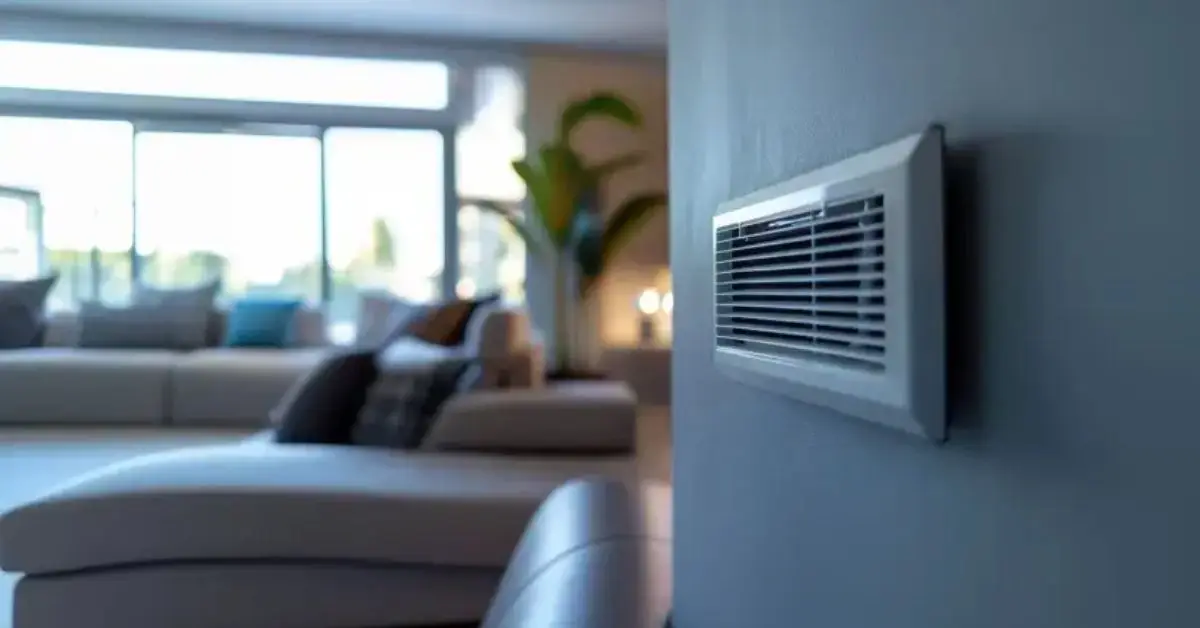
Over the years, I’ve found that there are smarter ways to save energy and stay comfortable without risking your system:
- Zoned HVAC systems: Designed to control temperature room by room safely.
- Smart thermostats and setback schedules: Automate temperature changes instead of manually shutting vents.
- Air sealing and insulation upgrades: Improving windows, doors, and attic insulation keeps the temperature steady without stressing the system.
- Routine HVAC maintenance: Clean filters, check ducts, and get annual professional inspections to keep your system running efficiently.
If you want to improve air circulation without shutting vents, small hacks—like ceiling fan tricks that really work to beat the heat—can make a noticeable difference in comfort and efficiency.
These alternatives protect your HVAC system while still helping you save energy and money.
Quick Checklist — Safe Ways to Improve Comfort & Lower Bills
For those of us who like something actionable and skimmable, here’s a simple checklist you can follow today:
- Keep registers open and unobstructed. (The Spruce)
- Check return airflow and filter status regularly.
- Adjust vents slightly, don’t fully close them.
- Consider professional airflow balancing if your home has uneven temperatures.
Following these steps will help your system run smoothly and your home stay comfortable, without risking hidden costs or damage.
Summary: What Happens if You Close Vents in Unused Rooms
After seeing how my own system reacted and reviewing expert guidance, here’s the hard truth: closing vents rarely delivers the benefits most people expect. Instead, it creates:
- Increased system strain and higher energy bills
- Uneven temperatures and comfort issues
- Potential HVAC damage and health risks from moisture and mold
The safer approach is to use smart alternatives, maintain your system, and focus on airflow balance rather than shutting off rooms.
I’d love to hear from you: Have you tried closing vents in your home? What happened? Share your experience in the comments below or visit Build Like New to explore more tips on improving comfort and efficiency in your home.
Disclaimer: The information in this article is for general educational purposes and reflects my personal experience and research. Always consult a certified HVAC professional before making changes to your home’s heating or cooling system.