5 Things That Happened After She Cleaned Her Dryer — A Repairman Issued a Fire Warning
I’ve seen a lot of home safety stories over the years, but this one stuck with me because it started so casually.
She wasn’t fixing anything. She wasn’t dealing with smoke or sparks. She just cleaned her dryer—something most of us assume we already do “well enough.” Lint trap out, lint off, back in. Done.
Except it wasn’t done.
When the repairman opened the dryer, his reaction changed the tone of the whole visit. He told her she was lucky. Not in a polite, throwaway way—but in the kind of way that makes you pause and replay the last few months in your head.
What he found showed clear signs of a dryer fire hazard that had been building quietly. No alarms. No burning smell. Just small warnings most people miss until it’s too late.
I want you to read this not as a scare story, but as a reality check. Because if you use a dryer, this applies to you. What happened after she cleaned her dryer reveals how close an ordinary home can get to a serious fire—and how easy it is to overlook the risk.
As you read on, ask yourself honestly: when was the last time you looked beyond the lint trap?
The Real Risk: Why Dryer Fire Hazard Isn’t Just Theory
I want you to hear this without fear tactics—dryer fires aren’t rare accidents, and they aren’t bad luck either. In most cases, they’re the predictable result of small issues piling up while everything appears normal.
If your dryer turns on, heats up, and finishes a cycle, you probably assume it’s safe. I’ve learned the hard way that this assumption is where the real risk begins.
A dryer fire hazard builds silently. No smoke. No burning smell. Just heat doing damage behind closed panels.
How Dryers Become Fire Hazards
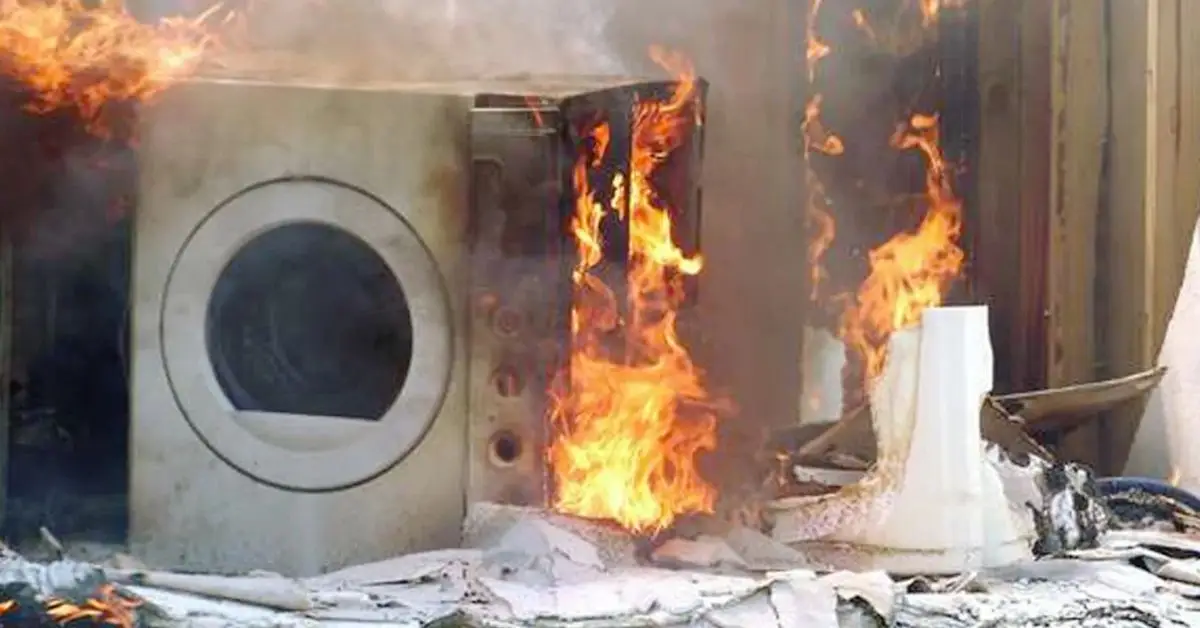
Your dryer is designed to handle heat—but only if airflow, parts, and wiring are working exactly as intended. Once that balance is disturbed, problems start fast.
Here’s how it usually plays out.
Lint Buildup (The #1 Culprit)
Lint may look harmless, but it’s one of the most flammable materials in your home.
What actually happens over time:
- Lint slips past the lint screen during normal use
- Fibers collect inside the dryer cabinet
- Buildup forms near the heating element
- Heat increases with every drying cycle
Even if you clean the lint trap regularly, lint still escapes into areas you can’t see. This is why lint buildup is consistently identified as the leading cause of dryer fires—not neglect, just incomplete cleaning.
Mechanical Wear, Vents, And Airflow Blockage
Your dryer depends on strong airflow to stay safe. When hot air can’t escape, it stays trapped inside the machine.
Common problems I see:
- Dryer vents clogged deep inside walls
- Crushed or kinked vent hoses
- Exterior vents stuck shut
- Older dryers straining due to worn parts
Fire investigators at Envista Forensics—a firm that examines real residential fire cases—have repeatedly found restricted airflow to be a major factor in dryer-related fires.
That heat stress doesn’t cause instant failure. It weakens components slowly until one small trigger sets everything off.
Electrical Sparks And Overheating
This risk is easy to overlook because you can’t see it.
Inside your dryer are:
- High-voltage electrical connections
- Heating elements cycling constantly
- Wires exposed to heat and vibration
Over time, loose connections or worn insulation can create sparks or overheating. On their own, they might not start a fire. Combined with lint and trapped heat, they absolutely can.
What makes this dangerous is how quiet it is. Most people never notice a problem—until someone tells them they were lucky.
Thing #1 That Happened After She Cleaned Her Dryer
The first thing she noticed wasn’t dramatic. There was no warning sound or error light. The dryer just felt… different.
Her Dryer Ran Cooler And More Efficiently
After the cleaning, the repairman ran a test cycle. The outside of the dryer wasn’t overheating anymore, and the cycle finished faster than usual.
Here’s what was actually happening before:
- Lint buildup was choking airflow
- Heat had nowhere to escape
- Internal parts were running hotter than designed
- The dryer had to work longer to do the same job
When airflow improves, heat drops. That’s basic physics. Restricted airflow can increase drying time and energy use by 20–30 percent. Once the lint was cleared from places she never knew existed, the dryer didn’t need to push itself as hard.
Why this matters to you:
- Less heat means lower fire risk
- Shorter cycles mean lower energy bills
- Less strain means longer appliance life
A dryer running too hot isn’t just inefficient—it’s warning you without words.
Thing #2: The Repairman Noticed A Dangerous Vent Blockage
This was the moment the tone changed.
When the repairman disconnected the vent line, he didn’t even need tools to see the problem. Lint wasn’t just present—it was packed in.
What he found:
- Thick lint buildup deep inside the vent hose
- Moist debris clinging to the vent walls
- Air barely moving through the line
Most homeowners never see this because it’s hidden behind the dryer or inside the wall. You clean what’s visible. The real danger lives where you don’t look. Many homeowners don’t realize that ignoring vent issues can be deadly—one common dryer mistake alone has been linked to multiple deaths each year.
Fire safety experts quoted by Realtor.com note that blocked dryer vents are one of the most commonly missed fire hazards in homes, especially in properties where vents haven’t been professionally cleaned in years.
What you should mentally check right now:
- Do you know where your vent exits the house?
- Have you ever disconnected the hose?
- Does your dryer room feel hotter than it should?
If the answer is no or you’re unsure, you’re not alone—but that’s exactly the risk.
Thing #3: Hidden Char Marks She Never Saw

This part shocked her.
Inside the dryer cabinet, there were faint scorch marks—darkened areas she had never noticed. From the outside, the dryer looked fine.
Here’s how that happens:
- Lint settles near hot components
- Heat spikes during long or overloaded cycles
- Tiny sparks or overheating leave burn marks
- Damage starts long before flames appear
Char marks are evidence, not guesses. They mean the dryer has already crossed into unsafe temperatures at some point.
If you want to understand what these look like, a quick visual search for “dryer lint fire damage inside drum” can be eye-opening. Most people don’t realize how subtle early warning signs can be.
Thing #4: A Nearby Socket Was Slightly Damaged
This is where most people stop thinking about lint—and start realizing the risk is bigger.
The outlet behind her dryer showed mild heat damage. Not melted. Not broken. Just enough discoloration to raise concern.
Electrical Wear Signs Every Homeowner Should Check
You don’t need to be an electrician to notice red flags:
- Discolored outlet plates
- Warm plugs after a cycle
- Cracked or brittle wire insulation
- Loose-fitting power cords
What to do if you spot any of these:
- Stop using the dryer
- Don’t ignore “minor” damage
- Have a professional inspect it
Heat plus electricity plus lint is a combination you never want forming quietly behind your walls.
Thing #5: She Got A Fire Prevention Checklist From The Technician
Before leaving, the repairman handed her something simple—and far more valuable than a repair bill.
A checklist.
Not complicated. Just realistic steps most people skip because no one ever explains why they matter.
It included:
- Clean the lint trap after every load
- Deep-clean the vent line at least once a year
- Check exterior vent airflow regularly
- Schedule a professional inspection every few years
- Act immediately if drying times increase or heat feels excessive
This is where the story shifts from “she was lucky” to “you don’t have to be.”
If someone asked you today to list your dryer safety habits without guessing—could you?
That answer matters more than you think.
What Repair Technicians Want Every Homeowner To Know
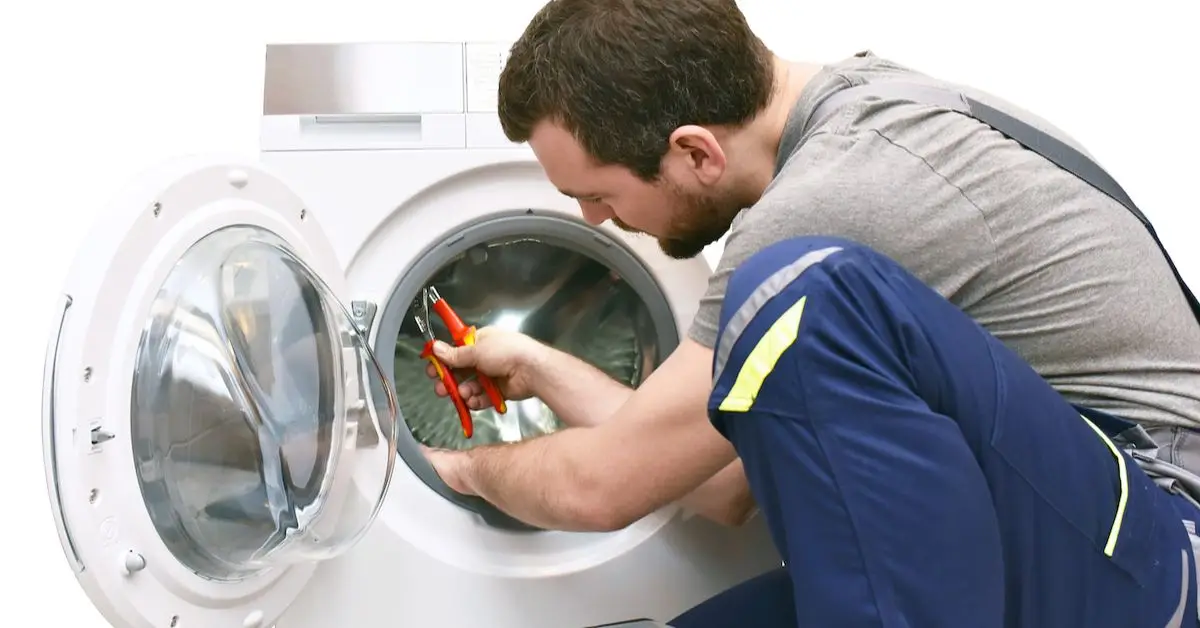
After years of reading service reports and listening to technicians, one pattern is clear: most dryer fires don’t surprise the people who fix appliances for a living.
They surprise homeowners.
Technicians often say the same things, just in different words. Not because they’re dramatic—but because they’ve seen what happens when small warnings get ignored.
Here’s what they want you to know, based on real-world repairs and fire investigations.
What pros consistently point out:
- Most dangerous dryers were still “working fine”
- Lint buildup is usually worse inside the machine, not the trap
- Vents are almost always dirtier than homeowners expect
- Heat damage often starts months before any visible sign
In online repair forums and homeowner discussions, appliance technicians frequently warn that by the time a dryer shows obvious trouble, it has already been unsafe for a while. That gap—between silent risk and visible damage—is where fires happen.
Home safety writers at Good Housekeeping, citing fire safety experts, echo this same concern: dryer fires are rarely caused by a single failure, but by a chain of ignored maintenance issues.
If you remember one thing, let it be this: a dryer doesn’t need to look broken to be dangerous.
Quick DIY Safety Tests And Tools You Can Use Today
You don’t need special training to catch early warning signs. You just need to know what to look for—and where.
Here are simple checks I recommend to homeowners who want to act now, not “someday.”
How To Check Vent Airflow
Do this during a normal drying cycle:
- Go outside and find the vent exit
- Feel for strong, steady warm airflow
- Watch the vent flap—does it fully open?
Weak airflow, a barely moving flap, or excess heat around the dryer area are red flags.
Tools That Actually Help
You don’t need expensive gear. These basics make a real difference:
- Dryer vent cleaning brush kits
- Vacuum hose attachments for lint removal
- Flashlight for inspecting behind and beneath the dryer
If you ever spill wax or similar debris near your laundry area, knowing 5 easy hacks to save your sofa and clothes fast can prevent unexpected hazards to your clothes or dryer.
These tools help you reach lint buildup you’ll never catch with a lint trap alone.
When To Call A Professional
DIY has limits. Call a pro if:
- Clothes take much longer to dry
- The dryer feels unusually hot
- You smell a faint burning odor
- You haven’t cleaned the vent line in years
Waiting for “one more cycle” is how near-misses turn into emergencies.
Common Myths About Dryer Fire Safety (Debunked)
I hear these all the time—and they’re exactly why dryer fire hazards get underestimated.
Myth: “Cleaning The Lint Trap Is Enough”
It’s not.
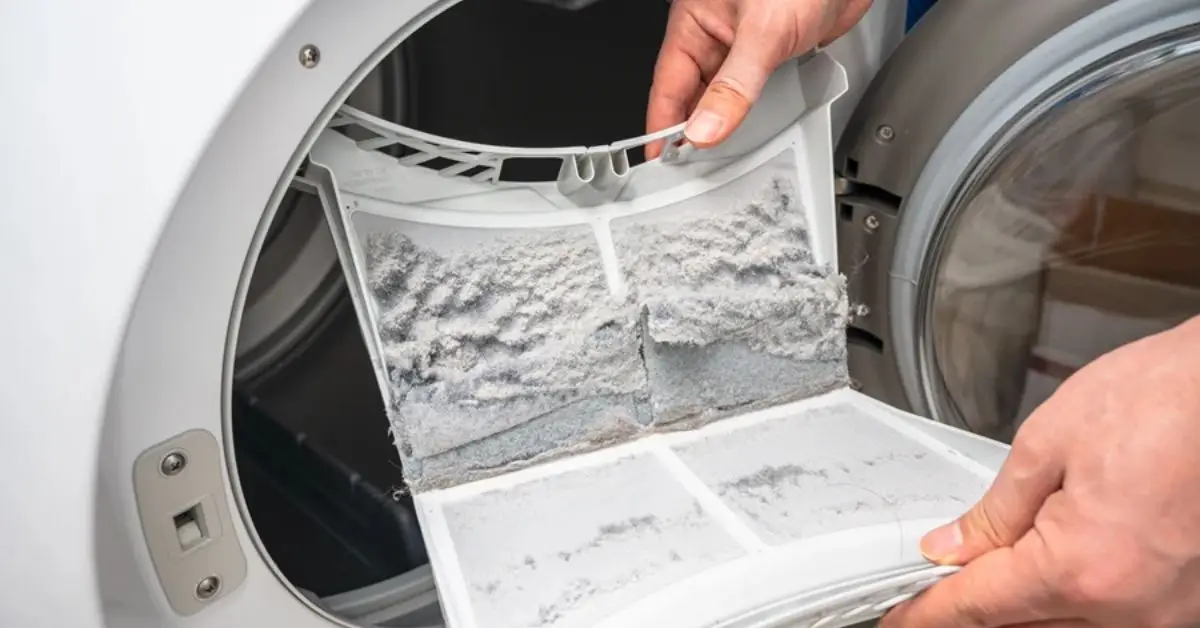
The lint trap catches only a portion of fibers. The rest travel into the dryer cabinet and vent line. That hidden lint is what fuels most fires.
Myth: “Only Old Dryers Catch Fire”
Age doesn’t protect you.
Newer dryers can overheat too—especially if vents are poorly installed, airflow is restricted, or maintenance is skipped. Fire risk is about conditions, not age.
Myth: “I Run My Dryer On Low Heat, So I’m Safe”
Lower heat helps—but it doesn’t remove lint, fix airflow, or stop electrical wear.
If heat can’t escape, even low settings can create dangerous internal temperatures over time.
Wrap Up With Action Steps You Can Actually Use
If there’s one thing I want you to take away from this, it’s this: a dryer fire hazard doesn’t announce itself. It builds quietly while life goes on as usual.
The good news? You don’t need to overhaul your home to stay safe. You just need a simple system—and the discipline to follow it.
Do These Immediate Actions Today
Don’t overthink this. Start small, start now:
- Pull your dryer slightly forward and check the vent hose
- Clean the lint trap thoroughly, including the edges
- Run a cycle and feel how hot the dryer and surrounding area get
- Check the exterior vent for strong airflow
Just like you shouldn’t place items carelessly around heat sources, maintaining proper space around your dryer and vents is essential—similar to the precautions you take around your fireplace.
If anything feels off, don’t ignore it. Small warning signs are still warnings.
Follow This Weekly Safety Checklist
This is the routine most repair techs wish homeowners followed:
- Clean the lint trap after every load
- Make sure the dryer area isn’t overheating
- Listen for unusual sounds or strain
- Pay attention to longer drying times
These checks take minutes but can prevent months of damage.
Know When To Call A Professional
Some things shouldn’t be DIY:
- You haven’t cleaned the vent line in over a year
- The dryer smells hot or electrical
- The outlet or cord shows heat damage
- Drying times keep increasing
Calling a professional early costs far less than dealing with a fire—or even a major repair.
I share guides like this because I’ve seen how often small home issues turn into big problems when no one talks about them clearly.
If this made you rethink your dryer habits, tell me in the comments—what’s one thing you’re going to check today?
And if you want more practical, no-nonsense home safety and maintenance advice, visit Build Like New. That’s where I break down everyday home risks and show you how to handle them before they become emergencies.
Disclaimer: This article is for informational purposes only and is not a substitute for professional inspection or repair. Always follow manufacturer guidelines and consult a licensed technician if you suspect any electrical or fire hazards in your home.