3 Christmas Decorations That Are Dangerous if Left Plugged In
Every year, I get excited decorating my home for the holidays—twinkling lights, colorful ornaments, and those giant inflatables in the yard. But I’ve also learned the hard way that holiday cheer can quickly turn into a nightmare if decorations are left plugged in for too long. Electrical fires spike every December, and most of the time, they start with something as simple as string lights or a pre-lit tree.
I want to share the three decorations I never leave plugged in, along with why it matters for your safety and peace of mind. Knowing this isn’t just about following rules—it’s about keeping your home, your family, and your hard work intact. By the time you finish reading, you’ll know exactly what to unplug and how to enjoy a safe, worry-free holiday season.
Under the Hood: How Decorations Turn From Festive to Dangerous
When I started decorating my home for the holidays, I didn’t think twice about leaving lights plugged in overnight. But after reading up on safety tips and talking to a few experts, I realized how quickly something as simple as a string of lights can turn risky. Here’s what I’ve learned—and what you should keep in mind:
- Electrical overloads and heat buildup: Even modern lights can heat up if too many strands are plugged into a single outlet. I’ve seen cords get warm enough to melt the insulation, which can easily spark a fire. It’s not just old lights either—anytime electricity is concentrated, there’s risk.
- Dry tree danger: Real Christmas trees look magical when lit up, but a dry tree with plugged-in lights is like a ticking time bomb. The needles can catch fire in seconds. Artificial trees aren’t completely safe either—they have wiring inside that can overheat if left on for long periods. Knowing the difference and monitoring your tree’s condition is critical.
- Outdoor exposure: If you put lights or inflatables outside, you’re dealing with moisture, rain, and sometimes snow. Water + electricity is a recipe for short circuits. I always make sure outdoor decorations are rated for exterior use and never leave them unattended.
I also came across some great advice from a fire safety expert who reminded me: unplug your lights when you leave the house or go to bed. Simple as that, but so many people overlook it.
Thinking about these risks really changed how I approach decorating. You can enjoy every twinkle and glow without worrying about a fire if you stay mindful and plan ahead.
1. Christmas Tree Lights & Pre‑Lit Trees
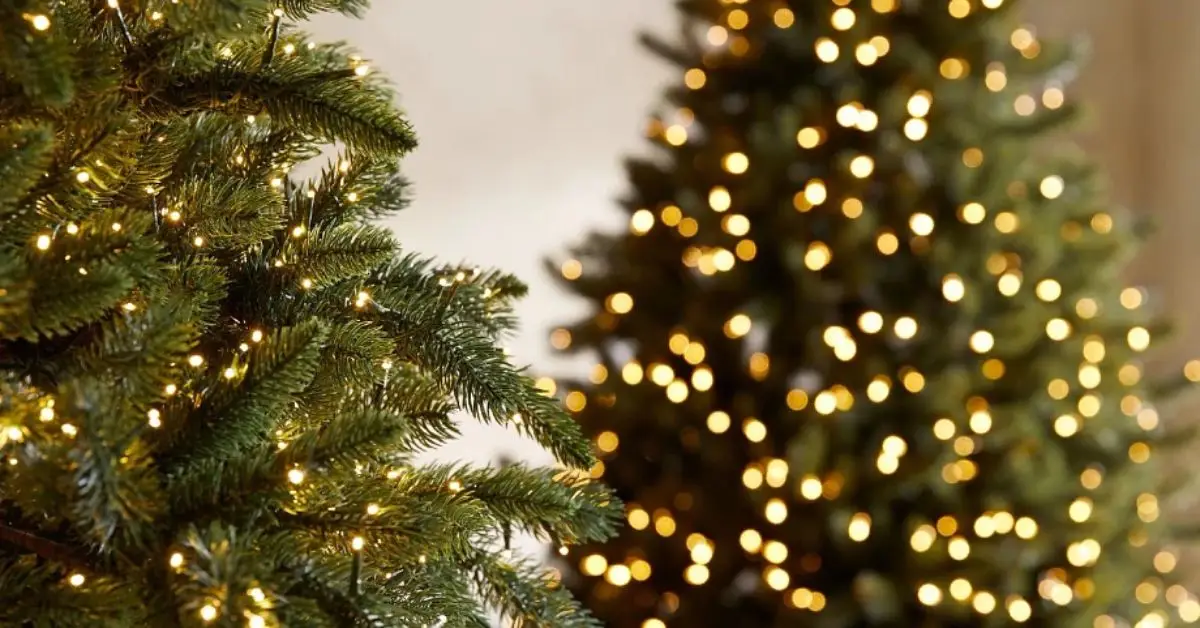
When I first set up my Christmas tree, I loved the idea of pre‑lit perfection—everything glowing without a fuss. But I quickly learned that pre‑lit trees come with hidden risks.
- Long hours increase fire risk: Leaving lights on all day and night can overheat cords. Most Christmas tree fires happen because lights are left unattended for long periods.
- Pre‑lit trees are harder to inspect: Unlike a standard tree with separate lights, the wiring is built-in. That means you can’t easily spot frayed wires or loose connections, making it easier for a fire to start.
- LED vs. incandescent: LEDs are cooler and more energy-efficient, but they’re not risk-free. Damaged LEDs or cords can still spark a fire.
What I do now: I always use timers and make it a habit to unplug the tree when I leave the house or go to bed. It’s a small step that protects the whole house.
2. String Lights & Extension Decorations
String lights are everywhere during the holidays, and I used to think I could plug in as many as I wanted. I quickly realized that more isn’t always better.
- Overuse and overload: Plugging multiple strands into one outlet can overheat wires. I’ve seen outlets get so warm that it sets off alarms in some homes. A simple extension cord can’t handle too many lights safely.
- Indoor vs. outdoor confusion: Outdoor-rated lights can handle moisture, but indoor lights aren’t built for rain or snow. Leaving indoor lights outside can cause short circuits.
- Inspect before you plug in: Frayed wires, broken plugs, or damaged bulbs are all danger signs. I toss any faulty strands immediately—it’s not worth the risk.
What I do now: I unplug all string lights when I’m not home and make sure outdoor displays use proper outlets. For extra guidance on what lights to unplug and how to keep them safe, I always check Better Homes & Gardens’ holiday decoration tips.
3. Lawn Inflatables & Motorized Decorations
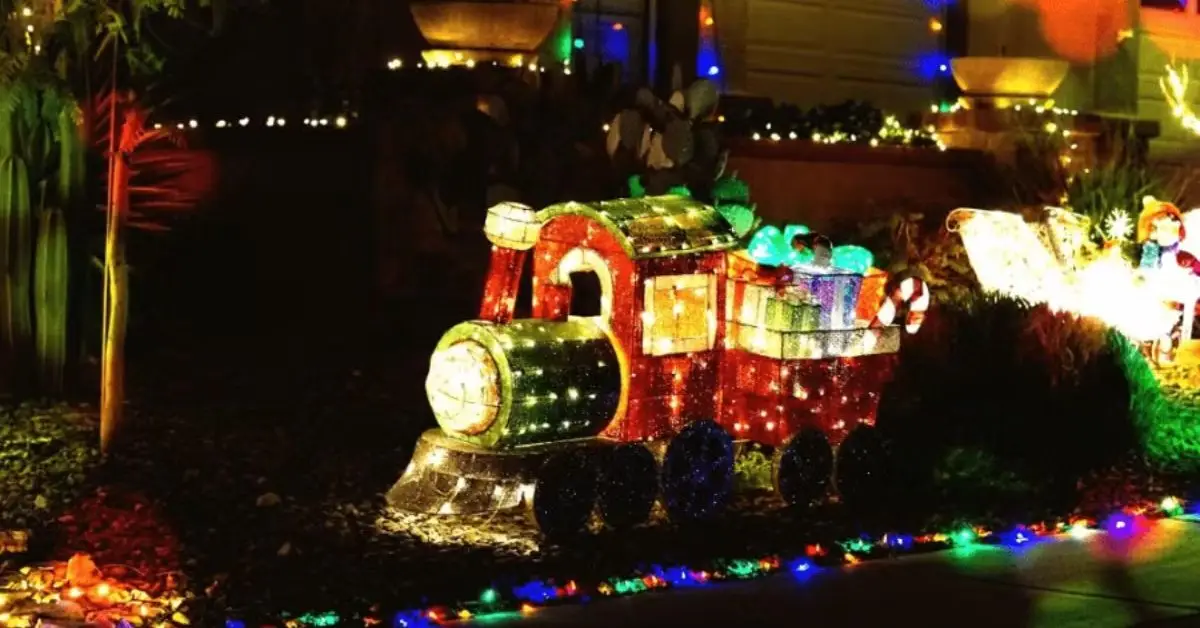
I have to admit, I used to love waking up to giant Santa inflatables and spinning reindeer in the yard. They make the house look festive, but I quickly realized they bring risks that most people overlook.
- Moving parts and motors generate heat: All those fans and motors inside inflatables can get surprisingly hot, especially if left running for hours. That heat, combined with electrical cords, can be a real fire hazard.
- Weather exposure increases risk: Rain, snow, or even heavy dew can create short circuits if the decorations aren’t properly rated for outdoor use. I’ve seen some setups fail within minutes during a storm.
- Limited hours are safer: Leaving these decorations on all night isn’t just wasteful—it increases the risk of overheating or electrical problems.
What I do now: I unplug my inflatables and motorized decorations during bad weather and whenever we’re not home. For guidance on which holiday decorations to unplug and how to set them up safely, I refer to Johnson Team’s holiday electrical safety tips.
Common Misconceptions and Risks People Miss
I used to think LED lights were completely safe—no heat, no worries. But over the years, I learned that even LEDs can pose a hazard if the wiring is damaged, cords are pinched, or connections are loose. Understanding the real risks makes a huge difference in how I approach decorating.
- LED lights aren’t risk-free: Modern LEDs run cooler than incandescent bulbs, but they can still spark a fire if the wiring gets damaged or overloaded. I always inspect every strand before plugging it in, even if it’s brand new.
- Outdoor decorations can’t run 24/7: It’s tempting to leave your yard glowing all night, but constant power combined with wind, rain, or snow can create short circuits or overheated wires. I make it a rule to only leave outdoor displays on for a few hours at a time—usually in the evenings when the family is enjoying them.
- Pets and kids: Curious paws and little hands are drawn to dangling cords. I’ve seen pets chew wires and toddlers tug at decorations, which could lead to electrical shocks or fires. Unplugging decorations whenever you’re away or asleep is one of the simplest ways to prevent accidents.
- Overconfidence with safety ratings: Just because a decoration is “LED” or “indoor/outdoor rated” doesn’t mean it’s immune to accidents. I always combine manufacturer recommendations with my own routine inspections to stay safe.
How to Test Your Holiday Lights Safely
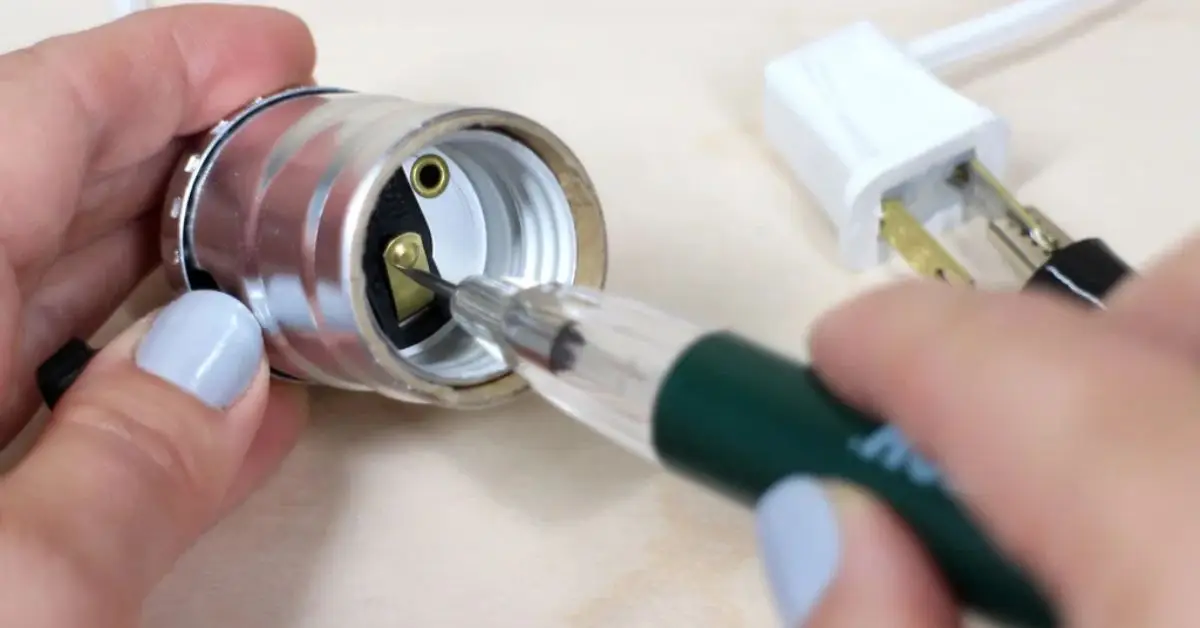
I used to rush through setting up my tree lights, thinking that as long as the strand looked fine, it was safe. Over time, I learned that a few extra minutes testing each strand can prevent big problems later. Here’s my routine:
- Inspect bulbs and wires before plugging in: I check for any frayed wires, cracked insulation, or loose bulbs. Even a single damaged section can overheat and start a fire.
- Replace broken or missing bulbs: Missing or broken bulbs don’t just make your lights look uneven—they can also create electrical gaps that increase the risk of sparks. I always replace any faulty bulbs before hanging the strand.
- Test each strand for flickering: Before placing lights on the tree or outdoors, I plug each strand in for a short test. Flickering, dim sections, or buzzing sounds are warning signs that the strand needs attention or replacement.
Taking these steps might add a few minutes to decorating, but it’s worth it. I can relax knowing my decorations are safe, and I avoid surprises like burned-out lights or, worse, a fire hazard.
Quick Safety Checklist
When I want to feel fully in control of holiday safety, I rely on a simple, skimmable checklist that has saved me a lot of stress over the years:
- Plugging safety: Use GFCI outlets when possible, quality extension cords, and timers to avoid overloads. Just like unplugging holiday decorations can prevent fires, unplugging bedroom appliances when not in use is another simple step that protects your home and saves energy. I even label outlets so I know exactly which decorations are plugged in at a glance.
- Signs to unplug immediately: Warm, flickering, or buzzing wires are red flags. Damaged plugs, exposed wiring, or broken bulbs are immediate reasons to shut everything down. I’ve learned that even small issues can escalate if ignored.
- Daily and nightly habits: Make unplugging decorations part of your daily routine. I always do a quick walkthrough before leaving the house or going to bed, and it only takes a few minutes.
- Proper storage habits: Once the holidays are over, I store all decorations carefully—untangling cords, wrapping strands properly, and keeping motors or inflatables in a dry place. Good storage prevents wear and tear, so next year is safer from day one.
What to Do Instead (Safe Alternatives & Best Practices)
I realized that safety doesn’t mean you need to sacrifice holiday spirit. You can still make your home magical with smarter choices:
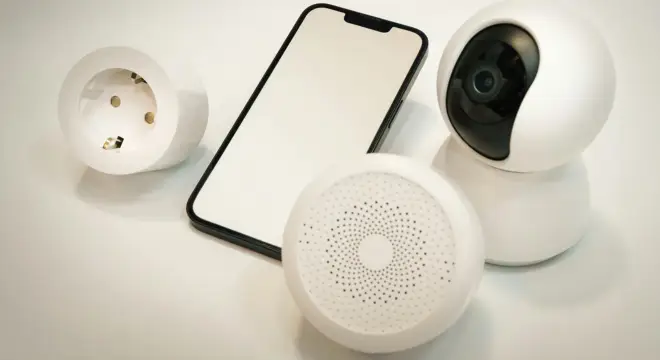
- Smart plugs and auto schedules: I use smart plugs to turn lights on and off automatically. Not only does it reduce fire risk, but it also saves energy and keeps the lights on a predictable schedule.
- Battery-powered LED options: For small tabletop decorations or shelves, I prefer battery-powered LEDs. They’re completely safe from cords and can still create that warm, festive glow.
- Flame-retardant decorations: When buying new ornaments or inflatables, I always check that they’re made with flame-retardant materials. It’s an extra layer of safety that gives peace of mind without any compromise on style.
- Rotate displays: Instead of leaving every decoration on at once, I rotate displays. Not only does this reduce electrical load, but it also keeps the décor feeling fresh and exciting.
Final Takeaway
After years of decorating and learning from small close calls, I can confidently say: unplugging your holiday decorations isn’t optional—it’s essential. A little mindfulness goes a long way. Unplugging decorations isn’t just about safety—it can also reduce your electricity bill. You can apply the same principle to other devices in your home to save money every month. Checking cords, limiting hours, using smart plugs, and rotating displays ensures your home stays magical and safe at the same time.
If you’re going away for the holidays, remember that unplugging your decorations is just as important as unplugging other devices before a trip—it prevents accidents and unnecessary expenses.
I’d love to hear from you—what’s your go-to holiday safety tip? Share it in the comments below, and don’t forget to visit Build Like New for more practical tips to keep your home festive, safe, and worry-free this season.
Disclaimer: The information provided in this article is for general safety and educational purposes only. Always follow manufacturer instructions and local safety regulations when using holiday decorations. Build Like New is not responsible for accidents or damage resulting from the use of this advice.