These 6 Everyday Cleaners Are Destroying Your Wood Floors
I’ve seen this happen more times than I can count: someone cleans their wood floors with good intentions—and ends up damaging them for good. The shine fades. Boards start to look dull or warped. And the worst part? It usually comes from products people trust and use every week.
If you have wood floors, I want you to pause before your next cleaning session. Because some of the most common “safe” cleaners, tools, and DIY hacks can quietly ruin the finish and shorten the life of your floors. I’m not talking about rare mistakes. I’m talking about things sitting under your sink right now.
Most articles online just list products and move on. What they don’t explain is why these things are harmful, how the damage actually starts, and how long it takes before you notice it. That gap is exactly where homeowners get misled—and where expensive repairs begin.
You deserve straight answers, not recycled tips. I’ll walk you through the biggest mistakes I see people make, based on expert guidance and real homeowner experiences, so you don’t learn the hard way.
Before we get into the list, think about this for a second: what do you usually use to clean your wood floors—and who told you it was safe?
What You Must Know Before You Clean
Before you touch your wood floors with any cleaner or tool, there’s one thing I want you to understand clearly: wood floors are not like tiles or vinyl. They’re a long-term investment. And once the damage starts, it’s slow, silent, and expensive to fix.
Wood floors have a protective finish on top, but underneath that, the material is still porous and sensitive. When you clean the wrong way, you’re not just removing dirt—you’re slowly wearing down that protection without realizing it.
I see the same mistakes again and again, especially when people follow generic or “natural” cleaning advice they found online. Things like:
- Using vinegar because it sounds safe
- Steam mopping because it feels deep and hygienic
- Using too much water thinking it will dry anyway
Here’s what usually happens next:
- The shine starts fading
- The surface feels rough or cloudy
- Boards begin to cup or slightly warp near the edges
Most homeowners don’t connect these problems to cleaning habits. That’s why understanding what actually harms wood is so important before we talk about products.
Thing #1: Ammonia & Harsh Chemical Cleaners
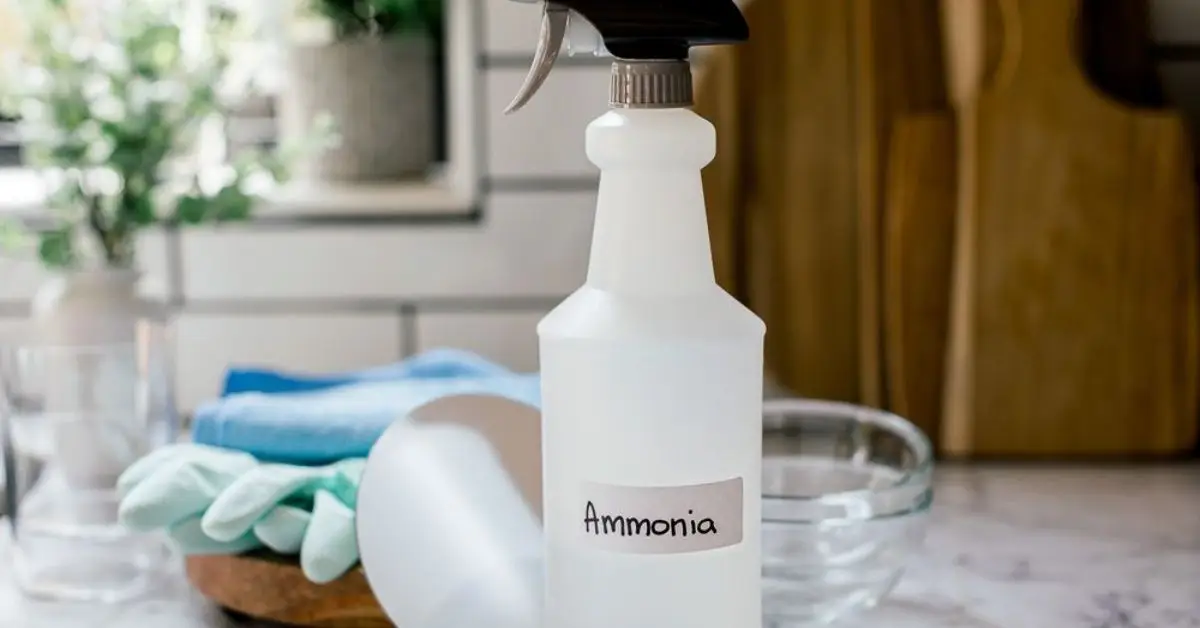
I get why strong cleaners feel tempting. You spray, wipe, and the floor looks clean instantly. But ammonia and harsh alkaline chemicals are doing damage you won’t see right away.
Over time:
- They break down the floor’s protective finish
- They weaken the wood fibers underneath
- The floor starts losing color, shine, and smoothness
Many everyday products contain these chemicals, even if they’re not marketed for floors:
- Glass cleaners
- Heavy-duty disinfectants
- Some “multi-surface” sprays
I’ve seen homeowners use diluted ammonia for years, thinking it was harmless, only to realize later that it stripped their floor’s finish.
A safer approach:
- Use pH-neutral cleaners made for hardwood
- Avoid anything labeled heavy-duty or degreasing
- When unsure, mild is always better than aggressive
Thing #2: Excess Water, Traditional Mops & Steam Cleaners
If there’s one cleaning habit that ruins wood floors the fastest, it’s excess moisture.
Wood absorbs water. Even small amounts, used repeatedly, can lead to:
- Swelling and cupping
- Finish separation
- Permanent structural stress
Traditional string mops leave behind too much water. Steam mops are even worse because heat forces moisture deep into the wood. Flooring experts consistently warn against this.
According to RW Supply + Design, combining heat and moisture is one of the quickest ways to damage hardwood floors because it pushes water past the finish and into the wood itself.
Real homeowners have learned this the hard way. Many report that steam mops made their floors look great at first—then dull, warped, or uneven within months. If your floors have already warped or dulled from excess moisture, you might want to check out 3 genius ways homeowners are restoring hardwood floors to bring back their original beauty without replacing them.
What actually works better:
- A microfiber mop that’s only lightly damp
- No standing water, ever
- Drying the floor immediately after cleaning
You don’t need more water to clean better. You need control.
Let me ask you honestly—what cleaner or tool are you using on your wood floors right now, and did you ever question whether it might be doing slow damage?
Thing #3: Vinegar & Acidic Cleaners
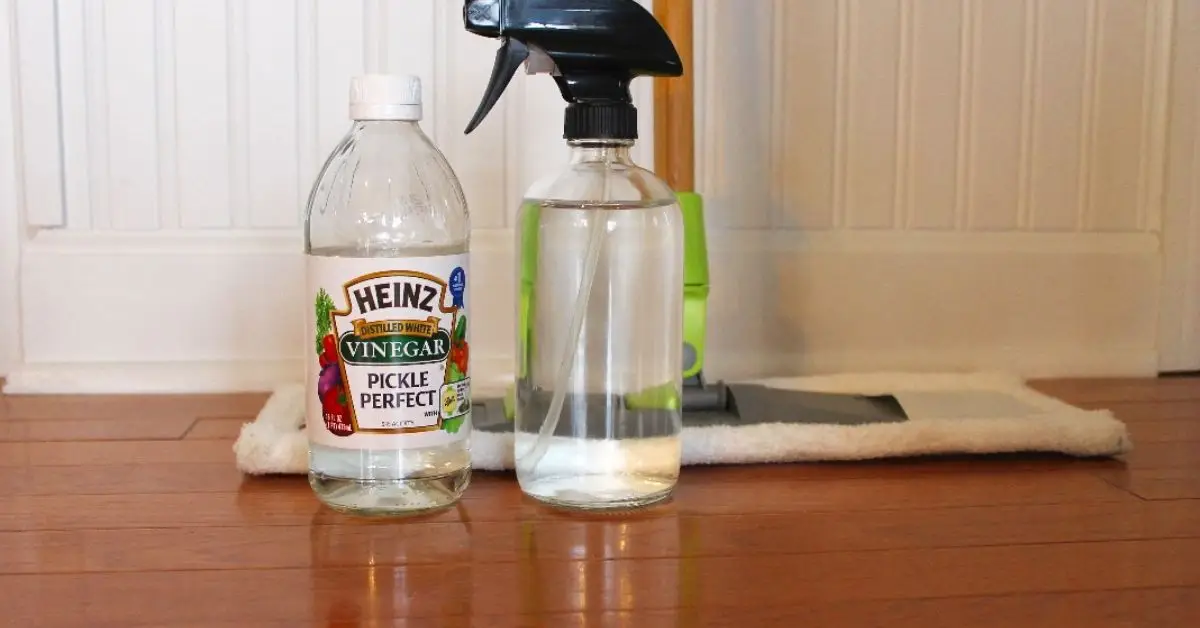
This one always surprises people. You might’ve heard that vinegar is a safe, natural cleaner — but on wood floors, it’s a trap.
Here’s the deal: vinegar is acidic. That acid eats away at the protective finish on your wood over time. And once that finish weakens, moisture and dirt start penetrating the wood itself.
You might think diluting vinegar solves the problem. It helps a little, but not enough. Occasional use might not destroy your floors instantly — but repeated use definitely speeds up finish breakdown.
Cleaning experts and trusted home sources advise against this whole category of cleaners. Vinegar and other acidic solutions among the common things you should never use on wood flooring because they can damage the finish and dull the surface over time.
What to do instead:
- Choose a pH-neutral wood floor cleaner
- Use products specifically formulated for sealed hardwood
- Skip DIY acidic solutions completely
Natural doesn’t always mean safe — and with wood floors, I’d rather be cautious than sorry.
Thing #4: Oil Soaps, Wax & Furniture Polishes
Here’s a mistake I see a lot: using oil soaps or furniture polish because they shine the floor.
The problem is they don’t actually clean — they leave a film behind. That film attracts dirt, builds up over time, and eventually dulls your floor instead of protecting it.
Let’s be honest: when you spend hundreds or thousands on wood floors, the last thing you want is a sticky layer that traps dirt and makes the floor slippery.
Long-term, this film:
- Makes refinishing harder
- Creates uneven shine
- Holds dirt that normal mopping can’t remove
Over time, residue and buildup from waxes or oil soaps can leave scratches or uneven spots, but there are 5 easy ways to remove scratches from hardwood floors without replacing them that can restore your floor’s smooth, polished look.
What works instead:
- Manufacturer-approved wood floor products used sparingly
- Polishing only as recommended, not every week
You’ll actually enjoy the natural grain and depth of the wood when there’s no residue hiding it.
Thing #5: Dish Soap, Glass Cleaner & Abrasive Solutions

This group feels convenient — we all have these cleaners in the house. But that convenience comes with a cost.
Here’s why they’re bad:
- Dish soap leaves behind a film that dulls finish over time
- Glass cleaners often contain alcohol or ammonia that strip protective coatings
- Abrasive scrubbers literally scratch the wood surface
Even if the floor looks clean right after, these products are slowly weakening the protective layer. That’s exactly the kind of issue The Spruce warns about when it explains what not to use on wood floors — because improper products can damage both finish and wood beneath.
Better approach:
- Soft microfiber cloths or mops
- Wood-safe cleaners only
- Gentle cleaning motion instead of hard scrubbing
I promise — once you switch to the right tools and products, you’ll see the difference in both how the floor looks and how long it lasts.
Thing #6: Floor Polishes That Claim to “Protect” Wood
This is where marketing really messes with homeowners.
Products that promise “extra shine” or “long-lasting protection” sound reassuring. I’ve seen many people use them thinking they’re doing something good for their floors. In reality, most of these shine boosters don’t protect wood at all—they just sit on top.
Here’s the problem:
- They leave a thin film on the surface
- That film traps dirt and wears unevenly
- Over time, floors look patchy instead of polished
Some of these products can even void your floor warranty. Professional cleaners regularly warn against popular shine-boosting brands because manufacturers don’t recognize them as true protective finishes. As Steam Star explains, these products create buildup rather than protection and can lead to long-term damage that refinishing won’t easily fix.
It’s important to understand the difference:
- A real protective finish is applied during installation or refinishing
- A superficial gloss just coats the surface temporarily
What to look for instead:
- Products approved by your floor manufacturer
- Clear labeling for hardwood-specific use
- No promises of “instant shine” or “miracle protection”
Avoiding these bad buys saves you money—and regret.
Quick Checklist: What You Can Safely Use
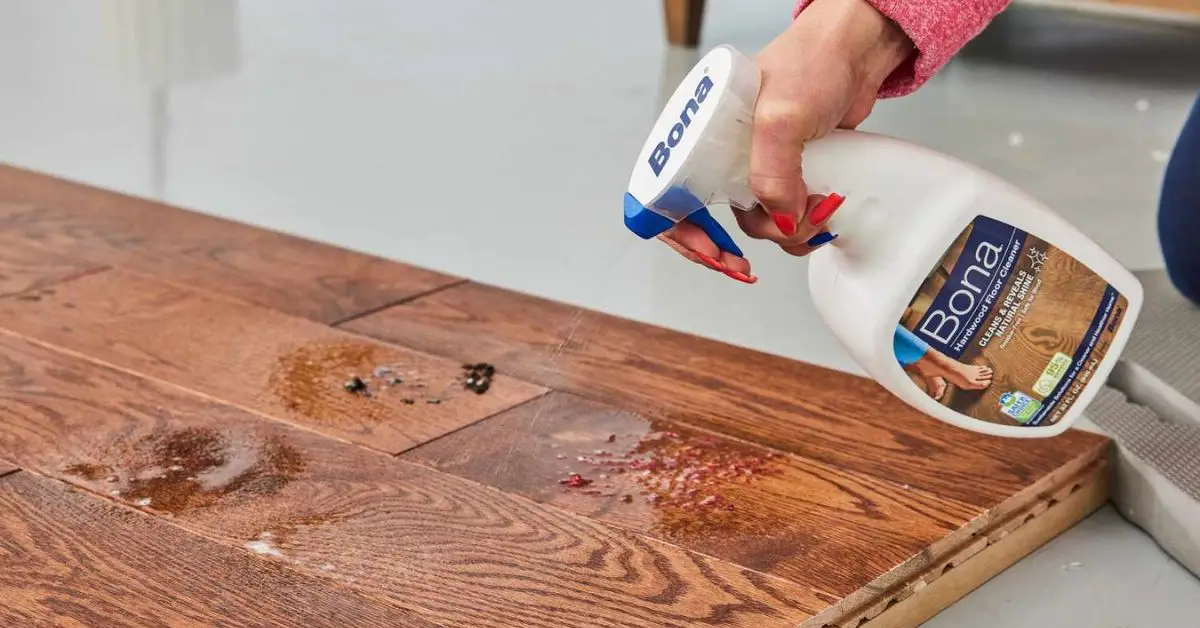
After all the “don’ts,” I want to make this simple for you. Safe wood floor care doesn’t require fancy tools or strong products. It’s about consistency and restraint.
Here’s what actually works:
- pH-neutral cleaners made for hardwood floors
- Microfiber mops or cloths (lightly damp, never wet)
- Dry dusting before any wet cleaning
- Furniture pads under chairs and tables
- Vacuums with soft brush heads designed for wood
Why this matters: once you switch to the right basics, you stop fighting damage and start preserving what you already paid for. Good care isn’t aggressive—it’s intentional.
Before you buy your next floor cleaner or polish, take a second look at the label. Does it truly protect wood—or just promise shine? To make sure you’re not making hidden mistakes that dull your floors, take a look at 4 hardwood floor cleaning blunders that are dulling your floors right now — and learn how to avoid them before they cause lasting damage.
Safe Cleaning Routine (Simple & Realistic)
I don’t want you walking away from this article feeling confused or scared to clean your floors. Wood floors don’t need extreme care — they need consistent, smart habits.
Here’s a routine I personally recommend because it actually works long-term:
Daily or as needed
- Sweep or vacuum first to remove dust and grit
- Use a vacuum with a soft brush head only
Weekly cleaning
- Lightly mist a wood-safe cleaner (never pour)
- Wipe with a microfiber mop — damp, not wet
- Move in the direction of the wood grain
Always
- Wipe spills immediately, even water
- Never let moisture sit and “air dry”
Why this matters: most damage doesn’t come from one bad clean. It comes from small mistakes repeated over months. A simple routine like this protects the finish and keeps the wood stable underneath.
Common Myths Debunked (That Ruin Floors Quietly)
Let’s clear up a few things that sound logical — but aren’t.
Myth: “Vinegar is natural, so it must be safe.”
Natural doesn’t mean gentle. Vinegar is acidic, and acid slowly eats away at wood finishes.
Myth: “Steam cleaning kills germs, so it’s better.”
Heat + moisture is the worst combo for wood. You may not see damage immediately, but it’s happening underneath.
Myth: “More product means cleaner floors.”
Extra cleaner usually means residue. Residue attracts dirt and dulls shine.
Myth: “If it looks shiny, it’s protected.”
Shine is often just buildup. Real protection comes from the original finish, not a spray.
Why debunking these matters: once you stop trusting myths and start understanding how wood behaves, your cleaning choices become easier and safer.
Final Thoughts (Read This Before You Clean Again)
Wood floors are meant to last decades — but only if you treat them like wood, not tile or laminate.
Most floor damage I see isn’t caused by neglect. It’s caused by well-meaning people following bad advice, using the wrong products, or trusting marketing instead of facts.
If this guide helped you rethink even one cleaning habit, it’s already doing its job.
I’d genuinely love to hear from you:
- Which product or habit surprised you the most?
- Have you ever noticed damage after using something you thought was safe?
Drop your experience in the comments — your story could save someone else’s floors.
And if you want more practical, no-nonsense home guidance like this, visit Build Like New. My goal there is simple: help you maintain your home the right way, without costly mistakes.
Disclaimer: This content is for general home-care information only. Cleaning methods and products may vary based on your floor type, finish, and manufacturer guidelines. Always check your flooring warranty and test any product on a small, hidden area before full use.