7 Sneaky Ways Your Home Is Encouraging Spider Infestations
I never thought much about why spiders keep showing up in my home—until I started noticing them in the corners, near the windows, and even around my favorite reading chair. At first, I blamed bad luck, but the truth is a lot of us are unknowingly making our homes irresistible to these eight-legged visitors. Spiders aren’t just wandering around randomly; they follow food, shelter, and safe spots. And if you’ve ever wondered why yours seem to appear out of nowhere, it usually comes down to a few simple mistakes in how we manage light, clutter, moisture, and even our landscaping.
In this article, I’ll walk you through the most common missteps I’ve seen—and made myself—that actually invite spiders inside. I’ll also share practical fixes that don’t involve calling an exterminator or spraying harsh chemicals everywhere. By the end, you’ll understand exactly why spiders come in and, more importantly, how to gently convince them to stay outside.
Mistake #1: Leaving Outdoor Lights On at Night
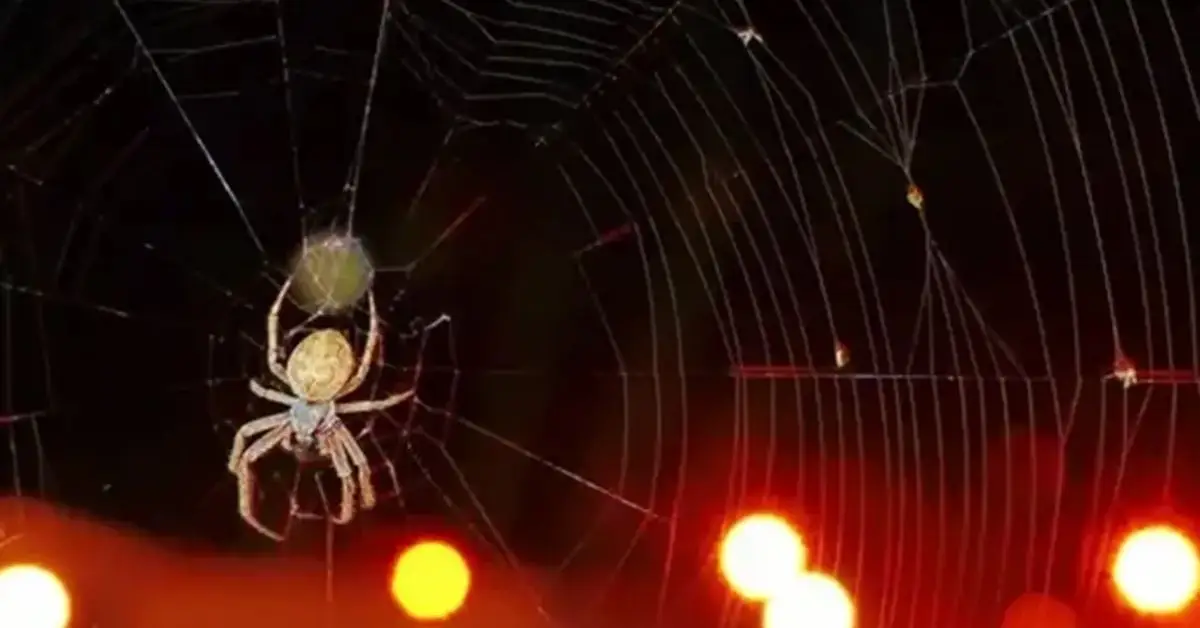
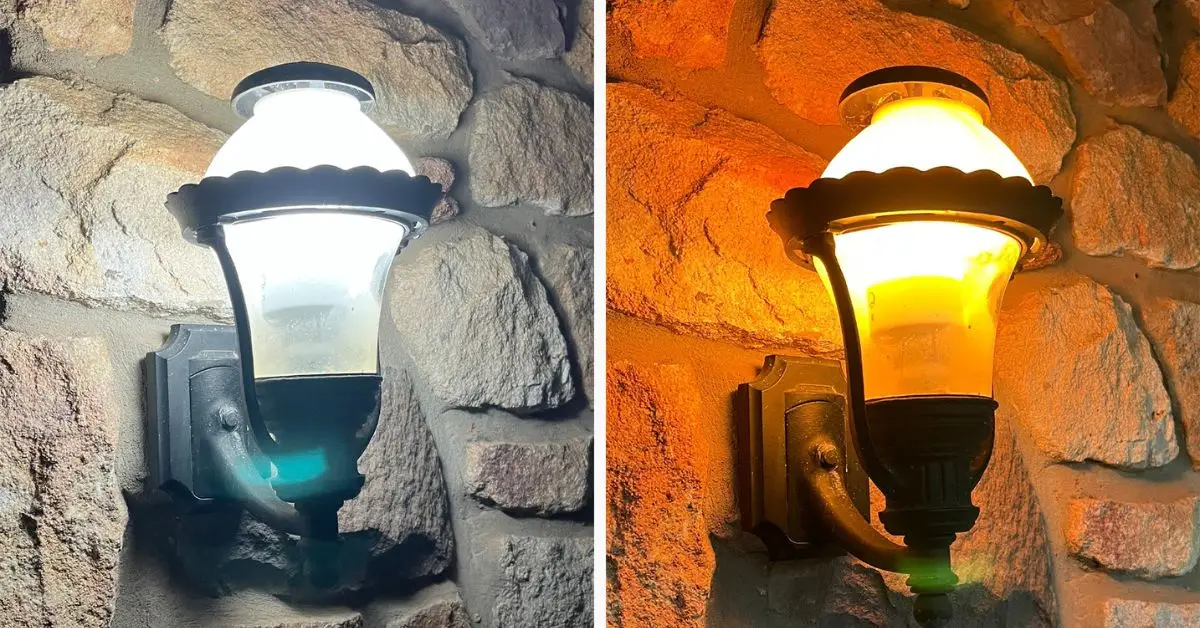
I used to leave my porch and garden lights on all night without thinking twice. Turns out, that little habit was like putting out a dinner invitation for spiders. Lights don’t attract spiders directly—they attract insects, and where the food goes, the spiders follow.
Here’s what I learned that most articles skip:
- Switch your bulbs: Warm LED or yellow/sodium vapor bulbs attract fewer insects than bright white lights.
- Placement matters: Keep lights away from doors and windows so insects aren’t congregating right where spiders can easily follow.
- Timing helps: Using timers or motion sensors can reduce the hours your lights are on, cutting down the insect buffet.
If you want more expert guidance on which lighting choices keep spiders at bay, I found this Real Homes guide on preventing spiders with smart lighting really practical.
Mistake #2: Failed Moisture & Humidity Control Around Home
I’ve noticed that certain corners of my home feel “spidery” because they’re damp—bathrooms after long showers or my indoor plant corner that tends to stay overwatered. Moisture doesn’t just make your home feel uncomfortable; it creates a perfect environment for insects, which in turn brings in spiders. To manage humidity and improve indoor air naturally, check out 10 houseplants that naturally improve your home’s air and well-being.
Simple fixes I implemented:
- Use dehumidifiers in rooms that stay humid, like basements or bathrooms.
- Ventilate effectively: Install or use exhaust fans in bathrooms and kitchens.
- Manage garden drainage: Standing water near the house draws insects closer, so check for clogged gutters or puddles.
Even small adjustments here can make a noticeable difference in spider activity over time.
Mistake #3: Cluttered Spaces Inside & Outside
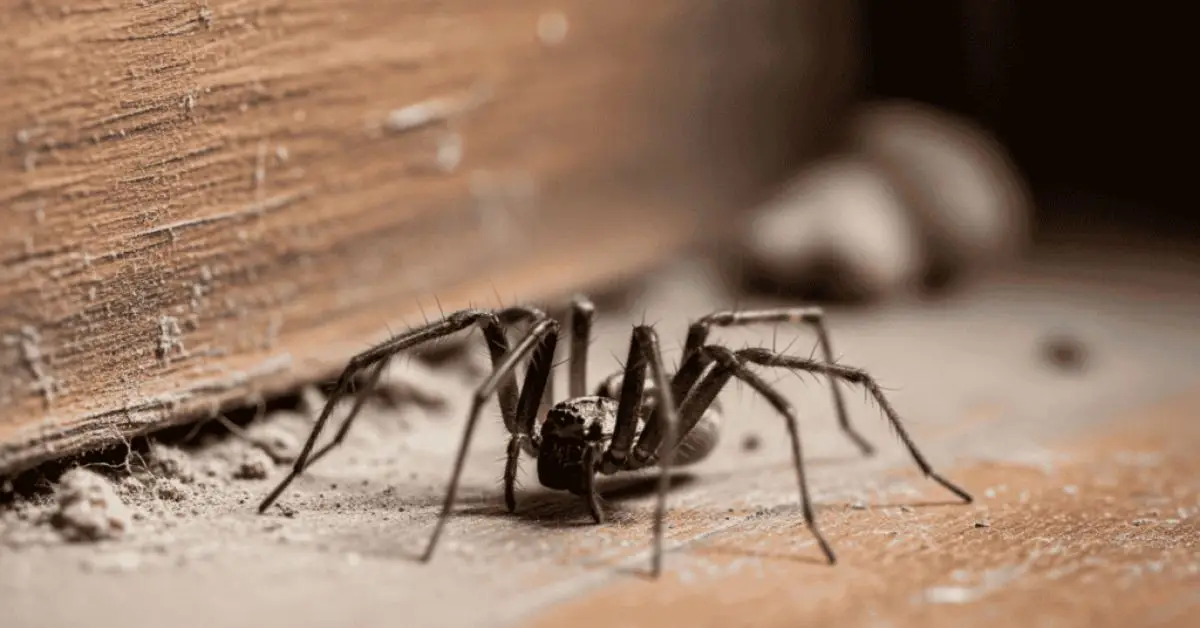
I’ll admit, I’m guilty of this one. Piles of boxes, stacks of old magazines, and a corner of the backyard filled with leaves and firewood—these are like little spider hotels. Spiders love cluttered spaces because they offer both shelter and a steady supply of prey insects.
Here’s what worked for me:
- Inside: Keep storage areas tidy, and avoid piling up unused boxes or clothes.
- Outside: Move firewood away from walls, trim tall grass, and clear leaf litter regularly.
- Visual check: Walk through your spaces as if you were a spider—where would you hide? Start clearing those spots first.
Organizing both your indoor and outdoor spaces not only reduces spiders but also makes your home feel cleaner and more spacious.
Mistake #4: Not Sealing Entry Points
I used to think spiders just “slipped in” magically, but the reality is they’re exploiting tiny cracks, torn screens, or gaps around pipes. Sealing these entry points is one of the most effective ways to keep spiders out—but only if you do it thoughtfully.
Here’s my step-by-step approach:
- Inspect thoroughly: Check doors, windows, vents, and plumbing gaps for even the smallest cracks.
- Use the right materials: Caulk works for small cracks, weatherstripping is perfect for doors and windows.
- Pro tip: Don’t seal vents or areas that need airflow—blocking these can cause bigger problems with moisture and indoor air quality.
For detailed sealing strategies and pro tips, I found the AWP Home Inspections guide on common mistakes attracting spiders really useful.
Mistake #5: Poor Landscape & Yard Management
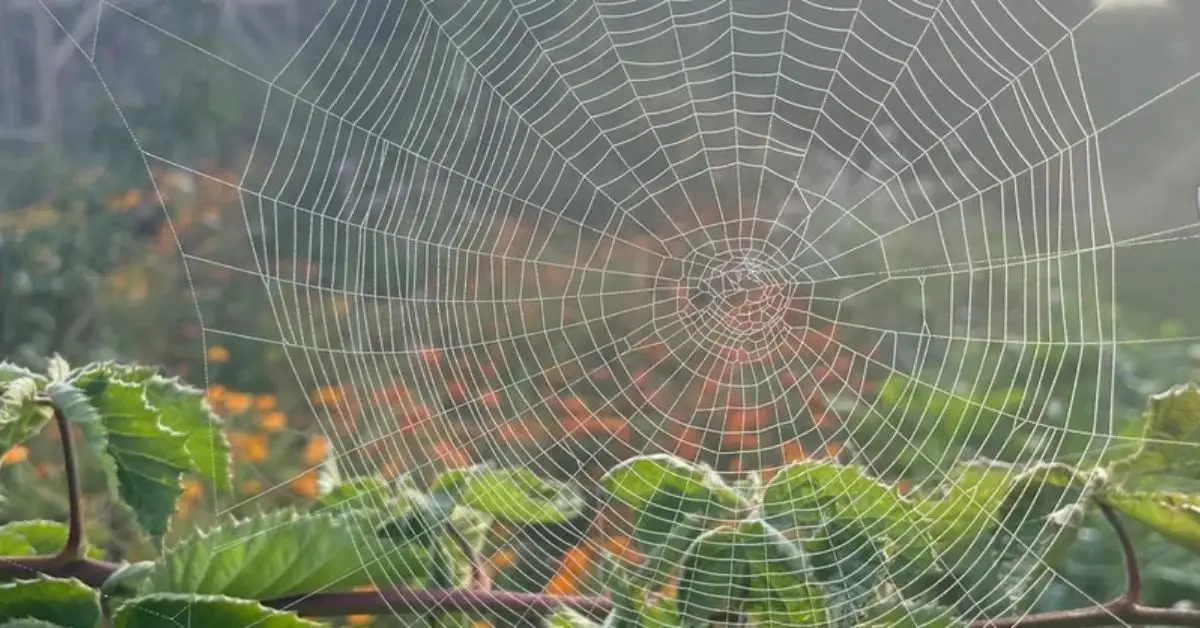
I’ve realized that my garden habits were inviting spiders more than I thought. Overgrown shrubs pressed against the house and ivy climbing walls aren’t just aesthetic—they act as bridges for spiders straight into your home.
Simple changes that made a difference for me:
- Trim shrubs so they’re a few feet away from walls and windows.
- Manage vines like ivy to prevent spiders from using them as highways indoors.
- Plan smartly: Position plants and mulch beds away from main entrances to reduce insect stops near doors and windows.
Following these landscaping practices not only lowers spider traffic but also makes your yard look cleaner and healthier.
Mistake #6: Not Addressing Other Insects First
Here’s a truth many articles gloss over: spiders aren’t the real problem—insects are. Cut off their food, and spiders naturally diminish. I had to rethink my approach completely.
Here’s what worked for me:
- Trash management: Keep bins tightly sealed and away from walls.
- Food storage: Make sure pantry items and pet food are properly contained.
- Light placement: As I mentioned before, adjust outdoor lighting to reduce insect concentration near entrances.
Even small actions like these make your home far less attractive to spiders. For further tips on how prey insects influence spider activity, Baba-Mail’s guide on why spiders lurk around homes gives practical insights you can implement immediately.
Mistake #7: Rare or Ineffective Pest Prevention Routine
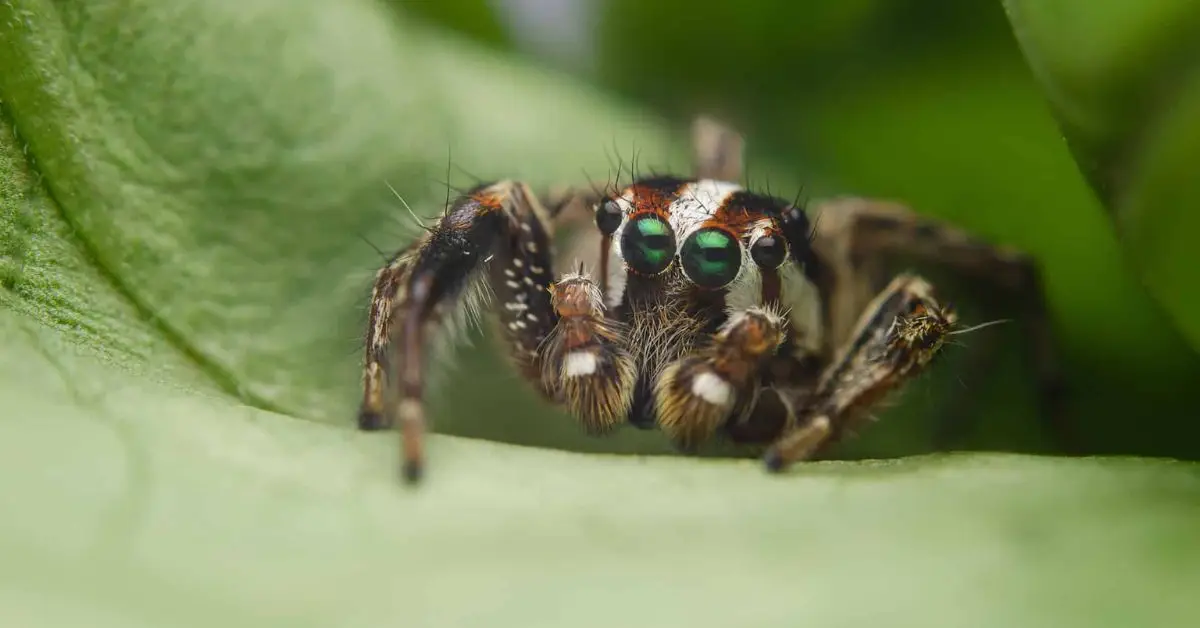
I used to think that just calling an exterminator once a year was enough—but spiders don’t follow a schedule. Preventive routines, especially during seasonal transitions like fall and spring, make all the difference. If you’ve noticed more spiders after winter, here’s how to fix the problem before they take over.
Here’s what I do now:
- Seasonal prep: Check for cracks, trim plants, and manage moisture before spiders become active.
- DIY vs professional: Small adjustments like sealing cracks or clearing clutter are easy to handle yourself, but a pro can help when infestations get persistent.
- Real case insight: If spiders keep returning in clusters despite your efforts, it’s time to escalate to a professional—don’t wait until it gets out of hand.
A small routine goes a long way in keeping your home spider-free.
Unique Value Add: Unexpected Factors Attracting Spiders
Some triggers aren’t obvious at first glance. I learned from forums like Reddit that things like household humidity, airflow patterns, and even certain human habits can unintentionally make your home spider-friendly.
Consider these often-overlooked factors:
- Drying clothes outside can attract insects, which in turn attract spiders.
- Blocked or stagnant airflow in corners or closets can make hiding spots cozy for spiders.
- Myth-busting: Spiders aren’t seeking revenge or “crawling on you” intentionally—they’re just following prey and shelter.
Observing these subtle behaviors around your home helped me tweak habits that actually reduce spider visits.
Actionable Checklist: Quick Fixes You Can Do Today
Here’s a practical list to get started immediately:
- Lighting: Switch to warm LED or yellow bulbs, move lights away from doors/windows. (10 mins, Easy)
- Moisture: Use dehumidifiers, ventilate bathrooms/kitchen. (15–20 mins, Easy)
- Clutter: Organize indoor storage and clear outdoor debris. (30–45 mins, Intermediate)
- Sealing: Caulk cracks, add weatherstripping. (30 mins, Intermediate)
- Landscaping: Trim shrubs, manage vines, create buffer zones. (30–60 mins, Intermediate)
- Insect control: Store food properly, seal trash bins, adjust lights. (15 mins, Easy)
- Routine: Seasonal checks and preventive steps. (30 mins, Easy)
Tools needed are simple: caulk gun, trash bags, basic garden tools, and a dehumidifier or exhaust fan.
Wrap-Up: Take Action and Share Your Experience
Spiders may seem like a nuisance, but understanding why they come inside and fixing the right issues makes a big difference. I’ve shared what worked for me, and now it’s your turn. For a more comprehensive approach to keeping spiders away, take a look at these 10 simple tips to make your home spider-free.
Try the checklist above and see which fixes make the biggest impact in your home. Share your story: What mistake surprised you most? Leave a comment below and let’s discuss!
Visit my website, Build Like New, for more practical home tips and guides on keeping your space clean, safe, and pest-free. Before/after photos: Take pictures of your improvements—it’s satisfying to see real progress.
Let’s make our homes smarter, cleaner, and less inviting to spiders—without overcomplicating things.
Disclaimer: The information in this article is for general educational purposes only. It is not a substitute for professional pest control advice. Results may vary depending on your home and environment. Always exercise caution and consult a certified pest control professional if needed.